Quick Facts
- Daily Necessity: UVA rays penetrate clouds and glass, making daily face sunscreen essential regardless of the weather.
- Aging Impact: Up to 90% of facial aging is caused by cumulative UV exposure, not just age.
- Cancer Prevention: Daily SPF 15+ daily use reduces melanoma risk by 50%.
- The Teaspoon Rule: Use exactly 1 teaspoon for the face, neck, and head combined for full protection.
- Mineral vs. Chemical: Zinc Oxide is now a gold standard for sensitive skin; Chemical filters offer superior invisible finishes.
- Wait Time: Apply chemical sunscreens 20-30 minutes before sun exposure.
- Protection Level: SPF 30 blocks 97% of UVB; SPF 50 blocks 98%.
Daily face sunscreen is non-negotiable because UVA rays (Aging) are present year-round and penetrate windows, while UVB rays (Burning) cause immediate damage. Consistent application of a daily face sunscreen preserves collagen and prevents skin cancer by creating a constant barrier against cumulative solar radiation. By blocking harmful radiation throughout the day, you ensure long-term skin safety and maintain overall skin barrier health.
The Science of 'Non-Negotiable': UVA vs. UVB
The conversation around sun protection often centers on avoiding a painful burn, but the importance of daily face sunscreen for long term skin safety goes much deeper than surface-level discomfort. Sunlight reaches the earth in two primary forms of ultraviolet radiation: UVA and UVB. To remember the difference, think A for Aging and B for Burning. UVB rays are shorter and responsible for the immediate redness of a sunburn. However, UVA rays are longer and much more persistent. They are present with equal intensity from sunrise to sunset, even on gloomy days, and they easily penetrate through standard window glass.
This cumulative exposure is the driving force behind photoaging. Research in skin protection indicates that approximately 80 to 90 percent of visible facial aging is caused by cumulative exposure to ultraviolet radiation rather than natural aging alone. When these rays reach the dermis, they break down the architectural proteins of your skin. The anti aging benefits of daily face sunscreen application are rooted in collagen preservation. By blocking these rays, you prevent the degradation of the skin matrix, which manifests as fine lines, sagging, and a loss of elasticity. Ensuring your product has high photostability means it won’t break down quickly under light, providing a reliable shield that defends against hyperpigmentation and dark spots.
Furthermore, the medical necessity of daily protection cannot be overstated. Daily use of SPF 15 or higher sunscreen can reduce the risk of developing squamous cell carcinoma by about 40 percent and melanoma by 50 percent. For those concerned with the aesthetic quality of their skin, a long-term study found that individuals who use sunscreen daily show 24 percent less skin aging, including fewer wrinkles and age spots, compared to those who do not use sunscreen regularly.
Mineral vs. Chemical: Choosing the Right Filter
Understanding the mechanism behind your sun protection is key to finding a product you will actually enjoy wearing. There are two primary categories of sunscreen filters: mineral and chemical. Mineral vs chemical face sunscreen for everyday wear often comes down to personal preference for texture and skin reactivity. Mineral sunscreens, also known as physical blockers, typically utilize Zinc oxide or titanium dioxide. These ingredients sit on the surface of the skin and act as a physical shield to deflect UV rays away like a mirror. They are generally considered the best dermatologist recommended facial sunscreen for sensitive skin because they are non-reactive and do not penetrate the skin barrier.
Chemical sunscreens, conversely, function like a sponge. They use filters to absorb UV radiation and convert it into a tiny amount of heat, which is then released from the skin. Most chemical formulas are prized for their cosmetic elegance—they are often lightweight, easy to spread, and offer an invisible finish that works perfectly as a primer. However, for those with reactive conditions like rosacea, certain chemical filters can occasionally trigger warmth or irritation.
| Characteristic | Mineral Sunscreen | Chemical Sunscreen |
|---|---|---|
| Filters | Zinc oxide, Titanium dioxide | Avobenzone, Oxybenzone, Octisalate |
| Mechanism | Physical shield (reflects) | Chemical absorption (converts to heat) |
| Skin Type | Best for sensitive or reactive skin | Great for oily skin or athletic use |
| Finish | May leave a white cast | Often clear and invisible |
| Activation | Works immediately upon application | Requires 20 minutes to "set" |
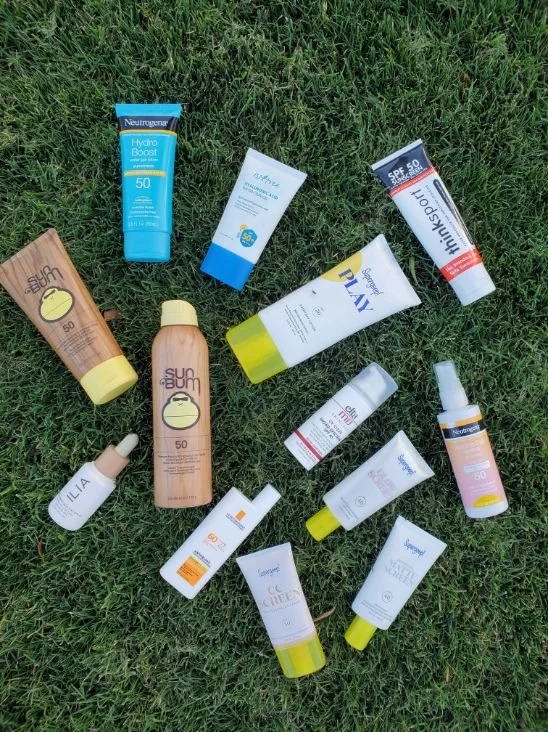
As we move into 2026, many manufacturers are prioritizing mineral vs chemical face sunscreen hybrids or focusing on non-nano particles in mineral formulas to reduce the traditional white cast. When seeking a facial sunscreen for sensitive skin, dermatologists still emphasize looking for fragrance-free and oil-free labels to ensure your protection does not lead to unwanted breakouts or congestion.
The Application Gap: Are You Using Enough?
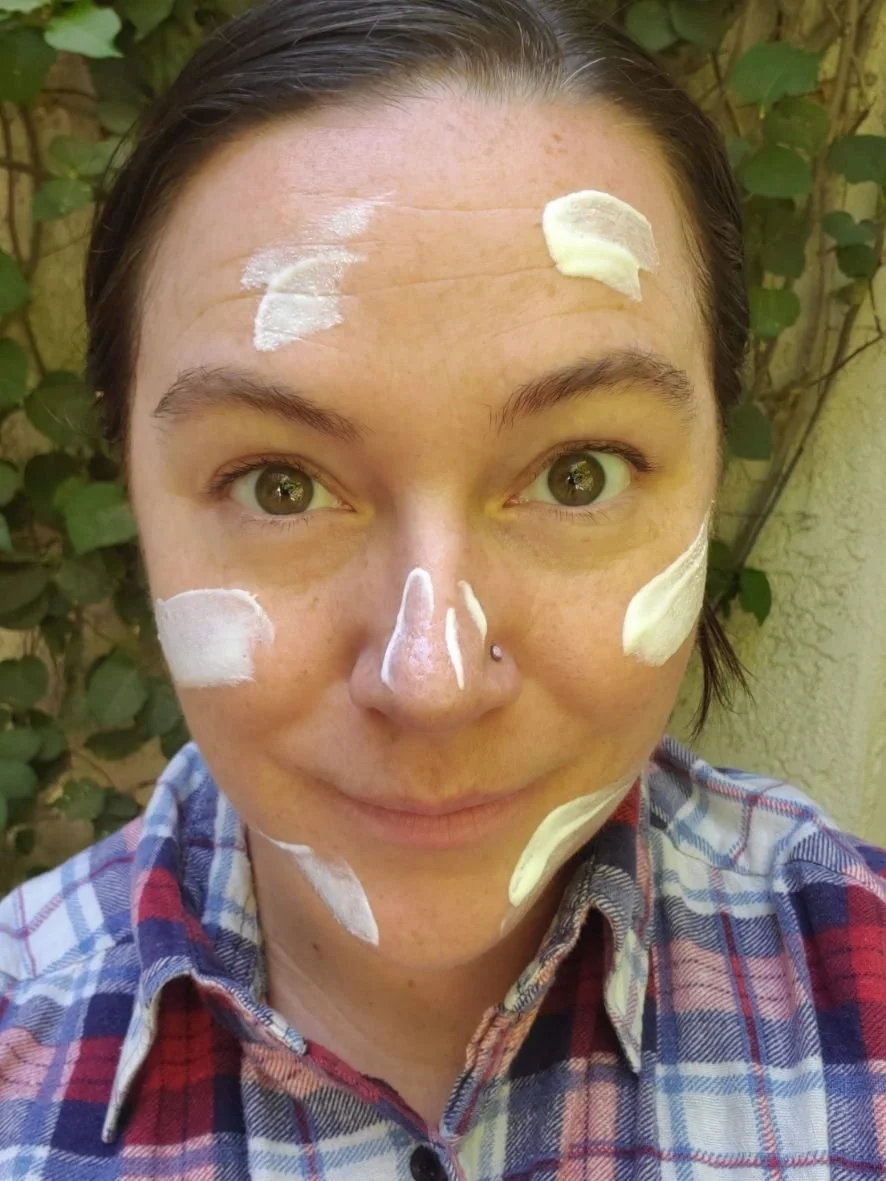
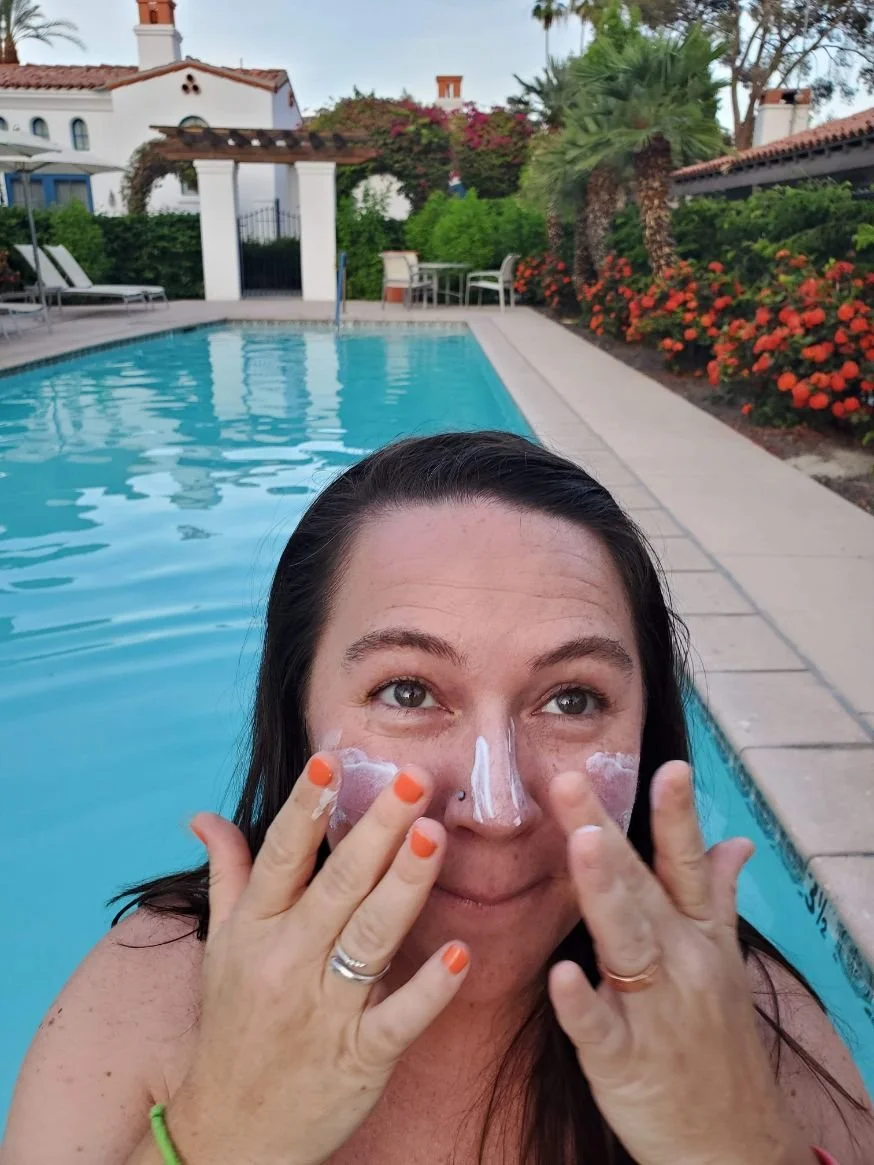
The most common mistake people make isn't choosing the wrong product, but using too little of it. To achieve the protection labeled on the bottle—whether it is a broad spectrum face SPF 30 or 50—you must apply a significant amount. Experts recommend the One Teaspoon Rule: you should use approximately one teaspoon of product for your face, neck, and scalp combined. If you apply only half of the required amount, you aren't getting half the protection; you are actually reducing the effectiveness exponentially, potentially turning an SPF 30 into an SPF 15 or less.
A major hurdle for many is how to apply face sunscreen under makeup without pilling. Pilling happens when the sunscreen interacts with your moisturizer or foundation and rolls off in little balls. To avoid this, apply your moisturizer first and let it fully absorb for three to five minutes. Then, apply your daily face sunscreen in thin, even layers rather than one thick glob. Patting the product into the skin rather than rubbing can also help maintain the integrity of the barrier. If you have a busy lifestyle, look for a non comedogenic face sunscreen for oily and acne prone skin that offers a matte finish, as these are formulated to dry down quickly and provide a smooth canvas for cosmetics.
10 Best Daily Face Sunscreens for 2026
Finding your signature sunscreen is the first step toward a 365-day habit. We have vetted these selections based on their ingredient profiles, user experience, and ability to provide a broad spectrum face SPF without disrupting your daily routine.
1. EltaMD UV Clear Broad-Spectrum SPF 46
This remains a industry gold standard for a reason. Specifically formulated for skin types prone to acne and rosacea, it contains high-purity niacinamide and Zinc oxide. It is a lightweight daily face sunscreen that calms the skin while providing reliable protection.
2. CeraVe AM Facial Moisturizing Lotion SPF 30
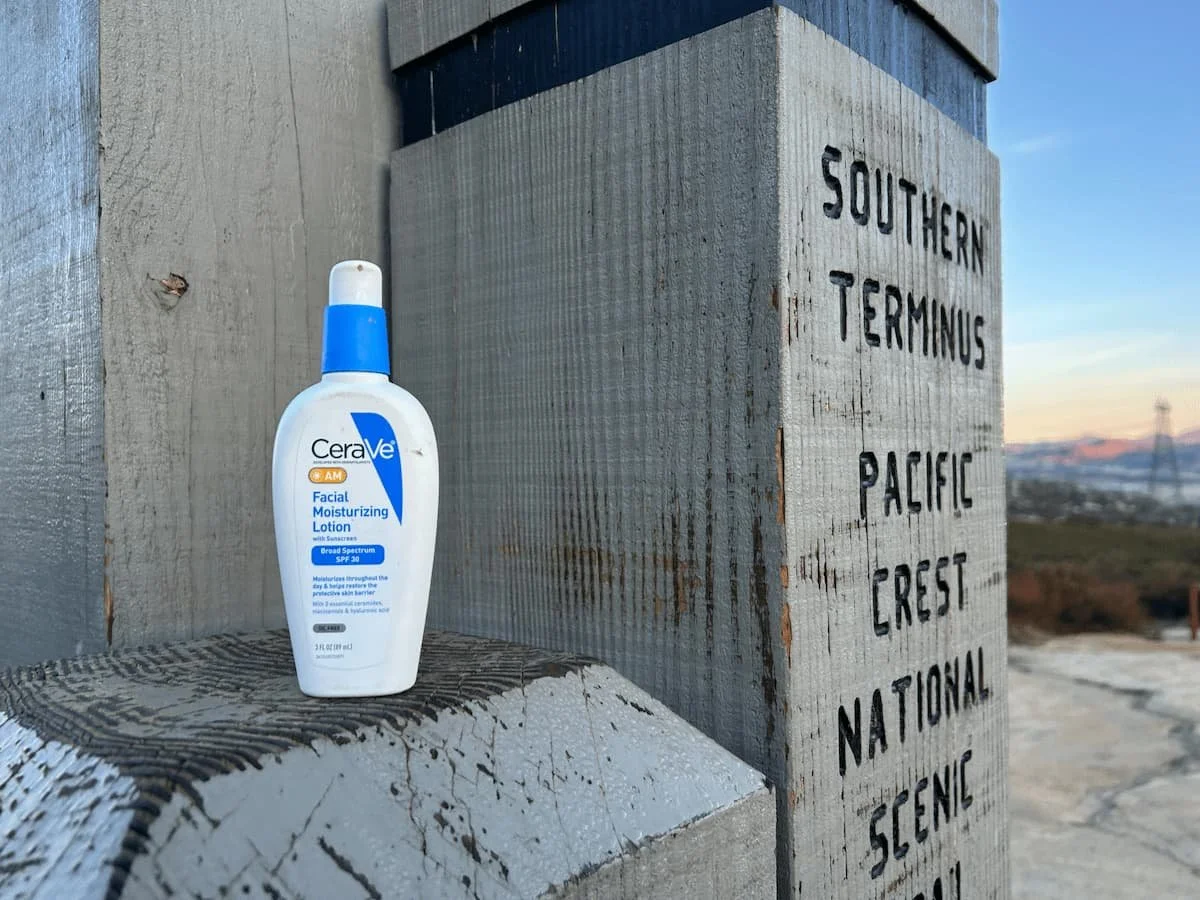
If you are looking for affordable drugstore face sunscreens that don't feel greasy, CeraVe is a top contender. It simplifies your morning by combining a moisturizer with broad spectrum face SPF. It features essential ceramides and hyaluronic acid to support the skin barrier health.
3. Supergoop! Unseen Sunscreen SPF 40
This is a game-changer for anyone who hates the feeling of traditional lotion. It is a completely invisible face sunscreen for dark skin with no white cast, featuring a unique velvet-like texture. It doubles as a high-quality makeup primer.

4. La Roche-Posay Anthelios Ultra-Light Fluid
This liquid formula is exceptionally thin, making it a great non comedogenic face sunscreen for oily and acne prone skin. It uses Cell-Ox Shield technology to provide antioxidants alongside UV filters, aiding in melanoma prevention by neutralizing free radicals.
5. SkinCeuticals Physical Fusion UV Defense SPF 50
This tinted mineral formula provides a sheer, universal wash of color that eliminates the white cast. It is ideal for those who want a bit of coverage without the weight of foundation, offering heavy-duty protection with Zinc oxide.
6. Isntree Hyaluronic Acid Watery Sun Gel
Representing the best of Korean skincare innovation, this gel provides an incredibly dewy finish. It is essentially a hydration serum and sunscreen in one, perfect for those with dry skin who want to avoid the heavy feel of mineral pastes.
7. Neutrogena Sheer Zinc Mineral Sunscreen
A budget-friendly facial sunscreen for sensitive skin that uses 100% Zinc oxide. While it requires a bit more effort to rub in, its safety profile for ultra-reactive skin is unmatched in the drugstore category.
8. Paula’s Choice Youth-Extending Daily Hydrating Fluid
This fluid is designed for those prioritizing the anti aging benefits of daily face sunscreen application. It is packed with antioxidants and has a water-light feel, making it easy to integrate into a complex skincare routine.
9. Black Girl Sunscreen SPF 30
Created specifically to solve the white cast problem for melanated skin, this chemical formula is moisturizing and dries down completely clear. It uses natural ingredients like avocado and jojoba to nourish the skin.
10. MDSolarSciences Mineral Moisture Defense
This is a dermatologist recommended facial sunscreen for sensitive skin that offers a high SPF 50 rating. It is fragrance-free and provides a sophisticated, matte finish that feels more like a luxury skincare product than a topical sunblock.
FAQ
Is it necessary to wear sunscreen on your face every day?
Yes, it is essential. UVA rays, which cause photoaging and skin cancer, are present at relatively consistent levels throughout the year. These rays can penetrate through clouds and window glass, meaning your skin is receiving cumulative damage even when you are indoors or if the weather is overcast.
What are the benefits of using daily face sunscreen?
The primary benefits include a significant reduction in the risk of skin cancers like melanoma and squamous cell carcinoma. From a cosmetic perspective, it prevents up to 90% of visible aging, preserves collagen, reduces the appearance of dark spots, and maintains a more even skin tone.
What is the difference between mineral and chemical face sunscreen?
Mineral sunscreens use physical blockers like Zinc oxide to reflect UV rays off the skin’s surface. Chemical sunscreens use organic filters to absorb UV rays and convert them into heat. Mineral is often better for sensitive skin, while chemical is often preferred for its clear, invisible finish.
Should I apply sunscreen before or after moisturizer?
Sunscreen should generally be the last step of your skincare routine, applied after your moisturizer has fully absorbed. This allows the sunscreen to form an uninterrupted film over the skin. If you are using a chemical sunscreen, some experts suggest applying it to clean skin, but for a daily face sunscreen routine, applying it over moisturizer is the standard and effective practice.
How do I reapply sunscreen over makeup during the day?
Reapplying over makeup can be done using a SPF-infused setting powder, a sunscreen mist, or by gently patting a lightweight liquid sunscreen over the top with a makeup sponge. While not as thorough as a fresh application, these methods provide necessary midday protection without ruining your appearance.
Is SPF 30 enough for daily face protection?
For most people in daily scenarios, SPF 30 is sufficient as it blocks approximately 97% of UVB rays. However, the effectiveness depends heavily on using the correct amount. If you tend to apply your sunscreen thinly, opting for an SPF 50 can provide a safety margin to ensure you are still getting adequate protection.
Protect Your Future Skin
The most effective anti-aging product in your cabinet isn't a luxury serum or a high-tech night cream; it is your daily face sunscreen. By committing to a broad spectrum face SPF every morning, you are making a long-term investment in your health and appearance. The cumulative effect of sun exposure is the silent architect of skin damage, but a consistent barrier of Zinc oxide or chemical filters can stop that damage before it starts. Pick a formula that fits your skin type, apply the full teaspoon, and make protection a non-negotiable part of your life.