Imagine yourself miles into the backcountry, the trail has vanished under a fresh dusting of snow, and your smartphone has just succumbed to the bitter cold. This isn't just a hypothetical scenario for the thousands of outdoor enthusiasts who find themselves in distress every year. In 2025, the Garmin Response international emergency coordination center received more than 3,000 inReach SOS incident messages globally, primarily from users involved in hiking and backpacking activities.
Reliable communication is no longer a luxury; it is a fundamental pillar of wilderness survival gear. As we look at the landscape for 2026, the best satellite messenger is an essential tool for off-grid messaging and emergency beacon activation, bridging the gap where cellular towers fail. Whether you are a thru-hiker on the Pacific Crest Trail or a casual weekend warrior, having a dedicated device ensures that search and rescue is only a button press away, even in the most remote corners of the globe.
Our Top Picks
- Best Overall: Garmin inReach Mini 3 Plus. The new gold standard, featuring a color touchscreen, faster Iridium Certus messaging, and a rugged, lightweight build.
- Best Budget: Zoleo Satellite Communicator. Excellent for those who prefer using a smartphone app for seamless off-grid messaging at a lower hardware entry price.
- Best for Emergency Only: ACR ResQLink 400. A true personal locator beacon that requires no subscription fees while offering maximum survival reliability.
The Garmin inReach Mini 3 Plus is the top-rated satellite messenger for 2026, offering global two-way messaging and a color touchscreen on the Iridium network. It provides a lightweight 4.4-ounce build with battery life reaching up to 350 hours in tracking mode. For budget-conscious users, the Zoleo communicator is a reliable alternative that supports long messages through a smartphone app.
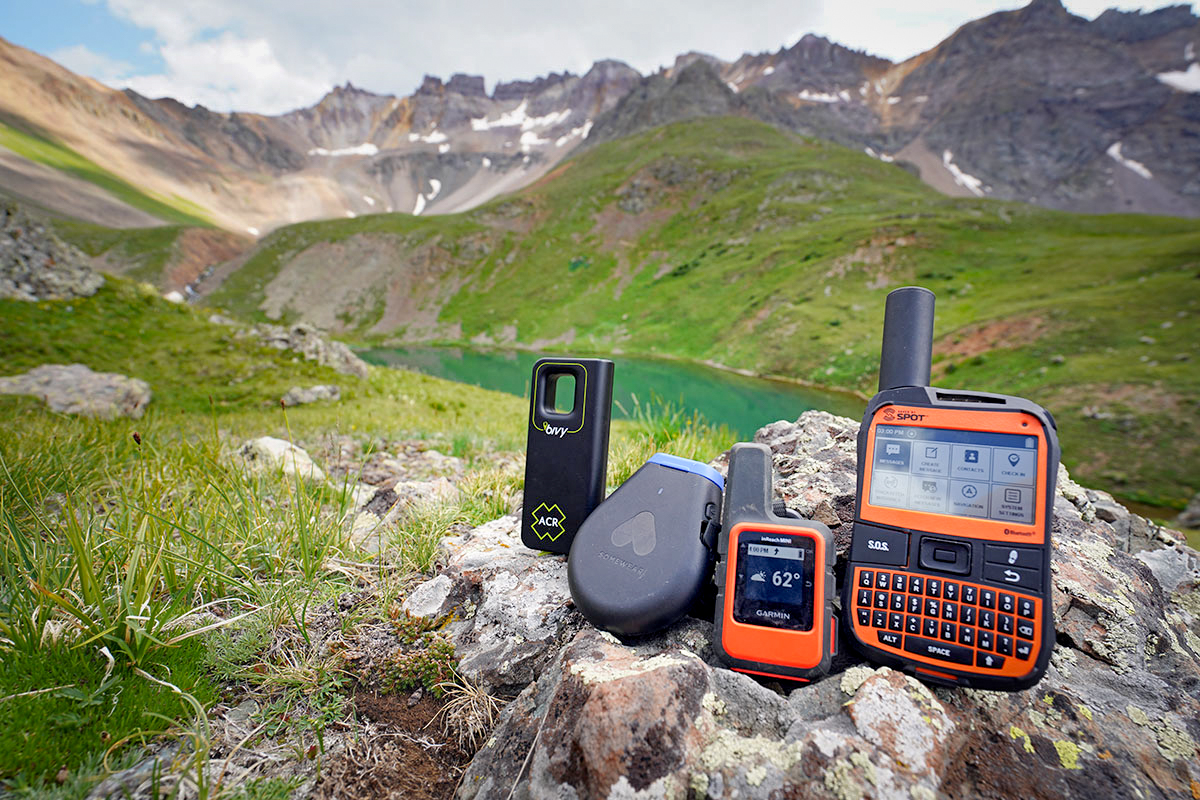
| Model | Weight | Battery Life (Tracking) | Network | Best For |
|---|---|---|---|---|
| Garmin inReach Mini 3 Plus | 4.4 oz | 350 Hours | Iridium | All-around Performance |
| Zoleo | 5.3 oz | 200 Hours | Iridium | Seamless App Experience |
| Garmin Messenger Plus | 4.0 oz | 600 Hours | Iridium | Multi-week Expeditions |
| ACR Bivy Stick | 3.4 oz | 120 Hours | Iridium | Ultralight Thru-hiking |
| Spot Gen4 | 5.0 oz | 150 Hours | Globalstar | Budget Tracking |
Dedicated Messenger vs. Smartphone Satellite SOS
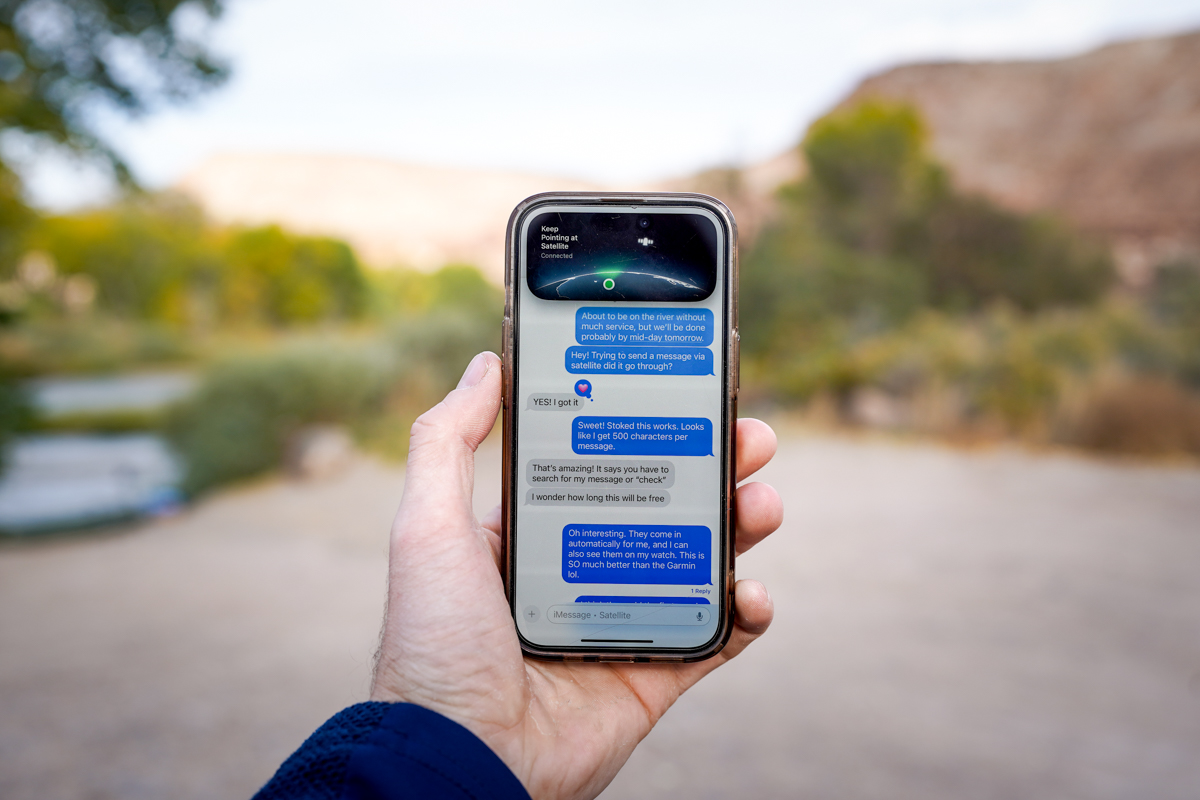
We are frequently asked if buying a specialized device is necessary now that modern smartphones include basic satellite features. It is true that the market is shifting; the global direct-to-satellite market size is projected to grow to 4.28 billion USD in 2026, driven by consumer demand for emergency connectivity. However, the comparison between apple iphone satellite messaging vs dedicated messengers reveals a significant safety gap.
Standalone devices are built to survive what your smartphone cannot. A dedicated unit like the Garmin Messenger Plus provides up to 600 hours of battery life when operating in low-power mode with 10-minute tracking intervals. In contrast, using satellite features on a smartphone drains the battery rapidly and often requires a clear, unobstructed line to the sky that is difficult to maintain in dense forests. Dedicated messengers feature larger, high-gain antennas that offer superior performance in deep canyons. Furthermore, these units are designed to withstand extreme temperatures and impact, ensuring a reliable lifeline when smartphone batteries often fail during multi-day expeditions.
Best Overall: Garmin inReach Mini 3 Plus Review
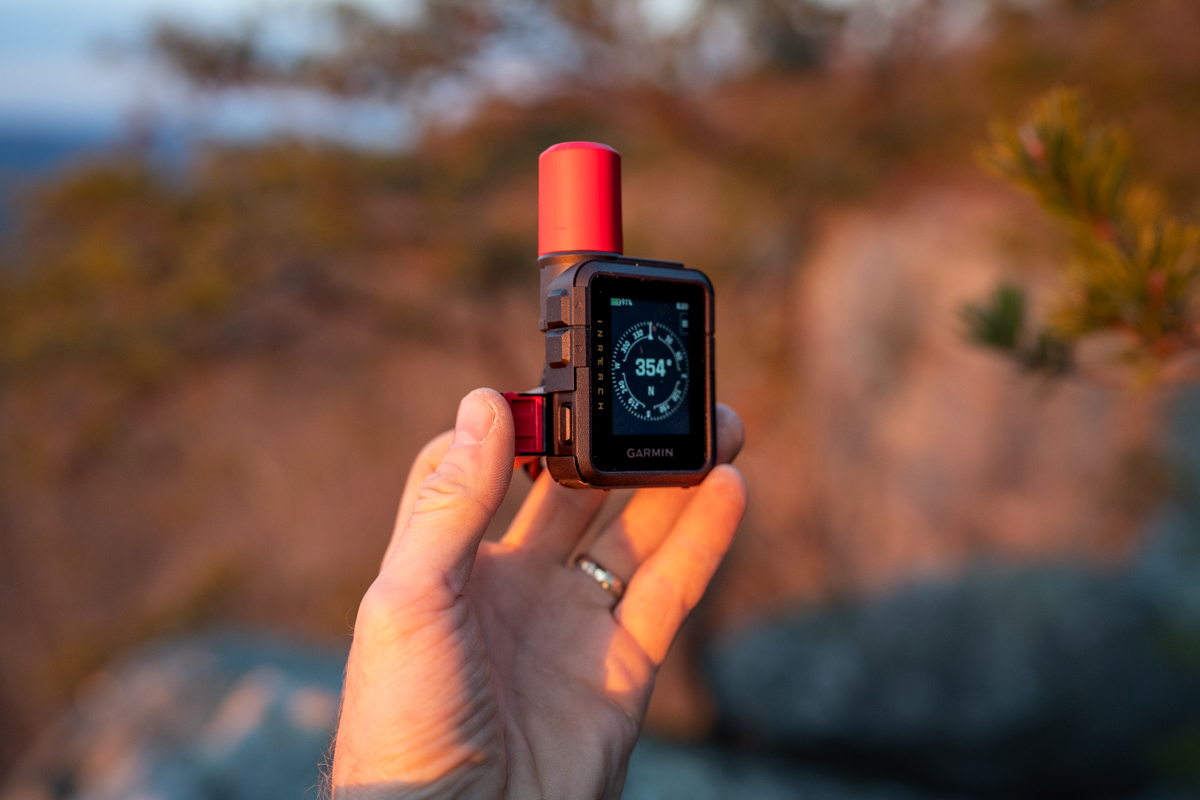
For the 2026 season, the Garmin inReach Mini 3 Plus stands at the top of our list. The most significant upgrade is the 1.52-inch color touchscreen, which makes off-grid messaging significantly faster and more intuitive than the button-navigation of previous iterations. It utilizes the Iridium satellite constellation, ensuring true pole-to-pole coverage without the dead zones common in regional networks.

The internal hardware has been updated to support Iridium Certus, which results in much faster message transmission and reception. Weighing in at only 4.4 ounces, it fits easily on a pack strap without being noticeble. We found that the multi-gnss support provides incredible location accuracy even in challenging terrain. The device is rated at IPX7 for water resistance and utilizes USB-C for fast charging, aligning with modern gear standards. This is undoubtedly the best satellite messenger for backcountry hiking 2026 because it balances high-resolution interface with the ruggedness required for interactive sos alerts.
Lightweight Options for Thru-Hiking: Zoleo and Bivy Stick
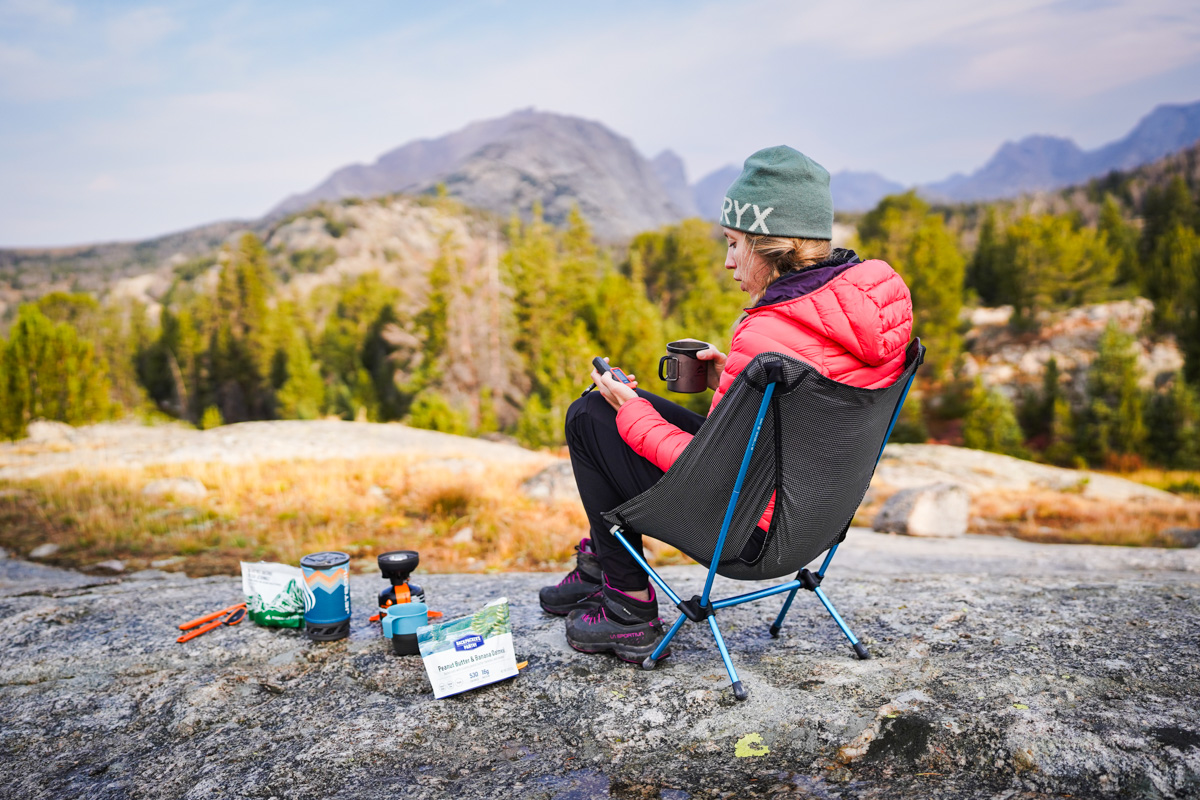
Thru-hikers counting every gram often look for the most efficient ways to stay connected. The Zoleo remains a favorite because of its unique approach to two-way satellite messengers. Instead of trying to do everything on a tiny screen, it relies on a smartphone app integration that feels just like standard texting. When you have cell service, it uses Wi-Fi or cellular; when you lose it, it seamlessly switches to the Iridium network.
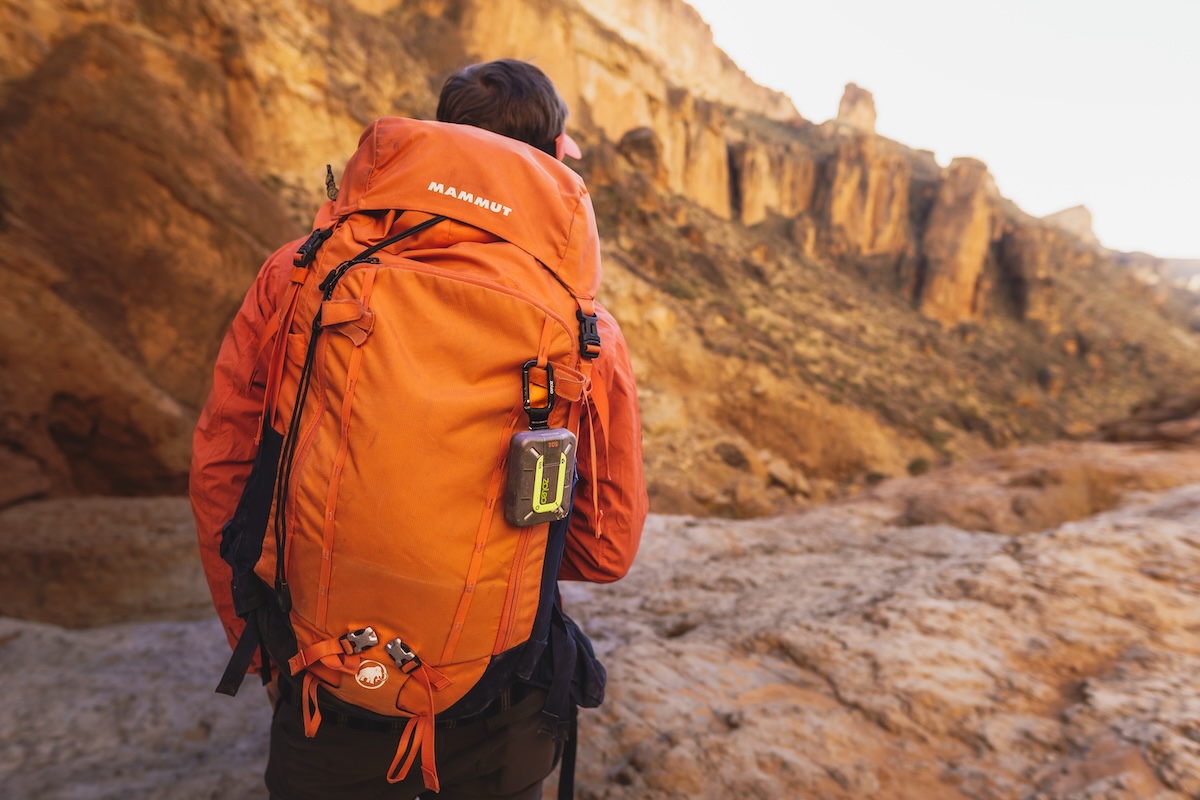
For the absolute minimalist, the ACR Bivy Stick is a strong contender. At just 3.4 ounces, it is one of the lightest two-way satellite messengers available. In our garmin inreach mini 3 plus vs zoleo field tests, we found that while the Zoleo is easier to type on via a phone, the Bivy Stick is preferred by those who want the smallest physical footprint. Both devices provide reliable tracking, but the Zoleo offers a more robust messaging experience for those who need to stay in frequent contact with family during a long-distance trek. Lightweight satellite messengers for thru-hiking must prioritize both weight and ease of use, and these two models lead the category.
Network Reliability: Iridium vs. Globalstar vs. Starlink
Understanding the infrastructure behind your device is critical for safety. The debate of iridium vs globalstar satellite network coverage remains central to your purchasing decision. Iridium utilizes a cross-linked mesh of 66 low-earth orbit satellites, providing a global coverage maps that includes the north and south poles and the middle of the ocean. This makes it the preferred choice for international explorers.
Globalstar, used by Spot devices and older emergency beacons, relies on a "Bent Pipe" architecture where the satellite must see both the user and a ground station simultaneously. While this works well in most of North America and Europe, it can lead to regional spotty coverage in high latitudes or remote parts of the Southern Hemisphere. Looking ahead to 2026, we are also seeing the integration of Starlink’s Direct-to-Cell technology. While this promises higher bandwidth, it currently serves as a secondary layer rather than a replacement for the dedicated emergency beacon activation capabilities of a specialized handheld.
Cost Analysis: Satellite Messenger Subscription Plans 2026
When budgeting for a messenger, the hardware price is only half the story. Satellite messenger subscription plans are a mandatory part of ownership unless you opt for a personal locator beacon like an ACR ResQLink. Most satellite messenger subscription plans comparison reveal a recurring theme: an activation fee ranging from $30 to $40, followed by tiered monthly or annual plans.
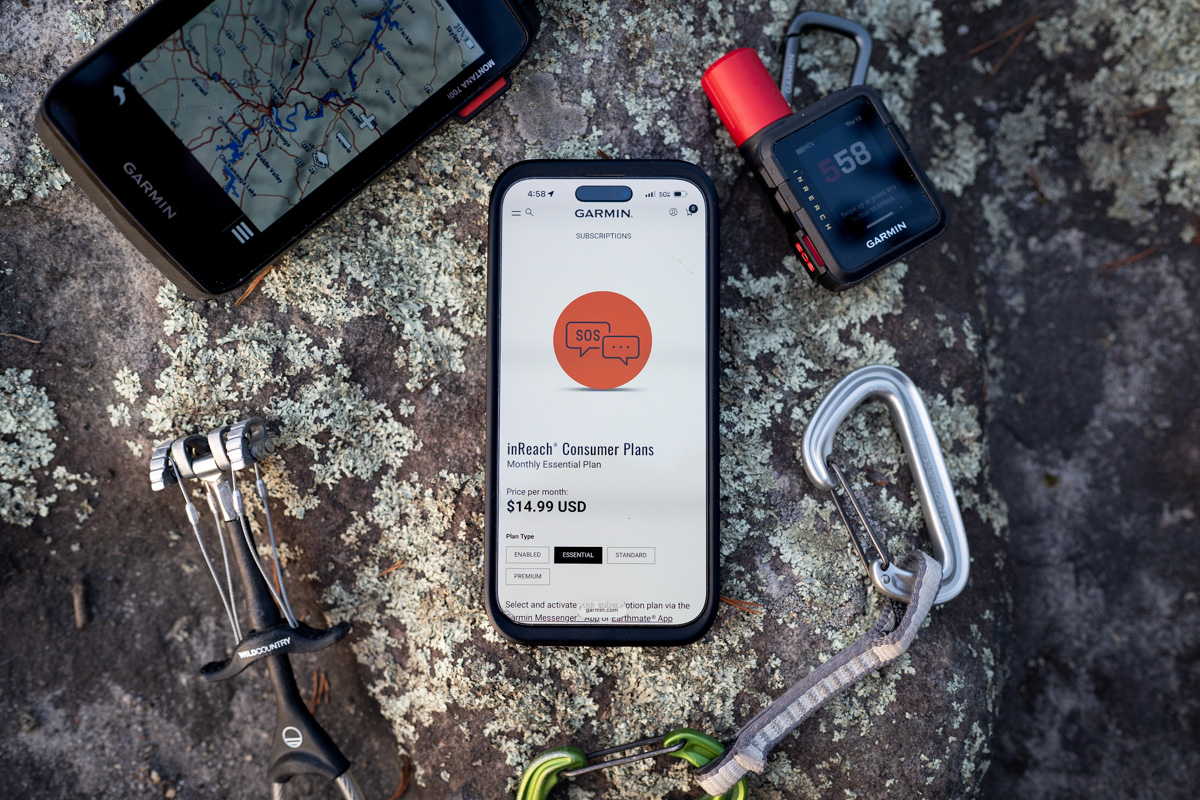
For seasonal hikers, look for two-way satellite messengers with no monthly fee options that allow for plan suspension. Zoleo, for instance, allows you to suspend your service for a small monthly fee (roughly $4), keeping your dedicated "Zoleo number" active until your next trip. Garmin offers "Freedom Plans" which require a slightly higher monthly rate but allow you to cancel and restart service as needed throughout the year. Always consider the total cost over a two-year period rather than just the initial device MSRP.
Pro Tip: Check if your plan includes "unlimited check-in messages." Most modern 2026 plans allow you to send pre-set "I'm okay" messages to your favorite contacts without counting against your monthly text message limit.
Battery Life for Multi-Day Expeditions
In the high-stakes world of mountain safety, battery efficiency is non-negotiable. Manufacturers often quote "up to" figures that assume perfectly clear skies and minimal tracking. During our field tests, we evaluated how satellite messenger battery life for multi-day expeditions holds up in the real world.
If you are hiking for weeks without access to a power bank, the Garmin Messenger Plus is the champion, utilizing a high-efficiency antenna that requires less power to lock onto satellites. Furthermore, the impact of cold weather cannot be overstated. Lithium batteries in 2026 models are better insulated than ever, but extreme cold still reduces efficiency by roughly 20-30%. If you expect sub-zero temperatures, keep your device close to your body heat to ensure the battery remains viable for an emergency.

FAQ
What is the difference between a satellite messenger and a PLB?
A satellite messenger allows for two-way communication and tracking but requires a monthly subscription. A personal locator beacon is for emergency use only, has a more powerful signal that goes directly to government satellites, and requires no ongoing fees once purchased.
Do satellite messengers require a monthly subscription?
Yes, almost all modern messengers require a subscription to send and receive messages or use the search and rescue features. These plans vary from basic safety packages to unlimited messaging tiers.
Are satellite messengers worth it for hiking?
For anyone venturing outside of reliable cell phone range, they are a vital safety tool. They provide peace of mind for family members through tracking and offer a guaranteed way to contact help during an injury or navigation error.
How do satellite messengers work in deep canyons or forests?
They require a line-of-sight to satellites in the sky. In deep canyons or under very heavy tree canopy, message transmission may take longer or require you to move to a slightly more open area to get a clear signal.
Can I use a satellite messenger without a phone?
Devices like the Garmin inReach Mini 3 Plus have built-in screens and keyboards (either physical or virtual), allowing you to use them completely independently. Budget models like the Zoleo are much easier to use when paired with a smartphone.
What happens when you press the SOS button on a satellite messenger?
A distress signal containing your GPS coordinates is sent to an international monitoring center. Professional dispatchers will then coordinate with the nearest search and rescue teams while maintaining two-way contact with you to assess your medical or situational needs.