Quick Facts
- Date: January 2, 2026
- Location: Telegraph Canyon, Superior, Arizona
- Casualties: 4 fatalities (all occupants)
- Aircraft: MD Helicopters MD369FF
- The Hazard: 1km synthetic nylon webbing suspended 600ft AGL
- Fatal Impact: Tailboom separation following a wire strike
- Regulatory Fix: Complete FAA NOTAM system overhaul by Feb 2026
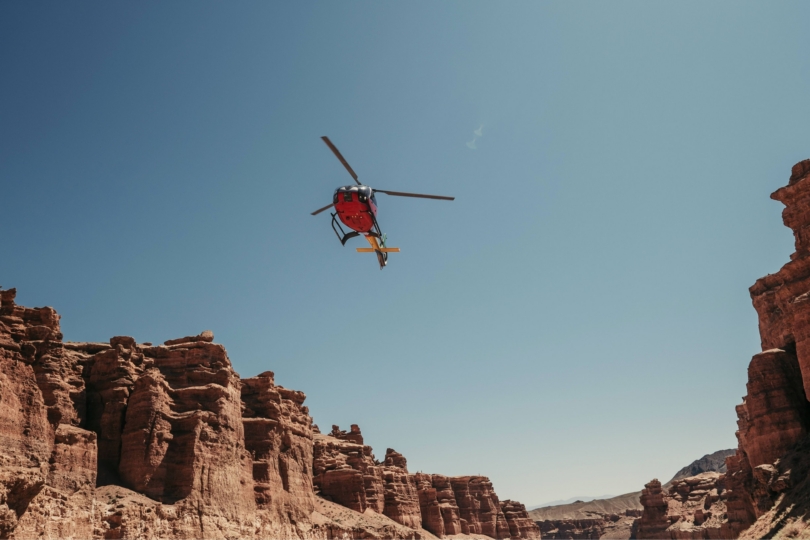
On January 2, 2026, a tragic slackline helicopter accident in Superior, Arizona, shocked the aviation community. An MD369FF helicopter struck a highline webbing suspended 600 feet above Telegraph Canyon, leading to four fatalities. This probe by the NTSB highlights critical gaps in canyon navigation and FAA NOTAMs for pilots. A helicopter can be taken down by a slackline, as evidenced by this fatal collision where the flexible synthetic material bypassed standard safety equipment designed to cut metal wires.
Forensic Mechanics: Why Slacklines Defeat Helicopter Safety Gear
The investigation into the Arizona crash revealed a chilling reality for low-altitude aviation: standard safety features often fail when encountering synthetic highlines. Most modern light helicopters are equipped with a Wire Strike Protection System (WSPS), which consists of hardened steel cutters designed to sever electrical cables. However, these systems are engineered for the high-tension, rigid snap of metallic wires.
A synthetic slackline, typically made of nylon webbing, behaves differently under impact. When the MD369FF struck the cable, the webbing did not snap or cut immediately. Instead, its elasticity allowed it to wrap around the main rotor mast and the tail rotor assembly. This led to specific mechanical failures:
- Tailboom Separation: The forensic evidence from the NTSB investigation showed that the webbing fouled the tail rotor, causing an instantaneous torque spike. This mechanical stress caused the entire tailboom to separate from the fuselage while the aircraft was still 600 feet in the air.
- Mast Entanglement: Unlike metal wires that are usually pushed into the cutters, the flat profile of highline webbing can slide around the fairings, entangling the pitch change links and leading to a total loss of cyclic control.
- Fuselage Inversion: Following the loss of the tailboom, the helicopter became aerodynamically unstable. The aircraft inverted and entered a vertical descent into the canyon floor.
| Hazard Feature | Metallic Power Wires | Synthetic Slackline Webbing |
|---|---|---|
| Material Behavior | Rigid / Brittle under impact | Elastic / Wrap-prone |
| WSPS Effectiveness | High (Designed for this) | Low (Usually bypasses cutters) |
| Visibility | Moderate (Pole-to-pole logic) | Extremely Low (Blends with terrain) |
| Failure Mode | Short circuit / Tension break | Entanglement / Component separation |
According to the Federal Aviation Administration, low-altitude object strikes remain a significant threat, accounting for approximately 15% of fatal helicopter accidents under Part 91 regulations.
The NOTAM Gap: Regulatory Compliance vs. Pilot Awareness
One of the most concerning aspects of the Superior Arizona tragedy is that the highlining team followed every established protocol for highlining aviation safety. The group had filed a Notice to Air Missions (NOTAM) twelve days before the event, clearly stating the coordinates, the altitude of 600 feet, and the duration of the installation in Telegraph Canyon.
Despite this, the pilot of the MD369FF proceeded into the canyon under visual flight rules without being aware of the obstruction. This highlights the "NOTAM Gap," a systemic failure in how vital safety information reaches pilots in the cockpit. Current FAA NOTAMs for pilots often consist of long strings of cryptic text that can be difficult to parse during pre-flight briefings, especially when a pilot is managing multiple mountain-area transitions.
The NTSB investigation focused on situational awareness and why the pilot missed the specific alert for Telegraph Canyon. Even though the athletes were in the right legally, the human factor of visual flight rules navigation means that if a pilot doesn't see the line visually or read the digital alert, the risk remains at 100%. The "prior awareness paradox" suggests that even when obstacles are documented, pilots operating in familiar terrain may become complacent, relying on a mental map that doesn't include temporary nylon webbing.
Prevention vs. Protection: Technical Limitations in Canyon Terrain
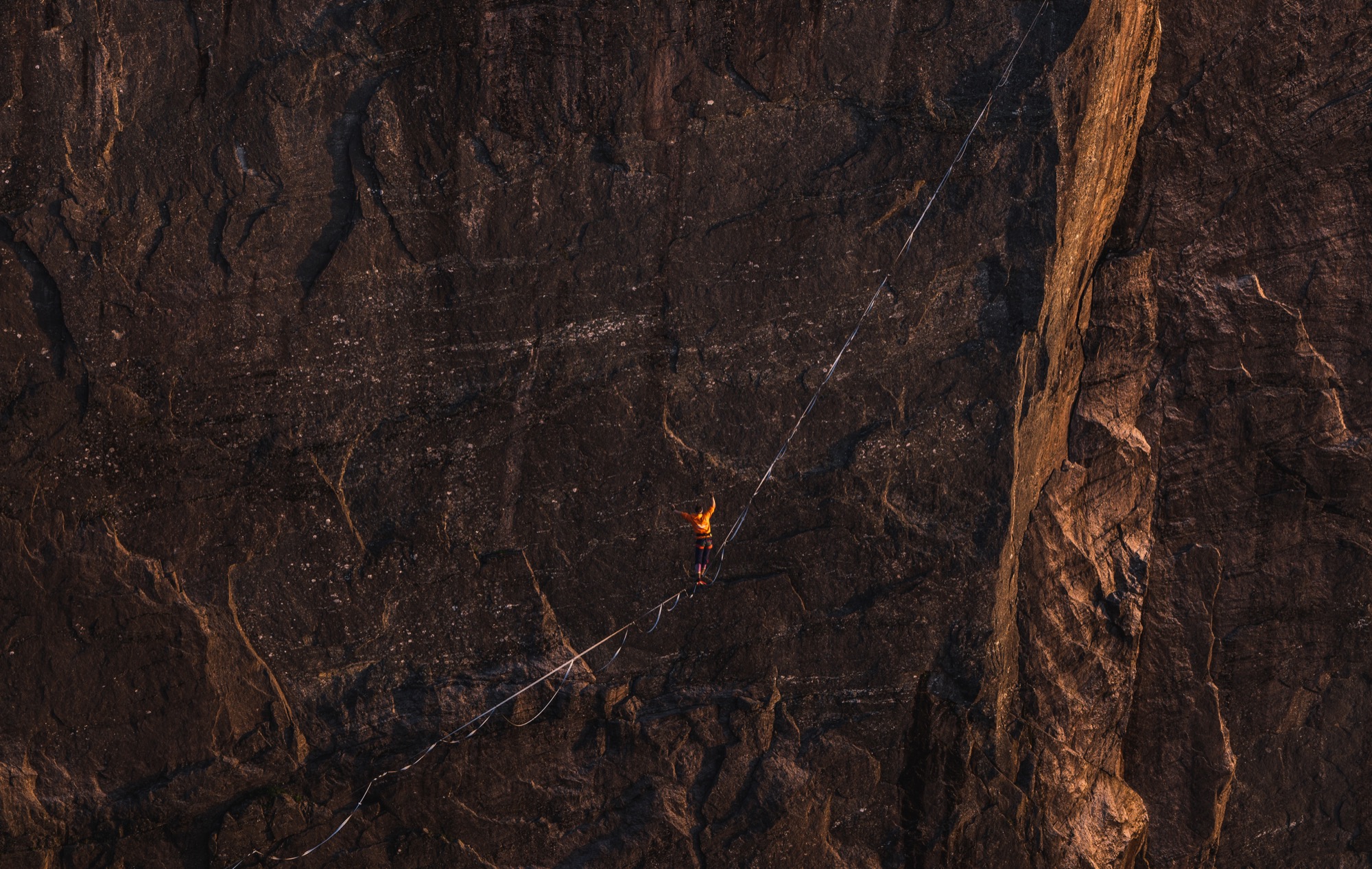
Highlining in Arizona presents some of the most beautiful terrain in the world, but for helicopter wire strike prevention, it is a nightmare. The sheer granite walls and shifting shadows of canyon terrain create a visual illusion where thin lines become virtually invisible. A one-kilometer nylon webbing, even when relatively wide, disappears against the complex textures of a cliff face.
Identifying slackline signalization lines from air is a skill that few pilots have perfected because these lines are so much thinner than traditional utility wires. To mitigate this, high-altitude reconnaissance is recommended before any pilot descends into a canyon. By orbiting at a higher altitude, a pilot might catch the glint of sunlight off the webbing or see the colored markers if they are present.
However, many highline groups struggle with marking highlines for aircraft visibility standards. While utility companies use heavy, expensive International Orange spheres on power lines, highliners must use lightweight alternatives. The industry standard is moving toward high-visibility tagging—lengths of bright tape or lightweight flags—but these can be tattered by wind or lose their color in the intense Arizona sun.
Furthermore, technology like LIDAR (Light Detection and Ranging) could theoretically detect these lines, but the cost and weight of such systems are often prohibitive for lightweight helicopters like the MD369FF or the Robinson R44. For now, the primary defense for preventing slackline helicopter accidents in Arizona remains the human eye and a rigorous check of the NOTAM system.
Systemic Reform: The FAA's 2026 Legacy System Overhaul
The 2026 crash in Superior has become a catalyst for federal policy change. The NTSB and FAA have recognized that relying on pilots to read through hundreds of lines of text to find a single temporary obstacle in a canyon is an outdated safety model. As part of a broader push for general aviation safety, the FAA is scheduled to fully replace its legacy NOTAM system by February 2026.
The new system aims to provide graphical representations of temporary hazards. Instead of just a text string for a slackline helicopter accident risk area, pilots will see a highlighted "no-fly" or "hazard zone" on their digital moving map displays. This shift from text-based warnings to visual situational awareness tools is expected to drastically reduce the incidence of wire strikes in remote areas.
Additionally, the NTSB investigation has recommended that highlining communities use specific aviation-grade markers on any line spanning navigable airspace. These markers, while lightweight, must meet specific reflectivity and color standards to ensure that they provide enough contrast against canyon backgrounds. The hope is that through a combination of better pilot alerts and more visible rigging, the tragic events in Telegraph Canyon will never be repeated.
FAQ
What happened in the slackline helicopter accident?
On January 2, 2026, an MD369FF helicopter flying in Telegraph Canyon near Superior, Arizona, struck a one-kilometer-long slackline webbing. The impact caused the tailboom to separate from the aircraft, leading to a loss of control and a fatal crash that killed all four people on board.
Can a helicopter crash into a highline wire?
Yes, a helicopter can certainly crash into a highline or slackline. Because highlines are made of flexible synthetic materials like nylon or UHMWPE, they do not always break upon impact. Instead, they often wrap around the rotor mast or tail rotor, causing catastrophic mechanical failure more quickly than some metallic wires.
Are there safety regulations for slacklining in flight paths?
Yes, highliners are generally required to coordinate with the FAA if they are rigging in navigable airspace. This typically involves filing a NOTAM to alert pilots of the temporary obstruction. In some regions, additional permits from local land management agencies like the BLM or Forest Service are also required.
How do highliners warn pilots of their position?
Highliners typically warn pilots by filing FAA NOTAMs for pilots and attaching visibility markers to their signalization lines. These markers are often bright orange or yellow streamers or lightweight flags designed to make the thin webbing more visible against the natural background of canyon walls.
Who is liable if a helicopter strikes a slackline?
Liability is complex and depends on whether the highliners followed federal reporting regulations and whether the pilot was operating within safe parameters for visual flight rules. In the Arizona crash, the highliners had filed the proper paperwork, which shifts the focus of the NTSB investigation toward pilot situational awareness and systemic failures in the NOTAM delivery system.
Are highlines required to have visibility markers for aircraft?
While requirements can vary based on the specific location and altitude, aviation safety experts strongly recommend that any line spanning a canyon or navigable waterway be marked. Following the 2026 accident, there has been a significant push to standardize the use of aviation-grade visibility markers for any highline rigging that exceeds a certain length or height.