Quick Facts
- Primary Style: Classic skiing is the most recommended entry point for beginners due to its natural motion.
- Calorie Burn: This winter aerobic exercise burns between 600 and 900 calories per hour for recreational participants.
- Participation: Approximately 5.5 million individuals participated in the sport during the 2023-2024 season.
- Growth: Participation in the United States increased by 5.8% during the 2024-2025 season.
- Equipment: Beginners should look for waxless skis (fishscale or skin) with NNN compatibility for the best experience.
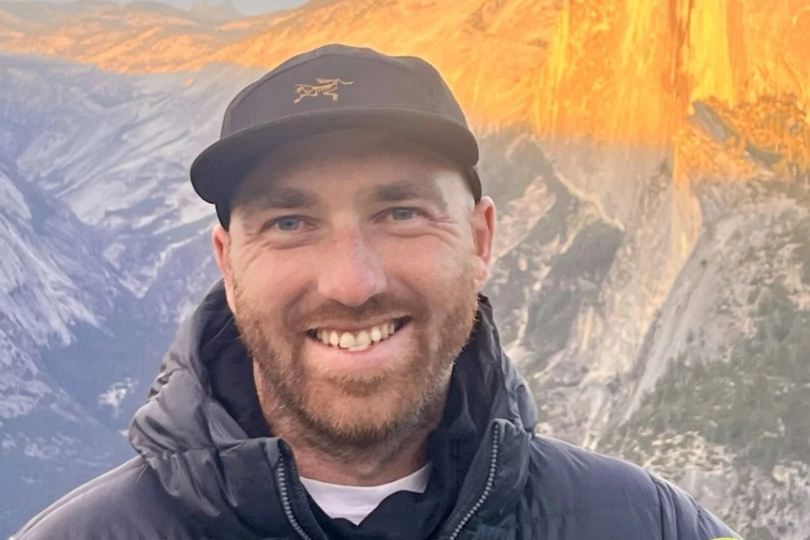
For those exploring cross country skiing for beginners, classic skiing is the easiest starting point because it uses a natural walking-style kick-and-glide motion on groomed parallel tracks. Unlike the more intense side-to-side movement of skate skiing, classic technique allows newcomers to find their balance quickly while enjoying a low-impact winter sport.
Choosing Your Discipline: Classic vs. Skate Skiing
When you first arrive at a Nordic center, you will notice two distinct types of movement on the snow. Understanding the difference between classic vs skate skiing for beginners is the first step in planning your trip. Classic skiing is the traditional form of the sport. It takes place in two pre-cut parallel tracks and involves a movement very similar to walking or running. You push off with one foot—the kick—and slide forward on the other—the glide. Because it mimics your natural gait, most people can get moving comfortably within their first hour on the snow.
In contrast, skate skiing looks more like ice skating or rollerblading. It requires a wider groomed corduroy surface rather than tracks. Skaters push their skis out at an angle to create forward momentum. While skate skiing is faster and offers a incredible winter aerobic exercise, it demands significantly more core strength and balance. For your very first outing, sticking to the tracks with classic gear is almost always the better choice to ensure you spent more time moving and less time falling.
| Feature | Classic Skiing | Skate Skiing |
|---|---|---|
| Primary Motion | Linear kick-and-glide | Lateral V-shaped push |
| Trail Requirement | Set parallel tracks | Wide groomed corduroy |
| Difficulty for Beginners | Low - Very accessible | Moderate to High |
| Ski Design | Longer with a distinct grip zone | Shorter and stiffer |
| Pole Length | Should reach your shoulder | Should reach your chin or nose |
The Essential Cross Country Ski Gear Checklist
Walking into a rental shop can be overwhelming if you do not know what to ask for. Your cross country ski gear checklist is different from what you would use for downhill skiing. Nordic equipment is designed for mobility and breathability rather than high-speed impact protection.
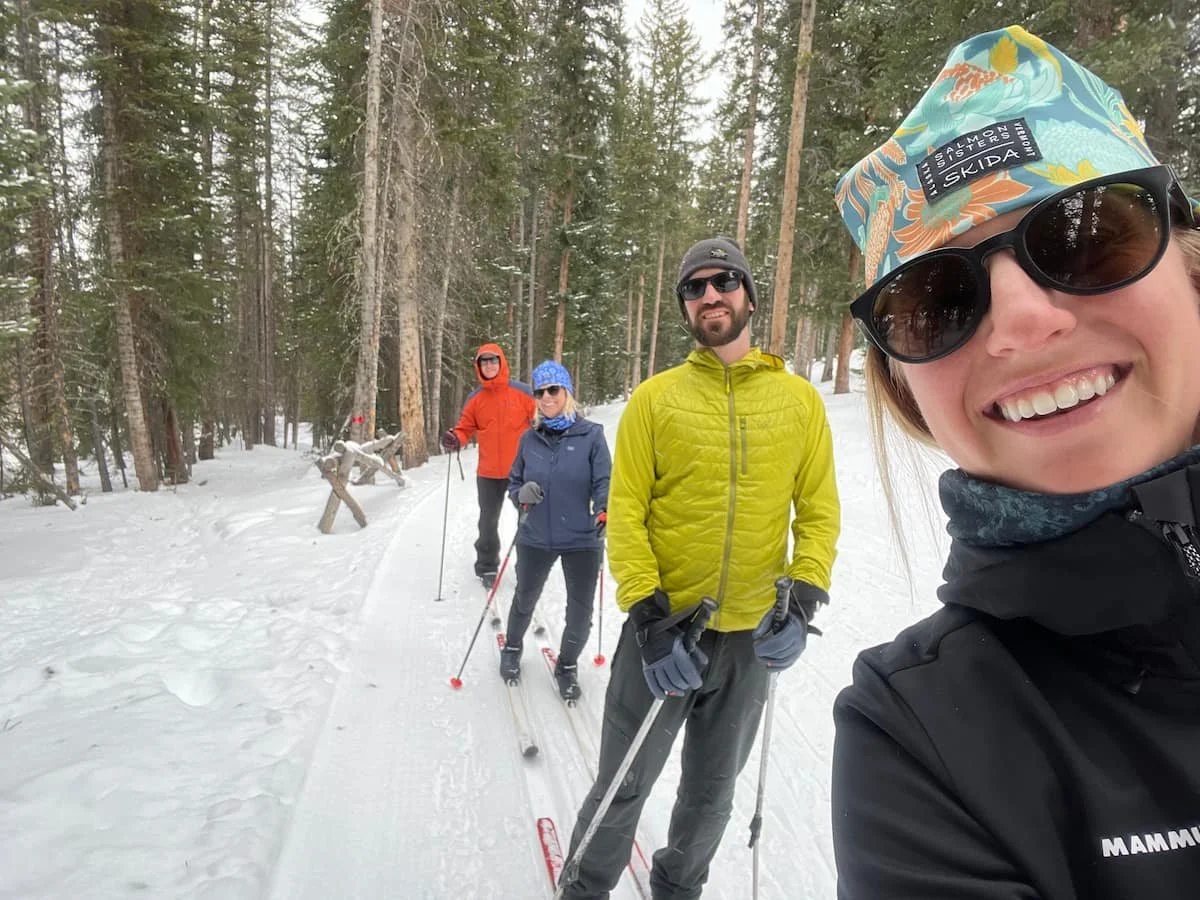
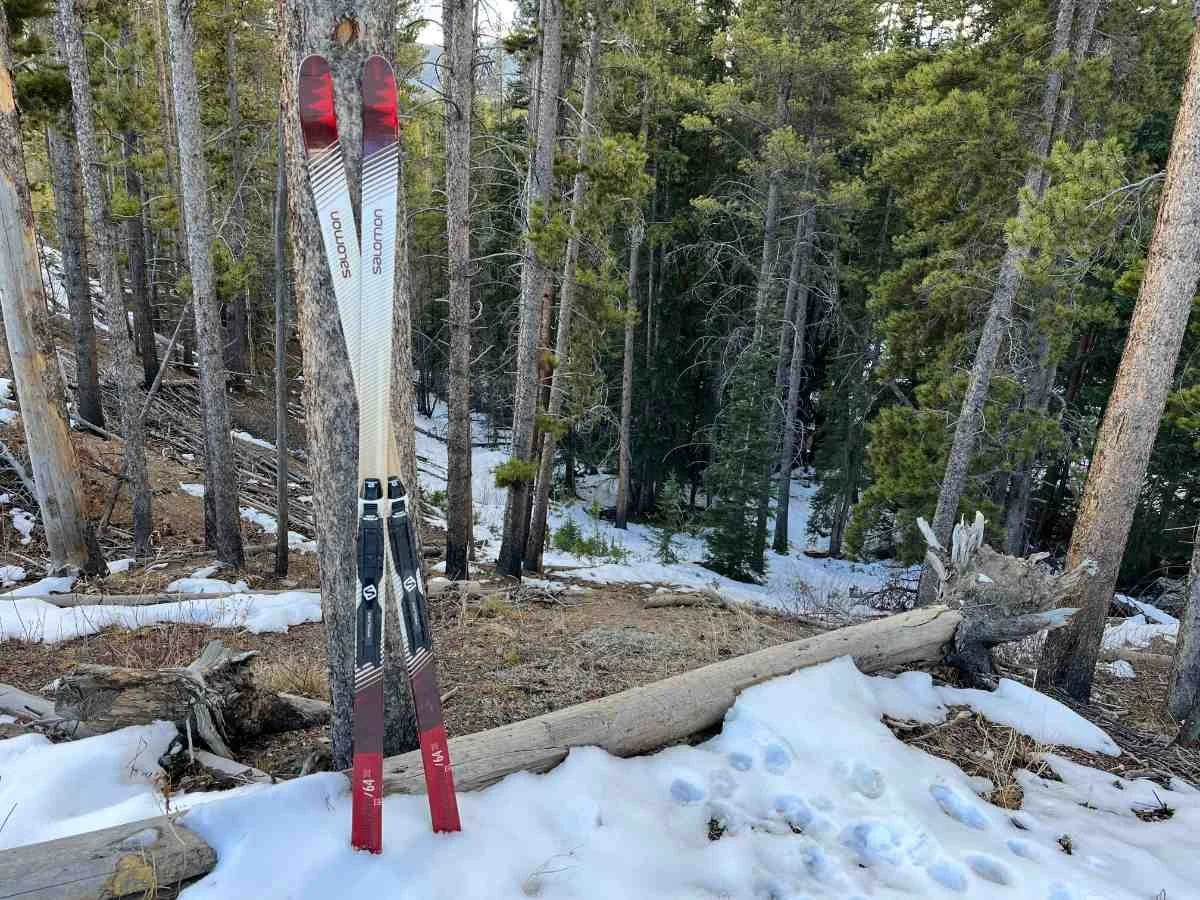
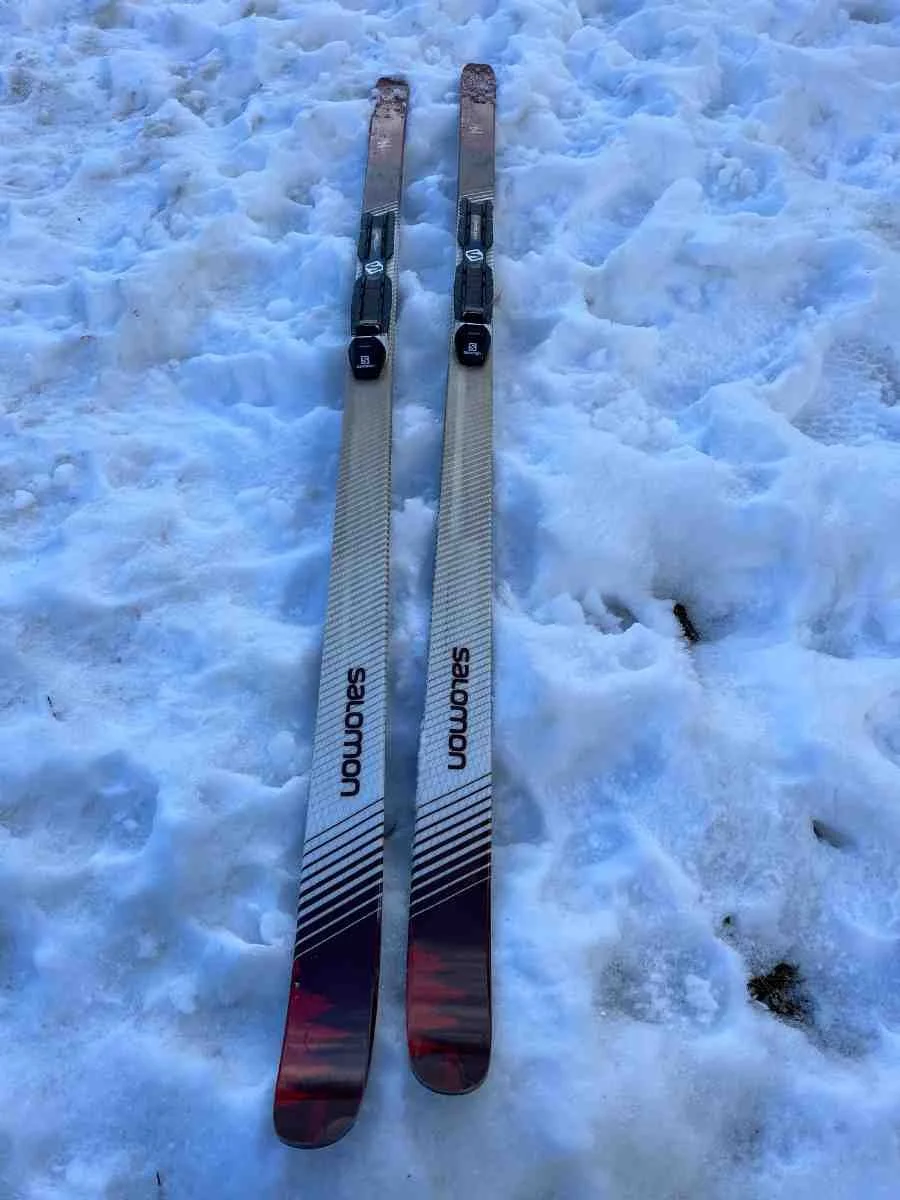
The most important technical aspect for beginners is NNN compatibility. This stands for New Nordic Norm, a binding system where a metal bar on the toe of your boot clicks into a slot on the ski. This allows your heel to lift freely, which is essential for the kick-and-glide motion. You also need to choose between waxable vs waxless skis. For a first-timer, waxless is the only way to go. These skis feature fishscale bases—a textured pattern under the foot that grips the snow—or integrated skins. This ensures you have traction for going uphill without needing to master the complex science of choosing the right grip wax for the temperature.
Beginner Gear Checklist
- Skis: Look for touring skis with an hourglass sidecut (wider at the tips and tails) for better stability.
- Boots: Choose touring boots that offer a mix of comfort and ankle support.
- Bindings: Ensure NNN compatibility between your boots and skis.
- Poles: Aluminum or composite poles with comfortable straps.
- Small Pack: To carry water, snacks, and extra layers.
Many newcomers wonder about renting vs buying cross country ski equipment for first timers. I always recommend renting for your first three outings. This allows you to test different boot fits and determine if you prefer classic or skate styles before investing several hundred dollars in a setup.
Classic Pole Length Guide
| Skier Height (cm) | Recommended Pole Length (cm) |
|---|---|
| 150 cm | 125 cm |
| 160 cm | 132 cm |
| 170 cm | 140 cm |
| 180 cm | 150 cm |
| 190 cm | 157 cm |
How to Dress: The Nordic Layering Guide
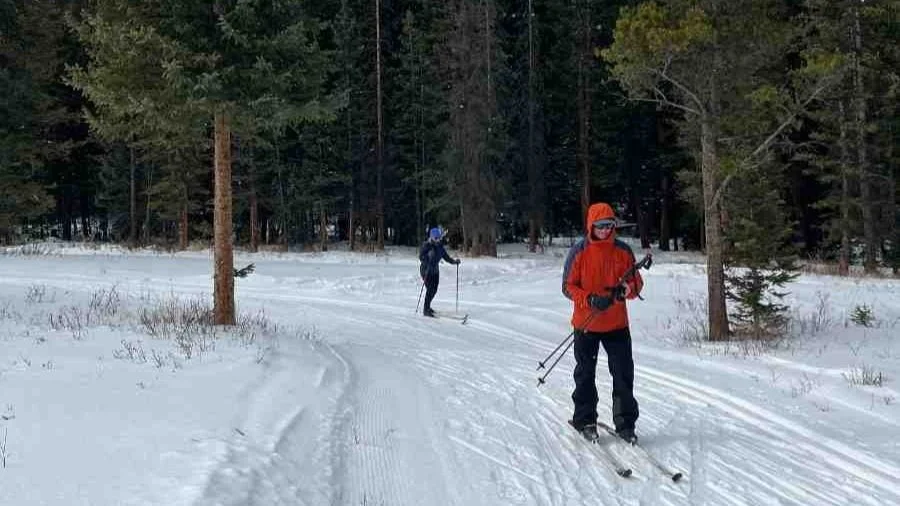
The biggest mistake beginners make is dressing like they are going downhill skiing. Because cross country skiing is one of the most effective aerobic exercises, your body will generate a massive amount of heat. If you wear a heavy alpine parka, you will be soaked in sweat within twenty minutes, which eventually leads to getting dangerously cold once you stop.
The golden rule in our how to dress for cross country skiing layering guide is to avoid cotton at all costs. Cotton traps moisture against your skin. Instead, rely on moisture-wicking synthetics or wool.
- Base Layer: A thin, tight-fitting synthetic or merino wool top and bottom.
- Mid Layer: A light fleece or a breathable "active" insulation jacket if it is exceptionally cold.
- Outer Layer: A windproof softshell jacket and pants. These protect you from the breeze but allow sweat vapor to escape.
- Accessories: Thin gloves (not heavy mittens), a light beanie, and wool socks.
Pro Tip: The Start Cold Principle You should feel slightly chilly when you step out of your car at the trailhead. This is the "Start Cold" principle. within ten minutes of skiing, your heart rate will rise and you will feel perfectly comfortable. If you are warm while standing in the parking lot, you are wearing too many layers.
Master the Trails: Technique, Safety, and Etiquette
Once you are on the snow, focus on your weight transfer. Beginners often try to shuffle their feet, but the "glide" only happens when you move your entire body weight onto one ski at a time. Keep a low athletic stance with your knees slightly bent and your chest forward. Think of it like a rhythmic lunge.
Safety and nordic skiing etiquette tips are vital for keeping the trails enjoyable for everyone. Most Nordic trails are multi-directional or have specific flow patterns, so always check the map at the trailhead warming huts.
- Uphill Right-of-Way: Generally, the skier coming uphill has the right-of-way because it is harder for them to regain momentum once stopped. However, on steep hills, a descending skier moving at high speed may need the space—use your best judgment and communicate.
- Don't Walk on the Tracks: Never walk in your boots on the groomed corduroy or the set tracks. This creates deep "post-holes" that can trip skiers or damage expensive equipment.
- The "Fill Your Hole" Rule: If you fall and leave a large dent in the snow (often called a "bathtub"), try to smooth the snow back over before you move on.
- Passing: When approaching a slower skier from behind, a polite shout of "On your left!" is the standard way to ask for space to pass.
For those concerned about beginner cross country skiing safety tips for cold weather, always carry a small snack and water. Even though it is cold, the high aerobic output means you will dehydrate quickly. If you are skiing in a remote area, tell someone your planned route and expected return time.
Finding the Best Places to Learn
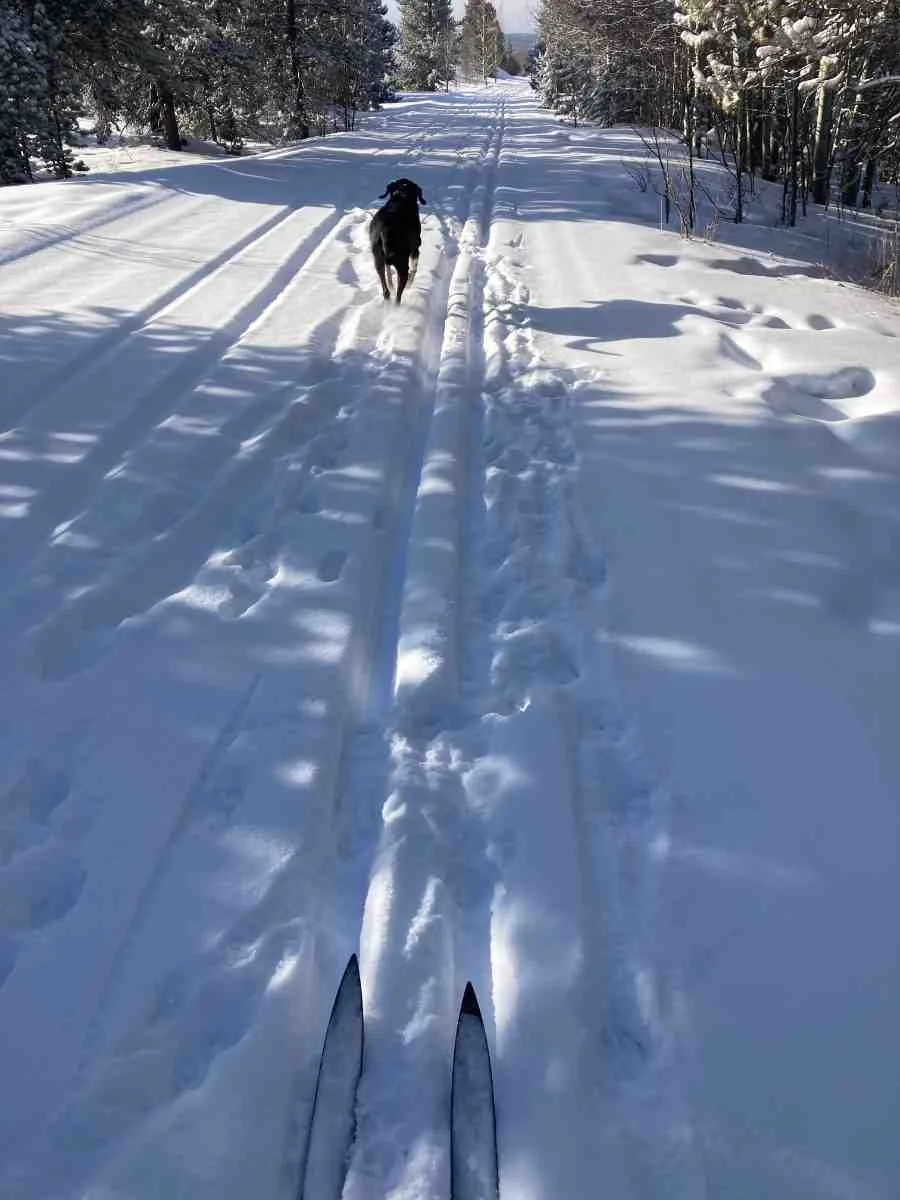
While you can technically ski anywhere there is snow, looking for the best places to learn cross country skiing nordic centers will drastically improve your first experience. Nordic centers offer professionally groomed trails, which are much easier to navigate than "breaking trail" in the backcountry.
These centers often feature:
- Rental Shops: Specific gear sized correctly for your height and weight.
- Professional Lessons: A one-hour lesson can save you weeks of frustration by teaching you proper weight transfer and braking techniques.
- Trailhead Warming Huts: Places to rest, eat your lunch, and dry out your gear.
- Marked Difficulty Levels: Trails are usually color-coded like downhill runs (Green for easy, Blue for intermediate, Black for expert).
Starting at a dedicated center ensures the snow is consistent and the environment is controlled. Most centers also provide updated trail reports so you know exactly what the conditions are like before you leave home.
FAQ
Is cross country skiing hard for beginners?
While it requires some aerobic fitness, the basic movement of classic skiing is very intuitive. Most beginners find they can enjoy a few miles of trails on their very first day, though mastering the efficiency of the glide takes practice.
What equipment do I need to start cross country skiing?
You will need Nordic-specific skis, boots, poles, and bindings. For beginners, it is best to use waxless touring skis with fishscale bases and NNN compatibility to ensure the gear is easy to use and maintain.
What should a beginner wear for cross country skiing?
Avoid heavy alpine gear and cotton. Use a three-layer system consisting of a moisture-wicking synthetic base layer, a light insulating mid-layer, and a windproof softshell outer layer. Remember to wear thin, breathable gloves and a light hat.
Is cross country skiing easier than downhill skiing?
In terms of safety and the learning curve for "getting moving," cross country is often considered easier. There are no chairlifts to navigate and the speeds are much lower. However, it is more physically demanding as a workout.
What is the difference between classic and skate skiing for beginners?
Classic skiing uses a straight-ahead movement in tracks and is very beginner-friendly. Skate skiing uses a V-shaped motion on flat snow and requires more balance and cardiovascular endurance, making it a more challenging starting point for most people.