Our Top Picks
- Best Overall: Helly Hansen Alpha LifaLoft — The perfect balance of warmth and athleticism.
- Best Resort Shell: Arc'teryx Sabre — Unmatched durability and weather protection for dedicated lift-lapping.
- Best Value: REI Co-op First Chair GTX — Professional-grade hardshell performance at an entry-level price.
- Best Budget: GEMYSE Mountain Fleece — A functional, warm option for casual skiers looking to stay under $100.
- Most Versatile: 686 Smarty 3-in-1 Form — Exceptional modularity that adapts to any weather condition.
The best men's ski jackets for 2026 include the Helly Hansen Alpha LifaLoft for overall performance and the Arc'teryx Sabre for resort shell protection. For value, the REI Co-op First Chair GTX offers reliable Gore-Tex waterproofing at a lower price point, while the GEMYSE Mountain Fleece provides a functional option for occasional skiers under $100. 3-in-1 models like the 686 Smarty are also highly rated for their modular versatility across varying temperatures.
| Model | Category | Waterproofing | Best Use |
|---|---|---|---|
| Helly Hansen Alpha | Insulated | 20,000mm | All-Mountain Resort |
| Arc'teryx Sabre | Hardshell | GORE-TEX 3L | Premium Resort/Sidecountry |
| REI First Chair | Hardshell | GORE-TEX 2L | Budget Performance |
| 686 Smarty | 3-in-1 | 20,000mm | Variable Weather |
| Patagonia Powder Town | Insulated | H2No 2L | Sustainability Focus |
| Arc'teryx Rush | Hardshell | GORE-TEX Pro | Backcountry Touring |
How We Tested: 125 Days on the Mountain
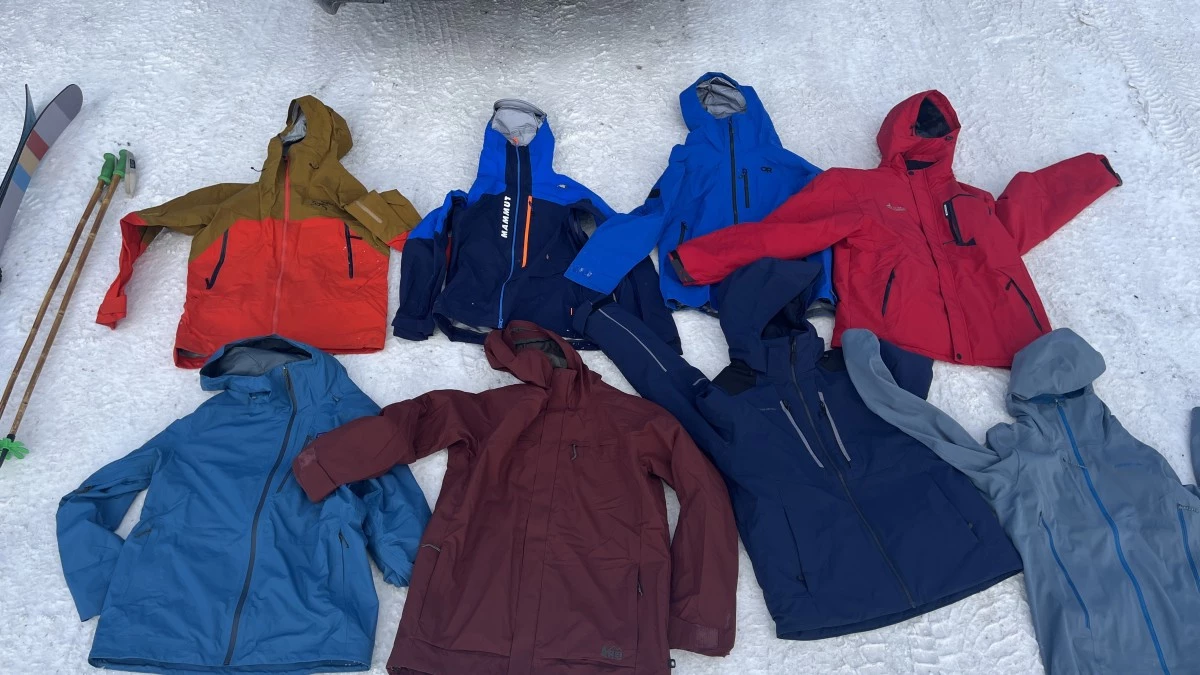
To select the best men's ski jackets of 2026, our team of dedicated gear testers spent over 125 days in the field. We didn't just stand in the snow; we lived in these garments across three continents, from the rugged peaks of RED Mountain in British Columbia to the high-alpine groomed runs of the Dolomites.
Our protocol involves a multi-stage evaluation. Every jacket undergoes a 5-minute shower test to check that the Fully taped seams and the Durable Water Repellent (DWR) coating hold up under sustained pressure. We then take them onto the mountain to score them across five weighted categories: Thermal performance (20%), weather resistance (20%), mobility (20%), breathability (20%), and functional features (20%). We look for high Hydrostatic head rating numbers on the spec sheets and verify them through technical layering drills on the skin track and during high-speed descents.

Best Overall & Resort Performance
For the pragmatic resort skier who needs high-end protection and all-day comfort, the Helly Hansen Alpha LifaLoft remains the king of the mountain. This jacket utilizes 80g of synthetic insulation that is lighter and warmer than traditional fill, allowing for a sleek, non-bulky profile. The HELLY TECH Professional fabric offers 20,000mm waterproofing, ensuring you stay dry even during a Pacific northwest storm.
The Arc'teryx Sabre sits at the top of the food chain for those who prefer a shell. It is built with a rugged 80D face fabric and a brushed flannel backer that adds a touch of warmth and comfort against mid-layers. This is a top rated 3-in-1 ski jackets for resort skiing choice when paired with a standalone puffer, though technically it is a standalone shell. It features a massive Helmet-compatible hood and deep Pit zips for rapid cooling.
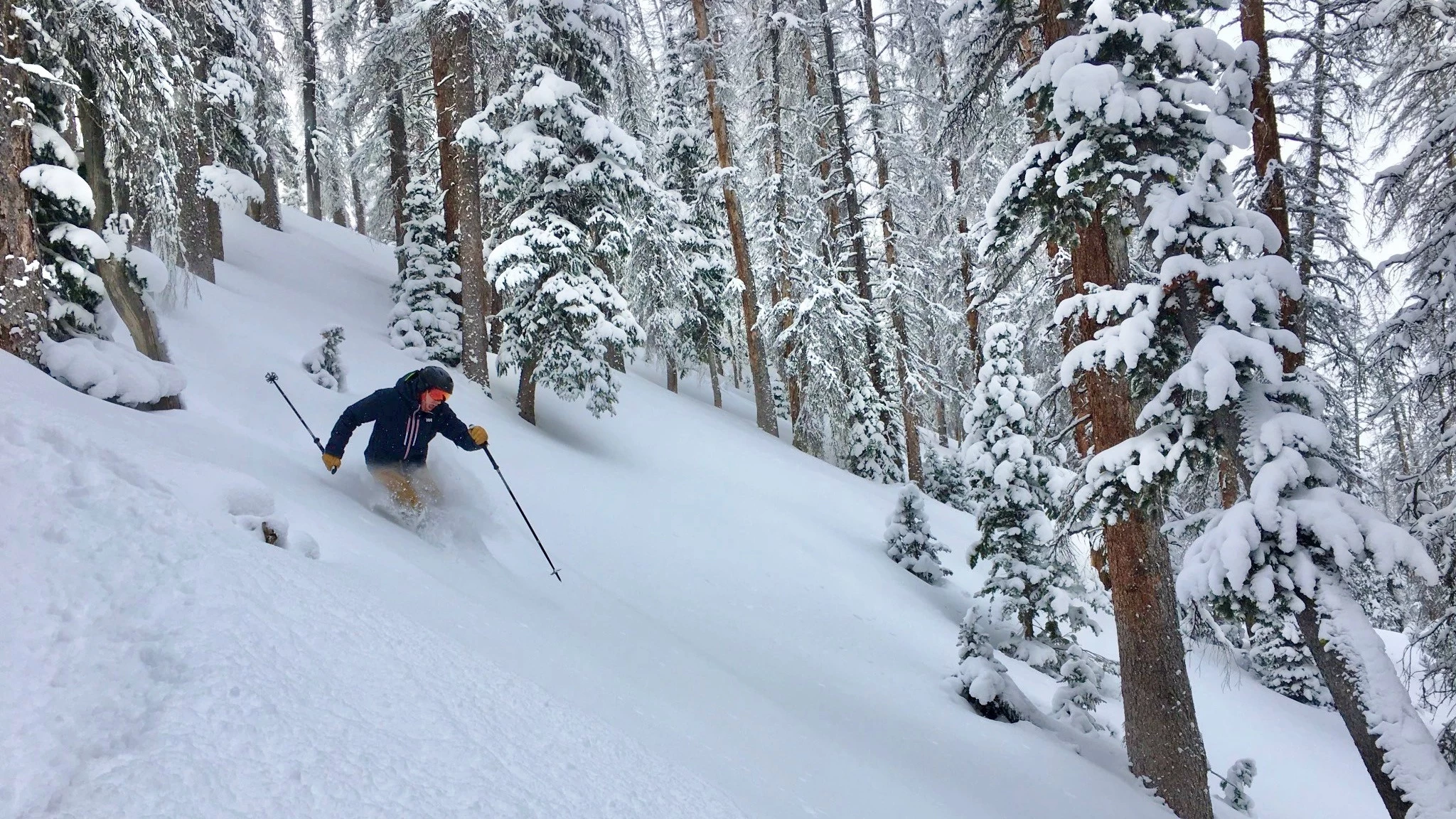
1. Helly Hansen Alpha LifaLoft
- Pros: Exceptional warmth-to-weight ratio; Life Pocket+ preserves phone battery in extreme cold.
- Cons: Athletic fit can feel tight for skiers who prefer a baggy aesthetic.
- Tester Field Notes: The 4-way stretch fabric is the real hero here. I never felt restricted, even when tucking through tight glades at high speeds.
2. Arc'teryx Sabre
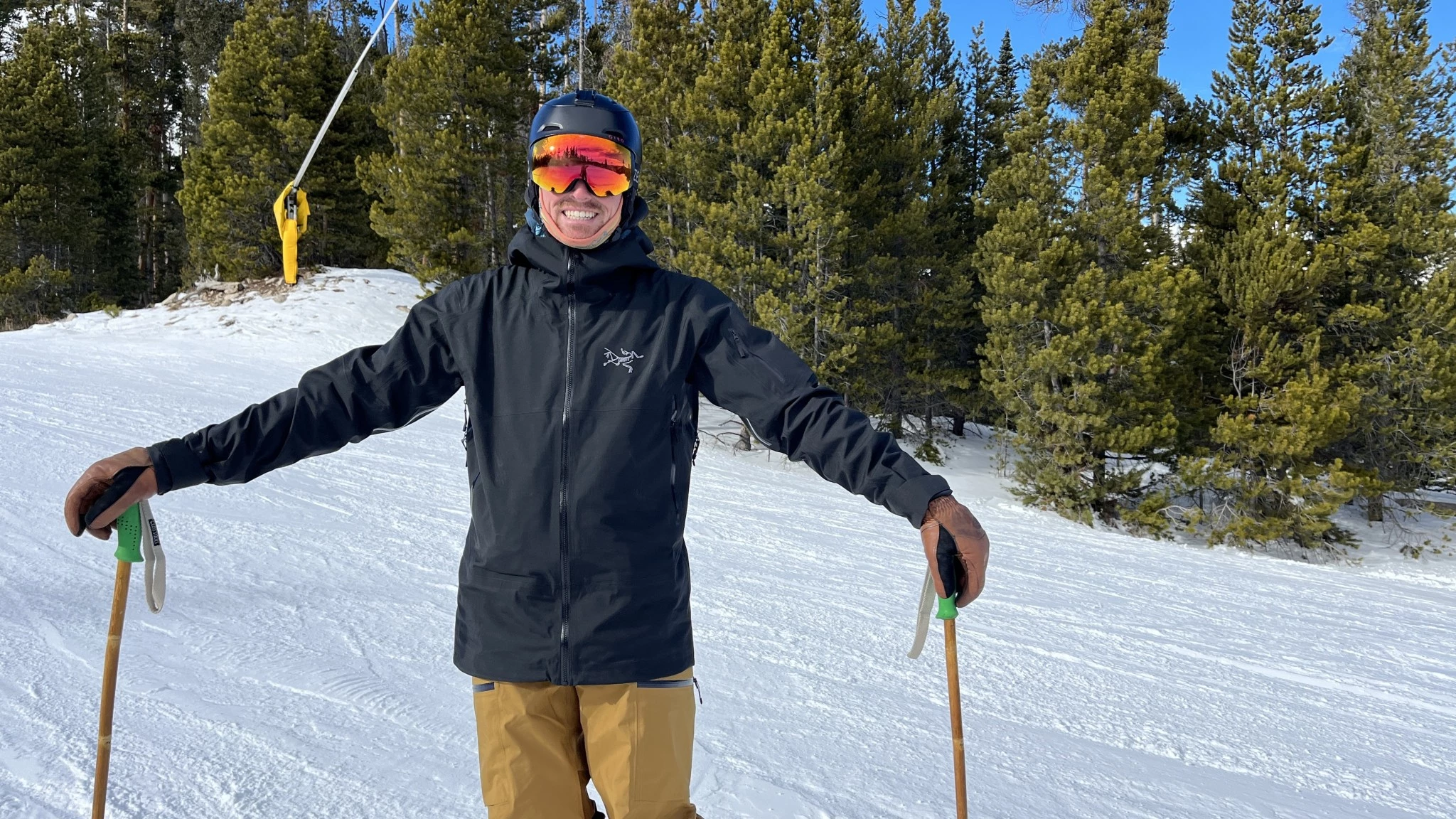
- Pros: Bomproof GORE-TEX construction; integrates perfectly with Sabre pants.
- Cons: Very expensive; overkill for casual blue-square cruisers.
- Tester Field Notes: After 20 days of heavy use, the Sabre looks brand new. The Windproof construction is so solid it feels like a personal fortress against the wind chill.
3. Patagonia Powder Town Insulated
- Pros: Fully recycled fabric; PFC-free DWR is better for the environment.
- Cons: Boxy fit lacks the technical feel of the Alpha.
- Tester Field Notes: This is one of the warmest synthetic insulated men's ski coats we've tried that doesn't feel like a heavy parka.
Best Men's Ski Shells for Backcountry and Touring
When you're heading beyond the ropes, the requirements change. You need the best men's ski jackets for backcountry touring that prioritize breathability and weight over raw insulation. This category is currently seeing a massive shift as brands move toward GORE-TEX ePE, a more sustainable, PFC-free membrane that maintains top rated men's ski shells performance levels.
The Arc'teryx Rush is our gold standard here. At roughly 590g, it stays out of your way on the uphill while providing elite protection on the descent. For something even lighter, the Black Diamond Recon Shell offers a 4-way stretch that moves with your body during technical kick-turns.
4. Arc'teryx Rush
- Pros: Minimalist design with maximum durability; ePE membrane is an industry-leading sustainable tech.
- Cons: No hand pockets (designed for use with a backpack hip belt).
- Tester Field Notes: The breathability during a 2,000-vertical-foot skin in the Dolomites was astounding. I barely had to crack the Pit zips.

5. Outdoor Research Hemispheres II
- Pros: Unique GORE-TEX Stretch panels; unrivaled range of motion.
- Cons: Stretch panels can feel slightly colder in high winds.
- Tester Field Notes: The Articulated fit makes this the most comfortable shell for high-exertion activities.
6. Mammut Haldigrat HS
- Pros: Long cut provides extra protection from deep powder; great pocket layout.
- Cons: European sizing runs small.
Best Value & Budget Options: High Performance for Less
Skiing is an expensive sport, but your gear doesn't have to break the bank. We found that the current men's segment of the market, which is part of a global industry valued at approximately USD 1.4 billion, is increasingly offering high-tech features at lower price points. With a projected annual growth rate of 5.3% through 2033, manufacturers are competing harder for the budget-conscious consumer.
The REI Co-op First Chair GTX is the standout. It uses a 2-layer GORE-TEX membrane that provides better waterproof reliability than most affordable waterproof ski coats. For those looking for affordable waterproof ski jackets under 100 dollars, the GEMYSE Mountain Fleece is a surprisingly competent option for occasional weekend trips.
7. REI Co-op First Chair GTX
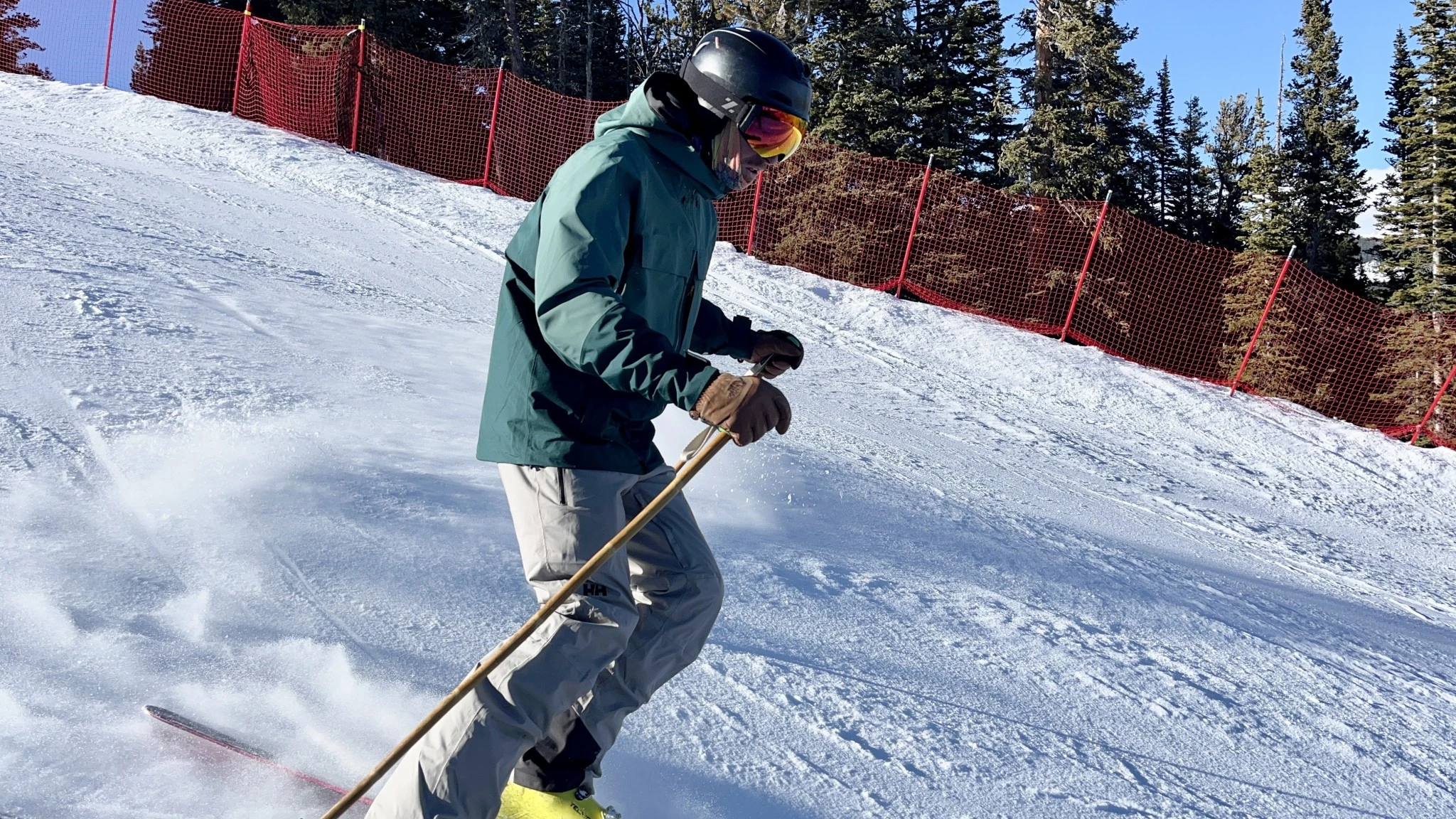
- Pros: Genuine GORE-TEX performance at half the price of premium brands.
- Cons: Style is a bit basic; heavier than high-end shells.
- Tester Field Notes: It lacks the fancy RFID pass pocket locations of some others, but in terms of keeping you dry, it punches way above its weight class.
8. GEMYSE Mountain Fleece Jacket
- Pros: Unbeatable price; includes a warm fleece lining.
- Cons: Water resistance will fade over time; low breathability.
- Tester Field Notes: Perfect for a beginner's first season. It’s warm enough for a cold day at a local hill, even if it won't survive an Alaskan blizzard.
9. Columbia Whirlibird IV Interchange
- Pros: True 3-in-1 versatility; Omni-Heat reflective lining.
- Cons: Bulky when all layers are zipped together.
Buying Guide: Hardshell vs Insulated Ski Jackets
Choosing the right outer layer is the most important gear decision you'll make. The debate often boils down to hardshell vs insulated ski jackets for men.
Hardshell ski jackets provide a waterproof and windproof barrier without adding bulk, making them ideal for high-exertion backcountry touring or skiers who prefer layering. They are the versatile "outer skin" of your technical layering system. On the other hand, Insulated jackets feature built-in synthetic or down fill for consistent warmth, which is better suited for cold resort days and lift rides where you aren't moving to generate heat.
When selecting a premium ski jacket, prioritize features like Pit zips for ventilation, a Helmet-compatible hood, and a waterproof-breathable membrane with Fully taped seams. Functional details such as RFID pass pockets, Powder skirts, and RECCO rescue reflectors add convenience and safety on the mountain. Additionally, look for an Articulated fit and Durable Water Repellent (DWR) finishes to ensure freedom of movement and moisture protection.
Technical Sidebar: The Move to ePE You will notice many 2026 models moving away from traditional GORE-TEX to GORE-TEX ePE. This new membrane is thinner, lighter, and free of "forever chemicals" (PFCs). While it requires a slightly more frequent wash to maintain the DWR, it offers a sustainable future without sacrificing the Hydrostatic head rating you expect from the best men's ski jackets.
10. The North Face Thermoball Eco Snow Triclimate
- Features a recycled synthetic liner that mimics down.
- Great for skiers who like to use their inner jacket as a casual piece around town.
11. Flylow Albert Jacket
- A "tough-as-nails" resort jacket inspired by workwear.
- High Thermal performance with 60g of Primaloft.
12. Black Diamond Mission Shell
- A technical beast designed for those who spend more time off-piste than on it.
- Features a dedicated pocket for an avalanche beacon.
13. Trew Gear Cosmic Jacket
- Direct-to-consumer value with incredibly high specs.
- Known for its iconic style and vibrant colorways.
14. 686 Smarty 3-in-1 Form
- Includes a removable puffer liner and a shell with 20,000mm waterproofing.
- The ultimate choice for someone who only wants to own one jacket for every scenario.
FAQ
What features should I look for in a men's ski jacket?
You should prioritize a high waterproof rating and breathability. Essential features include a Powder skirts to keep snow from getting up your back, Pit zips for dumping heat, and a Helmet-compatible hood. Look for Fully taped seams to ensure water doesn't leak through the stitching, and RECCO rescue reflectors for an added layer of safety in mountain environments.
Is it better to buy an insulated ski jacket or a shell jacket?
It depends on your skiing style. If you primarily ski at resorts and get cold easily, an insulated jacket is more convenient. If you do backcountry touring or prefer to adjust your warmth using varied base layers, a shell jacket offers more versatility. Shells are better for temperature regulation during high-intensity movement.
What is a good waterproof rating for a ski jacket?
For casual resort skiing, a rating of 10,000mm is sufficient. However, if you ski in wet coastal climates or spend long days in stormy conditions, you should look for 20,000mm or higher. This ensures the Windproof construction and moisture barrier remain effective even under the pressure of backpack straps or sitting on wet chairlifts.
Are expensive ski jackets worth the investment?
Generally, yes, if you ski frequently. High-end jackets from brands like Arc'teryx or Helly Hansen use more durable face fabrics and superior membranes that last for many seasons. They also offer better mobility through an Articulated fit and more efficient Thermal performance. However, for a one-week-a-year trip, a mid-range value jacket is often more than enough.
Should a ski jacket fit tight or loose?
A ski jacket should have a tailored but comfortable fit. It needs to be loose enough to accommodate layers like a fleece or a light down vest underneath without restricting your movement. However, it shouldn't be so loose that cold air can easily circulate inside, which would compromise your heat retention.