Our Top Picks
- Best Overall MTB Eyewear: Smith Wildcat – A versatile hybrid that offers the coverage of a goggle with the airflow of a standard frame. Includes photochromic cycling sunglasses options for mixed light.
- Best Road Racing Performer: Roka SR-1X – Engineered for high-speed aerodynamics with an 8-base wrap curvature that eliminates wind buffeting.
- Best Lightweight Performance: Julbo Density – At just 19g, these provide high coverage cycling sunglasses benefits without the weight penalty.
- Best Value for Budget Riders: Tifosi Moab – Exceptional ventilation ports and photochromic features at a price point that undercuts the competition.
To choose the best cycling sunglasses, prioritize a secure fit that prevents slipping during high-intensity efforts and consider the frame ventilation to reduce fogging in humid conditions. Look for impact-resistant polycarbonate lenses with 100% UV protection and a coverage style that matches your discipline—either goggle-like designs for maximum protection in mountain biking or aggressive wraparound frames for high-speed road aerodynamics.
Best cycling sunglasses, photochromic cycling sunglasses, best mtb eyewear. We have spent hundreds of hours in the saddle testing everything from high-alpine descents to humid coastal road sprints to bring you this definitive list.
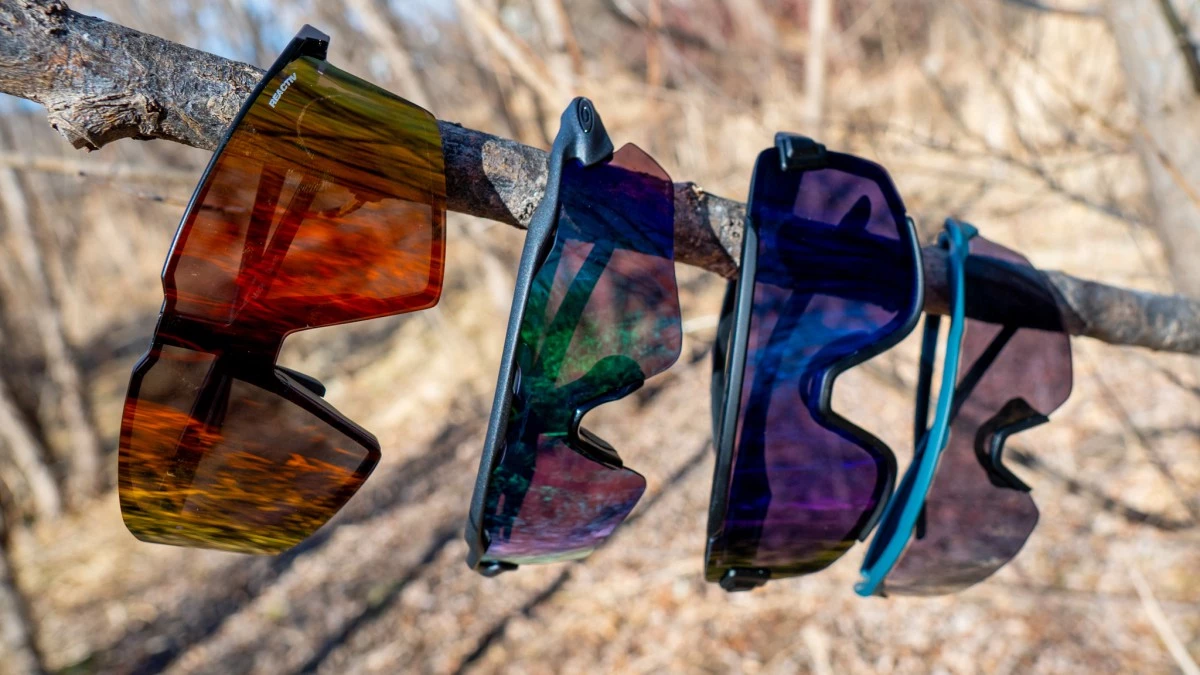
| Model | Weight | VLT Range | Best Use |
|---|---|---|---|
| Smith Wildcat | 32g | 7% - 45% (Photochromic) | All-Mountain / Enduro |
| Roka SR-1X | 26g | 12% - 58% (Various) | Road Racing / Crits |
| Julbo Density | 19g | 12% - 87% (Reactiv) | Endurance / Gravel |
| Tifosi Moab | 31g | 15% - 74% (Fototec) | Budget All-Rounder |
| KOO Alibi | 28g | 11% - 23% | Small Faces / Style |
The Gold Standard: Best Overall Performance
The landscape of cycling eyewear is shifting. We are seeing a massive emphasis on versatility and technical protection. Currently, the global cycling sunglasses market is projected to be valued at approximately USD 985 million in 2026, with performance-oriented models accounting for nearly 42% of the total market share. This high-performance tier is where we find the Smith Wildcat and the Julbo Density.
When we tested the Smith Wildcat, the standout feature was the TR90 frame material. This thermoplastic is incredibly resilient yet flexible enough to contour to various head shapes. It uses Megol rubber grips on the nose and temples, which actually become tackier as you sweat—a crucial feature when you are rattling down a technical rock garden. For those who frequently transition from deep forest canopies to open ridgelines, the photochromic cycling sunglasses capability of the Wildcat is the gold standard. It utilizes ChromaPop optics to filter light crossovers that cause color confusion, resulting in sharper definition of the trail ahead.

Technical Specs: Smith Wildcat
- Weight: 32g
- VLT Range: 7% to 45% (ChromaPop Photochromic)
- Frame Material: TR90 and TPU
- Lens Curvature: 5-base cylindrical
On the lightweight side, the Julbo Density offers a minimalist approach without sacrificing protection. In our testing, the 19g weight made these glasses virtually disappear on the face. Adoption of adaptive lens technologies increased by nearly 18% worldwide in 2025, and Julbo’s Reactiv technology is a primary reason why. Their lenses can transition from Category 0 to Category 3, handling everything from midnight gravel rides to bright glacier sun.
Mountain Bike & Trail Specialists
For the mountain biker, the challenges are unique: dappled light, high humidity, and the occasional branch to the face. The best photochromic cycling sunglasses for mixed light conditions must be able to lighten fast enough so you aren't riding blind when entering a wooded section. We found that the Smith Wildcat and the Glade Ramble excel here because they provide a massive peripheral field of view, allowing you to spot lines through corners without moving your head excessively.
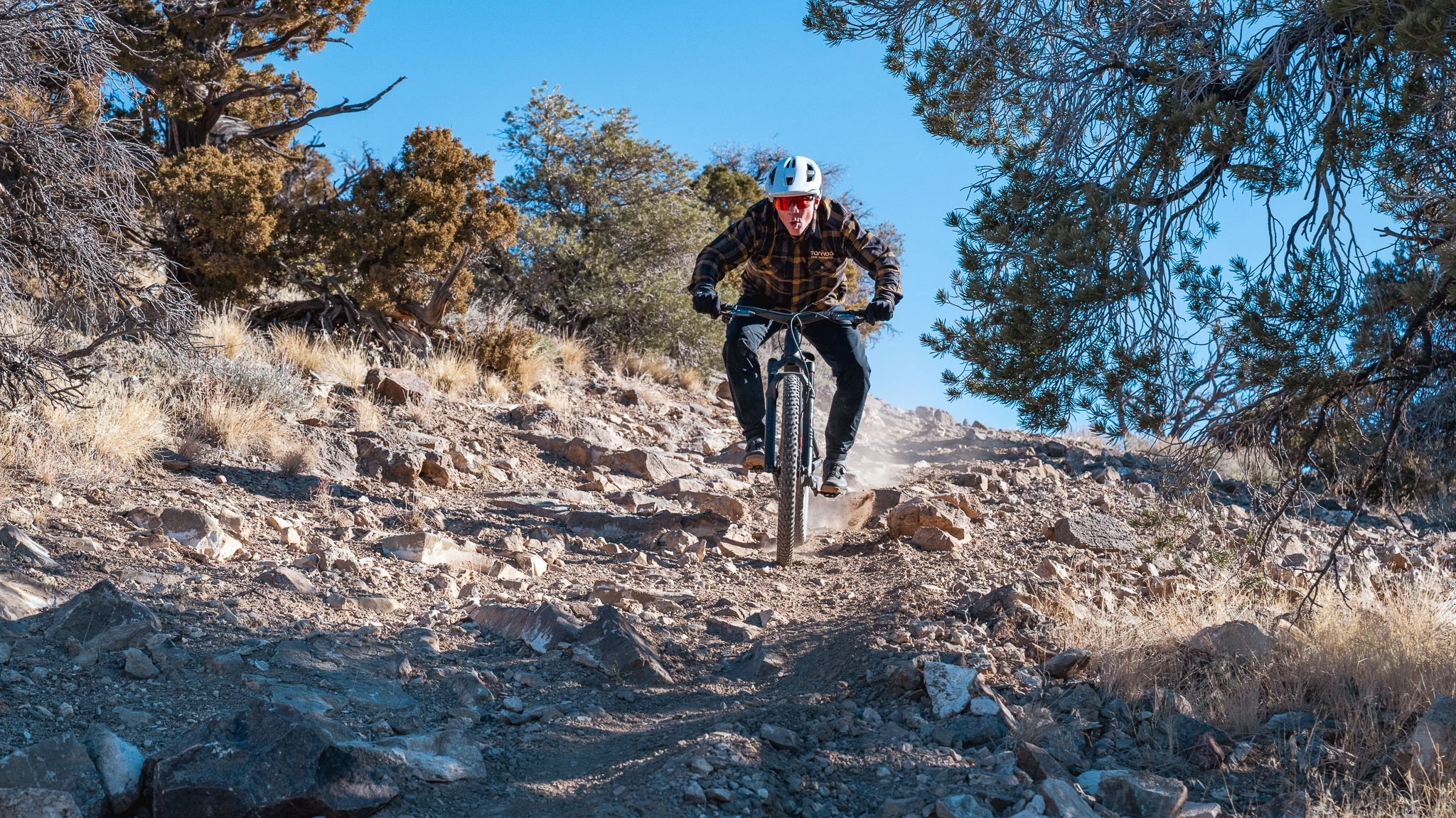
Ventilation is the other half of the battle. In terms of the best cycling sunglasses for fog prevention in humid weather, we look for designs with physical gaps between the lens and the frame or dedicated Ventilation ports. The Glade Ramble uses a strategic Hydrophobic coating on both sides of the lens. This not only sheds rain and mud but prevents moisture from clinging to the interior surface when you are climbing at low speeds.
If you are a rider who pushes the limits of speed in the trees, protection is paramount. To meet the ANSI Z87.1 high-velocity impact standard, cycling eyewear must withstand the impact of a quarter-inch steel ball traveling at a speed of 150 feet per second. Both the Smith and Glade models we tested are designed with this impact-resistant polycarbonate, providing peace of mind when the trail gets rowdy.
Road Racing & High-Speed Aerodynamics
Road cycling is about two things: speed and clarity. When you are traveling at 40mph in a peloton, any optical aberration can lead to a miscalculation. This is where the Roka SR-1X shines. It features an 8-base wrap curvature that follows the natural arc of the human face. This isn't just for style; it creates a pressurized air pocket that prevents High-speed Road Aerodynamics from pushing wind behind the lens, which causes eye watering and blurred vision.
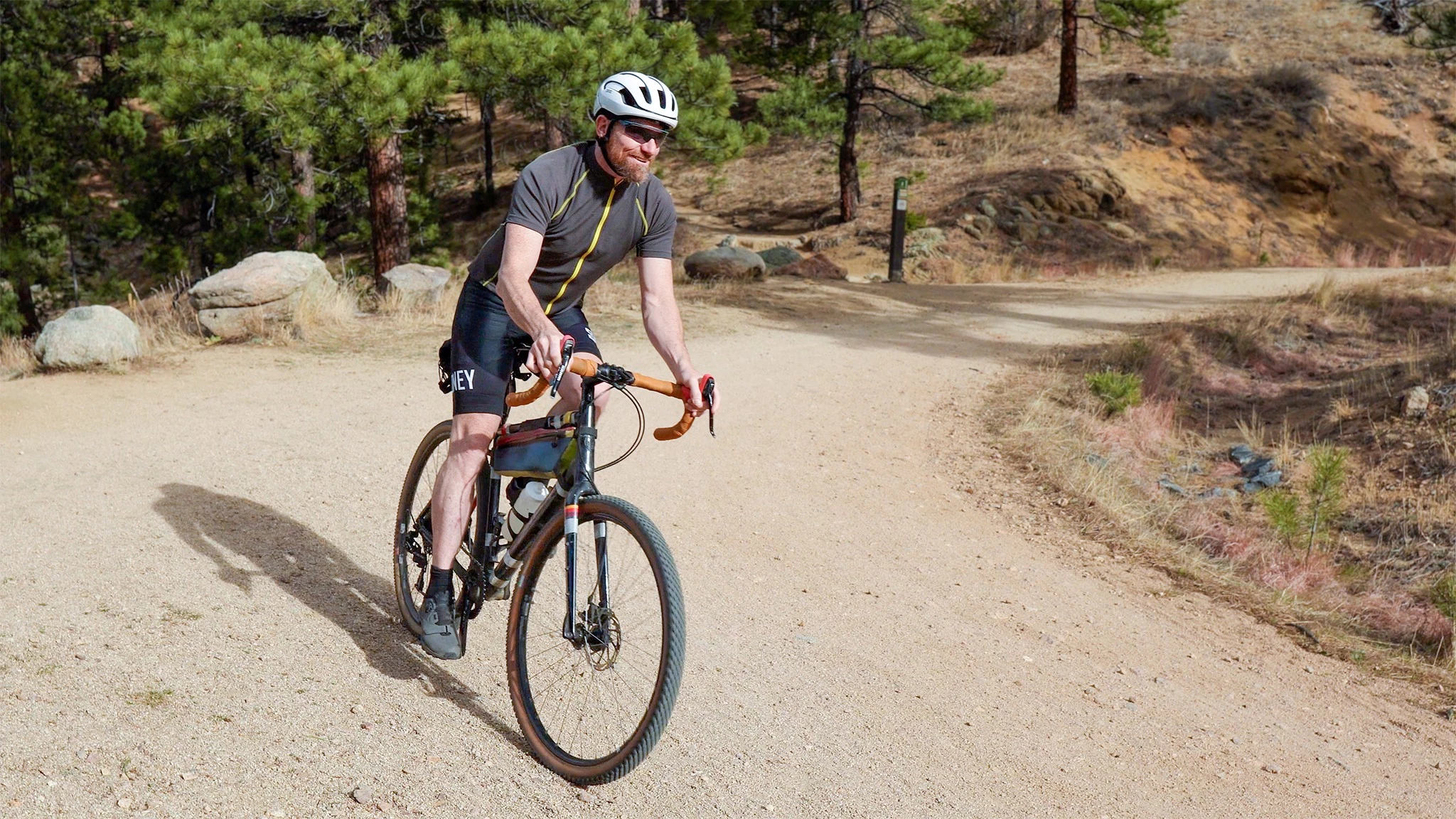
Technical Specs: Roka SR-1X
- Weight: 26g
- VLT Range: Fixed tint (various options)
- Frame Material: TR90
- Special Feature: GEKO fit system
We also evaluated the Oakley Velo Kato, which pushes the boundaries of high coverage cycling sunglasses for large faces. The lens actually wraps over the bridge of the nose, providing a completely unobstructed view even when you are tucked deep into the drops. Road riders often need road cycling glasses with interchangeable lenses for different light, such as a high-contrast lens for cloudy days and a dark iridium for full sun. While the Roka uses a fixed lens system, their cycling sunglasses lens transmission is so finely tuned through Prizm technology and ChromaPop optics that you rarely feel the need to swap.
Budget & Specialized Fit (Small Faces)
Higher performance shouldn't always mean a higher price tag. The Tifosi Moab proved to be an incredible value during our 2026 testing cycle. It offers photochromic cycling sunglasses features that rival brands triple its price. With a flexible TR90 frame material and adjustable nose pieces, it caters to a wide range of riders, including those looking for budget mountain bike sunglasses for beginners.
Technical Specs: Tifosi Moab
- Weight: 31g
- VLT Range: 15% - 74% (Fototec)
- Frame Material: TR90
- Protection: 100% UVA/UVB
Finding the best cycling sunglasses for small faces and narrow heads can be a struggle, as most modern shield designs "swallow" the face. The KOO Alibi is our top recommendation for this persona. The frame is slightly narrower, and the Megol rubber grips are placed specifically to provide a secure fit on smaller temples. It maintains that aggressive shield look but scales it down so it won't interfere with your helmet straps or slip down your nose.
Buyer’s Guide: Understanding Lens Transmission (VLT)
Understanding how to choose cycling sunglasses lens transmission vlt (Visible Light Transmission) is the difference between a comfortable ride and a straining one. VLT is measured as a percentage; the lower the percentage, the darker the lens.
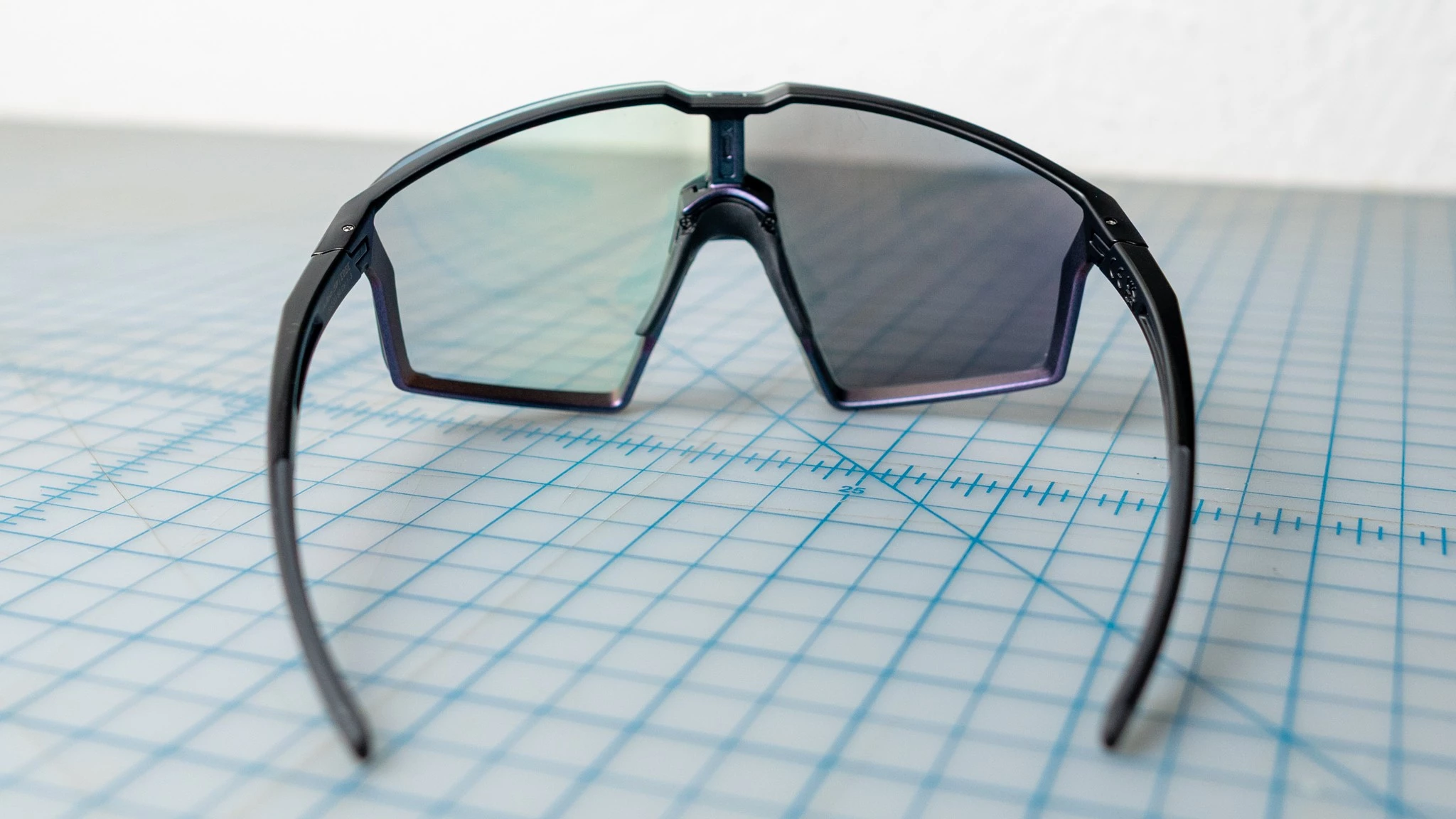
Lens categories are typically broken down like this:
- Category 0: 80-100% VLT (Clear lenses for night riding).
- Category 1: 43-80% VLT (Low light, overcast, or dense woods).
- Category 2: 18-43% VLT (Medium sun or mixed conditions).
- Category 3: 8-18% VLT (Bright, direct sunlight).
- Category 4: 3-8% VLT (Extreme high-altitude sun, usually not for driving or standard cycling).
Photochromic cycling sunglasses are ideal for mixed light conditions because the lenses automatically adjust their visible light transmission based on UV exposure levels. High-quality models offer a versatile range from Category 1 for low-light woods to Category 3 or 4 for bright, high-altitude sun. This technology provides seamless optical transitions, ensuring visibility across varying environments without the need to stop and swap lenses.

Additional coatings also play a role in longevity. An Oleophobic treatment resists finger smudges and facial oils, while an Anti-fog airflow design uses physical vents to keep air moving. When you combine high-end Prizm technology or ChromaPop optics with a quality Hydrophobic coating, you get a lens that stays clear regardless of how hard you are sweating or how much mud the rider in front of you kicks up.
FAQ
What features should I look for in cycling sunglasses?
You should prioritize a secure fit using TR90 frame material and Megol rubber grips to ensure the glasses stay in place. Large shield designs with 100% UV protection and an 8-base wrap curvature are best for wind protection, while Ventilation ports are essential to prevent fogging during slow climbs.
Are polarized lenses better for road cycling?
While polarized lenses are great for reducing glare from water or car hoods, many road cyclists avoid them because they can make it difficult to see "road rash" (slick oil patches) or read digital bike computer screens. For most, a high-contrast, non-polarized lens like Prizm technology is a better balance for identifying road textures.
What is the best lens color for cycling in low light?
For low light or overcast conditions, rose, amber, or yellow tints are best. These colors enhance contrast and depth perception, making it easier to see roots, rocks, and potholes in flat light. A lens with a cycling sunglasses lens transmission of 50% or higher is recommended for these scenarios.
Are photochromic lenses worth it for cyclists?
Absolutely, especially for mountain bikers and gravel riders who move between open fields and dark forests. The ability for the lens to automatically adjust to UV levels means you never have to stop to change glasses. Premium photochromic cycling sunglasses now transition fast enough to be effective even on rapid descents.
How do I choose cycling glasses that fit with a helmet?
Always check the length and shape of the "arms" or temples. The best cycling sunglasses have thin, flat temples that can sit comfortably under or over helmet straps without creating pressure points. Look for models described as having a secure fit with helmet compatibility to ensure they don't interfere with the helmet's retention system.