Quick Facts
- Primary Rule: Never play dead when dealing with a black bear; you must maintain an aggressive stance to survive.
- Weapon Success: Bear spray is recorded as being 98% effective in preventing injury when used correctly.
- Identification: Distinguish species by looking for the rump height relative to the shoulders versus a grizzly shoulder hump.
- Counter-Attack: If physical contact occurs, focus all strikes on the animal's face, muzzle, and eyes.
- Medical: Use backcountry gear like backpack or ATV straps to create improvised tourniquets for severe limb wounds.
- Prevention: Statistics show that more than 50 percent of the recorded incidents involved a dog that was off its leash.
Surviving a black bear ambush requires more than just luck; it demands a specific survival mindset and immediate action. Unlike grizzly encounters, black bear attack survival depends on aggressive resistance. To survive a black bear attack, you must fight back with everything available; do not play dead. Use tools like knives, rocks, or bear spray to target the animal's face, muzzle, and eyes. Use this guide to master the three life-saving lessons from real-world relentless attacks.
The silence of a high-altitude forest can be deceptive. For many hikers, the first sign of a predatory encounter isn't a roar, but the snapping of a single branch or the sudden, heavy presence of something moving parallel to the trail. When a black bear decides to engage, it often does so with a calculated intensity that differs significantly from the defensive posturing of a grizzly. Understanding these nuances is the difference between a close call and a tragedy.
Lesson 1: Identification and Intent—Hump vs. Rump
The first step in bear attack survival is knowing exactly what you are facing. The two most common species in North America require diametrically opposed responses. If you misidentify a black bear as a grizzly, you might be tempted to lie still—a mistake that could be fatal.
You can identify the animal by its silhouette. A grizzly bear possesses a distinct, muscular hump over its shoulders, which is the highest point of its back when it is on all fours. Conversely, a black bear rump is higher than shoulders, giving it a slanted appearance. Beyond physical traits, you must analyze the apex predator behavior to determine the level of threat.
| Feature | Black Bear | Grizzly (Brown Bear) |
|---|---|---|
| Profile | Rump is higher than shoulders | Prominent shoulder hump |
| Facial Profile | Straight "Roman" nose | Concave or dished-in face |
| Ear Shape | Taller and more pointed | Short and rounded |
| Claw Length | Short (approx. 1.5 inches), dark | Long (2-4 inches), light-colored |
It is also vital to distinguish between a defensive bear and a predatory one. Recognizing aggressive bear body language signs early can save your life. A bear that feels cornered may engage in bluff charging, characterized by forward-facing ears, huffing, or pounding its front paws on the ground. During a bluff charge, stay calm. Stand your ground, wave your arms to identify as human, and speak in a firm, steady voice.
However, predatory aggression is different. A black bear that follows you silently or approaches slowly with ears pinned back is likely testing your vulnerability. In these cases, the difference between grizzly and black bear survival strategies is absolute: do not play dead. While a grizzly may stop attacking once it no longer perceives you as a threat, a predatory black bear is viewing you as a food source. In North America, the species of black bear is responsible for an average of less than one human fatality per year despite a massive population, but when they do attack, it is often predatory.
ALERT: DO NOT RUN Running triggers a chase instinct in all bears. A black bear can reach speeds of 35 mph—far faster than any human, even on flat terrain.
Lesson 2: Active Defense—Spray, Blades, and Grit
When the distance closes, your transition from observation to action must be instantaneous. The effective bear spray range for charging animals is generally within 20 feet, though you should begin your spray as soon as the bear enters a 30-foot perimeter to create a barrier.
When deploying spray, aim for the 60-80 degree angle toward the ground in front of the bear. You want to create a dense cloud that the animal must run through, rather than aiming directly at its head, which can be a moving target. The goal is to affect the bear's respiratory system and eyes, forcing a retreat.
If the spray fails or the animal persists, you must transition to black bear defense tactics fighting back. This is where the survival mindset for relentless animal attacks becomes your most powerful tool. You are no longer a hiker; you are a combatant. If you have a fixed-blade knife, use it. If not, use trekking poles, large rocks, or even your bare fists.
Focus your strikes on specific bear anatomy targets. The muzzle, the nose, and the eyes are the most sensitive areas on a bear. A relentless ambush often occurs in waves; the bear may retreat briefly only to circle back. You must maintain your aggressive posture even if you are injured. Do not curl into a ball. Do not stop fighting until the bear has completely left the area. This level of black bear defense tactics is necessary because the animal needs to be convinced that the cost of the meal is higher than it is willing to pay.
Understanding the adrenaline dump is also critical. During the fight, you may not feel the extent of your injuries. Your heart rate will skyrocket, and your fine motor skills will diminish. This is why having accessible gear—like a knife mounted on your pack strap rather than inside the bag—is so important for backcountry safety.
Lesson 3: The Aftermath—Field Trauma and Escape
Survival doesn't end when the bear disappears into the brush. You must immediately assess yourself and your companions for injuries while remaining vigilant. The predator may still be in the vicinity, so move to a more defensible position—like a clearing or a rocky outcrop—before performing deep laceration treatment.
Emergency first aid for bear attacks begins with the MARCH protocol: Massive Hemorrhage, Airway, Respirations, Circulation, and Hypothermia. Stopping severe bleeding is the priority. If you suffer a deep limb wound, you must consider improvising tourniquets during wilderness animal attacks. A belt, a backpack strap, or a strip of clothing can be twisted tight with a sturdy stick to stop arterial blood flow.
Managing field trauma management also involves stabilizing fractures and cleaning wounds as best as possible to prevent infection, though the immediate goal is stabilization for transport. While you are tending to wounds, keep the bear's potential return in mind. Do not scream for help unless you are certain the bear has left, as high-pitched noises can sometimes mimic the sound of wounded prey and draw the predator back.
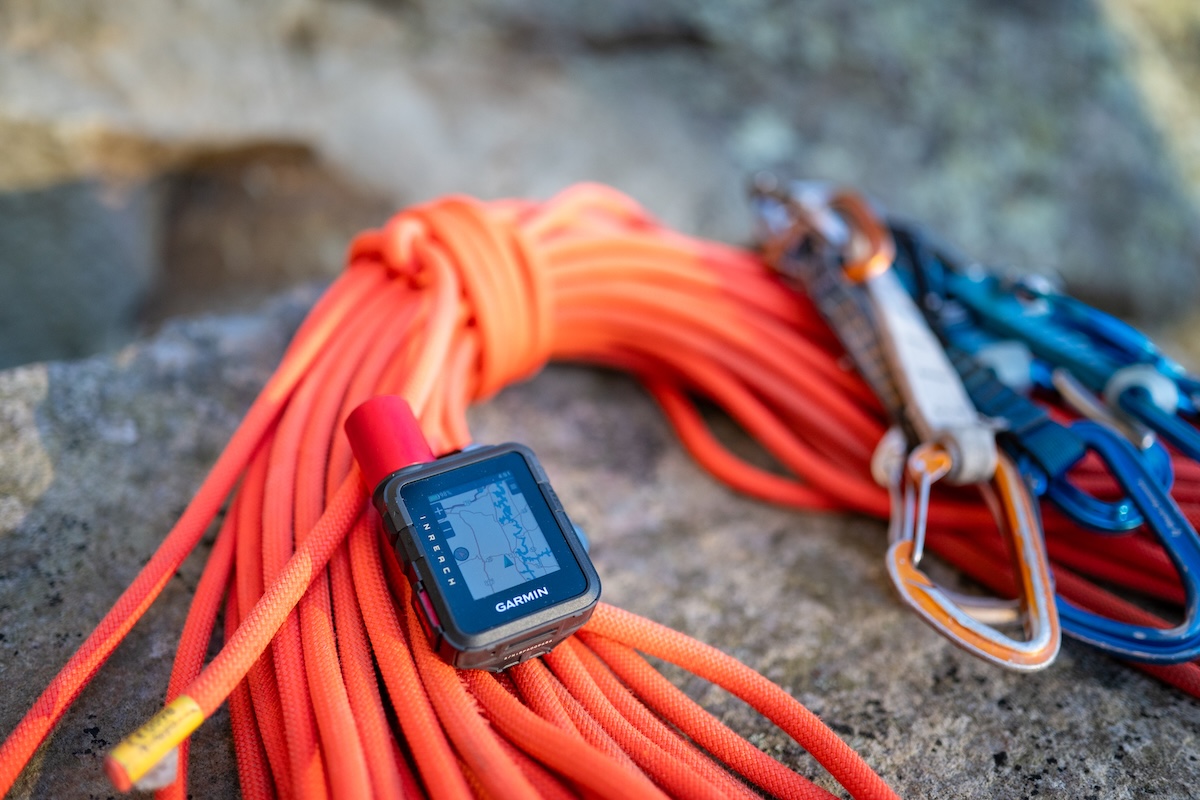
Once stable, implement remote rescue protocols. If you carry a Personal Locator Beacon (PLB) or a satellite messenger, activate it once you are in a safe spot. When moving away from the attack site, sidestep or walk slowly while keeping the trail behind you in sight. Never turn your back on the area where the bear was last seen until you have reached a vehicle or a significantly more secure location.
The survival mindset for animal encounters includes the post-incident phase. Shock management is essential; keep the victim warm and hydrated if they are conscious. Emergency first aid for deep bear bite wounds requires professional medical intervention, as bear mouths carry a high risk of bacterial infection.
FAQ
What should you do if a bear charges you?
If a bear charges, stand your ground and do not run. If it is a bluff charge, the bear will likely veer off or stop short; speak firmly and wave your arms. If the charge is real and the bear is a black bear, use your bear spray when it is within 20 to 30 feet. If it makes contact, fight back immediately using any tool available, focusing strikes on the face and eyes.
Is it better to play dead or fight back during a bear attack?
The answer depends entirely on the species. You should never play dead during a black bear attack; you must fight back aggressively to convince the predator you are not easy prey. Playing dead is a strategy reserved specifically for defensive grizzly bear attacks, where the goal is to show the bear you are no longer a threat to its cubs or food cache.
How do you tell the difference between a black bear and a grizzly attack?
Identify the bear by its physical profile. Grizzly bears have a prominent shoulder hump and a concave facial profile. Black bears lack the hump and have a straight facial profile with a rump that sits higher than their shoulders. In an attack, a grizzly often acts defensively, whereas a black bear attack is more likely to be predatory and persistent.
Does bear spray actually work in a real encounter?
Yes, bear spray is highly effective. Studies indicate a 98% success rate in stopping aggressive behavior when deployed correctly. It is often more effective than firearms because it creates a wide cloud of irritant that is difficult for a charging animal to avoid, and it does not require the same level of precision aiming under extreme stress.
How can you prevent a bear attack while hiking?
Prevention starts with situational awareness. Make noise while hiking to avoid a surprise encounter, especially near running water or in dense brush. Keep your food stored properly in bear-resistant containers and, most importantly, keep dogs on a leash. Statistics show that how to prevent surprise bear encounters while hiking often comes down to managing pets, as off-leash dogs frequently provoke bears and then lead the predator back to their owners.