Quick Facts
- The Ultralight (300): 1.8 oz, 300 lumens, white light only, 75m beam distance.
- The Generalist (400): 2.6 oz, 400 lumens, includes red light, 90m beam distance.
- The Specialist (500): 2.6 oz, 500 lumens, flood/spot modes, 100m beam distance.
- Waterproof Rating: All models IP67 (fully submersible to 1m for 30 minutes).
- Fast Charging: 8 mins charge = 1 hour high-power light via USB-C.
- Maximum Runtime: Up to 200 hours on the lowest setting for 400/500 models.
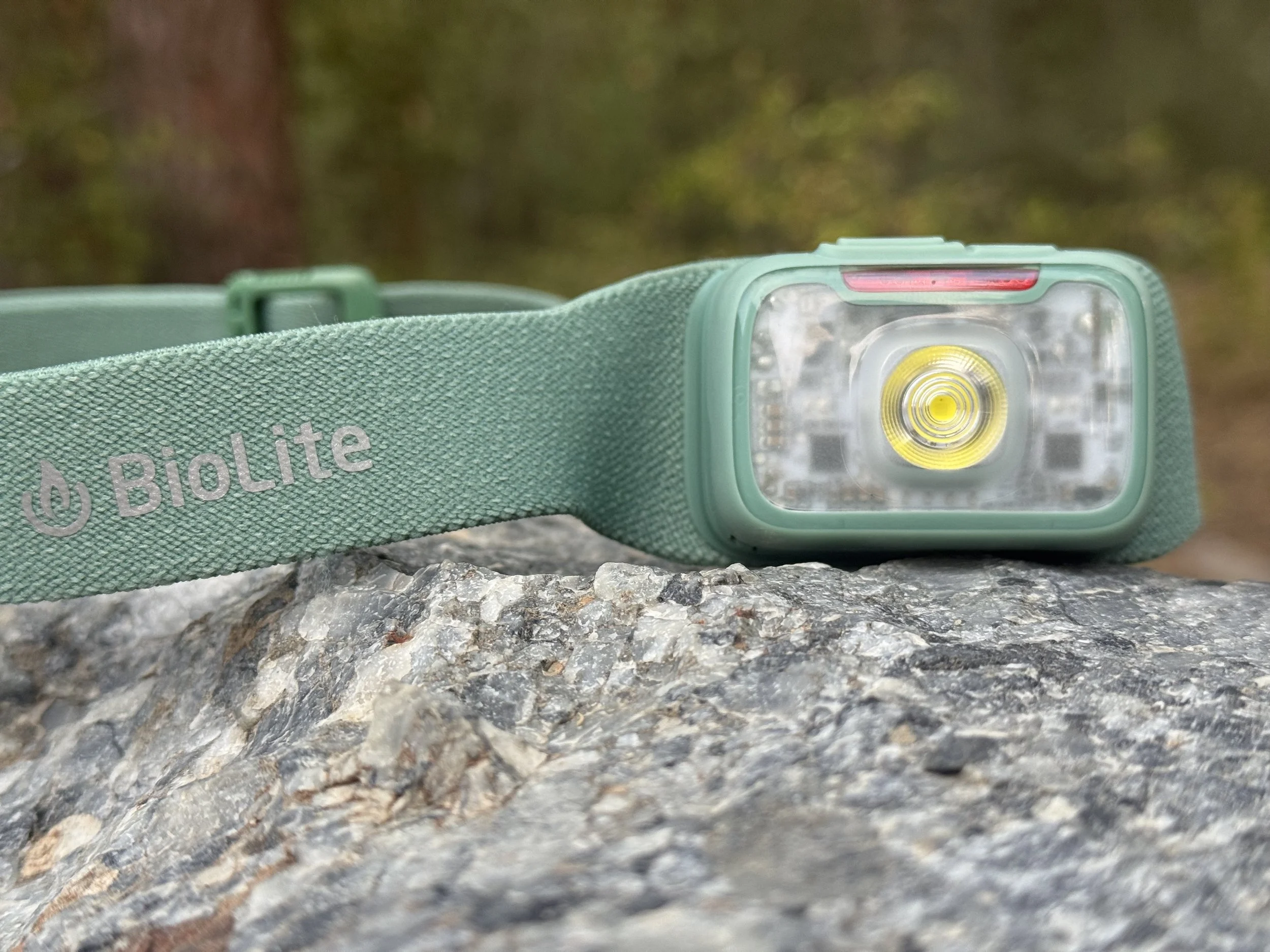
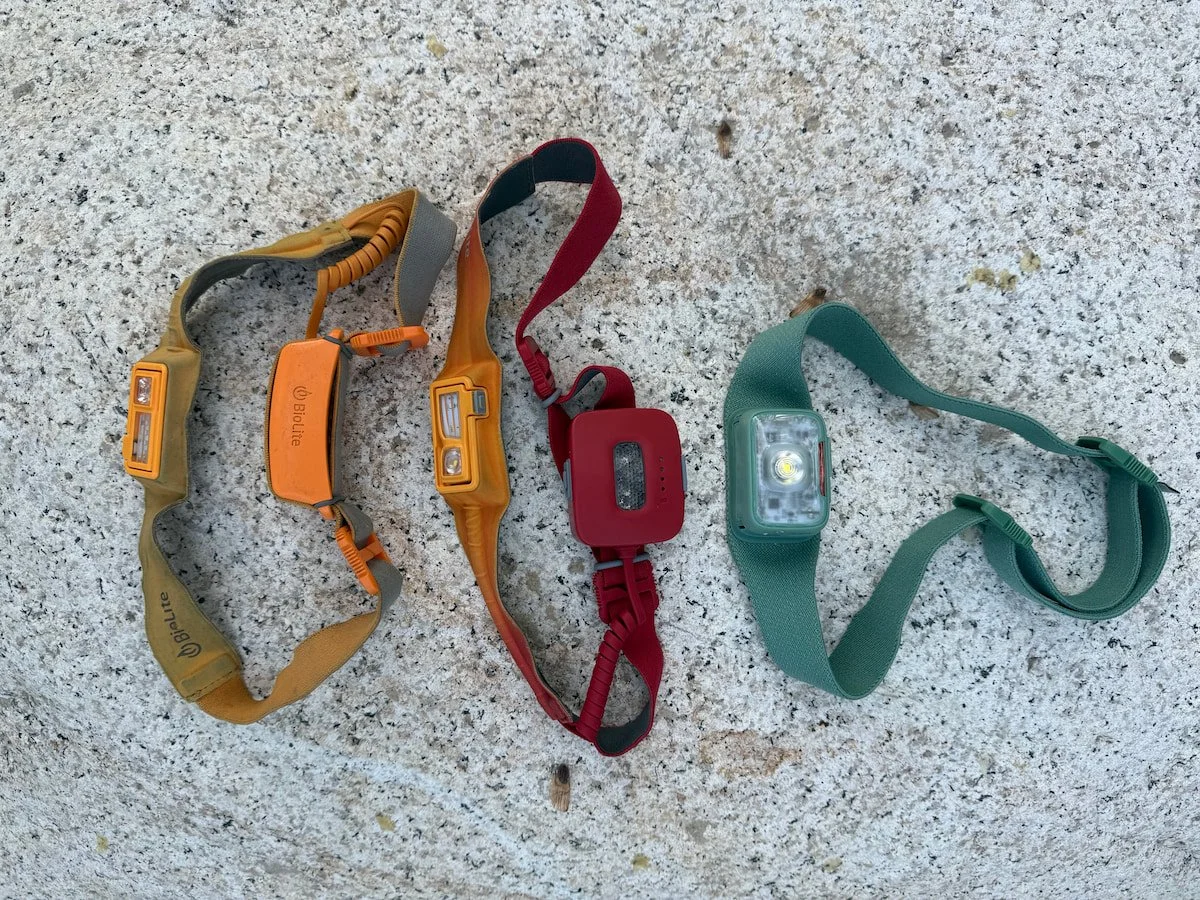
The BioLite Range headlamp series offers three models tailored to different outdoor needs. The Range 300 is an affordable, ultralight option weighing 1.8 ounces with 300 lumens of output, though it lacks a red light mode. The Range 400 and 500 both weigh 2.6 ounces and provide up to 6 hours of battery life on high power. The primary difference is that the Range 500 includes a dedicated floodlight mode and higher 500-lumen peak brightness, making it the most versatile for thru-hiking and technical trail navigation.
Shared DNA: Why the Range Series Stands Out
In our testing, we have seen headlamps evolve from bulky, battery-heavy bricks to the streamlined tools we use today. The BioLite Range Headlamp represents a significant leap forward in this evolution. While previous models like the 330 or 425 were revolutionary for their thin profile, they often carried an IPX4 rating, meaning they were only splash-resistant. The new Range series introduces a robust BioLite headlamp waterproof rating of IP67 across the entire lineup. This means the units are now fully submersible and dustproof, providing vital peace of mind when a surprise Sierra thunderstorm hits or when you accidentally drop your light into a stream while filtering water.
Another structural shift we noticed is the move to a fully front-integrated design. In earlier high-performance models, BioLite utilized a rear-mounted battery pack to balance weight. However, the Range series consolidates the battery and the lens into a single unit on the forehead. This new weight distribution makes the lamp significantly more comfortable for users to wear while lying down in a tent or reading in a sleeping bag. There is no longer a plastic battery housing pressing into the back of your skull.
The series also ditches the older Micro-USB standard in favor of USB-C fast charging. This is more than just a convenience for modern gadget owners; it is a safety feature. The BioLite headlamp USB-C fast charging times and battery life parameters allow you to gain one full hour of runtime on the highest setting with just eight minutes of plug-in time. For a thru-hiker stopping at a cafe for a quick lunch, a total recharge typically takes only 70 to 80 minutes, ensuring you are never caught in the dark.
Model Deep Dive: BioLite Range 300 vs 400 vs 500
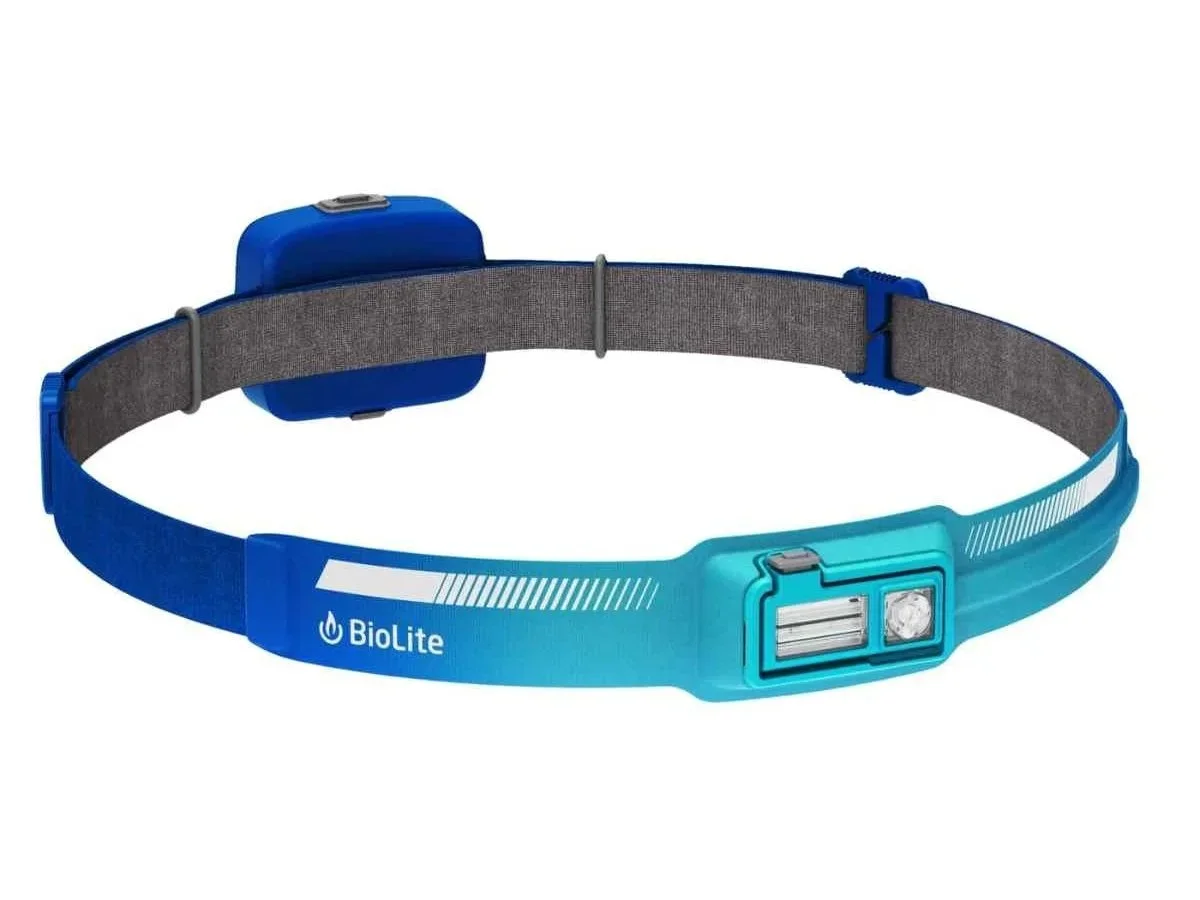
When looking at a BioLite headlamp comparison guide, the differences often come down to weight versus utility. The BioLite Range 300 provides 300 lumens of brightness with a 75-meter beam distance, making it an excellent choice for campers who stick to established sites. However, at just 1.8 ounces (52 grams), it achieves its featherweight status by omitting the dimmable red light mode and the multi-button interface found in its larger siblings.
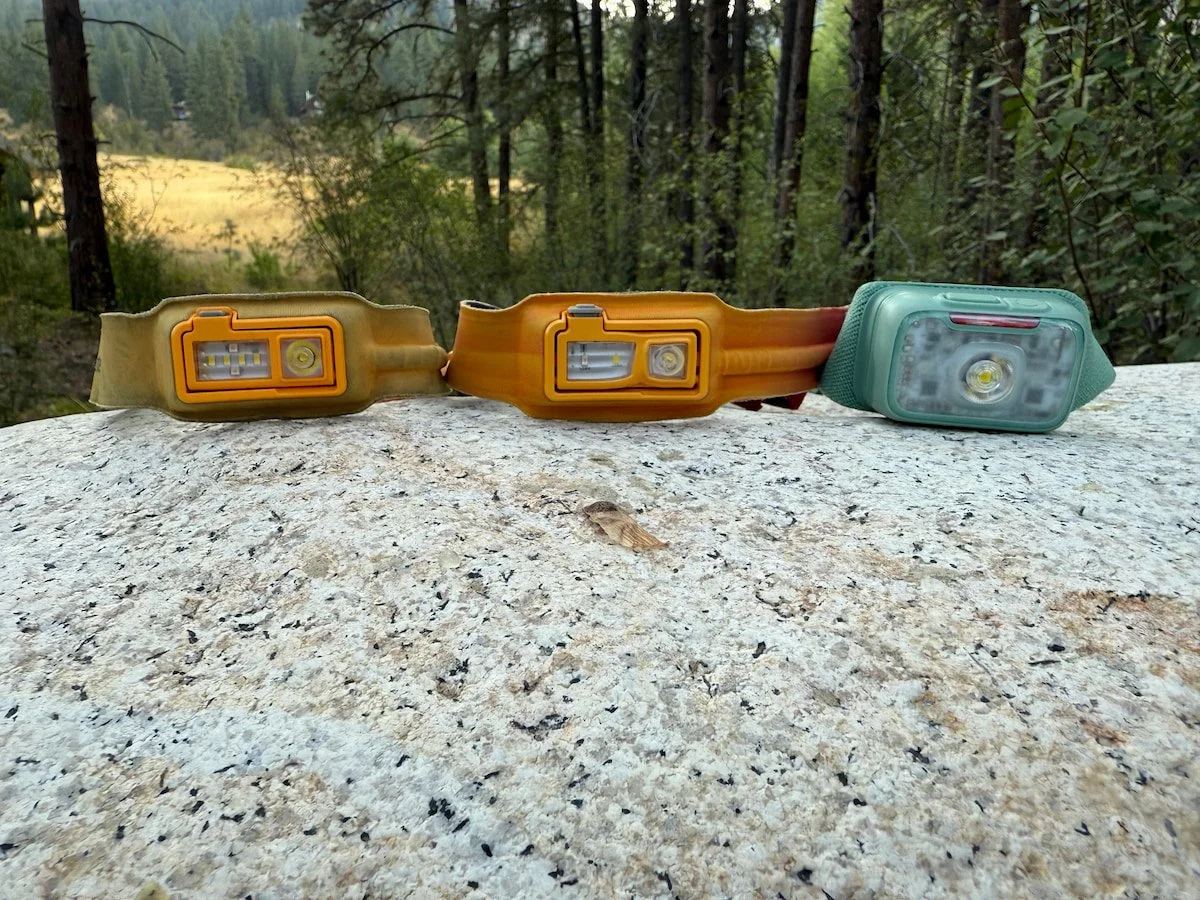
The heart of the lineup is the Range 400 and Range 500. Both models weigh in at 2.6 ounces (75 grams) and offer 400 and 500 lumens with beam distances of 90 and 100 meters, respectively. The jump from Range 400 to 500 is notably defined by the lighting modes. While the 400 is a powerful spotlight, the Range 500 adds a dedicated floodlight mode. This is a game-changer for night navigation as the BioLite Range 500 floodlight vs Range 400 spotlight modes discussion often highlights how a wide flood beam helps with peripheral vision on technical trails.
| Feature | Range 300 | Range 400 | Range 500 |
|---|---|---|---|
| Lumens | 300 | 400 | 500 |
| Weight | 1.8 oz (52g) | 2.6 oz (75g) | 2.6 oz (75g) |
| Beam Distance | 75 m | 90 m | 100 m |
| Red Light | No | Yes (Dimmable) | Yes (Dimmable) |
| Lighting Modes | White Spot, Strobe | Spot, Red, Strobe | Spot, Flood, Red, Strobe |
| Charging | USB-C | USB-C | USB-C |
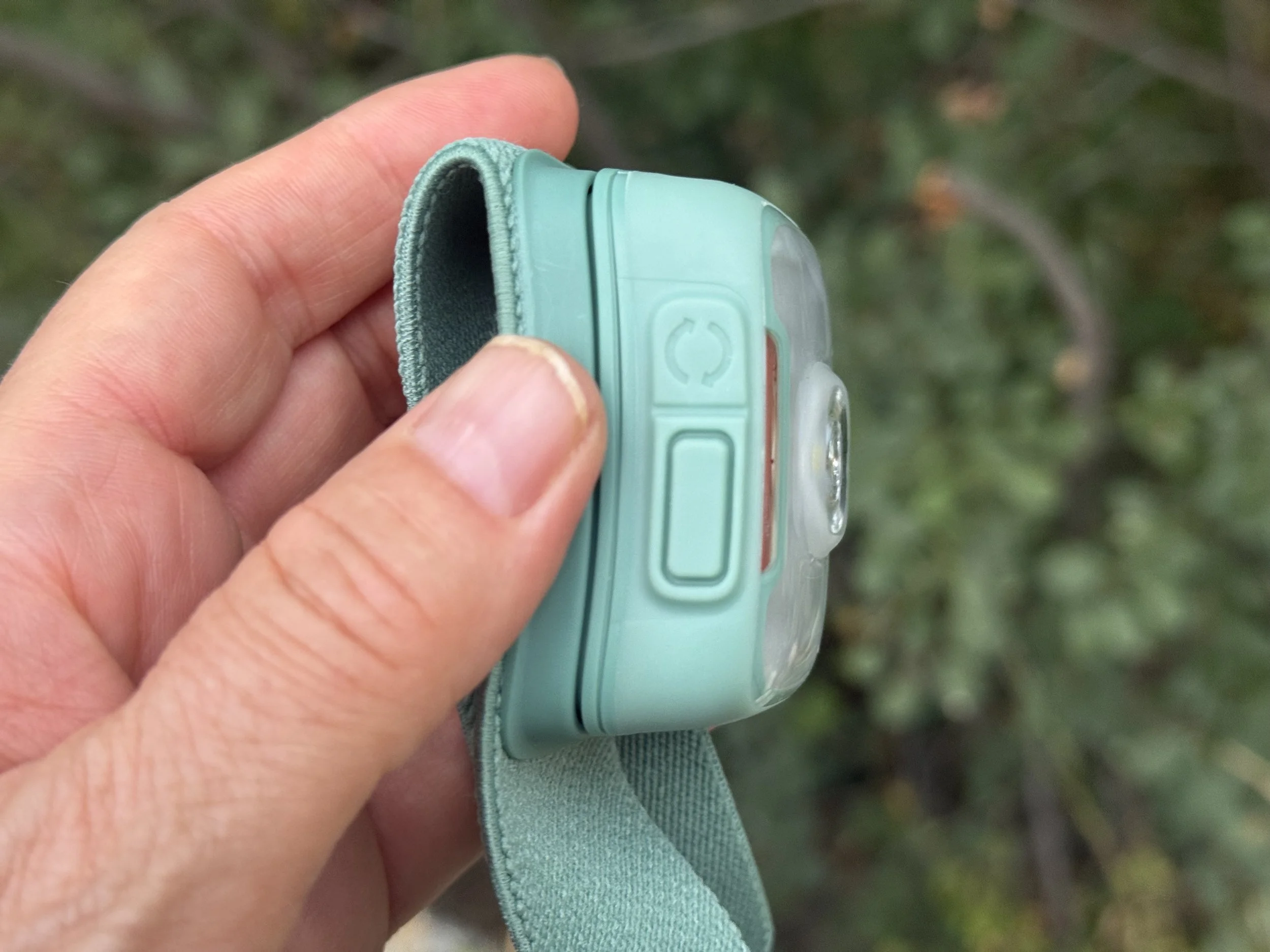
One detail we love for night vision preservation is the dual-button system on the 400 and 500 models. Unlike the 300, which requires you to cycle through bright white modes to get anywhere, the larger models allow you to turn on the red light strobe or steady red beam directly. This keeps your eyes adjusted to the dark and prevents you from blinding your campmates.

Real-World Performance: Battery Life and Trail Comfort
While manufacturer specs are a great starting point, we like to see how gear handles the reality of the trail. All models in this series utilize a 1,634 mAh rechargeable lithium-ion battery. In our field tests during late autumn treks where temperatures dipped between 15°F and 30°F, we noted a predictable drop in burn time. While the brand claims 6 hours on high, real-world cold-weather use typically nets around 3-4 hours of high-power output before the light begins to dim.
However, the infinite dimming control gives you the power to manage that battery life yourself. Instead of choosing between "High" and "Low," you can hold the button to find the exact brightness you need. On the lowest setting, the 400 and 500 models can last up to 200 hours, making them reliable for emergency preparedness or long-distance backpacking where charging opportunities are sparse.
For those focusing on trail running safety, the fit is just as important as the lumens output. BioLite uses its signature 3D SlimFit moisture-wicking fabric on the band. The dual-adjustment strap system ensures a snug fit without the tightness that causes headaches. This creates a comfortable no-bounce headlamp for ultramarathon training, where the constant rhythmic motion of a runner usually causes traditional headlamps to slide down the face. The fabric breathes well, and the integrated electronics are so thin that you almost forget you are wearing a light at all.
FAQ
How many lumens is the BioLite Range headlamp?
The series offers three different levels of brightness. The Range 300 provides 300 lumens, the Range 400 provides 400 lumens, and the flagship Range 500 provides 500 lumens.
Is the BioLite Range headlamp waterproof for hiking?
Yes, every model in the Range series is rated IP67. This means they are not just rain-resistant but can be fully submerged in up to one meter of water for 30 minutes, making them incredibly durable for all weather conditions.
How long does the battery last on the highest setting?
While BioLite specifies up to 6 hours on high power for the 400 and 500 models, real-world testing (especially in colder climates) suggests you should expect 3 to 4 hours of maximum brightness before the output begins to taper off.
Does the BioLite Range headlamp have a red light mode?
The Range 400 and Range 500 both feature a dimmable red light mode for night vision and a red strobe for visibility. However, to keep it as light as possible, the Range 300 does not include a red light function.
How do you charge a BioLite headlamp?
The Range series uses a standard USB-C charging port. You can use any USB-C cable, and with ultrafast charging technology, you one hour of high-power runtime from just eight minutes of charging.
Is the BioLite headlamp comfortable for long-distance running?
Absolutely. Thanks to the 3D SlimFit fabric and the front-integrated battery design, it is widely considered a top choice for a comfortable no-bounce headlamp for ultramarathon training and high-intensity trail activities.
Choose the Best BioLite Headlamp for Your Adventure
Selecting the right light comes down to how you spend your time outdoors. If you are an ultralight enthusiast or someone looking for a reliable backup for your car emergency kit, the Range 300 offers incredible value and weight savings. Its 1.8-ounce profile is hard to beat for basic proximity tasks.
For the vast majority of hikers and campers, the Range 400 is the sweet spot. It provides the essential red light mode for camp chores and enough power for most night-hiking scenarios without a steep price tag. It is a solid, versatile choice for general backpacking gear kits.
However, if you are tackling technical terrain, participating in thru-hiking adventures, or training for a mountain ultramarathon, the Range 500 is the clear winner. The inclusion of the floodlight mode significantly improves your ability to read the trail and navigate rocky descents safely. No matter which model you choose, the leap to an IP67 waterproof rating and USB-C fast charging makes the Range series a formidable companion for any night under the stars.