Quick Facts
- Temperature Range: Traditional units operate between 170°F and 195°F, while infrared models stay between 120°F and 140°F.
- Humidity Control: Traditional dry saunas offer 5-20% humidity (adjustable via Löyly), wet saunas reach 100%, and infrared saunas maintain ambient humidity.
- Warm-up Time: Infrared saunas are ready in 10-15 minutes; traditional electric or wood-burning units require 30-45 minutes.
- Market Popularity: Traditional saunas accounted for approximately 42.3% of the global sauna equipment market share in 2025.
- Health Impact: Infrared therapy is clinically proven to provide a 31% to 77% reduction in pain for chronic fatigue and fibromyalgia patients.
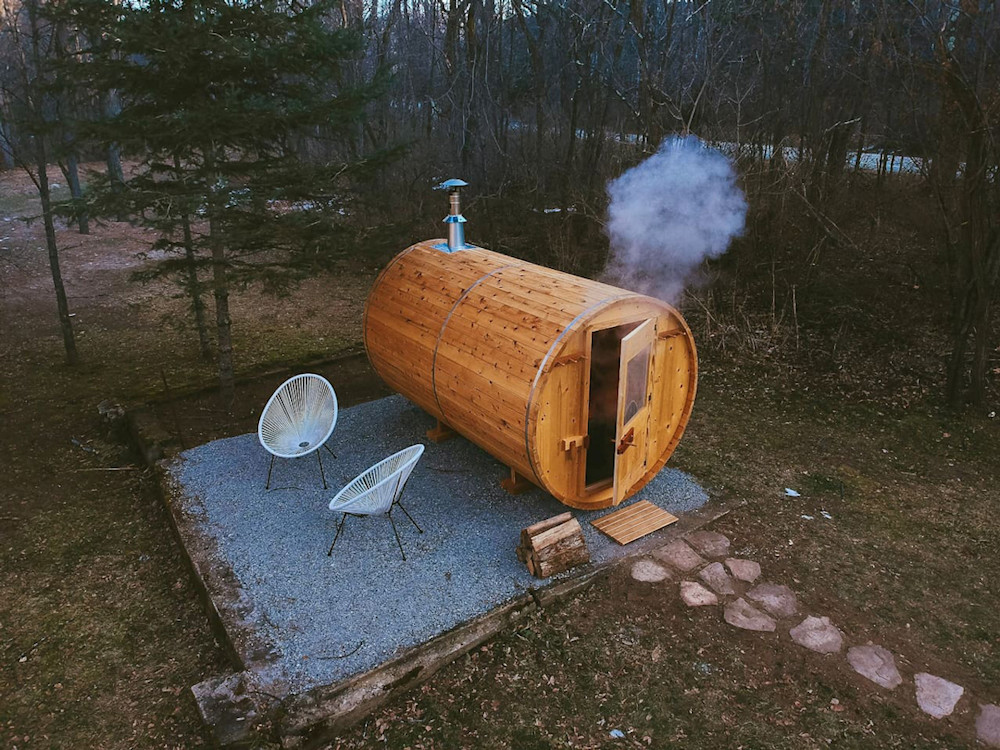
- Installation Needs: Indoor units require dedicated ventilation and vapor barriers, while outdoor models need a level foundation like pea gravel.
- Heating Efficiency: Infrared saunas are typically 50% cheaper to operate monthly due to lower power draw and faster heat-up cycles.
Selecting the right types of saunas for your home involves weighing the intense heat of traditional convection against the deep-tissue penetration of modern radiant technology. While a traditional dry sauna uses a heater to warm the air and rocks to create a high-heat environment, an infrared sauna uses carbon or ceramic panels to heat your body directly, offering a therapeutic experience at much lower, more breathable ambient temperatures.
Understanding the Core Mechanisms: Traditional vs. Infrared
When comparing different types of saunas, the conversation begins with how physics delivers heat to your skin. Traditional saunas rely on convection. An electric or wood-burning stove heats a stack of stones, which then heats the air. This process creates a high ambient temperature where the air itself is the medium of heat transfer. This environment allows for the Finnish tradition of Löyly—pouring water over hot rocks to create a burst of steam that temporarily increases humidity and the perceived intensity of the heat.
In contrast, infrared saunas operate on radiant heat. Think of it like the warmth of the sun on a cold day; the air remains cool, but your skin feels the heat. Because these panels emit light waves that penetrate the body directly, the air temperature does not need to be extreme to induce a deep sweat. While traditional dry saunas typically operate at high temperatures between 175°F and 212°F, infrared saunas function at a lower range of 113°F to 140°F, which frequently allows for longer session limits of up to 30 minutes without the respiratory discomfort some feel in high-heat environments.
The choice often comes down to personal preference for humidity control and cardiovascular health. Traditional sessions provide a more intense challenge to the cardiovascular system, mimicking moderate exercise, while the lower heat of infrared is often favored for detoxification and muscle recovery by those who find 190°F air difficult to breathe.
Sauna Heater Differences: Wood-Burning, Electric, and Infrared
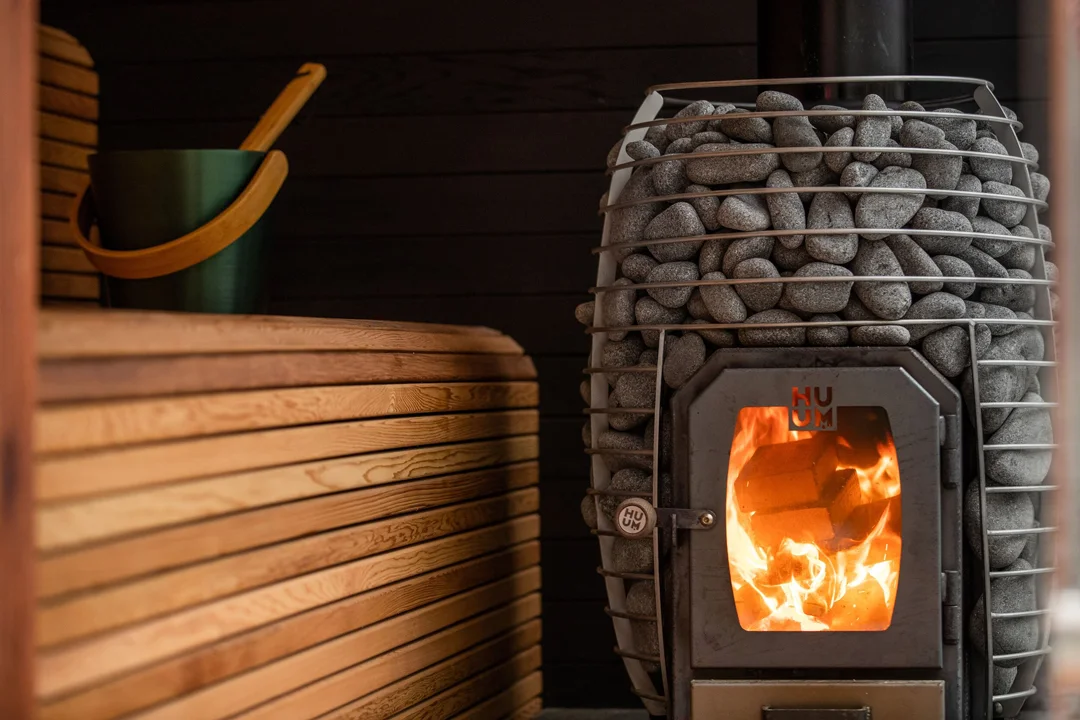
The heart of any unit is its heater, and the daily experience varies significantly based on which technology you choose. For many enthusiasts, the electric vs wood burning sauna heater comparison is a debate between convenience and authenticity.
Wood-Burning Heaters These provide the most traditional atmosphere, complete with the crackle of firewood and a distinct aroma. However, they require a chimney for venting, a consistent supply of firewood, and roughly 45 to 60 minutes to reach peak temperature. They are almost exclusively used for outdoor installations due to the intensive venting requirements.
Electric Heaters For residential use, electric heaters are the gold standard. They offer rapid heating and precise temperature regulation through digital controllers. Most home units require a 240V connection, and a common rule of thumb for sizing is one kilowatt of power for every 45 cubic feet of space. They are versatile, working equally well in indoor and outdoor settings, and require minimal maintenance beyond occasionally replacing the stones.
Infrared Heaters Modern infrared units typically use either carbon fiber heaters or ceramic heaters. Carbon fiber panels are generally preferred as they provide a larger surface area for heat distribution, resulting in fewer hot spots and a more even wrap-around warmth. Ceramic heaters can reach higher temperatures faster but have a narrower heat path. When selecting an infrared model, it is vital to check for safety standards specifically regarding EMF mitigation to ensure the radiant panels are not emitting high levels of electromagnetic fields.
| Heater Type | Heat Source | Warm-up Time | Maintenance | Best For |
|---|---|---|---|---|
| Wood-Burning | Convection (Fire) | 45-60 min | High (Ash/Wood) | Off-grid/Authenticity |
| Electric | Convection (Coils) | 30-40 min | Low (Stone check) | Indoor Convenience |
| Infrared | Radiant Panels | 10-15 min | Minimal | Muscle Recovery |

Installation Logistics: Indoor vs. Outdoor Sauna Comparison
The physical footprint and utility requirements of your home will largely dictate the difference between dry wet and infrared saunas in terms of placement. An indoor vs outdoor sauna comparison reveals that while indoor models offer climate-controlled comfort, outdoor units provide more architectural freedom.
Indoor Installation Requirements
When installing a unit inside, you must address ventilation and moisture. Traditional dry saunas, and especially wet saunas, require a vapor barrier to protect your home’s studs and insulation from mold. If you are building a wet sauna or a traditional unit where you plan to use significant amounts of water for Löyly, local drainage in the floor is highly recommended. Indoor units also require a dedicated electrical circuit—often 30 to 40 amps—which may require a professional electrician.
Outdoor Site Preparation
Outdoor saunas, particularly the popular barrel vs cabin design styles, require a solid, level foundation. You cannot simply place a heavy wood structure on grass; it will sink and rot. Most homeowners opt for a foundation of pea gravel, a concrete pad, or a reinforced wood deck. Outdoor barrel saunas are particularly efficient for backyard setups because their circular shape promotes natural heat convection and allows snow or rain to slide off the sides easily. However, outdoor units must use weather-resistant wood, typically Grade A Cedar or Hemlock wood, to withstand the elements.

Health, Safety, and Quality Standards
Beyond the heat, your primary concern should be the safety of the materials used in construction. High-quality manufacturers prioritize VOC-free materials to ensure that as the wood and adhesives heat up, they do not off-gas harmful chemicals. This is particularly important in infrared units, where the panels are in close proximity to the skin.
Safety standards for low EMF and VOC infrared saunas are the hallmark of a premium product. Look for third-party certifications such as ETL, RoHS, and Intertek. Ideally, an infrared sauna should maintain EMF levels below 0.5 Milligauss (mG) at the point of body contact.
The benefits of these standards are backed by clinical data. For instance, a major study on holistic wellness found that regular use of infrared therapy significantly impacted chronic conditions. A clinical study investigating infrared sauna therapy for patients with fibromyalgia and chronic fatigue syndrome found that 12 weeks of treatment resulted in a 31% to 77% reduction in pain and symptom scores. Whether you are seeking cardiovascular health through the high-intensity heat of a Finnish cabin or metabolic support through radiant panels, the quality of construction is what determines the long-term ROI of the investment.
FAQ
What is the difference between a dry sauna and a wet sauna?
The primary difference lies in humidity levels and the heating method. A dry sauna uses a heater to warm the air to high temperatures (170°F-195°F) with very low humidity, though you can add small amounts of water to rocks for a brief steam effect. A wet sauna, often referred to as a steam room, uses a steam generator to keep humidity at 100%, though the temperature is usually lower, around 110°F-120°F, to prevent scalding.
Is an infrared sauna better than a traditional sauna?
Neither is objectively better; they serve different purposes. A traditional sauna is superior for those who enjoy high heat, steam, and the social atmosphere of the Finnish tradition. An infrared sauna is often better for individuals with heat sensitivity, those focused on deep-tissue muscle recovery, or homeowners looking for a unit with lower operating costs and shorter warm-up times.
Which type of sauna is best for home use?
For most residential settings, electric traditional saunas or infrared saunas are the best choices. Infrared units are the easiest to install because many run on standard 120V outlets and do not require special ventilation. Traditional electric saunas are better if you have the space for a dedicated 240V line and want the authentic high-heat and humidity experience.
What are the benefits of a wood-burning sauna vs electric?
A wood-burning sauna offers an unmatched sensory experience with the scent of wood smoke and a soft, natural heat, making it perfect for remote or off-grid outdoor locations. Electric heaters are preferred for their convenience, allowing you to set a precise temperature on a timer so the sauna is hot the moment you get home from work, with no fire-starting or ash cleanup required.
What type of sauna is best for detoxification?
Infrared saunas are generally considered the most effective for detoxification. Because the radiant heat penetrates roughly 1.5 to 2 inches into the body's soft tissue, it is thought to mobilize toxins stored in fat cells more effectively than surface-level convection heat. Additionally, the lower air temperature allows for longer sessions, which can lead to a higher overall sweat volume without the stress of extreme ambient heat.