Quick Facts
- Inspiration: The project stems from the infamous 2001 bird strike involving MLB legend Randy Johnson.
- Secondary Life: Repurposes obsolete DIRECTV equipment into a functional backyard avian sanctuary.
- Essential Tools: Requires a handheld drill, a 1/4-inch drill bit, and a hacksaw for hardware adjustments.
- Key Innovation: Features the Millet Mullet, a birdseed holder inspired by the Hall of Famer’s iconic hairstyle.
- Sustainability: Promotes ecofriendly home projects by diverting electronic waste from landfills.
- Recognition: A designated Bird Ballpark is now a resident artifact at the National Baseball Hall of Fame in Cooperstown.
To build a satellite dish bird feeder, mount an old satellite dish on a post and tilt it slightly upward to ensure proper drainage. Drill small holes in the base to prevent water accumulation and use iron brackets or EMT conduit for a stable support structure. This upcycled foundation can be customized with miniature baseball themes or simple seed trays to attract local bird species.
The Big Unit’s Redemption: From Mound to Bird Sanctuary
Every baseball fan of a certain age remembers the spring training game in 2001 when a stray dove crossed paths with a triple-digit fastball from the Arizona Diamondbacks legend, Randy Johnson. It was a freak occurrence that became an indelible part of sports history. Fast forward two decades, and the man known as The Big Unit has traded his jersey for a professional camera lens and a soft spot for wildlife. This transition served as the perfect backdrop for a creative campaign that blends sports nostalgia with sustainable living.
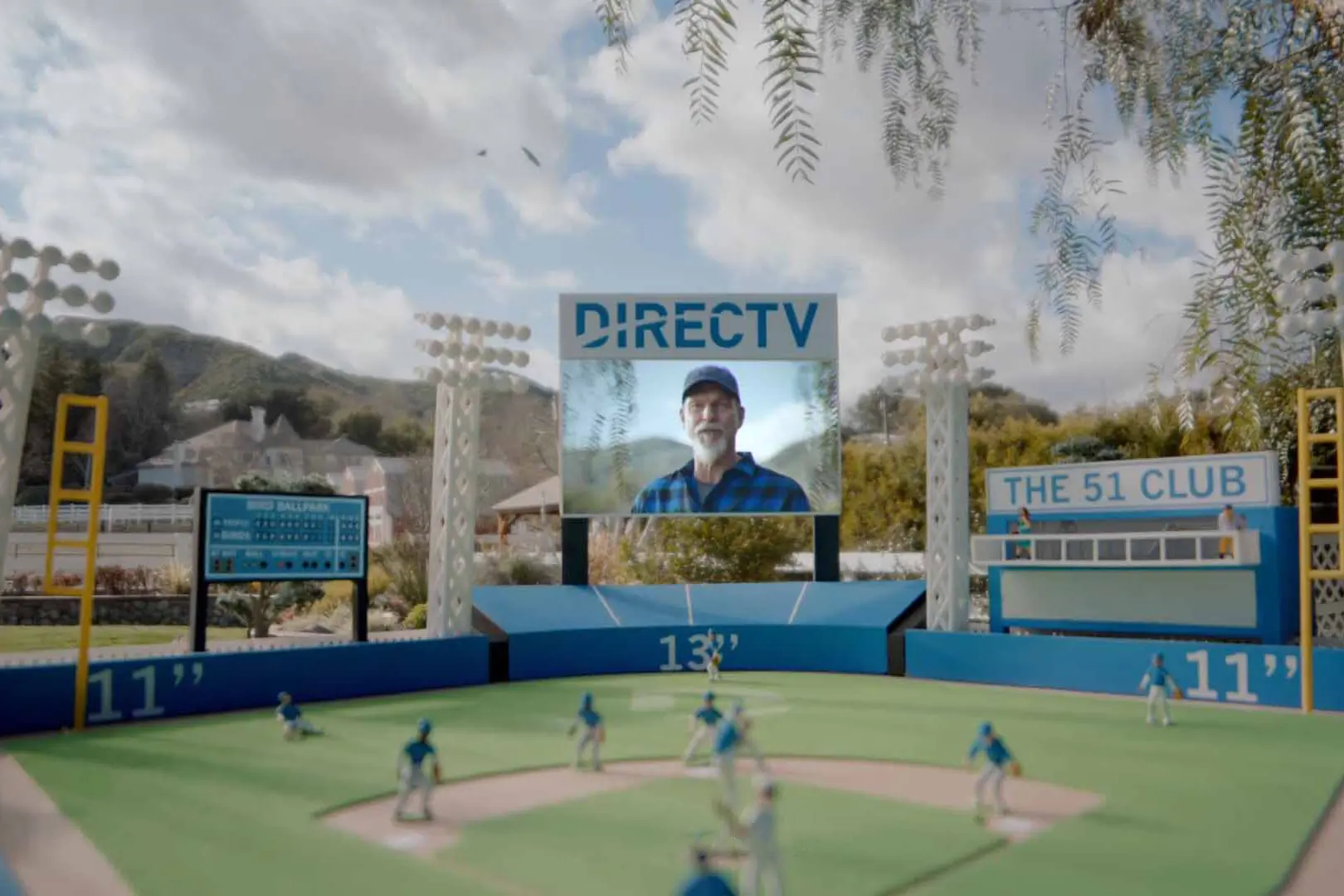
In April 2024, Hall of Fame pitcher Randy Johnson and DIRECTV launched the Bird Ballparks campaign, which saw the creation of 10 handcrafted miniature baseball stadiums built on foundations of repurposed satellite dishes. It was a masterclass in upcycling, taking equipment that usually gathers dust on rooftops and turning it into a mountable wildlife station. The project even gained official sports-world validation when one of the Bird Ballparks was selected for display at the National Baseball Hall of Fame in Cooperstown as a piece of cultural memorabilia.
For Randy Johnson, this is more than just a marketing stunt; it is a way to give back to the avian community that he unintentionally disrupted years ago. By turning a satellite dish bird feeder into a miniature stadium replica, ornithology enthusiasts and baseball fans alike can hit a home run with their backyard decor.
Essential Hardware: Tools Needed for Your Project
Before you start swinging for the fences, you need to gather the right roster of tools. Building a DIY bird ballpark is a project that sits comfortably in the hobbyist-expert category—it requires some basic mechanical knowledge but remains approachable for anyone who knows their way around a toolbox.
Whether you are working with a classic DIRECTV dish or another brand, the mechanics remain similar. You are essentially creating a large platform feeder, which is ideal for birds like cardinals, jays, and mourning doves who prefer a wide, stable surface for feeding.
Tool List
To ensure your repurposed satellite dish projects are successful, have the following items ready:
- Handheld drill with variable speed settings.
- 1/4-inch drill bits for creating vital drainage points.
- Hacksaw or a power saw with a metal-cutting blade to trim the mounting arm.
- Screwdriver set or a nut driver for tightening bolts.
- Measuring tape and a level to ensure the stadium sits correctly.
Required Materials and Hardware
- The Foundation: An old satellite dish (metal or glass-reinforced plastic).
- Mounting Brackets: Two or three 14-inch iron flat pieces or custom-bent brackets.
- Fasteners: Zinc-plated bolts and #14 x 2 inch exterior-grade wood screws for post attachment.
- The Post: A 4x4 pressure-treated wooden post or 1-inch EMT conduit.
- Aesthetics: Exterior-grade paint (non-toxic) and miniature stadium figurines.
| Component | Material Suggestion | Purpose |
|---|---|---|
| Dish | Steel or Aluminum | The main feeding floor |
| Support | Iron Flat Pieces | Structural stability |
| Drainage | 1/4 inch holes | Preventing seed mold |
| Attachment | Wood Screws | Securing the feeder to a post |
Step-by-Step Instructions: Building the Bird Ballpark
Constructing your own version of these diy bird ballpark ideas takes about an afternoon once you have the parts. The goal is to maximize the surface area of the satellite dish bird feeder while ensuring it remains weather-resistant and predator-safe.
Phase 1: Preparing the Base
Start by removing any electronic components from the dish, such as the LNB (the small "eye" at the end of the arm). You may need your hex head wrench or a screwdriver to detaching the arm. If you want to keep the arm for a more authentic stadium look, you can use the hacksaw to trim it to a shorter length so it doesn't obstruct the bird's flight path. Sand down any rough edges to protect your feathered visitors.
Phase 2: Drilling for Drainage
This is the most critical technical step. Without proper drainage, your dish will collect rainwater, leading to soggy, moldy seeds that are dangerous for birds. Take your drill and the 1/4-inch bits. Flip the dish over and drill at least 6 to 10 holes in the lowest part of the curvature. By drilling drainage holes in satellite dish bird feeders, you allow gravity to pull moisture away, keeping the seeds fresh.
Technical Tip: To prevent the drill bit from slipping on the slick surface of the dish, place a small piece of masking tape over the spot where you intend to drill.
Phase 3: Hardware and Mounting
Position your iron flat pieces or brackets on the back of the dish. Use zinc-plated bolts to secure the brackets to the original mounting holes of the dish. Next, you need to consider the height. The best height to mount a satellite dish bird feeder is typically between 5 and 6 feet off the ground. This height is sufficient to keep away ground predators like cats while remaining accessible for you to refill the seed. Secure the bracket to your wooden post or use EMT conduit sleeves to slide the feeder onto a metal pole.

Customizing the Stadium: Adding the Millet Mullet
Now comes the fun part—turning a functional feeder into a piece of art. If you want to mirror the Randy Johnson Bird Ballpark, you should look toward the aesthetic of the Arizona Diamondbacks or a classic green stadium feel.
Use non-toxic, exterior-grade acrylic paint to create a "field" on the surface of the dish. You can paint white lines for the diamond and even add a tiny pitchers mound in the center. For the ultimate fan experience, consider adding miniature stadium figurines or a small scoreboard.
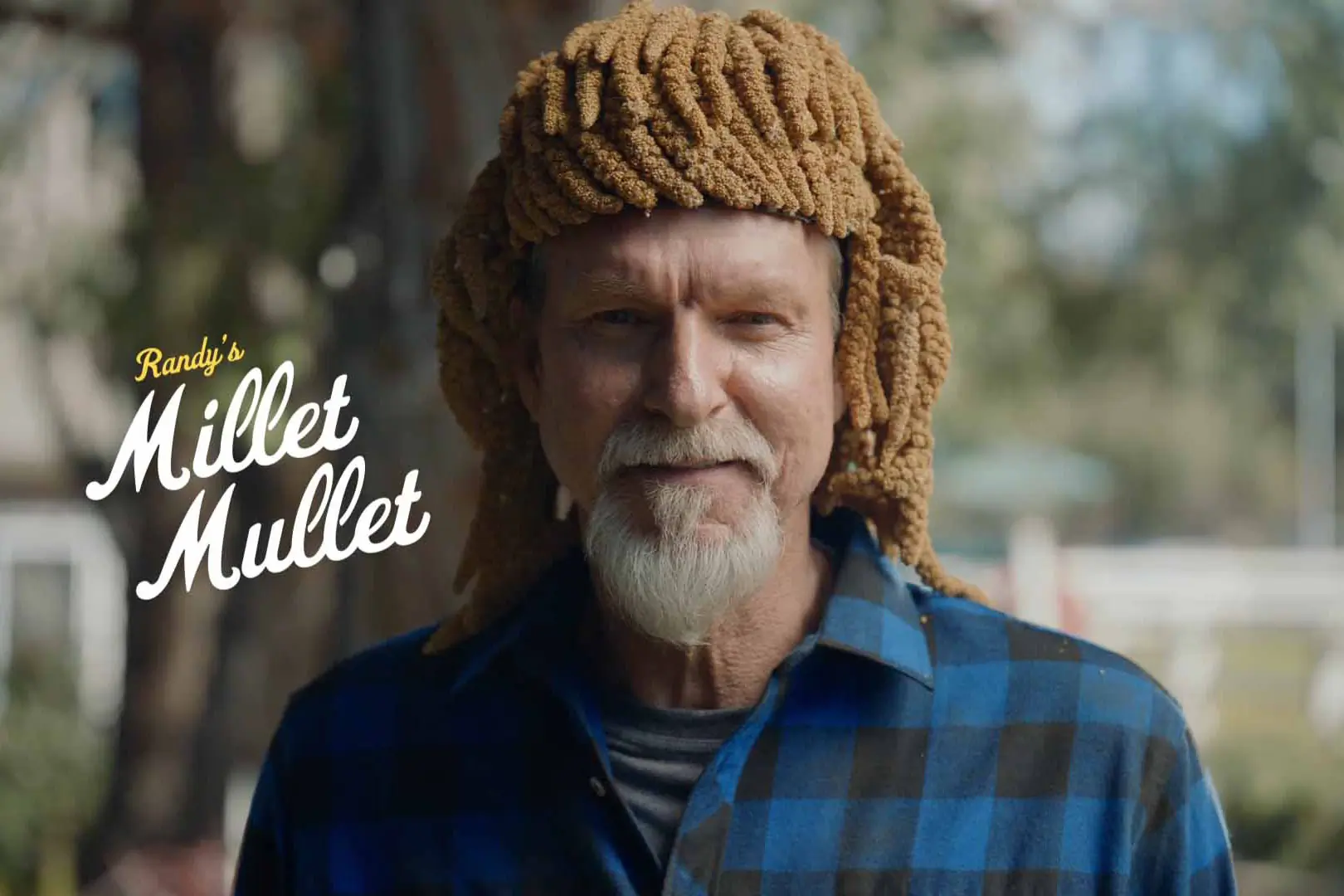
The most iconic addition to this project is the Millet Mullet. As part of the promotional campaign, eight Millet Mullets were created, which are bird-friendly feeders shaped like the pitcher's famous hairstyle from the late 90s. While you might not be able to replicate the exact mold, you can create your own version by using a mesh hair-shaped container filled with millet or suet. This provides a varied feeding option for birds that prefer clinging to a vertical surface rather than standing on a platform.
Maintenance and Weatherproofing
Building the feeder is only half the battle; keeping it a safe environment for birds requires ongoing care. Because a satellite dish is essentially a large bowl, it is prone to collecting debris and snow.
To ensure long-term durability, you must focus on weatherproofing a DIY satellite dish bird sanctuary. Check the mounting hardware every few months to ensure the bolts haven't loosened due to wind or temperature changes. If you live in a particularly wet climate, consider tilting the dish at a slight 5-degree angle. This directs water more efficiently toward your drainage holes and prevents pooling.
Regular cleaning is also essential. Scrape away old seed husks and give the dish a wash with a diluted bleach solution (one part bleach to nine parts water) once a month. This kills any bacteria or avian viruses that might linger on the surface. After cleaning, ensure the dish is completely dry before adding fresh seed.

FAQ
How do you turn an old satellite dish into a bird feeder?
You can convert a dish by stripping away the electronic LNB arm, drilling several 1/4-inch holes in the center for drainage, and mounting it horizontally on a post or pole. Using the existing mounting bracket on the back of the dish makes it easy to secure it to a 4x4 wooden post with heavy-duty exterior screws.
Is it safe for birds to eat from a repurposed satellite dish?
Yes, as long as you use non-toxic paints and ensure there are no sharp metal edges. It is vital to drill enough drainage holes to prevent water from sitting in the dish, which can cause the birdseed to rot or grow harmful mold.
How do you mount a satellite dish bird feeder in your yard?
The most stable method is using the dish's original mounting sleeve and attaching it to a tall wooden or metal post. Ensure the post is buried deep enough to support the weight of the dish, especially during high winds. Aim for a mounting height of 5 to 6 feet to keep the birds safe from predators.
How do you prevent water from pooling in a satellite dish bird feeder?
The most effective way is to drill numerous 1/4-inch drainage holes at the lowest point of the dish's curve. Additionally, mounting the dish at a very slight angle rather than perfectly flat can help water flow toward the drainage points more effectively.
What materials are needed to make a DIY satellite dish bird feeder?
You will need a decommissioned satellite dish, a mounting post, iron brackets for support, and weather-resistant hardware like zinc-plated bolts and wood screws. For the baseball-themed Randy Johnson look, you will also need non-toxic exterior paint and creative accessories like a mesh millet holder.