Quick Facts
- Lifespan: High-quality gear can maintain functionality for more than ten years with proper care, whereas neglect often leads to failure in under four.
- Maintenance Frequency: Industry experts recommend technical washing every 10 to 12 days of heavy use to avoid membrane damage.
- Prohibited Items: Never use central agitator washing machines, fabric softeners, bleach, or standard laundry pods.
- Environmental Impact: Extending the life of outdoor clothing by just nine months can reduce its total carbon, waste, and water footprints by approximately 20 to 30 percent.
- Drying Strategy: Tumble dry on low heat for 20 minutes specifically to reactivate the surface water repellency.
- Repair Rule: DIY repairs are ideal for holes under four inches using specialized technical tape; professional service is needed for structural or larger damage.
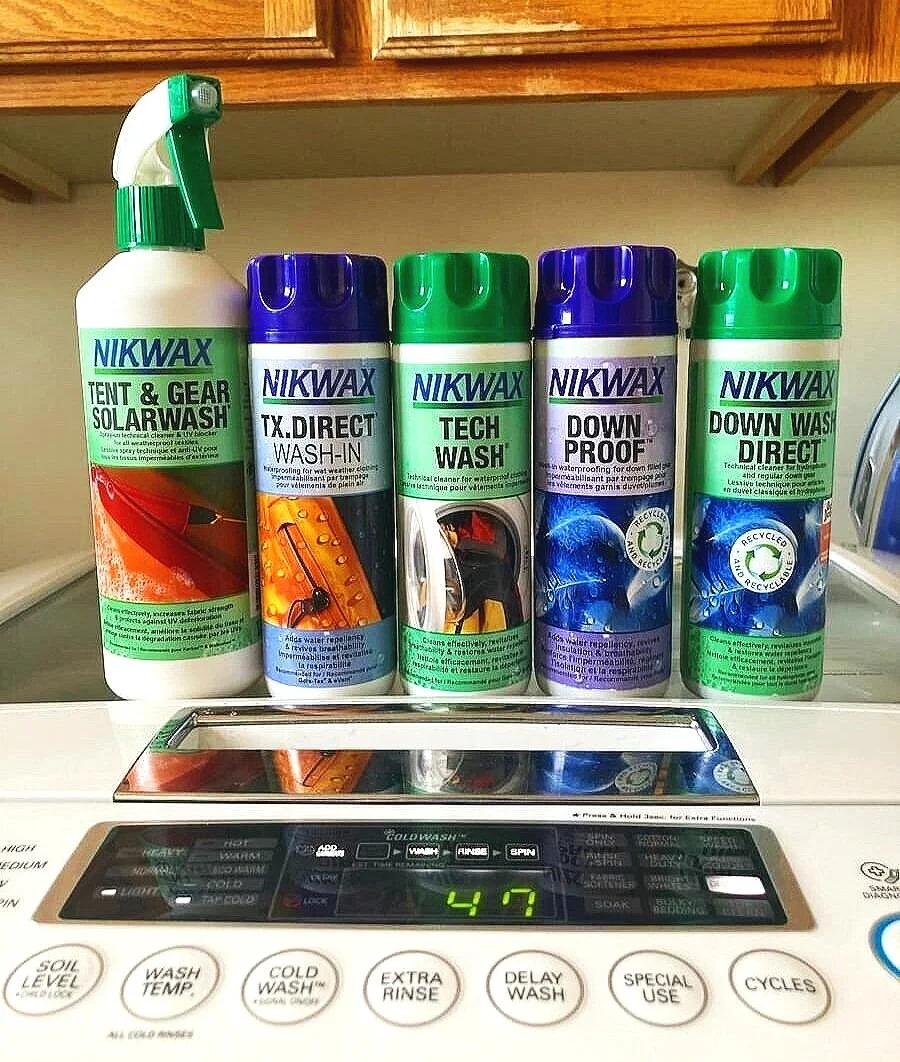
To wash Gore-Tex jackets safely at home, use a front-loading or agitator-free top-loading machine with a specialized liquid detergent like Nikwax Tech Wash. Avoid standard detergents, bleach, and fabric softeners, as they can clog the waterproof membrane. Fasten all zippers, wash on a warm, gentle cycle, and then tumble dry on low heat to reactivate the durable water repellent (DWR) finish.
Diagnostic 101: Signs Your Rain Jacket Needs New Waterproofing
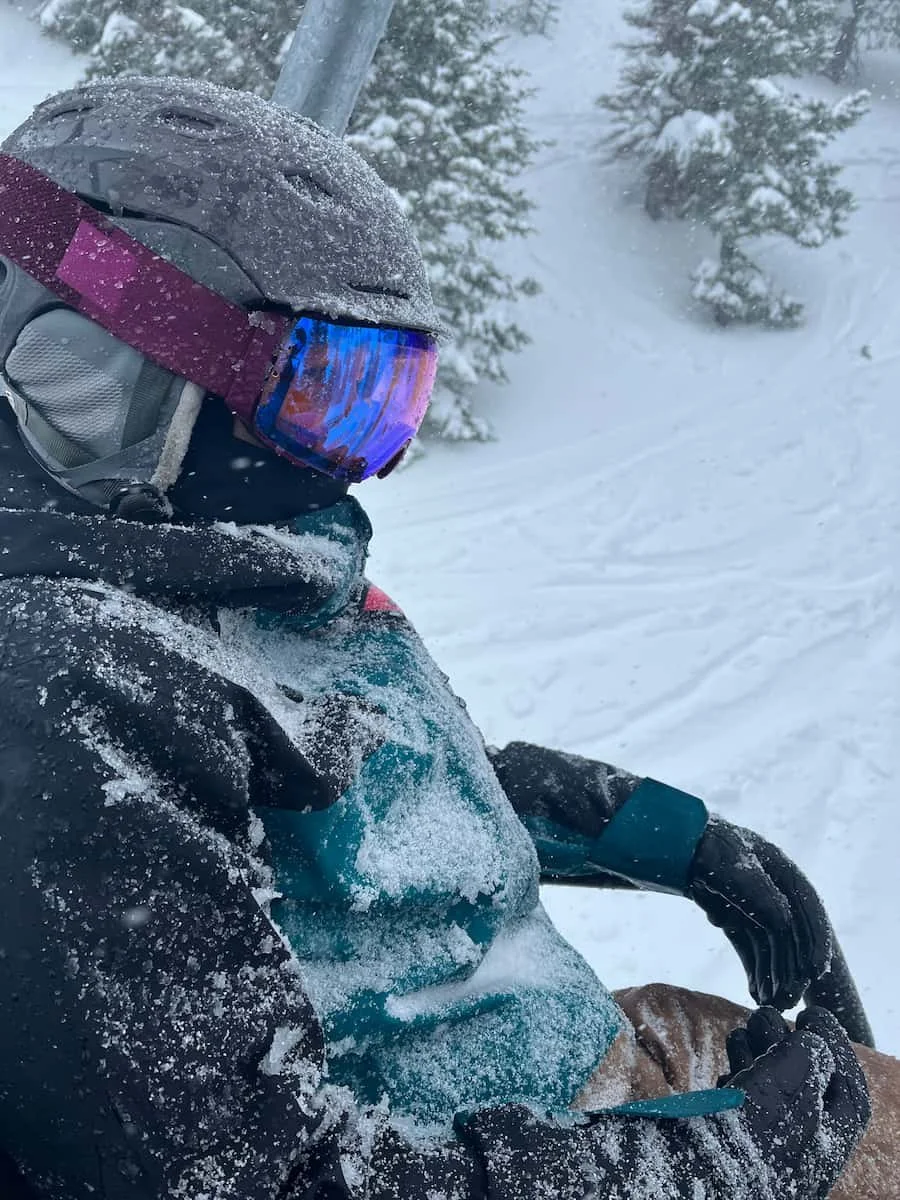
One of the most common misconceptions in the outdoor community is that a "leaking" jacket is a broken jacket. In reality, most users experiencing dampness inside their shell are likely victims of wet-out. This occurs when the exterior face fabric of the garment becomes saturated with water. When the outer layer is soaked, the microporous membrane cannot transport your sweat vapor to the outside. This creates a barrier of moisture on the inside that feels exactly like a leak, but it is actually just trapped perspiration.
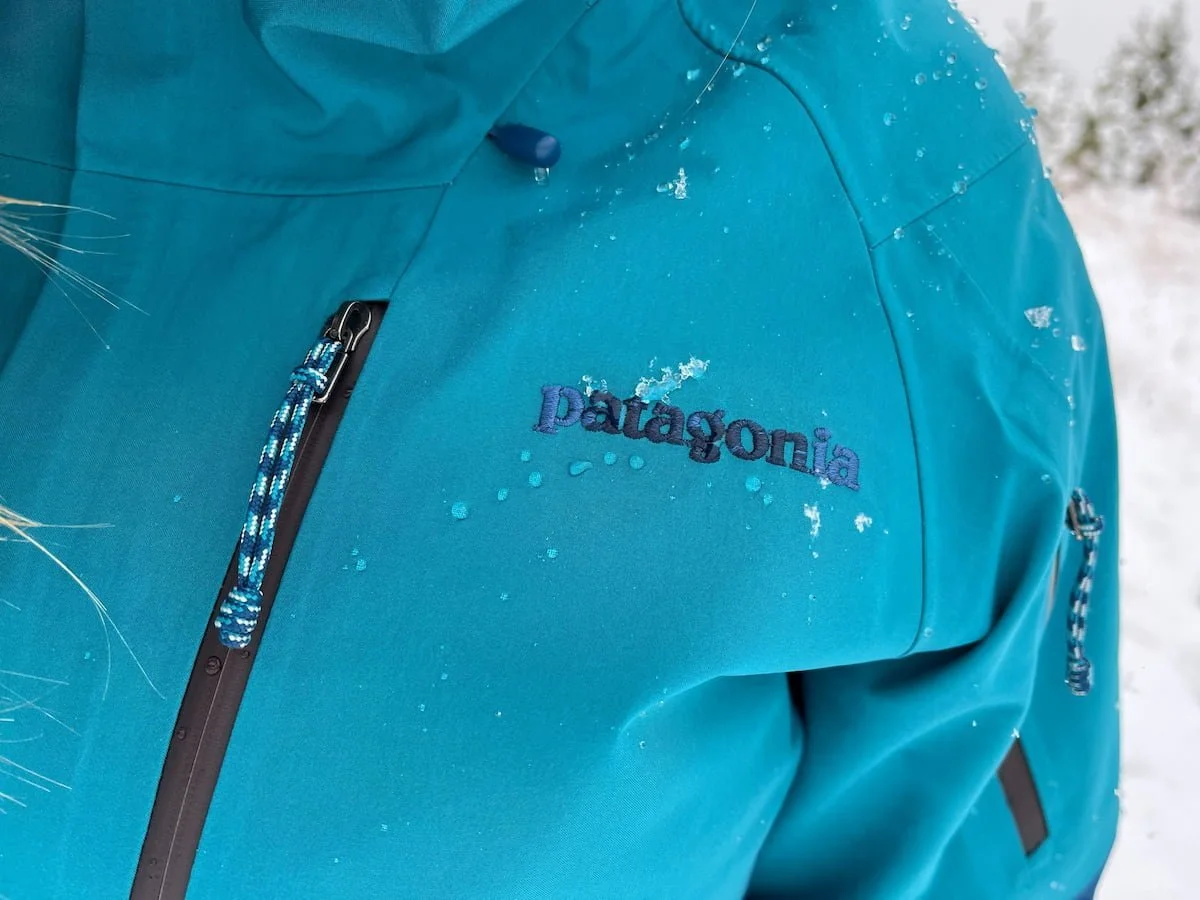
To determine if your gear is still functioning, perform the Water Bead Test. Pour a small amount of water over the shoulders and arms of the jacket. On a healthy shell, the water should form tight, spherical beads that roll off immediately. If the water creates a dark, damp patch where the fabric absorbs the liquid, your surface tension has failed.
This loss of performance is often caused by body oil contamination and dirt. These microscopic particles act like tiny magnets for water, pulling moisture into the fabric fibers rather than letting it sit on top. If your breathability performance feels lower than usual or the jacket looks "heavy" during a rainstorm, it is time for a thorough Gore-Tex shell maintenance session.
Step-By-Step: Cleaning Gore-Tex Membranes Without Damaging DWR
The foundation of Gore-Tex care is a clean membrane. Many hikers fear that washing their expensive hardshell will strip away its protection, but the opposite is true. According to industry experts, washing garments after every 10 to 12 days of intense activity is the best way to prevent the waterproof laminate from delaminating or peeling away from the face fabric.
Before you start, preparation is key. Close all zippers, including the main front zipper, pit zips, and pockets. Secure all Velcro cuffs and loosen the elastic drawcords. This prevents snagging and ensures the entire surface of the jacket is exposed to the cleaning agent.
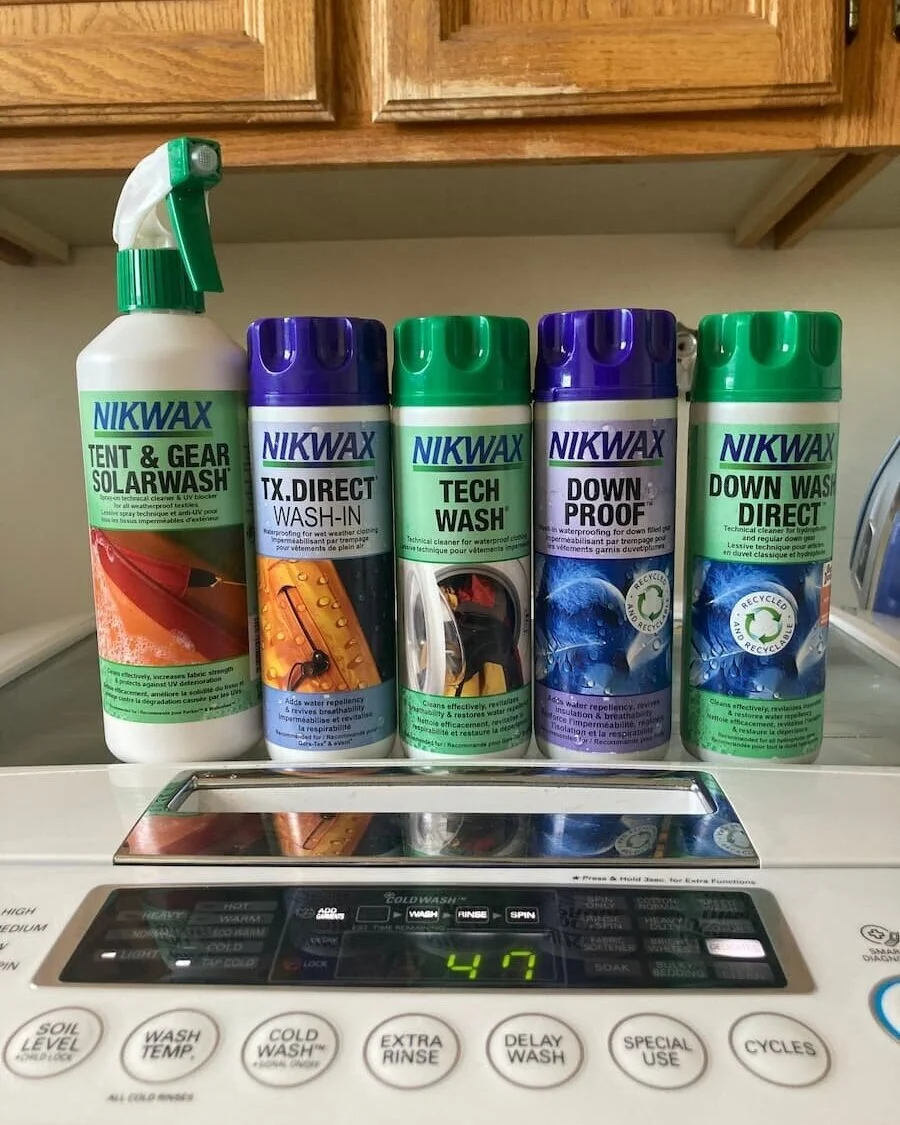
When choosing a soap, using tech wash instead of laundry detergent for shells is a non-negotiable rule. Regular household detergents contain perfumes, surfactants, and "optical brighteners" designed to stay in the fabric. These residues are hydrophilic (water-attracting), which will immediately kill the effectiveness of your waterproofing treatment for rain gear. A specialized garment detergent, on the other hand, is designed to rinse away completely, leaving the microporous layers clear and functional.
- Set your agitator-free washer to a warm permanent press cycle (thermal settings around 105°F/40°C).
- Add the recommended amount of specialized liquid detergent.
- Rinse the garment twice to ensure every trace of salt, oil, and soap is gone.
- Avoid heavy spin cycles; a low-speed spin is safer for the laminate construction and prevents creasing.
Restoration: Drying Gore-Tex to Reactivate Durable Water Repellent
The secret weapon in Gore-Tex care isn't the soap—it is the heat. While most high-end clothing labels tell you to stay away from the dryer, technical hardshells actually crave it. Most modern shells come from the factory with a DWR coating that consists of "microscopic spikes." When the jacket gets dirty or worn, these spikes lay flat, allowing water to saturate the fabric.
By drying Gore-Tex to reactivate durable water repellent, you are using thermal energy to stand those spikes back up. Once the jacket is damp-dry (either from the wash or air-drying), place it in the tumble dryer on a medium-low heat setting for 20 minutes. This provides the necessary heat activation to restore the surface tension.
If you do not have access to a tumble dryer, you can use a clothing iron. Set the iron to a low heat setting without steam. Place a thin towel over the jacket to act as a barrier and gently move the iron over the fabric. This process is highly effective for localized Gore-Tex shell maintenance, especially on the high-wear areas like the shoulders and cuffs.
Re-application: Wash-In vs Spray-On DWR for Hardshells
Eventually, the original factory coating will wear off completely, and heat activation will no longer be enough. When this happens, you need to apply a fresh layer of waterproofing. This brings us to the classic debate: wash-in vs spray-on DWR for hardshells.
The choice depends heavily on the difference between hardshell and rain jacket maintenance requirements. Most professional-grade Gore-Tex shells utilize a three-layer laminate construction with an internal wicking liner.
| Feature | Wash-In DWR | Spray-On DWR |
|---|---|---|
| Best For | Fleeces, softshells, single-layer rain gear | Technical hardshells, 3-layer Gore-Tex |
| Internal Impact | Covers the interior wicking/mesh lining | Keeps the interior clean and breathable |
| Breathability | Can clog the inside, reducing sweat export | Targets only the face fabric for maximum airflow |
| Application | Handled by the washing machine | Manual application while the garment is wet |
For technical shells, spray-on is usually the winner. It allows you to target the exterior face fabric without coating the interior lining. If the interior lining is coated (as it is with wash-in solutions), your sweat will have a harder time reaching the membrane, leading to more condensation and a "clammy" feel. When applying spray-on solutions, focus heavily on the shoulders, hood, and sleeves, as these areas face the most direct abrasion and rainfall.
The DIY Hardshell Repair Guide: Patches and Tapes
Accidents happen. Whether it is a snag on a jagged rock or a stray spark from a campfire, a hole in your jacket shouldn't mean a trip to the trash. Learning how to patch a hole in a gore-tex jacket is a vital skill for any serious outdoors person.
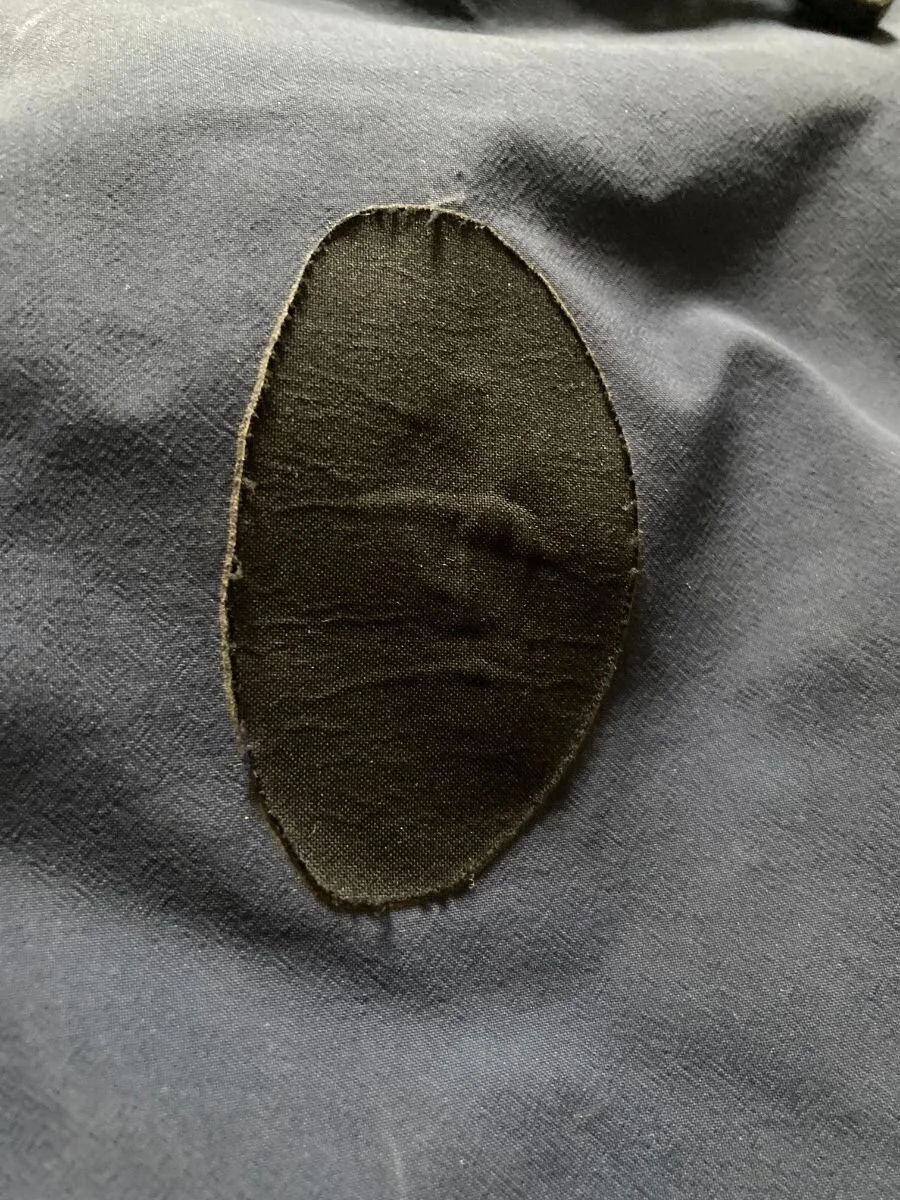
For small punctures and tears under four inches, Tenacious Tape or specialized GORE-TEX fabric patches are the industry standard. These patches use a pressure-sensitive or heat-activated adhesive that creates a permanent, waterproof bond.
When performing a repair:
- Clean the area with isopropyl alcohol to remove any body oil contamination or dirt.
- Flatten the fabric so there are no wrinkles around the tear.
- Trim the patch into a circle or oval. Removing sharp corners is essential because corners are the first places to snag and peel.
- Apply the patch to the exterior fabric and press firmly.
- For the most durable bond, use a hair dryer or iron on low heat for 30 seconds to "cure" the adhesive.
For structural damage larger than four inches or tears located directly on a seam, you should look for professional hardshell repair guide resources or authorized repair centers. These facilities use specialized seam-taping machines that replicate factory standards, ensuring the jacket remains fully waterproof under pressure.

FAQ
How do you wash Gore-Tex gear without damaging it?
To clean your gear safely, use a front-loading washing machine (or a top-loader with no central agitator) on a warm, gentle cycle. It is vital to use a specialized garment detergent like Nikwax or Grangers rather than household soap. Ensure all zippers and Velcro straps are fastened before the cycle starts, and always run an extra rinse cycle to clear out any remaining cleaning agents from the microporous layers.
Does putting Gore-Tex in the dryer ruin it?
No, the dryer is actually a critical tool for maintaining the performance of the garment. Applying 20 minutes of medium-low heat after washing is the primary method for heat activation of the DWR coating. Just ensure the heat isn't excessively high, as extreme temperatures can damage the adhesive on some seam tapes.
How do you restore the water repellency of Gore-Tex clothing?
Restoration involves two steps. First, try washing the jacket and tumble drying it on low heat for 20 minutes to see if the original DWR can be revived. If water still fails to bead on the surface after drying, you must apply a fresh waterproofing treatment for rain gear. For technical shells, a spray-on DWR application while the jacket is clean and wet is generally the most effective method.
How do you know when it is time to re-waterproof Gore-Tex?
The most reliable sign is "wet-out," where the outer fabric absorbs water and turns dark or heavy rather than letting water bead and roll off. You should check this using the Water Bead Test. If your jacket feels heavy or you notice increased condensation inside despite the garment being clean, your surface DWR has likely worn off.
Can you use regular laundry detergent on Gore-Tex?
You should avoid regular laundry detergent at all costs. Standard detergents are formulated to break down surface tension to clean clothes, but they leave behind hydrophilic residues that attract water. These residues clog the membrane and cause the face fabric to soak up moisture, effectively killing the jacket's breathability and water-shedding capabilities.