Grand Canyon Emergency Directory
Park NPS Dispatch (Non-Emergency): (928) 638-7805 Emergency: Dial 911 Mental Health Support: 988 Suicide and Crisis lifeline Park Ranger Emergency Response: Available 24/7 for incidents on both North and South Rims.
Quick Facts
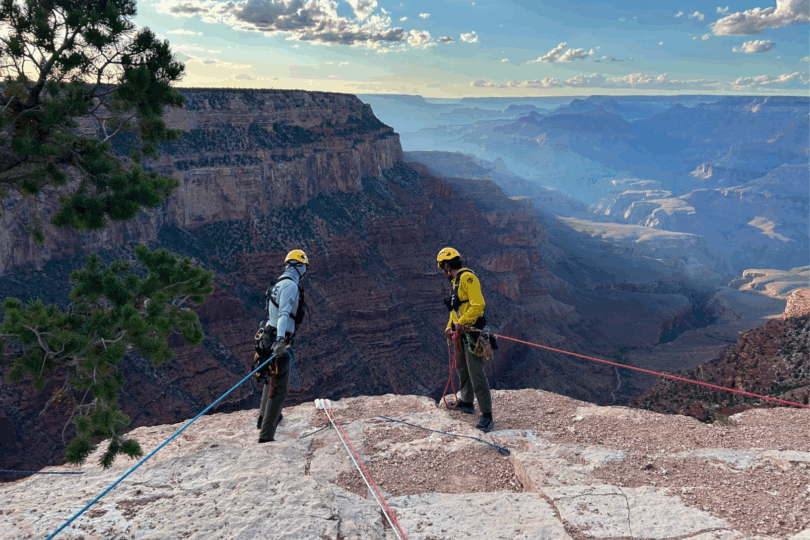
- Recent Incident: A fatal vehicle plunge occurred near the South Kaibab Trailhead, requiring a 300-foot recovery operation.
- Top Hazards: Motor vehicle crashes, drownings, and falls are the leading causes of death in U.S. National Parks.
- Demographics: Data from 2025 indicates that approximately 83 percent of fatalities in national parks involve males.
- 2026 Trend: The first two months of 2026 saw 20 deaths, a sharp increase from the four recorded in early 2025.
- Rescue Logistics: Victims are typically transported 80 miles to Flagstaff Medical Center; helicopter extraction ranges from $10,000 to $30,000.
- Environmental Alert: Expect closures on the Silver Bridge and River Trail through June 2026 for infrastructure repairs.
Recent National Park Service reports have confirmed another tragedy in the long history of Grand Canyon accidents. Following a fatal vehicle incident near the South Kaibab Trailhead, visitors are urged to review revised South Rim visitor safety tips. Staying alert to National Park Service accident reports can save lives. According to the recent incident logs, a vehicle drove off the South Rim with the individual recovered from 300 feet below the edge. While driving off the rim is rare, similar fatal vehicular incidents have been documented in previous years, prompting ongoing safety investigations by park rangers and the Coconino County Medical Examiner.
Understanding the Incident: National Park Service accident reports
The vastness of the Arizona high desert often masks the inherent risks of visiting a landscape defined by 1,000-foot drops and unpredictable terrain. When the National Park Service reports a fatality, the process of Vehicle recovery procedures is both technically difficult and emotionally taxing for staff. In recent reports, the Coconino County Medical Examiner has worked alongside park rangers to determine the causes behind a series of incidents, including the tragic event near South Kaibab.
To put these events in context, we look at the NPS Mortality Data. It is a sobering reality that motor vehicle crashes, drownings, and falls remain the top three leading causes of unintentional deaths in U.S. national parks. The scale of the park means that even a minor mistake can escalate quickly. In 2025, data showed that 198 people died at national park sites, with males accounting for approximately 83 percent of those fatalities.
The early months of 2026 have been particularly difficult. Reports indicate that the National Park Service recorded 20 visitor deaths during the first two months of 2026, which is a significant increase from the four deaths recorded during the same period in 2025. This surge underscores the need for visitors to familiarize themselves with common causes of accidental falls at Grand Canyon before they set foot on the trail.
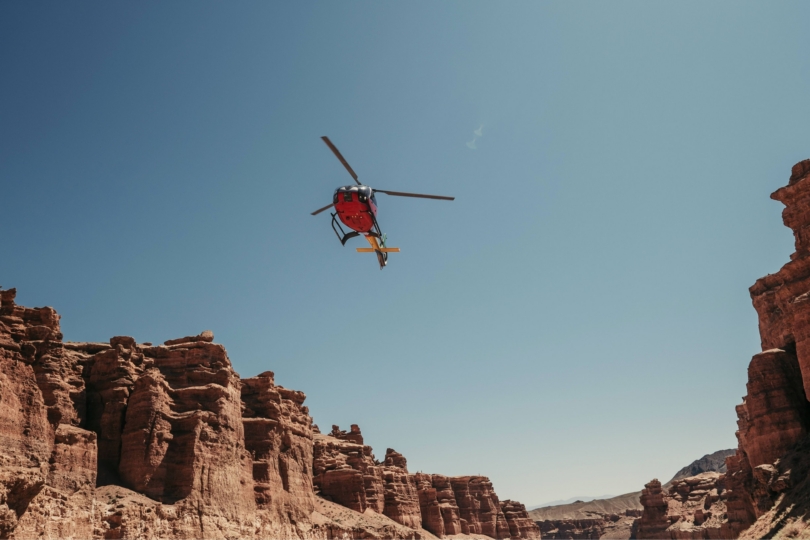
Reality Check: The Price of Rescue Helicopter extraction at the Grand Canyon is not a free service provided by the government. Depending on the complexity of the terrain and the urgency of the medical condition, a flight to Flagstaff Medical Center can cost between $10,000 and $30,000. Most travel insurance policies do not cover high-altitude or technical rescues unless specifically stated.
Grand Canyon rim driving safety: Navigating the Rim and Highways
Driving within a national park feels different than a standard commute, but the rules of the road are even more critical here. The Highway 64 traffic incidents often stem from a combination of driver fatigue, distraction by scenery, and wildlife encounters. To ensure your trip remains a memory for the right reasons, preventing car accidents on Grand Canyon rim requires constant vigilance.
Motorists must strictly adhere to posted speed limits. The roads are shared with a massive population of elk and deer that frequently cross the asphalt without warning. The risk spikes during dawn and dusk when visibility is at its lowest. Implementing wildlife collision prevention on Grand Canyon roads is simple: slow down, scan the shoulders, and never use high beams when approaching oncoming traffic.
For those driving safely at night in Grand Canyon National Park, be aware that there are no streetlights once you leave the village. The darkness is absolute. Many drivers find themselves caught in GPS traps, where digital maps suggest "shortcuts" onto unpaved, unmaintained forest service roads that lead away from the rim and toward dangerous, isolated sectors. Using the free National Park Service shuttle bus system is highly recommended. Not only does this reduce traffic congestion, but it also eliminates the hazards of navigating busy parking areas near unstable canyon edges.
Rim & Overlook Safety: Avoiding Accidental Falls
The allure of the perfect photograph is one of the primary drivers behind South Rim visitor safety tips updates. People often forget that the canyon rim is a dynamic, eroding geological feature. Rim erosion risks mean that a ledge that looked solid yesterday could crumble tomorrow under the weight of a single person.
When visiting popular viewpoints like Mohave Point or Mather Point, it is vital to respect Perimeter guardrail restrictions. These barriers are not suggestions; they are engineered to save lives. Fatalities often occur when visitors step too close to crumbling edges or climb over viewpoint fencing for an unobstructed photo.
To maintain safety, follow this Grand Canyon South Rim visitor safety checklist:
- Stay behind designated guardrails at all times.
- Wear sturdy hiking boots with grippy soles rather than flip-flops or smooth-bottomed sneakers.
- Keep children within arm's reach; the wind at the rim can be strong enough to knock a small child off balance.
- Use a tripod or a selfie stick to keep your body centered well away from the edge when taking photos.
- Remain cautious of loose gravel on steep trail sections like South Kaibab, where the transition from flat ground to a 10 percent grade is immediate.
Beyond the physical barriers, safe photography tips at Grand Canyon overlooks focus on situational awareness. Never back up to get a wider shot without looking behind you first. The most common causes of accidental falls at Grand Canyon involve simple trips or slips while the individual was distracted by a lens or a screen.
2026 Trail Status and Environmental Hazards
Safety at the canyon extends beyond the rim. Those heading below the edge face a different set of challenges, primarily related to heat and infrastructure. The area known as The Box—a narrow section of the Bright Angel Trail—can see temperatures soar to 130°F. Managing heat exhaustion is a critical skill for any hiker. For 2026, the park has issued warnings that heat stroke protocols are in full effect, and hikers are advised to finish their ascent before 10:00 AM.
Infrastructure changes are also impacting routes this year.
- Silver Bridge Closure: The Silver Bridge is currently closed for repairs, affecting those walking between the Bright Angel and South Kaibab trails.
- River Trail Access: Portions of the River Trail are restricted through June 2026.
- North Rim Recovery: Following recent fires, North Rim lodging alternatives are limited, and some backcountry sectors remain under monitoring for falling debris.
If a hiker becomes incapacitated, the logistical reality of a Helicopter extraction becomes the only option. However, wait times can be several hours depending on the weather and the number of active park ranger emergency response calls throughout the region.
FAQ
How many people die at the Grand Canyon each year?
On average, about 12 to 15 people die at the Grand Canyon annually. These deaths range from natural causes and medical emergencies to unintentional injuries like falls or traffic accidents.
What is the most common cause of death in the Grand Canyon?
While falls garner the most media attention, medical emergencies—specifically heart attacks and heat-related illnesses—are extremely common. However, according to broader National Park Service data, motor vehicle crashes and drownings are also among the leading causes of unintentional fatalities.
How many people have fallen into the Grand Canyon?
It is estimated that around 800 people have died in the Grand Canyon since the mid-1800s, with a significant portion of those being due to falls. However, when compared to the millions of visitors each year, the statistical likelihood of falling is low if safety protocols are followed.
How do I stay safe while visiting the Grand Canyon?
Stay behind guardrails, drink plenty of water (at least one liter per hour when hiking), and wear appropriate footwear. Avoid the rim during lightning storms and never hike alone in the backcountry.
What are the most common accidents for tourists at the Grand Canyon?
The most frequent incidents include heat exhaustion, dehydration, twisted ankles on trails like South Kaibab, and minor vehicle collisions in crowded parking lots. Falls from the rim, while often fatal, are less frequent than these common travel mishaps.