Quick Facts
- Insulation Choice: Down offers the best warmth-to-weight ratio for dry conditions, while synthetic insulation is the reliable choice for wet or high-exertion activities.
- Market Trends: In 2025, down jackets held a 38.2% share of the global warm winter jacket market, though synthetic options are the fastest-growing segment through 2034.
- Wet Weather Recovery: Modern hydrophobic down can retain between 70% to 80% of its dry warmth even when the material becomes saturated.
- Ethical Standards: Responsible shoppers should look for the Responsible Down Standard (RDS) label, which ensures 100% of the feathers are sourced humanely.
- Warmth Metrics: Synthetic warmth is measured in grams per square meter (gsm), while down efficiency is measured by its fill power rating.
- Maintenance: While down can last for decades with proper care, synthetic insulation typically loses its loft after several years of heavy compression.
When you are starting your outdoor journey, the most important part of any insulated jacket guide is understanding that your choice depends entirely on your specific environment and activity level. If you are heading into high-altitude, dry cold, down provides unmatched packability, but if you expect humidity or sweat, synthetic insulation is the preferred choice because it retains heat even when damp and manages moisture more effectively during high-output tasks.
Down vs. Synthetic: The Performance Trade-off
Choosing between these two primary materials often feels like navigating the longevity paradox. Down insulation, made from the plumules of ducks or geese, is nature’s most efficient insulator. It can last twenty to thirty years if maintained correctly. However, traditional down has a significant weakness: when it gets wet, it clumps together like a wet cat, losing all its loft recovery and heat-trapping ability.
To combat this, many manufacturers now use hydrophobic coating on the down clusters. This treatment helps the jacket maintain thermal regulation even in damp conditions. Despite these advances, synthetic insulation properties remain the king of humidity. Synthetic fill is made of polyester fibers designed to mimic down. While it is heavier and less packable, it handles moisture management much better. It dries quickly and continues to trap air even if the shell fabric is soaked through.
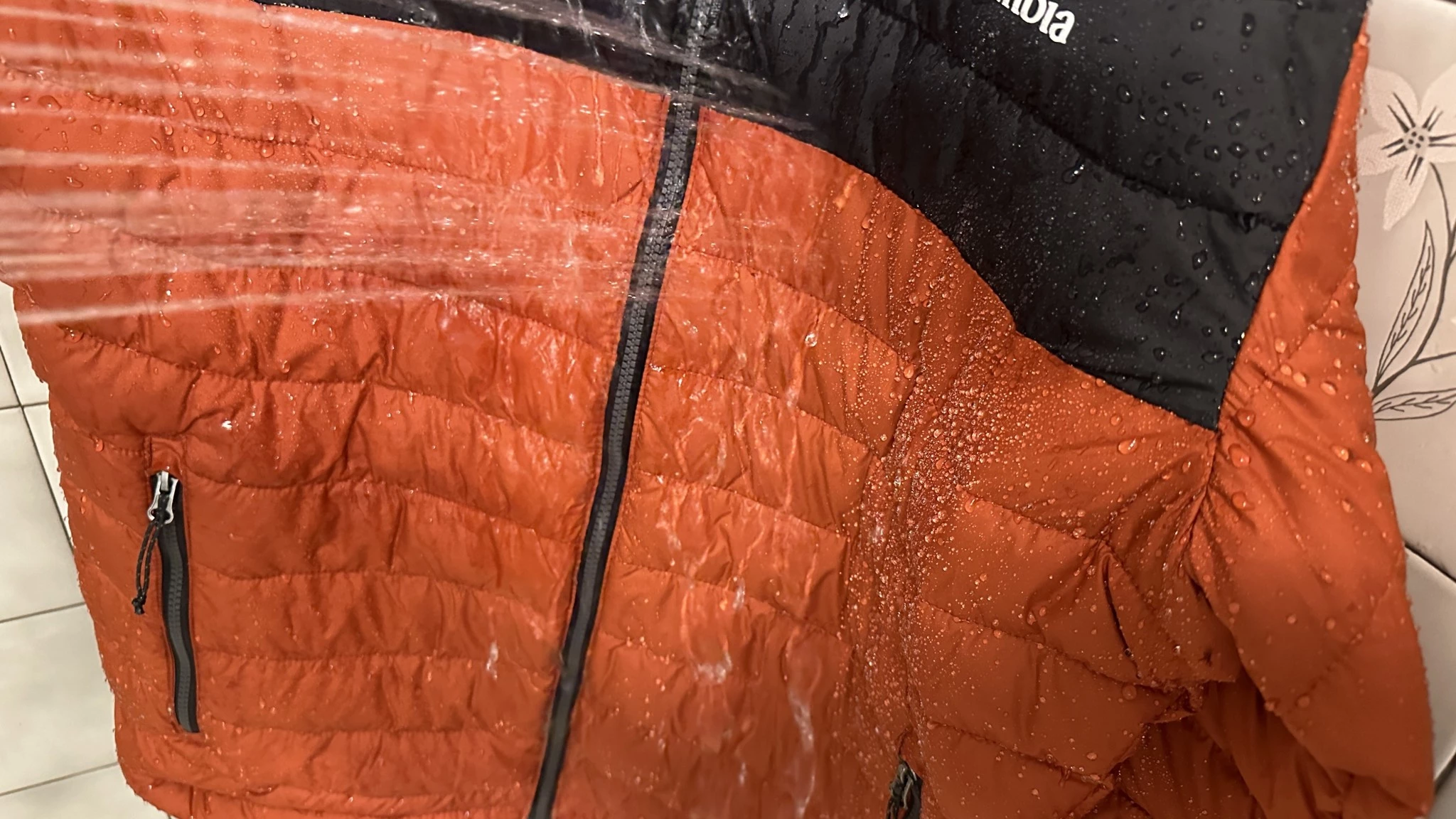
For a beginner hiker, the down vs synthetic insulation comparison often comes down to where you live. If you are exploring the humid Appalachian Trail or the rainy Pacific Northwest, down vs synthetic insulation for wet weather is a debate where synthetic usually wins. If you are in the dry Rockies, the lighter weight of a down jacket might be worth the higher price tag.
Understanding the Weight: The GSM and Fill Power Framework
If you have looked at technical specs, you have likely seen two different numbering systems. For down, we talk about fill power. A 650-fill jacket is standard, while a 900 or 1000-fill jacket is an ultralight masterpiece that provides massive warmth for almost no weight. For synthetic jackets, we use a synthetic insulation weight guide based on grams per square meter, or gsm.
Understanding synthetic insulation gsm weight ratings is the key to knowing if a jacket will actually keep you warm. Synthetic insulation thickness measures density rather than loft.
- 40-60 gsm: This is a lightweight jacket. It is meant for active use in cool weather or as a layering piece.
- 100-150 gsm: This is a mid-range, 3-season insulator capable of handling freezing temperatures when you are moving.
- 200+ gsm: These are heavyweight models designed for maximum warmth in frigid, sub-zero environments.
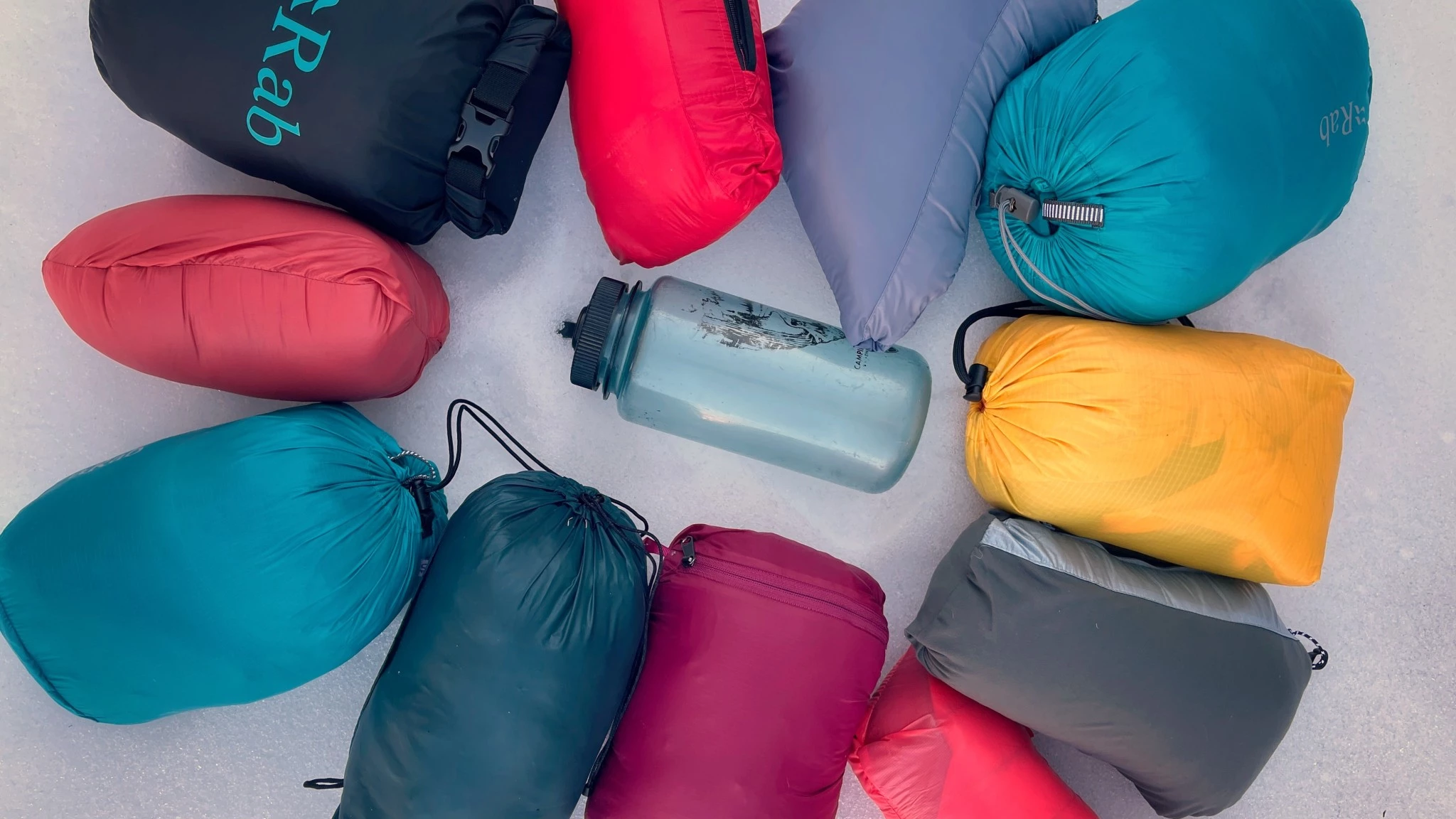
Unlike down, gsm measures the weight of the material in a specific area. This is why two synthetic jackets with the same gsm might feel different; technologies like Primaloft or Polartec use different fiber structures to trap heat.
Choosing Your Layer: Active vs. Static Warmth
One of the biggest mistakes a beginner makes is buying a jacket that is too warm. When choosing an outdoor mid-layer, you need to decide if you are looking for active warmth or static warmth.
Active insulation is designed for movement. Imagine you are climbing a steep ridge or trail running. You need a jacket with air-permeable fabrics and breathable insulation that lets sweat escape. These jackets often use Polartec Alpha or mesh linings to ensure moisture management isn't compromised. If you wear a traditional, windproof down jacket while working hard, you will quickly "wet out" from the inside with sweat.

Static warmth is for when you stop moving—setting up camp, belaying a friend, or watching a sunrise. For these moments, you want a jacket with a windproof shell and high heat retention. Many expert hikers now use hybrid mapping, where the jacket uses synthetic insulation in high-sweat zones like the underarms and down in the core to maximize warmth. When you learn how to choose a mid-layer insulated jacket, always think about your heart rate. The best insulated jacket for high output activities is rarely the same one you want for a casual winter stroll.
Fit, Features, and Shell Durability
The technical construction of the outer shell is just as important as the fluff inside. You will often see a "D" rating, which stands for Denier. A 10D fabric is ultralight and feels like tissue paper, while a 40D or 70D ripstop nylon is much more durable against rocks and branches.
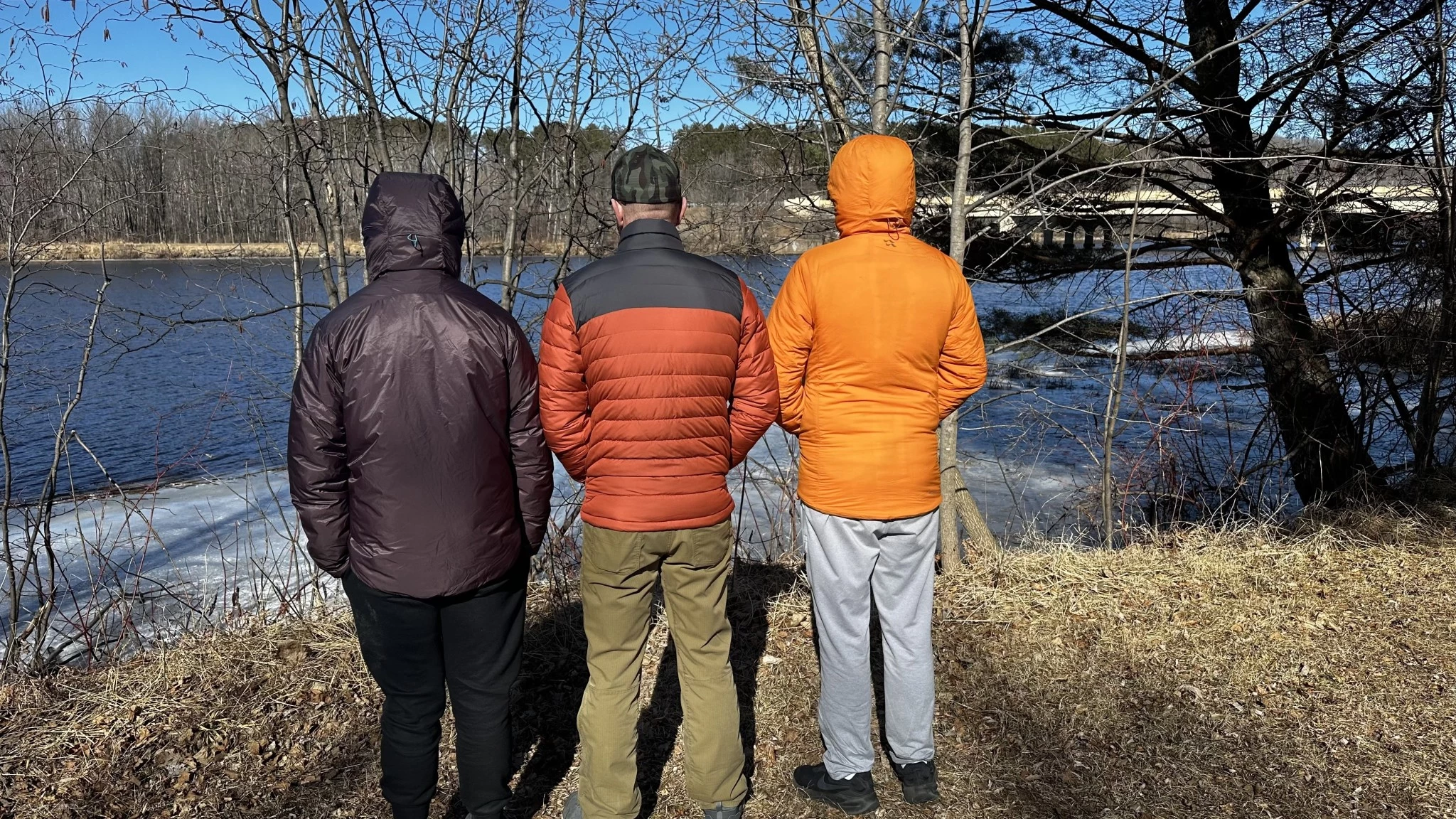
When considering how should an insulated jacket fit for layering, it should be a "Goldilocks" fit. If it is too tight, it will compress the insulation and kill the loft, making you cold. If it is too loose, your body has to work too hard to heat up the dead air space inside. Ensure you have enough room for a base layer underneath but can still pull a hardshell over the top if it starts to pour.
Beyond fit, look for specific sustainability credentials. To carry the Responsible Down Standard (RDS) label, 100% of the material must be certified to ensure humane treatment across the entire supply chain. Other features like helmet-compatible hoods, baffle construction (to prevent insulation from shifting), and harness-friendly pockets can make a massive difference in the field.
Maintenance: Restoring Your Jacket's Lifecycle
To keep your jacket performing like new, you have to be comfortable with maintenance. Over time, dirt and body oils will seep into the fibers, causing them to lose their loft. Both down and synthetic jackets feature a DWR (Durable Water Repellent) finish on the shell. If water stops beading on the surface, it is time for a wash.
For synthetic garments, cleaning and dwr maintenance for synthetic jackets is relatively straightforward. Use a technical wash and tumble dry on medium heat. The heat from the dryer is actually what reactivates the DWR coating. Down is more temperamental. It requires a non-agitator machine and specific down-cleaning soaps. You must tumble dry it with clean tennis balls to break up the clumps and restore the loft recovery.
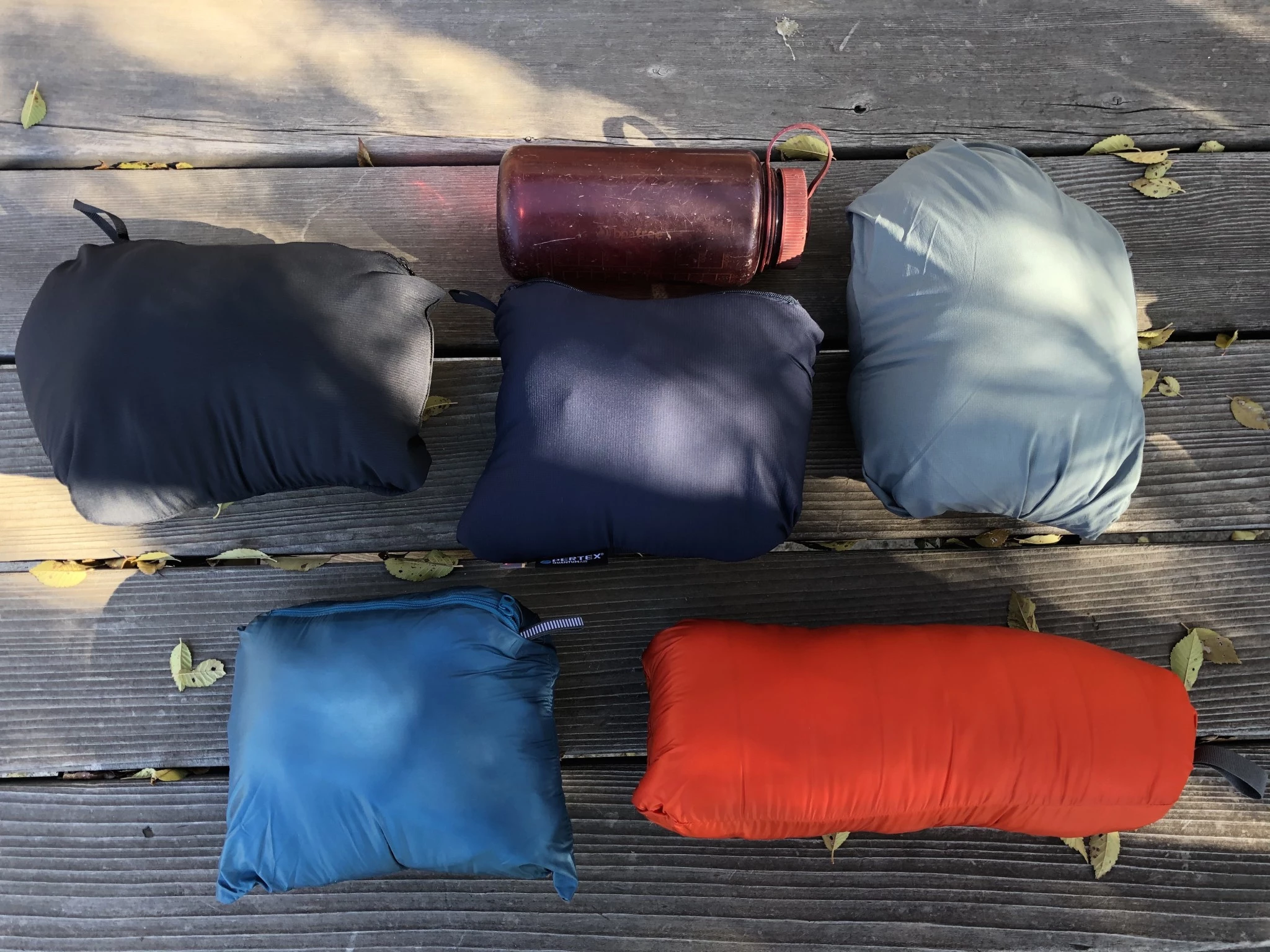
Proper storage also impacts longevity. Never store your insulated jacket in its tiny compression sack for long periods. Hanging it up allows the fibers to remain uncompressed, ensuring that when you head out on your next adventure, the jacket is ready to trap as much heat as possible.
FAQ
What is the difference between down and synthetic insulation?
Down is a natural material from ducks or geese that offers superior warmth-to-weight and lasts longer, but it fails when wet. Synthetic is a man-made polyester that is heavier but maintains warmth when damp and is generally more affordable.
What does fill power mean in an insulated jacket?
Fill power measures the quality and loft of the down. It represents how many cubic inches one ounce of down can fill. Higher numbers, like 800-fill, mean the down is more efficient at trapping heat for its weight compared to 600-fill.
Is a down jacket warmer than a synthetic jacket?
On an ounce-for-ounce basis, down is much warmer. However, a very thick synthetic jacket (200 gsm) can be warmer than a very thin down sweater. Warmth depends on the total amount and quality of the insulation used in the specific garment.
How should an insulated jacket fit over layers?
It should be snug enough to prevent cold drafts but loose enough that it doesn't compress the insulation against your body. You should comfortably be able to wear a mid-weight fleece or base layer underneath without feeling restricted in your shoulders.
What is the best insulation for wet conditions?
Synthetic insulation is the gold standard for wet conditions. It absorbs very little water and maintains its structure and warmth even when saturated. Hydrophobic down is a good middle ground, but it still cannot match the reliable performance of synthetic fibers in true humidity.
How do I care for and wash an insulated jacket?
Use a specialized technical cleaner rather than regular detergent. Always tumble dry on low to medium heat, as the heat is necessary to restore the DWR finish. For down, use dryer balls or tennis balls to ensure the feathers don't clump together during the drying process.