Quick Facts
- State Status: Despite being the driest state, Nevada offers over 6,500 miles of rivers and streams and 228,000 acres of lakes for paddling.
- Top Beginner Hub: Willow Beach on the Black Canyon Water Trail is the most accessible starting point for new paddlers.
- Essential Permit: All non-motorized vessels must have an Aquatic Invasive Species decal which costs $6 annually.
- Water Temperature: The Colorado River below Hoover Dam stays a constant 54°F year-round, posing a cold-water immersion risk even in summer.
- Safety Rule: A United States Coast Guard-approved Personal Flotation Device must be on board and is highly recommended to be worn at all times.
- Special Access: Launching from the base of Hoover Dam requires a specific Bureau of Reclamation permit and is usually managed by authorized outfitters.
Nevada offers various beginner-friendly waterways, including the Black Canyon Water Trail on the Colorado River, which features slow-moving water and geothermal hot springs. Whether you are looking for beginner-friendly waterways in Nevada like the Colorado River or alpine escapes, this guide to kayaking in Nevada provides everything you need to know about permits, safety, and the best desert waters.
Legalities and Launching: Permits & AIS Decals
Before you push off into the shimmering desert waters, you need to understand the regulatory landscape of the Sagebrush State. Nevada takes its water conservation seriously, especially regarding the spread of invasive species like quagga mussels. If you are bringing your own boat, federal and state laws require you to purchase and display an annual Aquatic Invasive Species (AIS) decal. This $6 fee is a small price to pay to protect the fragile riparian ecosystems that make paddling here possible.
While kayaking in Nevada is generally accessible, different jurisdictions have different rules. For instance, if you plan to launch at a Nevada State Park, you will encounter standard day-use fees. However, some of the most iconic locations require more advanced planning. Pyramid Lake is managed by the Pyramid Lake Paiute Tribe, meaning you cannot use your standard state permits here; instead, you must purchase a specific tribal paddling permit before arrival.
Furthermore, following Leave No Trace principles is non-negotiable. Desert environments are surprisingly delicate. What may look like a rugged canyon wall is often a sanctuary for bighorn sheep or rare nesting birds. Keeping your distance from wildlife and packing out all trash ensures these areas remains a pristine Nevada lake and river kayaking guide destination for years to come.
Legal Warning: Hoover Dam Launch Restrictions You cannot simply drive to the Hoover Dam and drop your kayak in the water. The area immediately below the dam is a Federal Security Zone. To launch from the base of the dam, you must book with an authorized outfitter or obtain a specific launch reservation which is often claimed months in advance. Most beginners find it much easier to launch from Willow Beach and paddle upstream.
Paddling the Black Canyon Water Trail: The Southern Gem
The Black Canyon National Water Trail offers kayakers a 30-mile stretch of the Colorado River that begins at the base of the Hoover Dam and extends to Eldorado Canyon. For a beginner, this is the premier destination. The water here is remarkably calm, moving with a gentle current that feels more like a long lake than a powerful river.
If you are wondering how to paddle the Black Canyon Water Trail without committing to a multi-day expedition, Willow Beach is your primary hub. Located about an hour south of Las Vegas, this site offers straightforward access to some of the river’s most famous landmarks. A popular four-mile round trip takes you to the iconic Emerald Cave. This small alcove is famous for its vibrant green water, a phenomenon caused by sunlight hitting the algae-covered riverbed at just the right angle.
For those seeking a bit more adventure, kayaking to desert hot springs in Nevada is a highlight of the canyon. Exploring further upstream from Willow Beach leads paddlers to Arizona Hot Springs and Nevada Hot Springs, where geothermal activity creates natural soaking tubs just steps from the riverbank. Because of the logistical hurdles involved in launching near the dam, many visitors opt for Nevada kayak rental and shuttle services guide offerings to handle the transportation and permit requirements for them.
Lake Tahoe and the High Desert: Emeralds and Ancient Remnants
While the south is dominated by the Colorado River, Northern Nevada offers a completely different landscape. Lake Tahoe is world-renowned for its clarity, and the Nevada side—specifically Sand Harbor—is one of the best places for beginner kayaking in Nevada. Here, the water is so clear you can see boulders thirty feet below the surface.
However, paddling the Sierra Nevada comes with a unique challenge: the Washoe Zephyr. These are powerful afternoon winds that can whip up whitecaps on the lake in a matter of minutes. The golden rule for Lake Tahoe is a morning launch. Get on the water by 8:00 AM, and try to be off by noon to avoid the heavy chop.
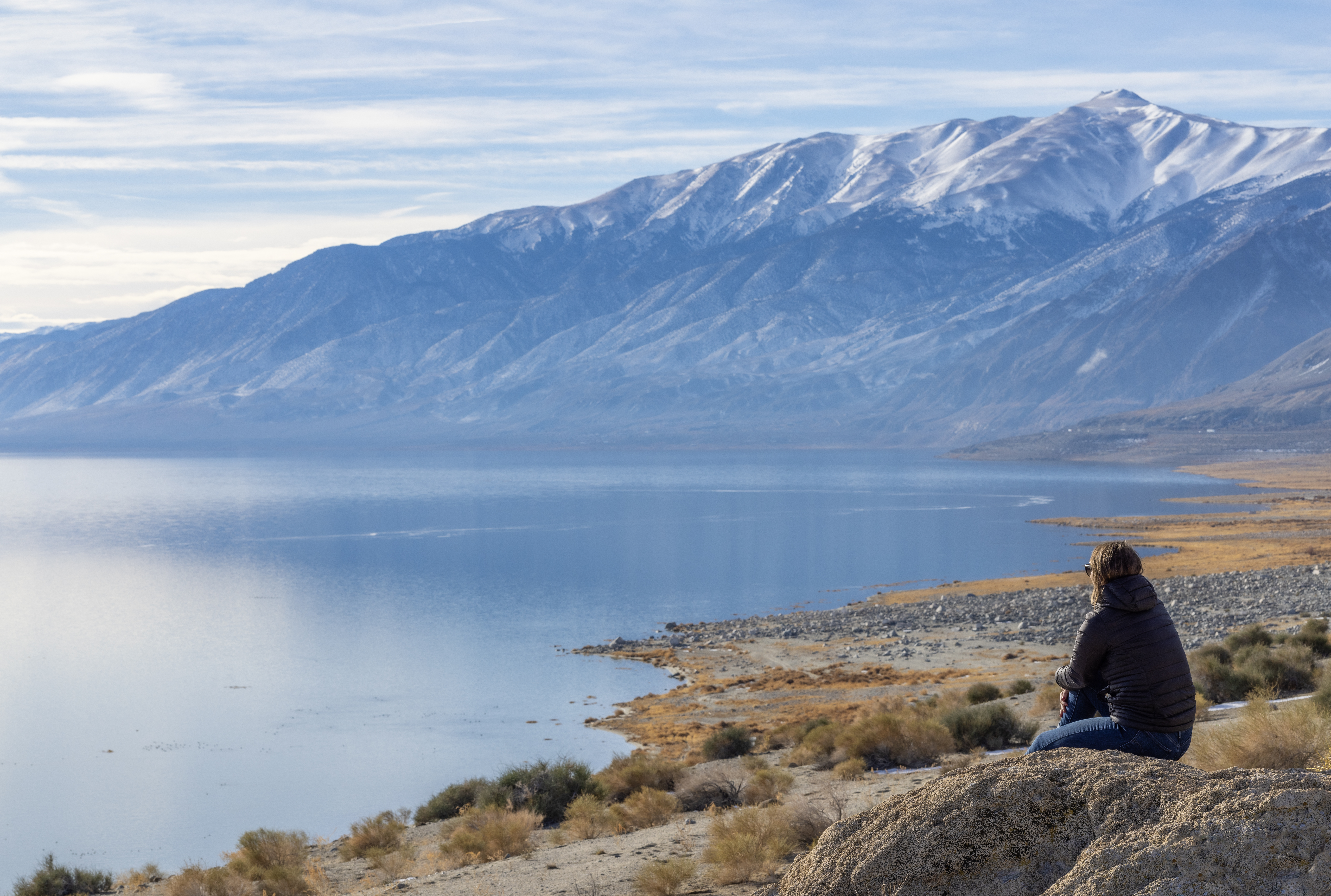
Moving away from the alpine peaks, the high-desert climate reveals hidden gems like the Ruby Lake National Wildlife Refuge. This is a spring-fed marsh system that serves as a vital stop for migratory waterfowl. It offers miles of flatwater excursions through tall reeds, where the only sound you’ll hear is the call of a canvasback duck. Similarly, Walker Lake serves as a prehistoric remnant of the ancient Lake Lahontan. It offers a wide, open desert landscape that feels vast and untouched, perfect for those who want to escape the crowds.
Essential Safety for Desert Waters
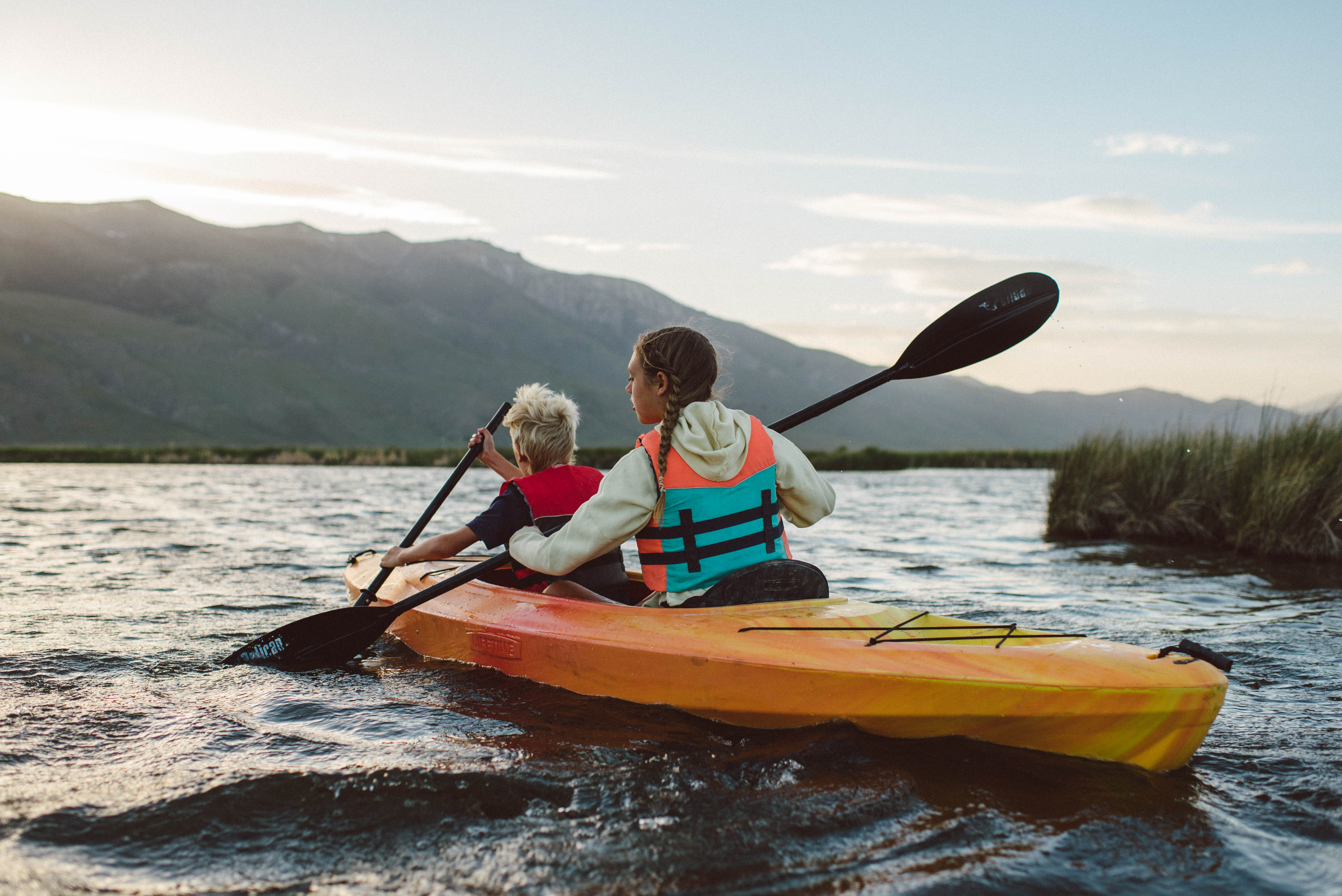
Kayaking in a desert environment creates a strange paradox: you are often surrounded by intense heat while floating on freezing water. In the Black Canyon, the water is released from the bottom of Lake Mead, keeping it at a steady 54°F. If you capsize, cold shock can set in quickly, which is why wearing a Personal Flotation Device is the most important safety step you can take.
You also need to be aware of the environment’s volatility. High winds can change conditions on open lakes like Pyramid Lake or Rye Patch State Recreation Area with very little warning. Always check seasonal water flows and weather alerts before you head out.
To help you prepare, use this matrix to guide your packing:
Beginner Kayak Gear Matrix
| Category | Recommended Gear | Why You Need It |
|---|---|---|
| Safety | USCG-Approved PFD | Essential for buoyancy in cold 54°F water. |
| Sun Protection | UPF 50+ Long-Sleeve Shirt | The desert sun reflects off the water, doubling your exposure. |
| Hydration | 1 Gallon of Water | Dehydration happens fast in the high-desert climate. |
| Storage | 15L-20L Dry Bag | Keeps your phone, permits, and AIS decal dry and secure. |
| Apparel | Neoprene Booties | Protects feet from sharp river rocks and keeps them warm. |
Monitoring the wind is just as important as monitoring the water. In the desert, a calm morning can turn into a 30-mph gale by mid-afternoon. Safety tips for kayaking in desert winds include staying close to the shoreline and paddling into the wind on your way out so that you have the wind at your back on the return trip when you are tired.
FAQ
Where are the best places to go kayaking in Nevada?
The most popular spots for beginners are the Black Canyon Water Trail (Willow Beach) for calm river paddling and Sand Harbor at Lake Tahoe for clear alpine waters. For a more secluded experience, Ruby Lake National Wildlife Refuge and Walker Lake offer unique high-desert scenery.
Do you need a life jacket to kayak in Nevada?
Yes. Nevada law requires every person on board a vessel to have a wearable Personal Flotation Device. For children under 13, the life jacket must be worn at all times while the vessel is underway. Given the cold water temperatures in areas like the Colorado River, adults are strongly encouraged to wear theirs as well.
What is the best time of year for kayaking in Nevada?
Spring and fall are the peak seasons. During these months, the air temperatures are comfortable, and the winds are generally more predictable. Summer kayaking is popular but requires early starts to avoid the extreme desert heat, while winter paddling is possible in the Black Canyon due to the consistent water temperature.
Can you kayak through the Black Canyon water trails?
Absolutely. The Black Canyon National Water Trail is a 30-mile stretch open to kayakers. While the full trip from Hoover Dam to Eldorado Canyon is a major undertaking, beginners can enjoy shorter segments by launching from Willow Beach and exploring nearby caves and canyons.
Where can I rent kayaks in Nevada?
Major hubs like Willow Beach, Lake Tahoe (Sand Harbor), and Boulder City have numerous outfitters offering rentals. It is highly recommended to look for a Nevada kayak rental and shuttle services guide when planning trips near the Hoover Dam to ensure you have the proper permits and transportation.
Do I need a permit to kayak in Nevada state parks?
While you do not need a specific "paddling permit" for most state parks, you are required to pay the standard park entrance or day-use fee. Additionally, your kayak must have a valid $6 Aquatic Invasive Species (AIS) decal, and you should always check for specific local requirements if you are entering tribal lands or federally restricted zones.