Quick Facts
- Skin Safety: Zinc oxide and titanium dioxide are the only filters currently classified by the FDA as generally recognized as safe and effective.
- Immediate Effect: Mineral formulations provide immediate broad-spectrum UV protection upon application, requiring no absorption wait time.
- Growth in Use: Mineral-based active ingredients in sunscreens increased from 17 percent in 2007 to 43 percent in 2025.
- Photostability: Mineral filters do not break down under intense solar exposure, making them more reliable for long-duration outdoor sports.
- Athletic Performance: Physical barriers reflect UV as a reflective barrier rather than converting it to heat, preventing skin irritation during high-intensity exercise.
- Visual Safety: The characteristic white cast serves as a visual indicator for reapplication tracking, showing exactly where protection is missing.
The primary mineral sunscreen benefits for athletes include immediate broad-spectrum protection, superior photostability in high-index UV environments, and a physical shield that prevents the baconface blistering common in high-altitude sports. By creating a physical UV reflective barrier that stays on the skin's surface, these formulas offer a heavy-duty defense that does not sting the eyes when you begin sweating.
Beyond 'Baconface': Why Mineral Barriers are Essential Gear
In the world of high-altitude alpine sports, there is a visceral term for a catastrophic UV failure: baconface. It describes the raw, weeping, and red-to-purple blistering that occurs when the skin is literally cooked by intense solar radiation reflected off snow and ice. For a climber or a skier, this is not just a cosmetic issue; it is a performance-limiting injury that can take two weeks to recover from and significantly increases the long-term risk of skin cancer.
As an athlete, you carefully select your technical shell, your moisture-wicking base layers, and your polarized optics. You should treat your zinc oxide sunscreen face protection with the same level of scrutiny. At high altitudes, the atmosphere is thinner, providing less filtration for UVA and UVB radiation. Furthermore, snow can reflect up to 80% of UV rays, essentially doubling your exposure. In these environments, chemical sunscreens often fail because they are absorbed into the skin and can be "used up" or broken down by the very energy they are meant to neutralize.
Preventing severe sunburn blisters requires a permanent, unyielding barrier. Mineral sunscreen acts like a flexible, microscopic suit of armor. Because it sits on top of the skin rather than absorbing into it, it provides a consistent level of defense against the high UV index environments found on glaciers or peaks. It is the definitive choice for high altitude skiing where the wind can strip away lighter, chemical-based lotions, leaving your nose and cheeks vulnerable to severe damage.

The Science of the Shield: Physical vs Chemical Sunscreen for Outdoor Sports
To understand why mineral sunscreen benefits the serious athlete, we have to look at the underlying physics. Traditional chemical sunscreens work like a sponge; they absorb UV rays, convert that energy into heat, and then release that heat from the skin. For an athlete already struggling with thermoregulation during a high-intensity climb or run, adding more heat to the skin surface is counterproductive and often leads to the dreaded "sunscreen sting" in the eyes.
Conversely, mineral sunscreens containing Zinc oxide or Titanium dioxide work like a mirror. They reflect and scatter UV radiation before it even penetrates the upper layers of the dermis. This physical UV reflective barrier is fundamentally more stable. According to the Environmental Working Group, over 77 percent of reviewed sunscreens in 2025 fail to meet their safety and efficacy standards, largely due to the use of concerning chemical filters like oxybenzone. In contrast, mineral filters remain the gold standard for skin safety.
| Feature | Physical (Mineral) Sunscreen | Chemical Sunscreen |
|---|---|---|
| Active Ingredients | Zinc Oxide, Titanium Dioxide | Avobenzone, Oxybenzone, Octisalate |
| Action Mechanism | Reflects and scatters UV rays | Absorbs UV and converts to heat |
| Activation Time | Immediate upon application | 15–30 minutes wait required |
| Skin Sensitivity | Low; ideal for sensitive skin | Can cause irritation or stinging |
| Photostability | High; minerals do not break down | Lower; filters break down over time |
| Environmental | Reef-safe sunscreen ingredients | Often high impact on coral health |
When evaluating physical vs chemical sunscreen for outdoor sports, the performance edge goes to minerals. The photostability of zinc ensures that the SPF rating you start with at the trailhead is what you actually have two hours later. Furthermore, modern formulations often use non-nano mineral particles, which are large enough to stay on the surface of the skin without being absorbed into the bloodstream, maintaining your skin barrier integrity even during the most grueling physical vs chemical sunscreen for high intensity outdoor sports comparisons.
The Visibility Advantage: Monitoring Protection in High-Index Conditions
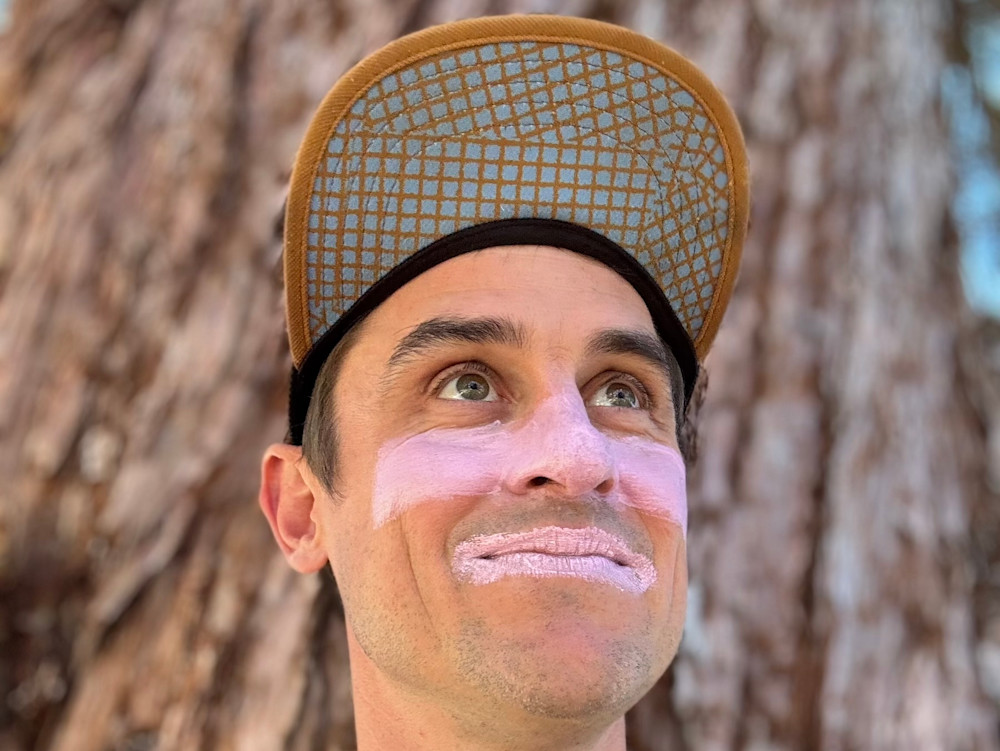
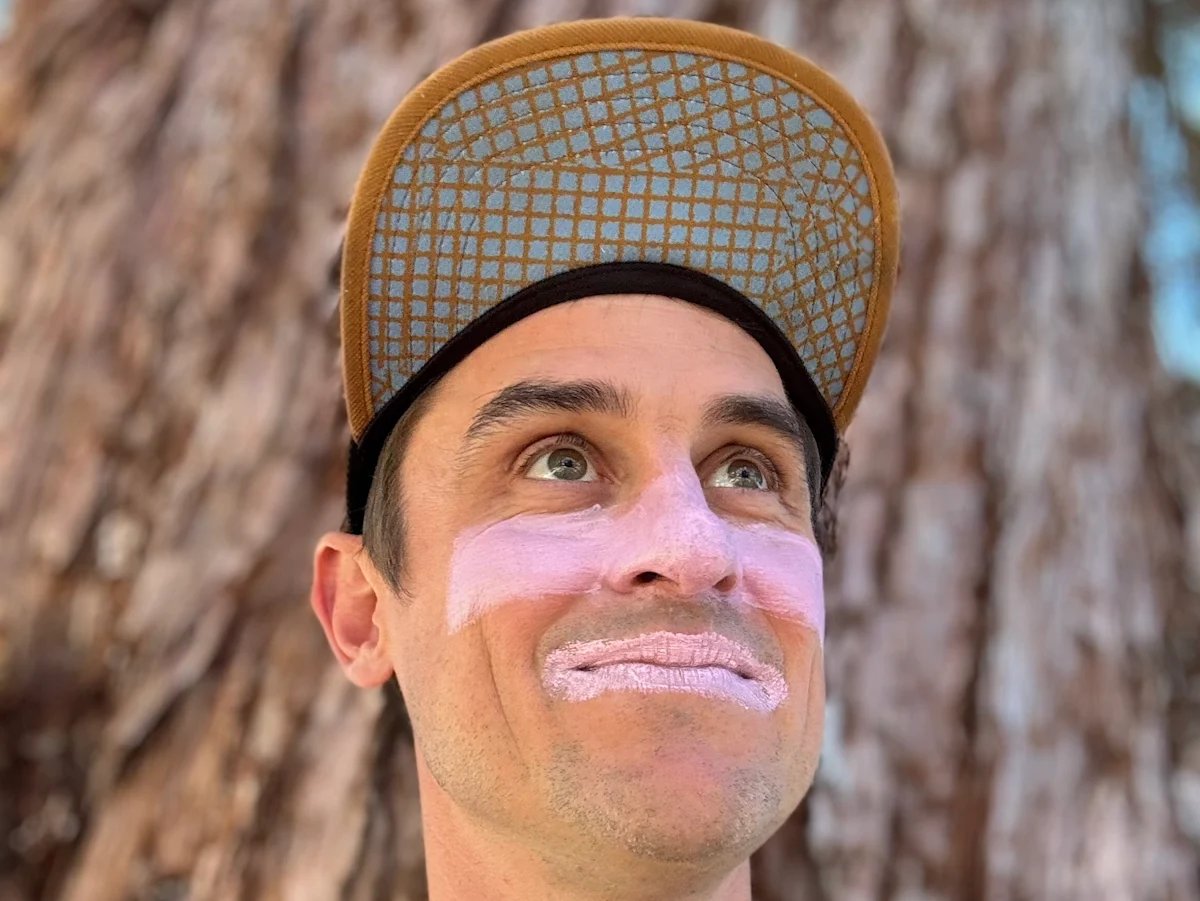
For years, the "white cast" left by traditional zinc was considered a marketing drawback. However, for the high-performance athlete, this visibility is actually a critical safety feature. When you are deep into a multi-hour session, it is easy to lose track of when you last applied. A visible mineral sunscreen benefits for reapplication tracking by acting as a biological sensor. If you can still see the slight white or tinted sheen on your nose and cheeks, your physical shield is likely still intact. If it has rubbed off due to sweat or gear friction, you have a clear visual cue that it is time to reapply.
This visibility is particularly important for those prone to hyperpigmentation. Many advanced mineral sunscreens now incorporate iron oxides for pigmentation protection. These iron oxides provide a tint that helps the product blend into various skin tones while also offering visible light defense, which is essential for athletes dealing with melasma or other light-sensitive skin conditions.
Unlike chemical filters that degrade and become invisible as they lose efficacy, the photostability of mineral options means they stay active as long as they are physically present on the skin. In high-exposure environments, having a visible layer of protection is the only way to be 100% certain you are not heading toward a case of baconface.

Pro Application Tips: Mastering the Two-Finger Rule and Stick Formats
Applying mineral sunscreen is not just about rubbing it on; it is about creating a uniform, technical layer. Most people apply only 25% to 50% of the recommended amount of sunscreen, which means a product labeled SPF 50 is effectively providing only SPF 15 protection. To get the full mineral sunscreen benefits, you must adhere to the 2mg/cm² dosage standard.
The Two-Finger Rule: To ensure you are getting broad-spectrum protection for your entire face and neck, squeeze out two consistent lines of sunscreen along your index and middle fingers. This represents roughly 1/2 teaspoon, the minimum volume required to achieve the labeled SPF.
For athletes on the move, mineral sunscreen application tips often focus on convenience. Stick formats are exceptionally popular for one-handed application while wearing gloves or holding poles. These sticks allow you to target high-friction areas like the bridge of the nose and the tops of the ears without getting lotion on your palms—which can compromise your grip on gear.
Because mineral formulas are physical shields, they can be wiped away by heavy sweating or towel use. Even with sweat-resistant mineral formulas, you must consider the 80-minute window for water resistance. If you are training at a high intensity where you are constantly wiping your brow, how often to reapply mineral sunscreen when sweating becomes every hour rather than every two. A quick "flash test"—checking your reflection in a phone screen or ski goggles—can help you verify if the barrier is still present.
FAQ
What are the main benefits of using mineral sunscreen?
The primary advantage is the immediate physical shield it creates. Unlike chemical sunscreens, mineral options do not require a 20-minute wait to become effective. They are also photostable, meaning they don't break down quickly in the sun, and they are recognized by the FDA as safe and effective.
Is mineral sunscreen better for sensitive skin than chemical sunscreen?
Yes. Mineral filters like zinc oxide and titanium dioxide are naturally hypoallergenic. Because they sit on the surface of the skin and do not penetrate into the pores or convert UV to heat, they are far less likely to cause the stinging or irritation that many athletes experience with chemical formulas, especially around the eyes.
Does mineral sunscreen work as soon as you apply it?
According to skincare research from Murad, mineral sunscreens provide immediate broad-spectrum UV protection from the moment they are applied to the skin. This makes them ideal for athletes who need to reapply quickly in the middle of a race or training session.
How do I prevent a white cast when using mineral sunscreen?
To minimize the white cast, look for "micronized" or "non-nano" formulas that are designed to be more transparent while still providing a physical barrier. Alternatively, tinted mineral sunscreens use iron oxides to match your skin tone, providing the same protection without the chalky appearance.
Is mineral sunscreen reef-friendly and better for the environment?
Generally, yes. Reef-safe sunscreen ingredients typically refer to mineral filters like non-nano zinc oxide. Unlike chemical filters like oxybenzone and octinoxate, which have been linked to coral bleaching, mineral particles are considered much safer for marine ecosystems.