Whether you are a seasoned carver or a beginner finding your edges on the bunny hill, the technology you strap to your head is the most critical piece of equipment you own. Modern research indicates that the right headgear can reduce the occurrence of non-serious head injuries, such as minor concussions, by nearly 70 percent. However, simply wearing any lid isn't enough. Today’s gold standard is the mips ski helmet, a dedicated piece of engineering designed to handle the complex physics of a high-speed fall on snow. Choosing the right gear means understanding how rotational impact protection ski safety has evolved and ensuring your fit is millimetre-perfect to truly protect your brain.
Quick Facts
- Safety Impact: Modern helmets reduce the risk of ski and snowboard-related head injuries by approximately 60 percent by absorbing kinetic energy.
- MIPS Movement: Features a low-friction layer that allows 10-15mm of sliding movement during a crash.
- Replacement Cycle: Materials naturally degrade; replace your helmet every 3 to 5 years.
- Current Standards: Look for ASTM F2040 (US) or CE EN 1077 (EU) certifications on the interior sticker.
- Concussion Prevention: Advanced rotation-damping systems can reduce the probability of concussion in snow sports from 89% in standard helmets to approximately 67%.
- Major Benefit: Specifically designed to redirect angular kinetic energy away from the brain.
A mips ski helmet incorporates a Multi-directional Impact Protection System designed to mitigate rotational forces during an accident. It utilizes a low-friction layer between the outer shell and the foam liner, allowing the helmet to slide slightly upon impact. This movement mimics the brain's natural protection mechanism, redirecting angular kinetic energy and reducing the risk of traumatic brain injuries compared to traditional static helmets.
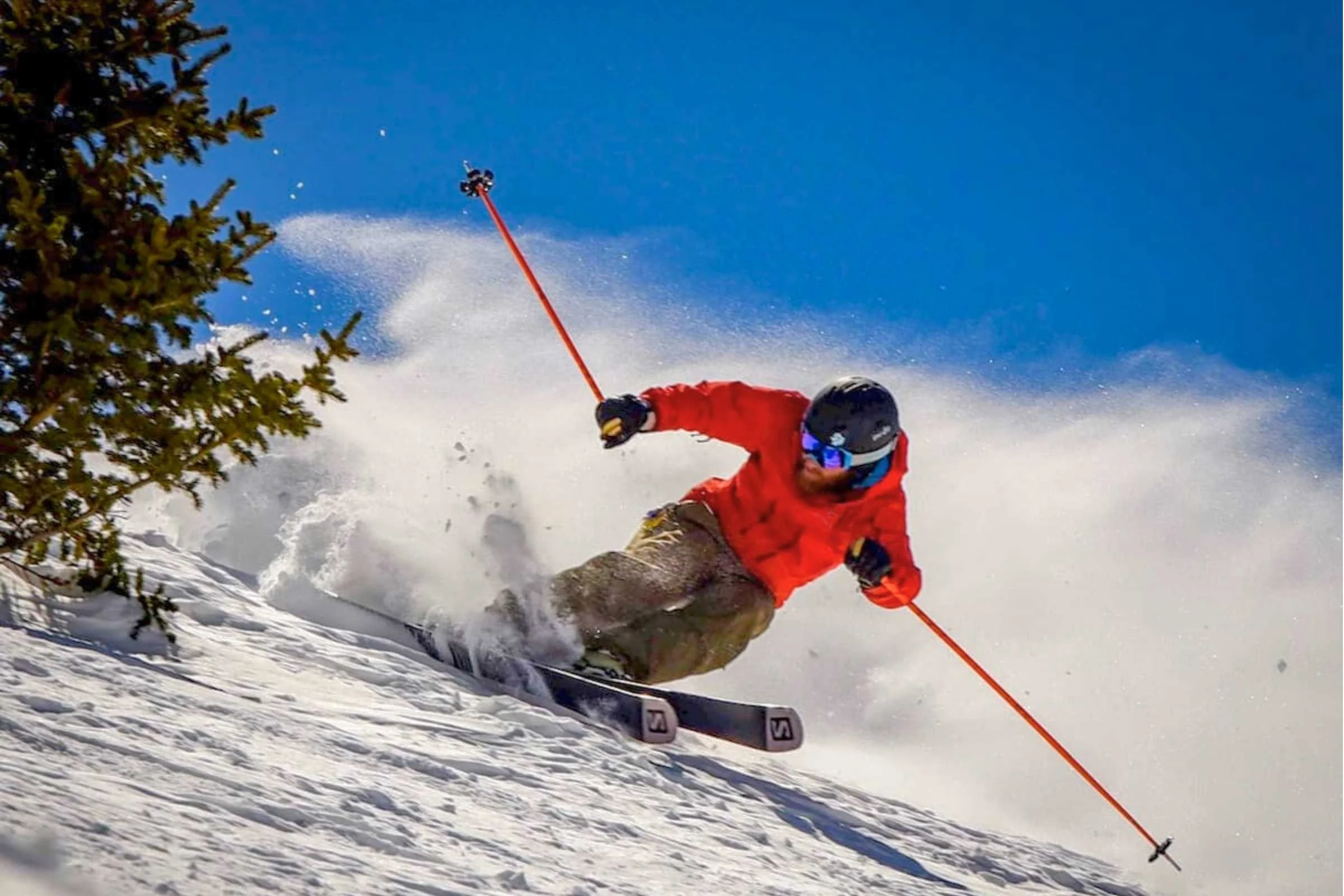
The Science of the Slide: How Rotational Protection Safety Works
To understand how rotational impact protection works in ski helmets, we first have to look at how we fall. Conventional helmets were historically designed to protect against "linear" impacts—think of a bowling ball dropping straight onto a flat surface. In these scenarios, a thick EPS foam liner acts like a car’s crumple zone, compressing to soak up the force. While this is great for preventing skull fractures, it doesn't account for the fact that most skiing falls involve movement. When you catch an edge at high speed, you don't just hit the ground; you hit it at an angle, causing your head to rotate violently upon impact.
This is where the mips ski helmet changes the game. Inside the helmet, a specific low-friction layer is sandwiched between the comfort padding and the EPS foam liner. During a crash, this layer allows the helmet shell to move independently of your head by about 10 to 15 millimetres. It may sound like a tiny distance, but in the milliseconds of a collision, that slide is enough to significantly reduce the rotational acceleration transmitted to the brain.
By allowing this micro-movement, the system redirects the angular kinetic energy that would otherwise cause the brain to "shear" against the inside of the skull. This shearing is a primary cause of traumatic brain injury and concussions. Despite the added complexity, these systems are incredibly lightweight, usually adding only 25 to 45 grams to the overall weight of the helmet. For those shopping on a budget, it’s worth noting that budget-friendly ski helmets with mips technology are becoming increasingly common, making this pro-level safety accessible to everyone on the slopes.
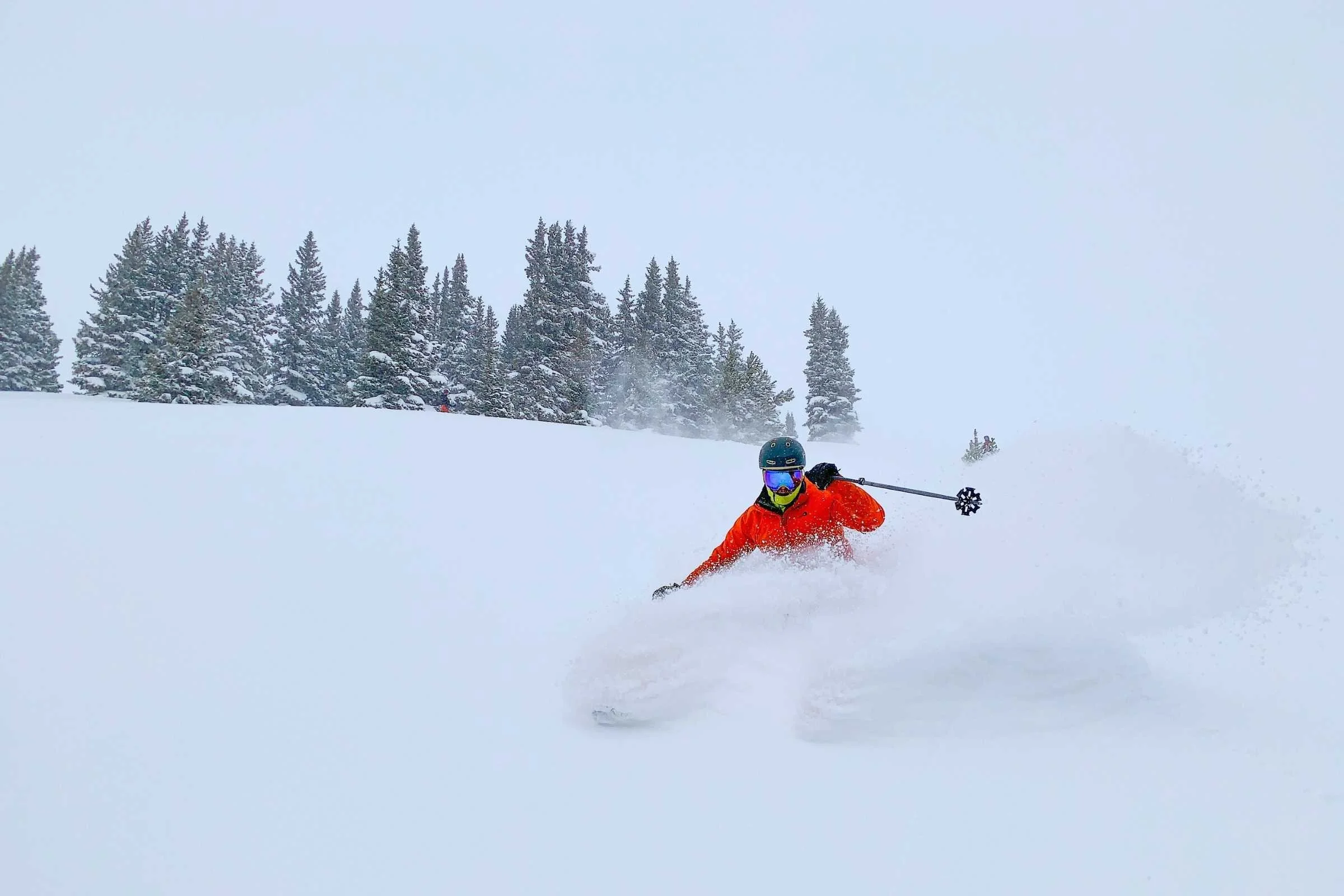
Decoding Safety Standards: ASTM F2040, CE EN 1077, and 2026 Updates
When browsing for gear, you will see a series of alphanumeric codes on the box or the chin strap. These aren't just industry jargon; they are the baseline certifications that prove the helmet has undergone rigorous impact testing. Understanding these ski helmet safety standards is essential for knowing exactly what kind of force your gear can handle.
The two most prominent standards are:
- ASTM F2040: This is the US-based standard. It is generally considered more stringent for high-energy impacts and cold-temperature performance. It tests the helmet’s ability to prevent the head from experiencing more than 300g of linear acceleration.
- CE EN 1077: This is the European standard. It is split into Class A (full shell covering ears) and Class B (standard open-ear design). While it allows for a slightly higher g-force threshold (250g), it often requires better penetration resistance against sharp objects like ski poles or jagged rocks.
Beyond these, the industry is currently moving toward a major regulatory shift. By 2026, new safety standards are expected to place a much heavier emphasis on oblique impacts—vindicating the movement that started with rotational impact protection ski systems. This means future helmets will be tested specifically for how they handle the "twist" of a fall, rather than just the "thud."
| Standard | Region | Primary Focus | Best For |
|---|---|---|---|
| ASTM F2040 | USA | High-velocity linear impacts | High-speed resort skiing |
| CE EN 1077 | Europe | Penetration resistance & coverage | Technical terrain & varied conditions |
| 2026 Shift | Global | Rotational acceleration & oblique force | All-mountain safety |
Explaining astm f2040 and ce en 1077 safety standards to a new skier helps them realize that a helmet is a piece of medical equipment, not just a fashion accessory. Always verify these certifications before making a purchase.
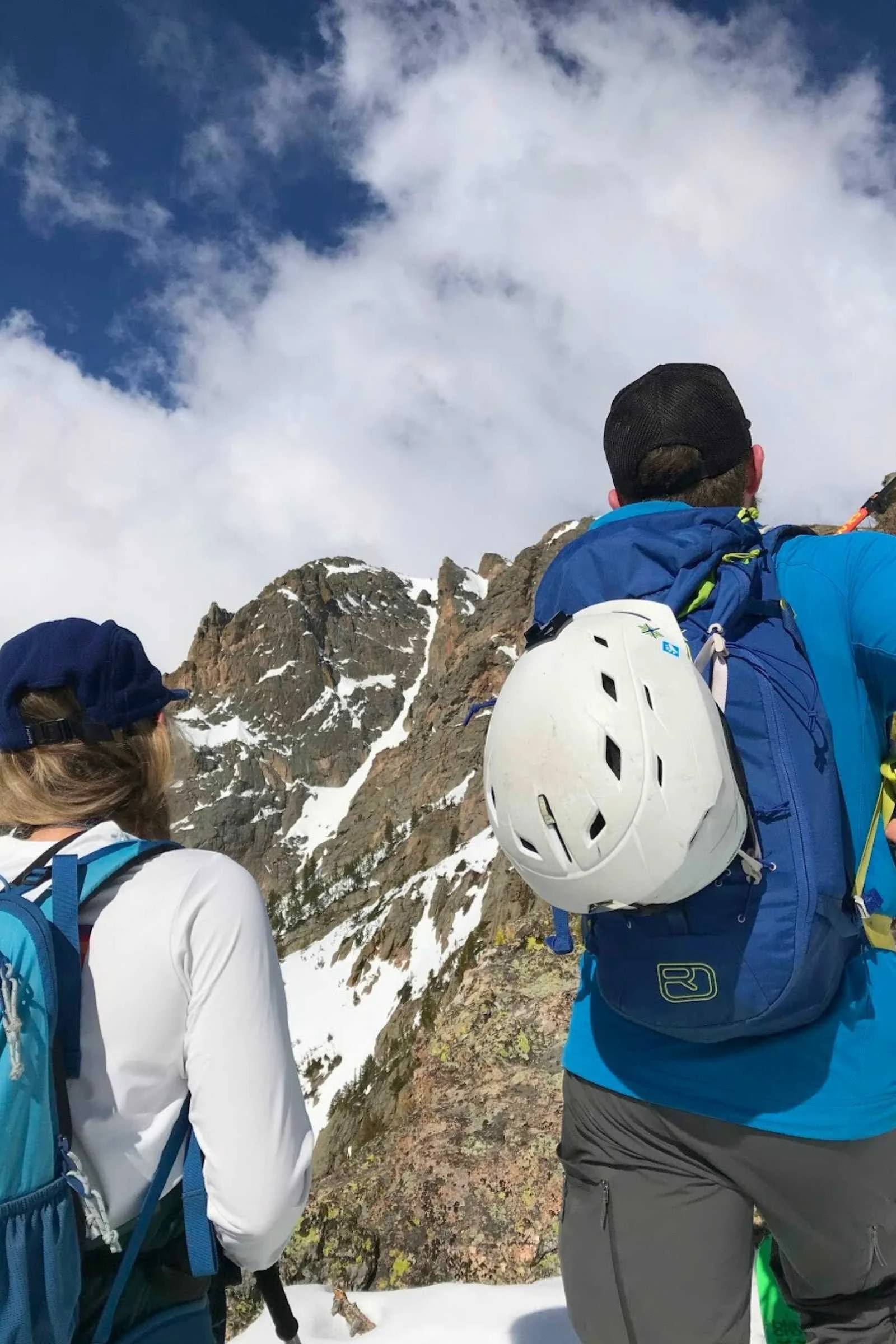
The 5-Minute Fit Guide: Measuring for Safety
Even the most advanced mips ski helmet will fail to protect you if it doesn't stay in place during a tumble. A loose helmet can shift, leaving your forehead exposed or, worse, causing the helmet itself to become a secondary impact hazard. To ensure your gear behaves as intended, follow this step-by-step guide to measuring ski helmet size.
- Find the Head Circumference: Take a flexible measuring tape and wrap it around your head, roughly one inch (2cm) above your eyebrows and just above your ears. This is the widest part of your head.
- Compare Shapes: Not all heads are the same. When choosing a ski helmet for oval vs round head shapes, look at the internal mold. Brands like Smith and Giro often lean toward an oval fit, while others might feel better on a rounder profile.
- The Snug Test: Put the helmet on. It should feel snug and secure without creating painful pressure points. If you feel a "hot spot" on your forehead or temples after two minutes, the helmet is too small or the wrong shape for you.
- The Shake Test: Without fastening the chin strap, shake your head from side to side and back to back. The helmet should stay firmly in place. If it wobbles or slides over your eyes, you need a different size.
- The Skin Displacement Test: Place the helmet on and move it back and forth with your hands. The skin on your forehead and eyebrows should move with the helmet. If the helmet slides over your skin, it is too loose.
A properly fitted helmet sits level on the head, covering the majority of the forehead. The chin strap should be adjusted so that when you open your mouth wide, you feel the helmet pull down slightly. This ensures the helmet won't rock back during a rear-facing fall. Knowing how to measure ski helmet size is the foundation of your entire season’s safety strategy.
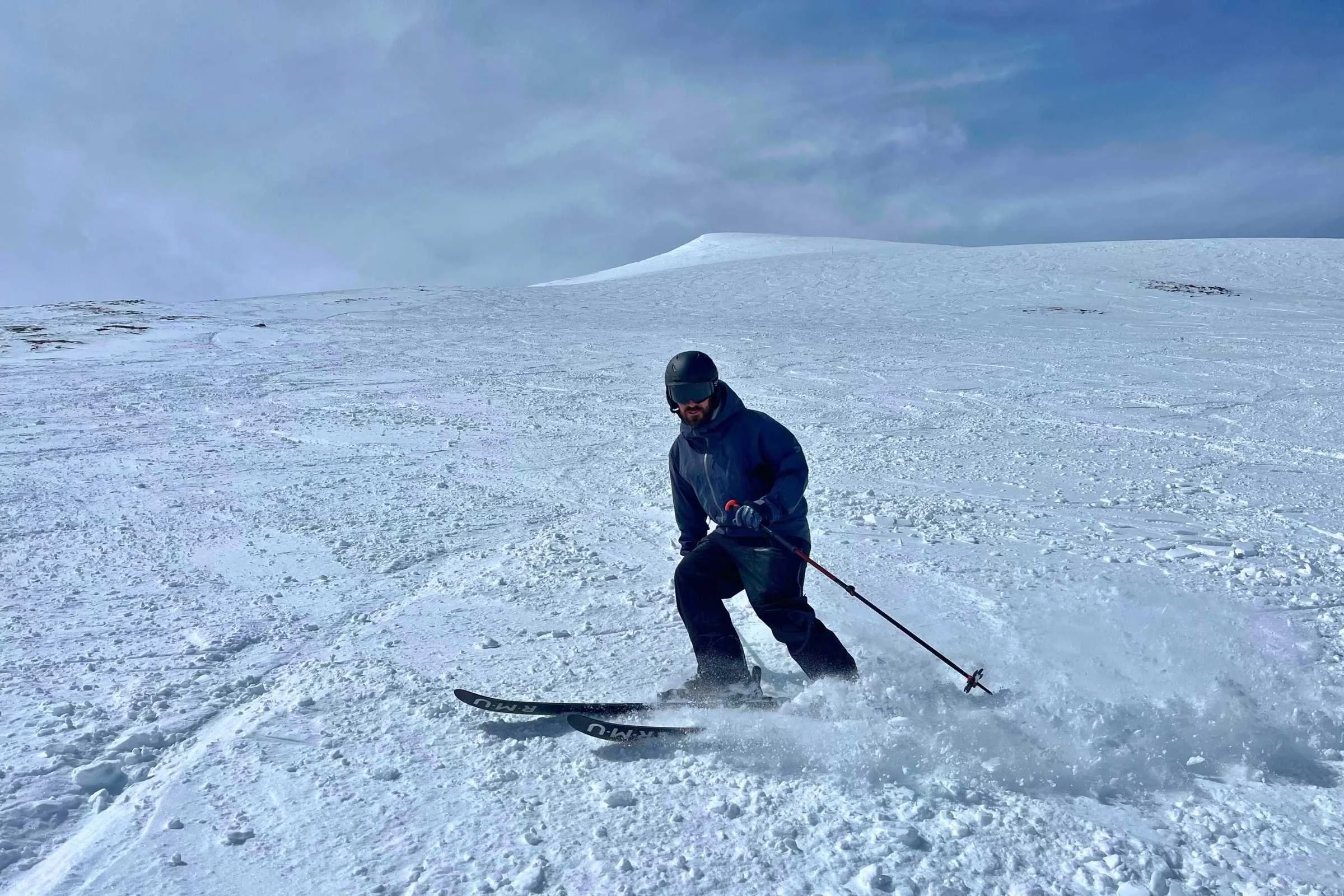
Gear Synergy: Ventilation and Goggle Integration
Safety isn't just about impact; it's also about visibility. If your goggles are constantly fogging up because they don't mesh with your helmet, you are more likely to miss a bump in the terrain and take a spill. This is why goggle integration is a major factor in helmet design.
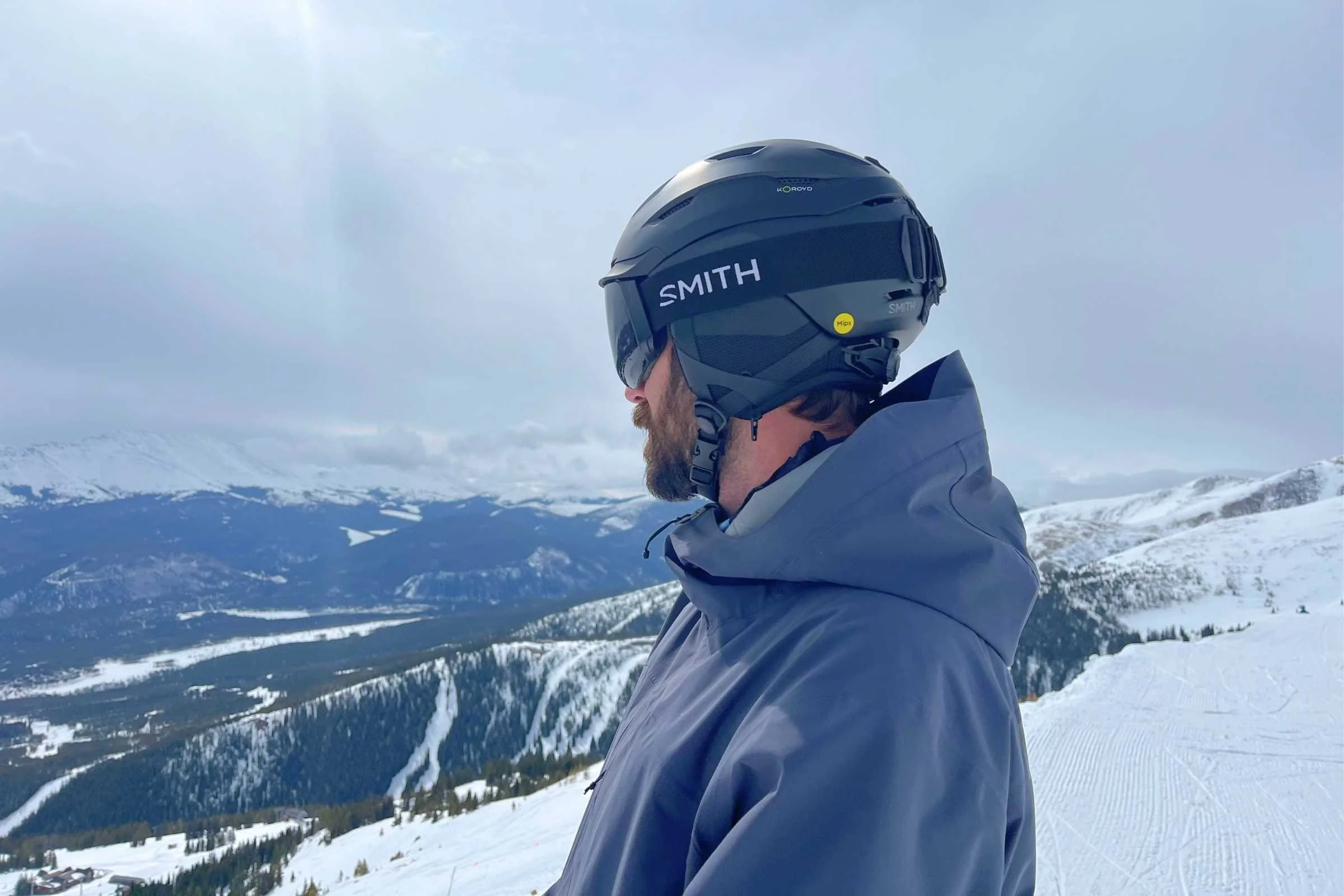
When you buy a helmet, try it on with your goggles. You are looking to avoid the "Gaper Gap"—that cold, exposed strip of forehead between the top of the goggles and the brim of the helmet. Most modern helmets feature brim vents that align with the top vents of your goggles. This creates a vacuum effect, pulling warm, moist air out of your goggles and through the helmet to be exhausted out the back.
The Importance of Ventilation
Ventilation also plays a role in comfort and thermal regulation. On a freezing January morning, you want your vents closed to trap heat. During a high-intensity spring session, you need high-capacity air passage to prevent overheating. Look for helmets with adjustable sliders that allow you to toggle airflow on the fly.
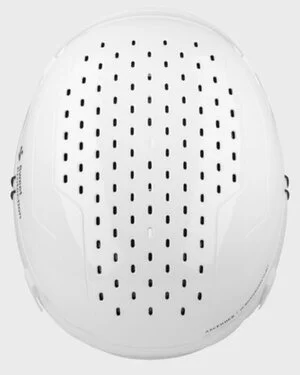
A moisture-wicking liner is another semantic feature that adds value, drawing sweat away from your scalp to keep you dry. While you might be tempted by budget-friendly ski helmets with mips technology, ensure they still offer basic venting and a soft, removable liner for washing.
Maintenance and Lifecycle: Knowing When to Replace Your Helmet
Helmets are not "buy once, use forever" items. The EPS foam liner that protects your brain is essentially a one-time-use material. Once it compresses during an impact, it loses its ability to protect you from the next one. This is why knowing when to replace your ski helmet after a fall is vital.
Even if you never have a major crash, your helmet still has an expiration date. Over time, the materials in the shell and the liner begin to degrade due to UV exposure, temperature fluctuations, and even the natural oils from your hair. Most manufacturers recommend replacing your mips ski helmet every 3 to 5 years.
When to retire a helmet immediately:
- After any significant impact: If you hit your head hard enough to see stars or if the outer shell shows any sign of a crack or dent, the helmet’s integrity is compromised.
- Visible wear and tear: Check the EPS foam liner for cracks or areas where it has clearly compressed.
- Strap failure: If the buckle or the webbing shows signs of fraying or won't click securely into place, the helmet can no longer stay on your head during a fall.
- Dropping it: Dropping a helmet onto a hard parking lot surface from chest height can sometimes cause internal micro-cracks in the foam.
Regular inspections ensure that your safety net is ready when you need it most. Treat your helmet with care—don't leave it in a hot car during the summer, and store it in a cool, dry place when the season ends.
FAQ
Is a MIPS ski helmet worth it?
Yes, absolutely. For a relatively small increase in price, you get a system that significantly reduces the rotational forces transmitted to your brain during a crash. Given that most skiing falls involve angular impacts, the added protection against concussions and traumatic brain injury makes it one of the smartest investments a skier can make.
What does MIPS stand for in ski helmets?
MIPS stands for Multi-directional Impact Protection System. It is an industry-leading technology developed by biomechanical specialists to address the specific dangers of rotational motion during a fall, which standard helmets were not originally designed to mitigate.
How long do MIPS ski helmets last?
Like all safety-certified helmets, they typically last 3 to 5 years under normal use. However, they must be replaced immediately after any major impact. The internal components, including the low-friction layer and the EPS foam liner, can degrade over time due to environmental factors.
Do MIPS helmets fit differently than standard helmets?
Generally, no. The MIPS system is integrated into the helmet's internal structure and is very thin, so it shouldn't significantly change the sizing. However, because it adds an extra layer, some people find the interior feels slightly more "complex." It is always best to follow a step-by-step guide to measuring ski helmet size to ensure the specific model works for your head.
What is the difference between MIPS and non-MIPS helmets?
A standard helmet is designed primarily to handle linear, direct impacts through foam compression. A mips ski helmet includes an additional low-friction layer that allows for a small amount of sliding movement. This extra "slip" helps redirect the twisting forces of an impact, providing a much higher level of protection against the rotational acceleration that often leads to brain injuries.
Choosing the right gear is about more than just matching your outfit. It’s about ensuring that every time you head up the lift, you have the best possible technology protecting your most important asset. By prioritizing a mips ski helmet with a perfect fit, you aren't just following a trend—you are significantly layering your odds for a safe, injury-free season.