Quick Facts
- Planning Deadline: Be off the summit and below the tree line by 12:00 PM (the Colorado noon rule).
- Safety Math: Count 5 Seconds = 1 Mile between the lightning flash and the sound of thunder.
- Fatality Stat: While there is a 90% survival rate for strikes, 70% of survivors suffer permanent medical side effects.
- Victim First Aid: Victims do not carry an electrical charge and are safe to touch immediately for life-saving CPR.
- Terrain Risk: On a 0-10 safety scale, summits are a 0 (lethal) while fully enclosed metal vehicles are a 10 (safest).
- Group Spacing: Maintain a minimum of 100 feet between hikers to prevent a single strike from injuring the entire group.
- Biological Signal: If your skin tingles or your hair stands on end, a lightning strike is imminent.
To practice effective mountain lightning safety, hikers must adhere to the Colorado noon rule by descending from high-altitude summits before afternoon storms develop. If you are caught on an exposed peak, identifying cumulonimbus formations and listening for audible thunder—which indicates you are already within striking distance—is the first critical step to survival. If a storm approaches or static discharge begins, immediately move to lower terrain depressions and avoid isolated peaks, ridges, and tall trees.
Lessons from Torreys Peak: The Reality of High-Altitude SAR
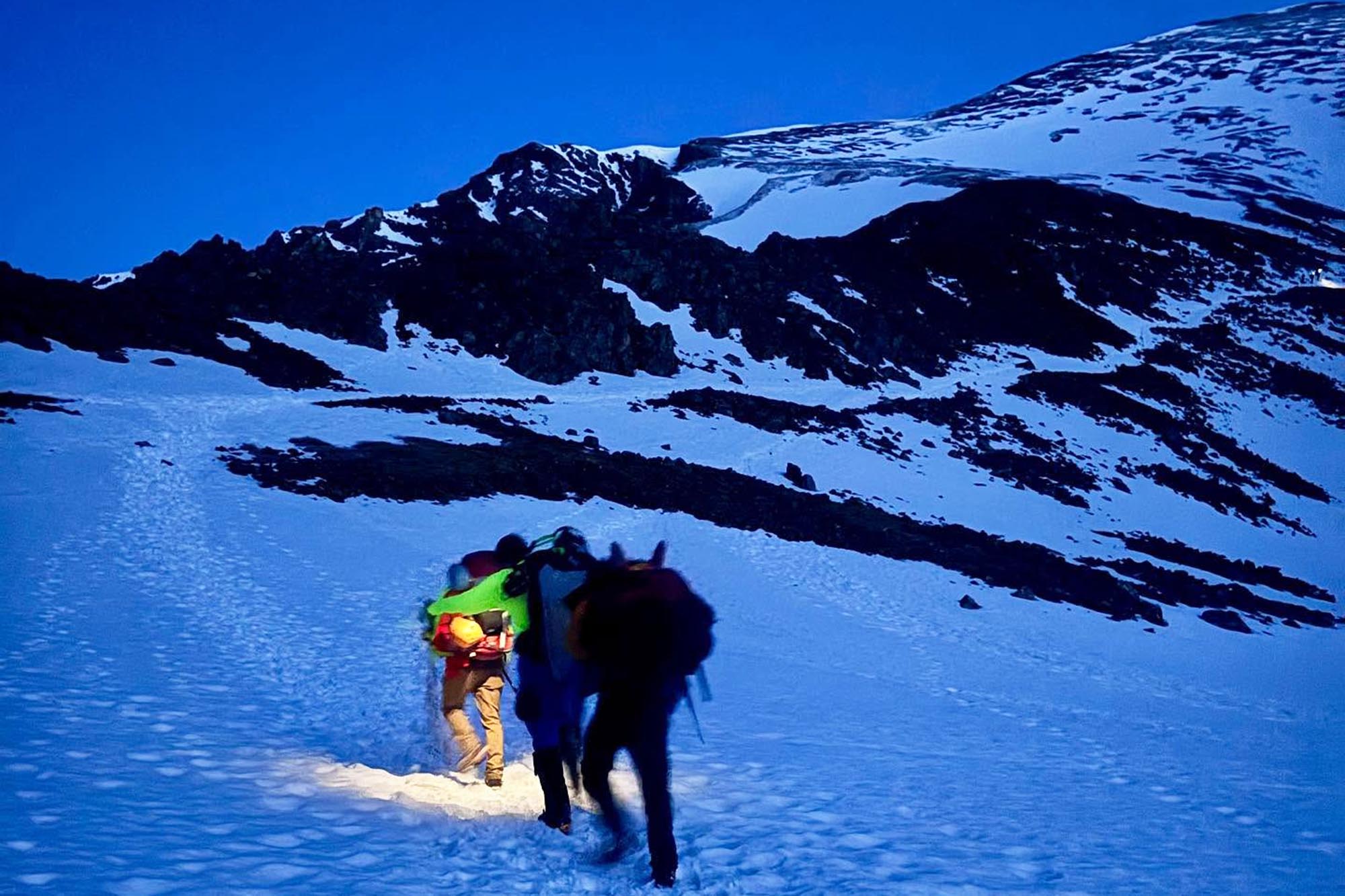
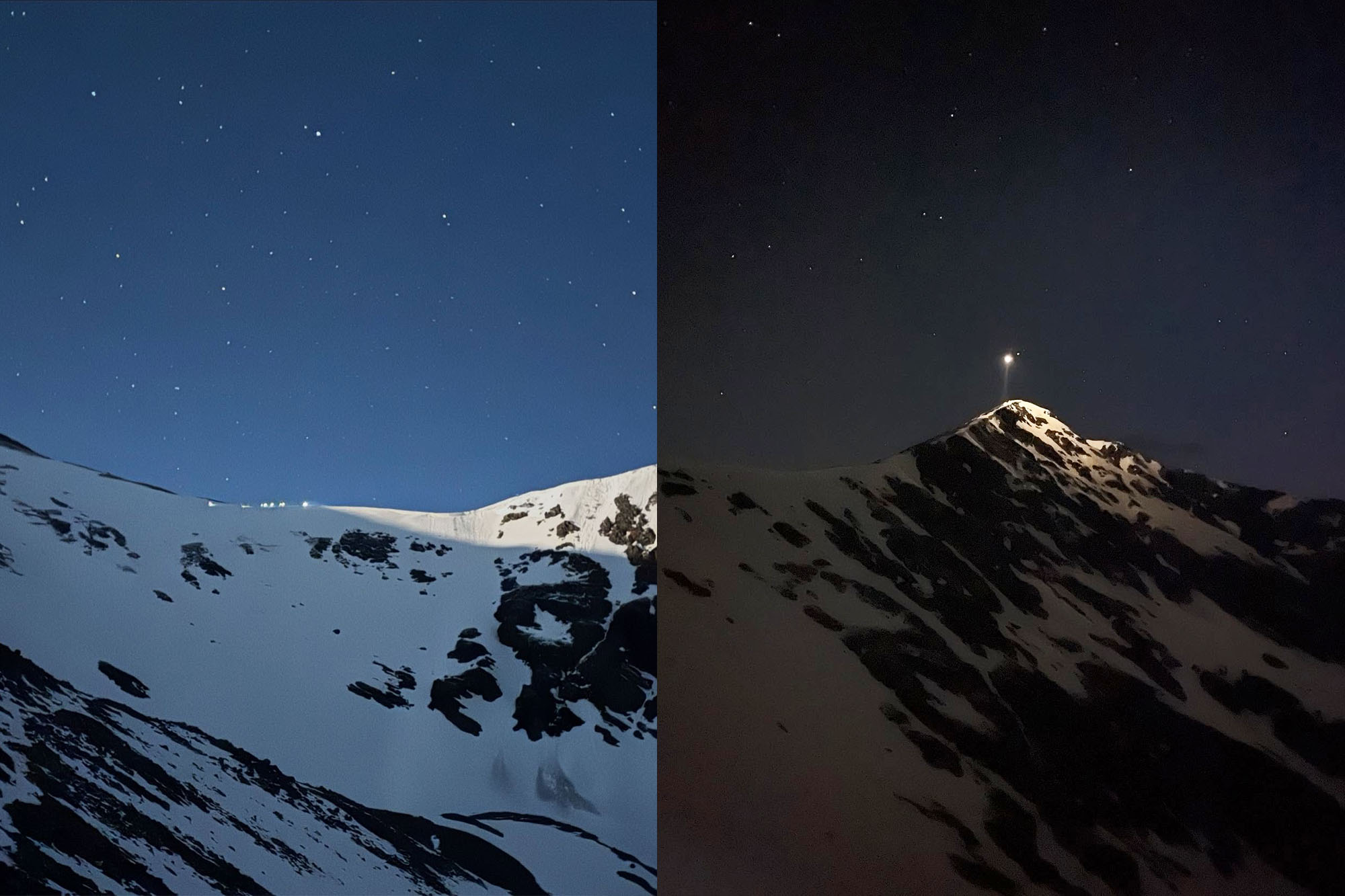
High up on the rugged Kelso Ridge, a technical scramble connecting Torreys Peak and Grays Peak, the environment can change from a pristine alpine morning to a life-threatening theater in minutes. A recent high-profile rescue on this iconic 14er serves as a sobering reminder of what happens when mountain lightning safety is ignored in favor of summit fever. Two hikers, caught by a rapidly developing afternoon cell, found themselves trapped on vertical terrain as the rocks around them began to buzz with electricity.
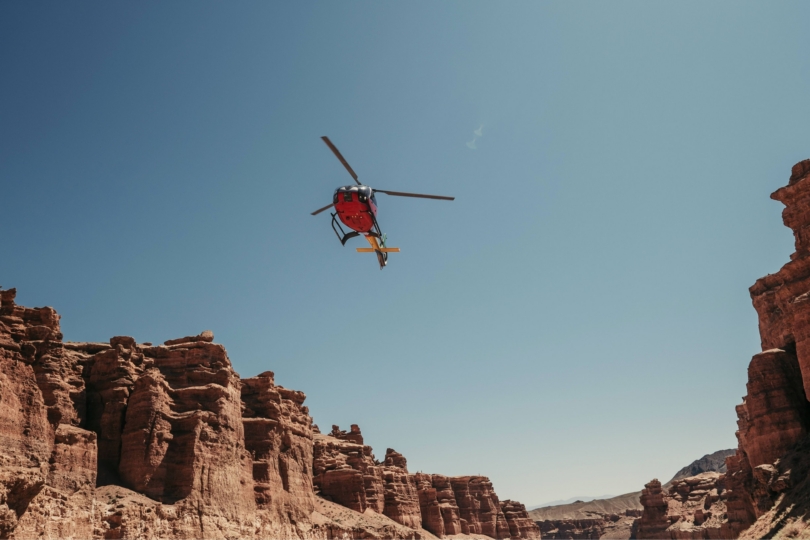
When the storm hit, they were pinned down, unable to descend safely through the wet, slick rock. Their situation became a full-scale Search and Rescue (SAR) operation. Because of the extreme elevation and technical nature of the ridge, a local team had to coordinate a night-time Helicopter hoist. This is not a simple taxi ride; it is a high-risk maneuver for the flight crew, often complicated by the very winds and turbulence that accompany high altitude thunderstorms.
This incident highlights a common mistake: relying on trailhead temperatures and clear morning skies to gauge the day's risk. Those hikers likely started their day in 60-degree weather with sunshine, but by 2:00 PM, they were experiencing hypothermia-inducing rain and the terrifying hum of static discharge. Backcountry preparedness isn't just about carrying the right gear; it’s about having the humility to turn around before the conditions dictate your fate.
Prevention as Protection: The Colorado 14er Noon Rule
In the Colorado Rockies, the weather is governed by a predictable but dangerous cycle during the summer. This is the monsoon season, where moisture from the Gulf of California and the Gulf of Mexico flows into the region, rising as it hits the mountains. This upward movement of air creates the perfect recipe for afternoon storm cells.
The most fundamental of all hiking safety tips for 14ers is the Colorado noon rule for lightning safety. The logic is simple: you want to be off the summit and back below the tree line by 12:00 PM. High-altitude environments offer zero protection from electricity. When you are standing on a 14,000-foot peak, you are the highest point for miles, essentially acting as a lightning rod.
Many hikers fall victim to the "blue sky trap." They see clear skies at 10:00 AM and assume they have hours of safety left. However, a cumulonimbus cloud can grow from a small puff to a localized monster in under thirty minutes. Mountaineering guidelines suggest that if you can hear thunder, you are already in the strike zone. Lightning can strike ten miles away from the actual rain shaft of a storm. Waiting for the first drop of rain to start your descent is often a fatal mistake.
Spotting the Danger: Recognizing Early Signs of High Altitude Thunderstorms
Survival at high elevation requires a keen eye for environmental shifts. Learning the art of recognizing mountain thunderstorm signs is a skill that every hiker should master before attempting a major peak. The first sign is usually the visual development of clouds. Watch for vertical growth; when clouds start to look like towering cauliflower or develop a flat, "anvil" top, the atmosphere is becoming unstable. These are cumulonimbus clouds, and they are the primary factories for lightning.
You can calculate exactly how much danger you are in using the flash-to-bang method. Light travels significantly faster than sound. For every five seconds you count between a lightning flash and the thunder, the storm is approximately one mile away.
- 5 Seconds = 1 Mile
- 15 Seconds = 3 Miles
- 30 Seconds = 6 Miles
However, you shouldn't wait for your stopwatch to tell you to move. Physical indicators are your last-second warnings. If your skin begins to tingle, or if you hear a "zizzing" or buzzing sound coming from your trekking poles or the frame of your backpack, you are witnessing static discharge. This means the ground-up electrical charge is concentrating on you. If your hair stands on end, a strike is likely only seconds away. At this point, you have transitioned from a prevention phase to an immediate tactical survival phase.
Terrain Survival: Where to Go When the Clouds Form
Not all terrain is created equal when electricity is looking for a path to the ground. Your survival depends on moving from high-risk areas to lower-risk ones as quickly as possible. The following scale represents the safety level of different mountain environments:
| Safety Rating | Terrain Feature | Risk Description |
|---|---|---|
| 0 (Lethal) | Summits, ridges, peaks | Highest point, direct target for strikes. |
| 2 (High Risk) | Flat open plateaus | You are the highest object in the area. |
| 4 (Dangerous) | Isolated tall trees | Lightning hits the tree; side flash hits you. |
| 6 (Moderate) | Shallow caves or overhangs | Dangerous; ground current can bridge the opening. |
| 8 (Safer) | Uniform forest (low trees) | Thick forest of similar height disperses risk. |
| 10 (Safest) | Enclosed metal vehicle | "Faraday Cage" effect directs current around you. |
One of the most dangerous myths is the "safety" of a small mountain cave. Many hikers retreat into shallow depressions or under rock overhangs. However, ground current is the primary cause of lightning injuries. When lightning hits a peak, the electricity travels through the rock. It can easily jump across a cave opening or travel through the wet floor of a depression, passing through your body along the way. Your goal is to reach the tree line, but if you can't, look for a low spot away from water and isolated boulders.
Tactical Survival: The Lightning Crouch and Group Spacing
If you find yourself stuck in an exposed area with no time to reach the trees, you must change your physical profile. The first rule is hiker group spacing during mountain thunderstorms. You must spread out at least 100 feet from your companions. This ensures that if one person is struck, the others are far enough away to remain conscious and provide immediate medical help. Side-flash and ground current often take out entire groups that are huddled together.
Next, you must perform the lightning crouch for hikers. This position is designed to minimize your contact with the ground and prevent electricity from passing through your heart.
- Squat down with your feet as close together as possible.
- Rise onto the balls of your feet so your heels are touching.
- Direct current often travels through the ground and up one leg; if your heels are touching, the electricity may travel up one foot and down the other rather than through your vital organs.
- Put your hands over your ears to prevent eardrum damage from the thunder's pressure wave.
- Tuck your head toward your knees.
Additionally, store any metal high altitude hiking essentials, such as trekking poles or ice axes, at least 100 feet away from you. While metal doesn't "attract" lightning, it is an excellent conductor that can cause severe contact burns if you are holding it during a nearby strike.
Emergency Response: First Aid for Lightning Strike Victims
If the worst happens and a member of your party is struck, you must act with speed and precision. A persistent myth suggests that people struck by lightning remain "electrified" and are dangerous to touch. This is false. There is no residual charge; you can and should begin first aid for lightning strike victims on hiking trails immediately.
The primary cause of death in lightning strikes is cardiac arrest. Check the victim's pulse and breathing immediately. If they are not breathing, start CPR. Unlike other trauma scenarios where you might prioritize bleeding, in a lightning scenario, you "reverse triage"—you treat those who appear dead first, as their hearts can often be restarted with prompt intervention.
Secondary concerns include burns, broken bones from being thrown, and neurological damage. Once the heart is stable, focus on hypothermia prevention. Victims often become drenched by the accompanying rain and lose the ability to regulate their body temperature. Wrap them in dry layers and use a space blanket until help arrives. Remember that Colorado averages approximately 12 injuries and two fatalities from lightning annually. While the survival rate for lightning strikes is approximately 90%, more than 70% of survivors experience permanent medical side effects ranging from memory loss to chronic pain.
FAQ
What is the safest thing to do if you're caught in a thunderstorm on a mountain?
The safest action is to immediately descend to an elevation below the tree line and find a uniform stand of smaller trees. If you cannot reach the trees, move away from high points, ridges, and water sources, and assume the lightning crouch in a low terrain depression.
How can you tell if lightning is about to strike near you?
Warning signs include a distinct tingling sensation on your skin, your hair standing on end, or a buzzing/clicking sound emitted by metal objects like trekking poles and jewelry. This indicates that the air is ionized and a strike is imminent.
What is the best position to take during a mountain lightning storm?
Assume the lightning crouch by squatting on the balls of your feet with your heels touching. This minimizes your footprint on the ground and provides a path for current to move through your feet rather than through your torso, while also protecting your ears and head.
How far away should you be from other people during lightning?
You should maintain a distance of at least 100 feet from other hikers. This spacing is designed to prevent a single lightning strike from jumping between individuals (side-flash) or traveling through the ground to injure the entire group at once.
What time of day is lightning most common in the mountains?
In the Colorado Rockies and many other high-altitude ranges, lightning is most common in the afternoon, typically between 12:00 PM and 4:00 PM. This is why hikers are advised to be off the summit and descending by noon.
How do you calculate how far away lightning is?
Use the flash-to-bang method by counting the seconds between the flash of lightning and the sound of thunder. Divide the number of seconds by five to determine the distance in miles. For example, a 15-second count means the storm is three miles away.