Quick Facts
- Top Gear: CHIRP Sonar & IPX7 Headlamps
- Best Lures: High-vibration Colorado blades and dark silhouettes
- Safety Threshold: Avoid trout fishing above 70°F
- Primary Advantage: 2.4% angler competition vs daytime hours
- Secret Weapon: Black lights + 14lb fluorescent line
To start night fishing, focus on areas with low boat traffic and utilize gear that enhances sensory feedback. Essential equipment includes high-lumen headlamps, black lights paired with fluorescent line for visual strike detection, and portable sonar for depth mapping in the dark. For anyone reading this beginner night fishing summary, the goal is to shift your mindset from visual cues to vibration and silhouette. This night fishing guide will walk you through the biological shifts, essential gear, and specific species tactics needed to master the water after the sun goes down.
Why Target the Dark? Biology and Competition
Stepping onto a dock or a riverbank at midnight feels different because the ecosystem has undergone a total transformation. While the majority of anglers are home, a specialized group of predators is just beginning to hunt. In a study of recreational fisheries on Majorca Island, nighttime anglers were found to represent only 2.4% of overall fishing activity, illustrating that night fishing offers significantly reduced competition compared to daytime hours. This lack of pressure means fish are often less wary and move into shallower, more accessible water.
The biological shift is driven by a search for thermal refuge and a tactical advantage. Predatory species such as walleye and catfish are primarily nocturnal and have specialized vision or sensory organs that allow them to hunt effectively in dim light. These fish rely heavily on their lateral lines to detect infinitesimal pulses in the water. For an angler, understanding fish behavior at night means realizing that you don't need a lure that looks pretty; you need a lure that moves water.
Furthermore, the scale of nocturnal activity is hitting record highs globally. According to satellite data analysis, the number of fishing boats detected by nighttime lights in specific regions like the South China Sea grew from approximately 400 in 2012 to about 2,000 in 2020, reflecting a significant increase in nocturnal fishing activity. Whether you are after sport or sustenance, the dark is the new frontier. Learning the best moon phases and weather for night fishing success is your first step; moonless nights or overcast conditions often provide the best results for species like brown trout that feel vulnerable in high-visibility environments.
Essential Gear: 2026 Night Angler Essentials
Success in the dark isn't about having the most gear; it is about having the right light and sonar technology to bridge the sensory gap. You cannot see the weed line or the drop-off with your eyes, so you must rely on tech to paint the picture. Selecting the right night fishing gear and lighting is a balance of power and stealth.
| Feature | When to Care (Smart Integration) | When to Skip (Sustainable Choice) |
|---|---|---|
| Headlamp Lumens | 300-500 lumens with a dedicated Red/Green mode | Massive 2000+ lumen lamps that drain battery in 1 hour |
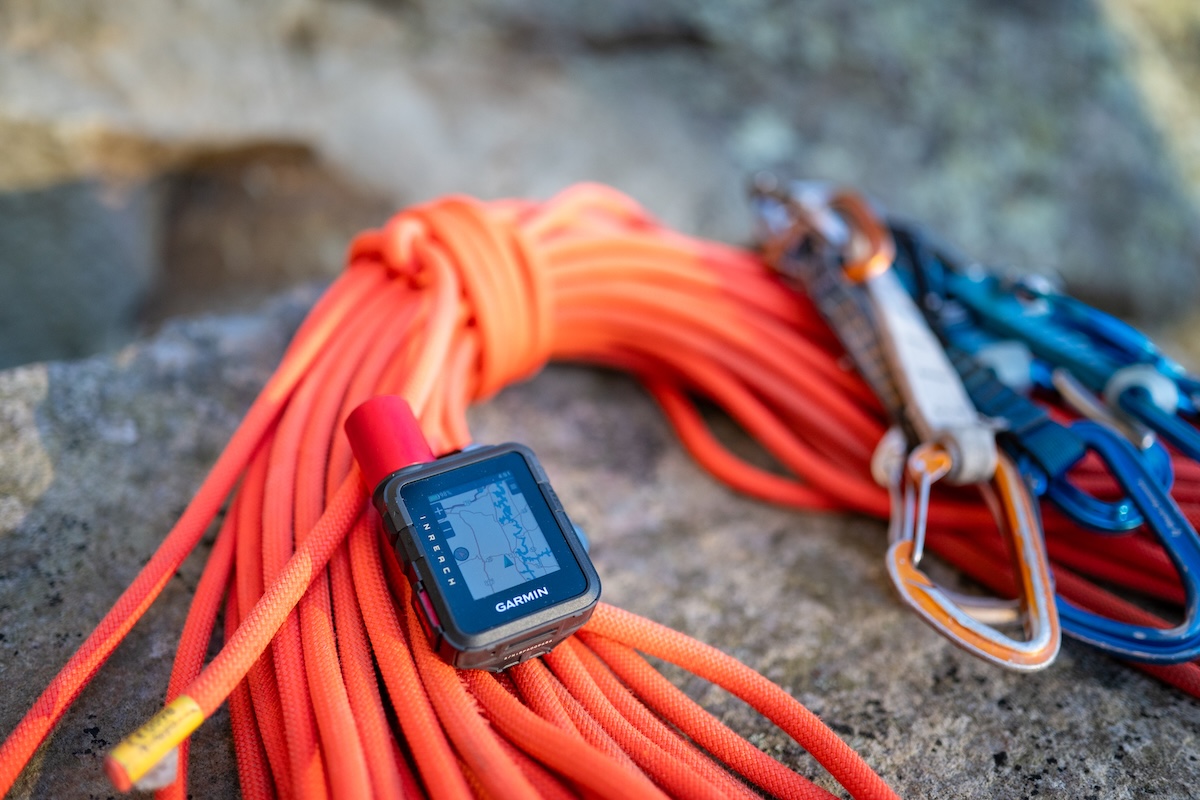
| Portable Sonar | CHIRP technology for high-res bottom mapping | Basic 2D sonar that struggles in shallow night zones |
| Bite Indicators | Electronic bite indicators for stationary baits | Expensive glow-sticks that add plastic waste |
| Fishing Line | 14lb fluorescent line paired with UV light | Standard clear monofilament (impossible to see) |
One of the most effective setups involves choosing black lights and fluorescent line for night fishing. A UV black light mounted to the side of your boat or worn on a hat will make fluorescent line glow like a neon power cord. This allows you to see the slightest "tick" in the line before you even feel the fish.
Additionally, learning how to use portable sonar for night fishing is a game-changer. Modern CHIRP units allow you to map the bottom in real-time. Since fish move into shallow flats as surface temperatures stabilize, a sonar unit helps you find those 3-foot to 8-foot transitions where bass and walleye stack up to ambush baitfish. Keep your headlamp lumens in check; use a red beam for rigging tasks to preserve your natural night vision and only flip to high-white for safe navigation.
The Night Protocol: Skills and Safety
Safety and operational efficiency are the foundations of any night fishing guide. When the sun goes down, common tasks become complex. You need to develop Night Habit Drills. This involves practicing rigging your favorite lures by touch alone while sitting in your living room. If you can tie a Palomar knot with your eyes closed, you won't struggle on a windy bank at 2:00 AM.
Stealth navigation is another critical skill. Sound travels differently at night, and fish are often in very shallow water. Avoid slamming locker lids or dropping pliers on the boat floor. If you are wade fishing in a river, monitor the river gauges before you head out. Water levels can rise unexpectedly due to dam releases or distant rain, and navigating a fast-moving current is twice as dangerous in the dark.
Ethical considerations also come into play. Many anglers seek a thermal refuge for trout during hot summers. However, if water temperatures are between 65-70°F, trout are already stressed. Catching them in these conditions, even at night, can lead to high mortality rates. Always carry a digital thermometer and prioritize the health of the fishery over a trophy photo.
Species-Specific Strategies: From Bass to Snook
Every predator has a different "night mode." To be successful, you must adapt your night fishing tips for beginners to the specific biology of your target species.
Bass: The Shallow Path
Night fishing for bass in summer is often more productive than daytime fishing because the fish move out of the deep, pressurized holes and onto the shallow flats. Focus on 10-foot transitions and weed edges. Use lures that create a heavy silhouette against the sky. A slow-moving Colorado blade spinnerbit creates the heavy acoustic vibration required for a bass to track the lure via its lateral lines.
Walleye: The Golden Eye
Walleye are the kings of the dark. Their eyes have a reflective layer called the tapetum lucidum, giving them incredible low-light vision. They often move into water as shallow as two feet to hunt. Trolling with snot-cutting superlines and shallow-running minnow plugs is a classic tactic. Focus on rocky points where the wind is pushing baitfish against the shore.
Brown Trout: The Midnight Mouse
Large brown trout are notoriously difficult to catch during the day but turn into aggressive "mousers" at night. Night fishing for brown trout with surface lures, such as foam mice or large unweighted streamers, can result in heart-stopping surface strikes. Look for slow, deep pools with overhanging brush—these are prime ambush points.
Saltwater: The Shadow Line Protocol
In coastal environments, artificial light is your best friend. Snook, tarpon, and redfish congregate around bridge pilings and docks. The key is the shadow line—the literal boundary between the light cast by the bridge and the dark water. Use night fishing strategies for snook and striped bass by casting your lure into the light and swinging it into the darkness. Predators sit just inside the dark edge, waiting for the inlet tidal flow to wash baitfish across the line.
Lure Selection: Silhouette and Vibration
The biggest mistake beginners make is choosing "glow-in-the-dark" lures that are too bright. In reality, fish looking up from the depths see a silhouette against the moon or starlight. A solid black or dark purple lure provides a much sharper outline than a translucent or glowing one.
When choosing the best lures for night fishing, categorize them by the water column:
- Surface: Buzzbaits and Jitterbugs. These create massive surface commotion and acoustic vibration. A pro tip for frog fishing? Trim the rubber legs by about 0.75 inches to prevent "short strikes" where the bass grabs the legs but misses the hook.
- Mid-water: Spinnerbaits with a single, large Colorado blade. The round blade thumps harder than the willow-leaf style, helping fish find the lure in murky or dark water.
- Bottom: Jigs tipped with trailers that have amino scents. While sight is limited, a fish’s sense of smell remains constant. Use fluorocarbon abrasion resistance to your advantage here, as you will likely be dragging these jigs over sharp rocks or timber you can't see.

Caption: A selection of high-vibration lures, including dark-colored jigs and large-bladed spinnerbaits, essential for night fishing success.
FAQ
What equipment do you need for night fishing?
The essentials include a high-lumen headlamp with a red-light mode, a life jacket with reflective piping, and a black light if you are using fluorescent line. You should also carry a portable sonar unit for depth mapping and a digital thermometer to monitor water temperatures.
Is fishing at night better than during the day?
It can be, particularly during the summer. Night fishing offers significantly less competition from other anglers and boat traffic. Many predatory species like walleye and catfish are more active at night, and fish often move into shallower water where they are easier to target.
What are the best lures to use for night fishing?
The most effective lures are those that emphasize silhouette and vibration. Dark-colored topwater lures like Jitterbugs, large-bladed spinnerbaits, and scented jigs are top choices. Black is often more effective than "glow" colors because it creates a more distinct silhouette against the night sky.
Is night fishing safe for beginners?
Yes, provided you follow a few protocols. Always wear a PFD, tell someone your location and expected return time, and fish in familiar waters first. Use light discipline to preserve your night vision and practice "blind" rigging so you can handle your gear without relying on a bright flashlight.
What species of fish are most active at night?
Walleye, catfish, and brown trout are naturally nocturnal hunters. Largemouth bass and striped bass also become very active at night during the summer months to avoid high daytime water temperatures and boat activity.
Start Your Nocturnal Journey
Mastering the dark is a rite of passage for any serious angler. By focusing on sensory feedback—like high-vibration Colorado blades and the glow of fluorescent line—you open up a world where the fish are bigger, the water is quieter, and the competition is nearly non-existent.
As you plan your 2026 season, update your gear packs with sustainable, high-vibration options. Practice your night drills in the backyard, learn to trust your sonar, and remember that in the dark, the silhouette is king. Whether you are swinging a plug through a tidal current or "mousing" for a trophy brown trout, the night offers rewards that daytime fishing simply cannot match. Happy hunting, and stay safe under the stars.