Quick Facts
- Grip Edge: Arctic Grip Crystals function like microscopic built-in studs.
- Ice Safety: The latest generation provides a 5.6 meters shorter than its predecessor when braking on ice from 80 km/h.
- EV Optimization: SilentDrive technology uses acoustic foam to specifically target and absorb 250Hz interior cabin resonance.
- Eco-Friendly: The Green Trace compound incorporates 33 percent sustainable or recycled components, including pine resin and rapeseed oil.
- Certified Traction: For a tire to earn the Ice Grip emblem, it must perform at least 18% better in rigorous ice-braking tests than a standard reference model.
- Rolling Resistance: New tread designs offer a 26 percent improvement in rolling resistance compared to budget winter alternatives, extending electric vehicle range.
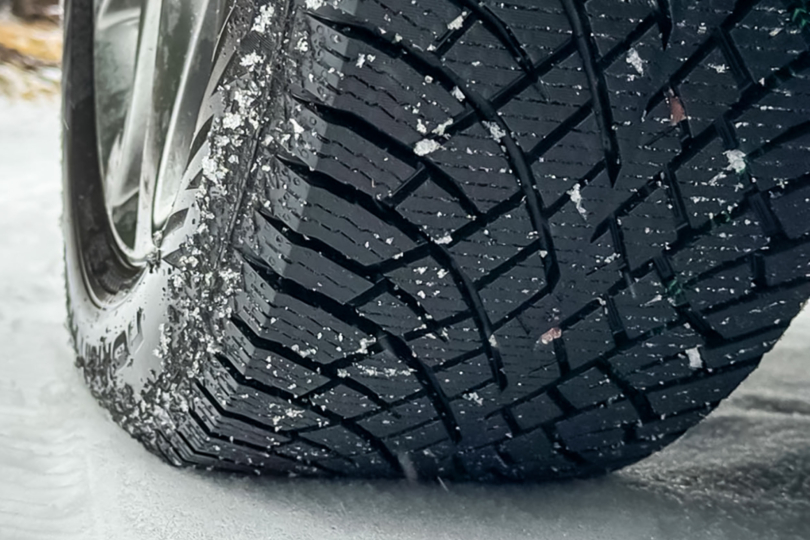
Nokian winter tires are renowned for their safety in extreme conditions. The latest Arctic Grip Crystals technology provides built-in studs through microscopic particles in the rubber compound for elite ice traction. These sharp-edged crystals are infused throughout the tire, ensuring that as the tread wears down, new particles emerge to maintain a consistent grip reserve for the duration of the tire's life.
The Science of Arctic Grip Crystals: Built-in Studs at a Microscopic Level
When we talk about traditional winter safety, we often think of metal studs clawing into the ice. While effective, studs aren't always permitted or preferred due to road wear and noise. This is where Arctic Grip Crystals technology changes the game. Nokian has developed a way to embed millions of microscopic, diamond-hard particles directly into the rubber compound. Think of these as microscopic built-in studs that are invisible to the naked eye but incredibly effective when they meet a frozen road surface.
The magic of these crystals lies in their shape and distribution. Unlike a surface treatment that might wear off after a few hundred miles, these particles are mixed into the entire depth of the tread. As you drive and the tire naturally wears, the top layer of rubber sheds to reveal a fresh layer of crystals. This creates a perpetual grip reserve that ensures the tire’s performance on day 500 is remarkably similar to day one.
Material science plays an equally important role here. To make these crystals effective, the surrounding natural rubber must remain pliable. In sub-zero temperatures, standard tires tend to harden and turn into something resembling plastic, losing their ability to conform to the road. Nokian uses a high-silica blend enriched with canola oil to ensure the tread remains soft and grippy even when the thermometer dips far below freezing. This flexibility allows the crystals to engage with the ice, providing the critical lateral grip needed to prevent sliding during a turn.
SilentDrive & Rolling Resistance: Hakkapeliitta R5 EV Review
For drivers who have made the switch to electric power, the demands on a winter tire are significantly different. In our Hakkapeliitta R5 EV review, we focused heavily on how these tires handle the unique weight and silence of an electric drivetrain. Because an EV lacks internal combustion noise, the sound of tires huming against the asphalt becomes much more noticeable. Nokian addresses this through SilentDrive technology.
Inside the tire casing, there is a 30mm layer of acoustic foam. This foam acts as a muffler for the air cavity resonance that occurs inside the tire. By absorbing these vibrations before they reach the cabin, the SilentDrive system significantly reduces the high-frequency "drone" often associated with aggressive winter treads. When evaluating the difference between nokian silentdrive and standard winter tires, the reduction in decibel levels is particularly striking at highway speeds, making for a much more refined driving experience.
Efficiency is the other side of the EV coin. Cold weather inherently saps battery life, so your tires shouldn't make the problem worse. The Hakkapeliitta R5 EV utilizes a Green Trace compound that provides exceptional nokian hakkapeliitta r5 ev rolling resistance for ev range optimization. In many cases, it performs so well in terms of energy efficiency that the nokian hakkapeliitta r5 ev performance on gas cars is actually a viable choice for fuel-conscious drivers of traditional vehicles, as well. By reducing the energy lost to heat and friction, these tires help you squeeze every possible mile out of a single charge or tank.
Handling the Slush: 3D Sipes and Tread Design
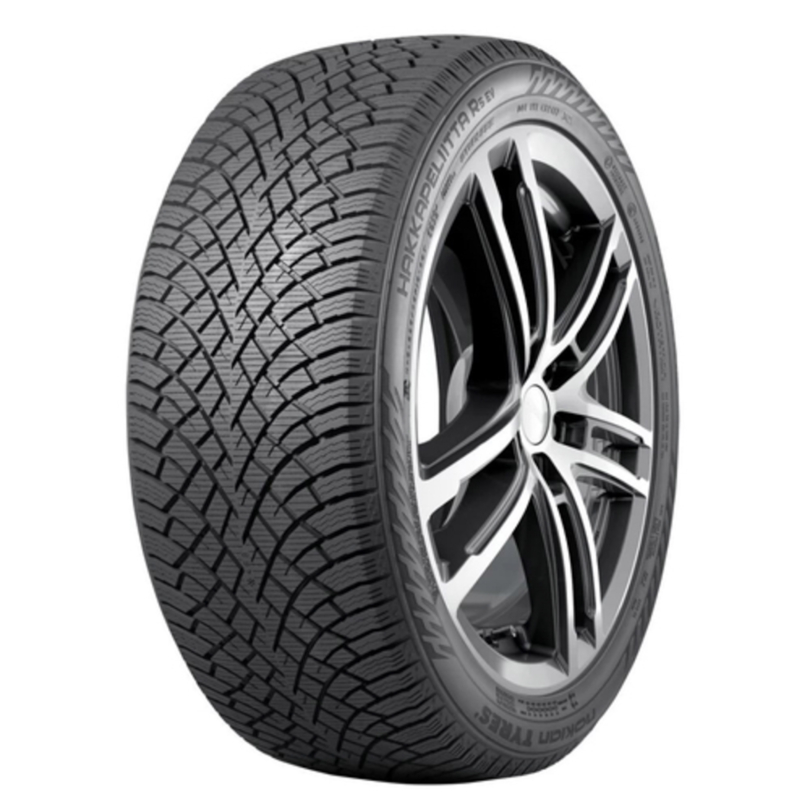
While ice traction often gets the headlines, most winter driving involves a messy mix of melting snow and water. This is where tread architecture becomes your best friend. Nokian has implemented a Double Block Grip design, which increases the number of tread blocks in the shoulder area by 40 percent. This creates more biting edges to grab onto the road surface contact point.
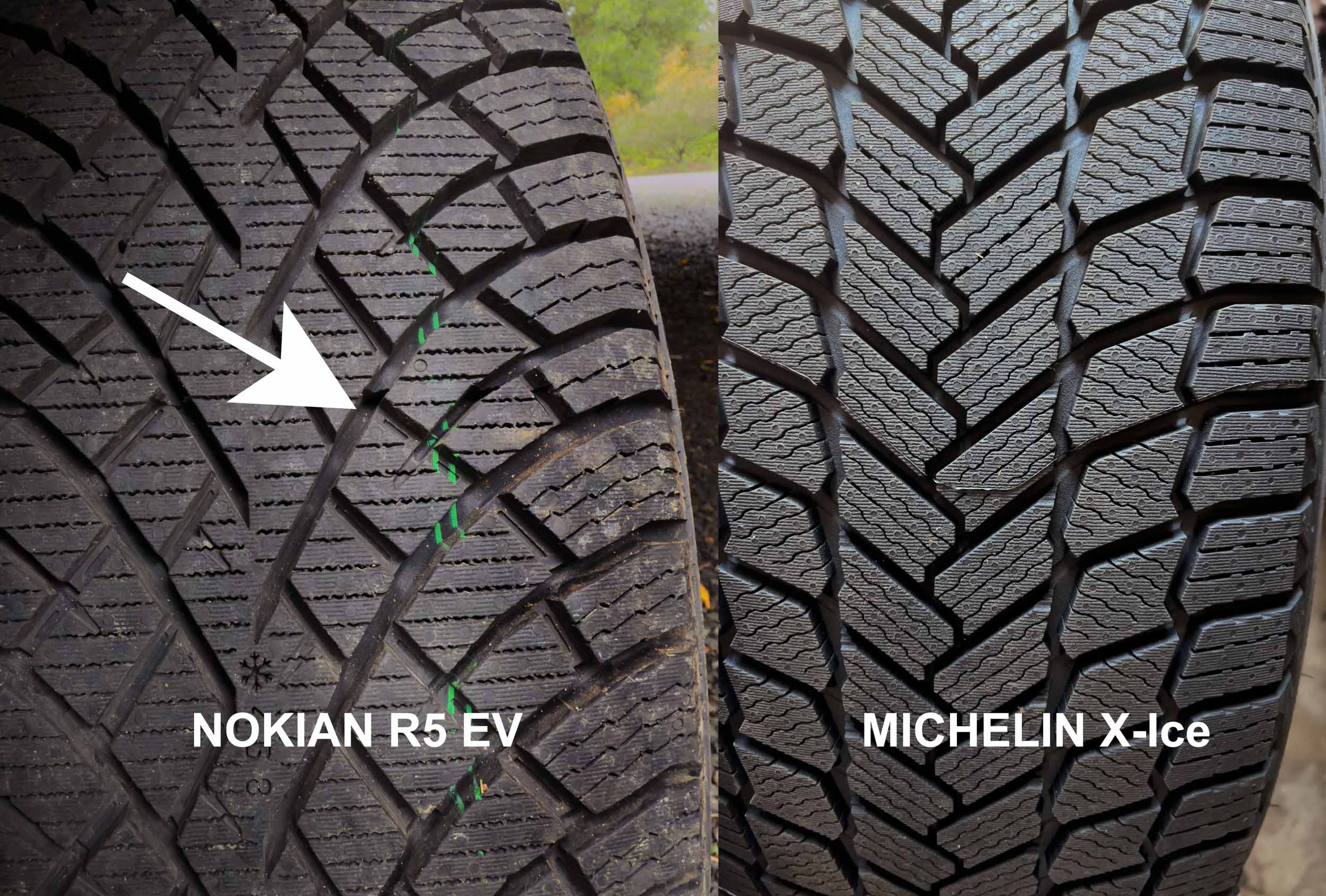
The real engineering feat, however, is the use of self-locking 3D sipes. Sipes are the thin slits in the tread blocks that open up to "bite" the snow. In many tires, too many sipes can make the tread blocks flimsy, leading to a "squishy" feeling when you steer. Nokian’s 3D sipes are designed with an internal zig-zag structure that allows the sipes to open for grip, but then lock together under pressure. This mechanism explains how nokian 3d lock sipes help with winter handling by maintaining the structural integrity of the tire during sudden maneuvers or heavy cornering.
Effective slush planing resistance is another hallmark of this design. The grooves are polished to help whisk away water and slush from under the tire as quickly as possible. This was refined at the White Hell test track in Lapland, where engineers spend months testing tires in the most unforgiving slushy conditions imaginable. It is worth noting that while these tires are masters of frozen terrain, premium winter tires like these often trade off a few feet of wet-road braking distance compared to dedicated rain tires to ensure they dominate on snow and ice.
Longevity and The Winter Safety Indicator (WSI)
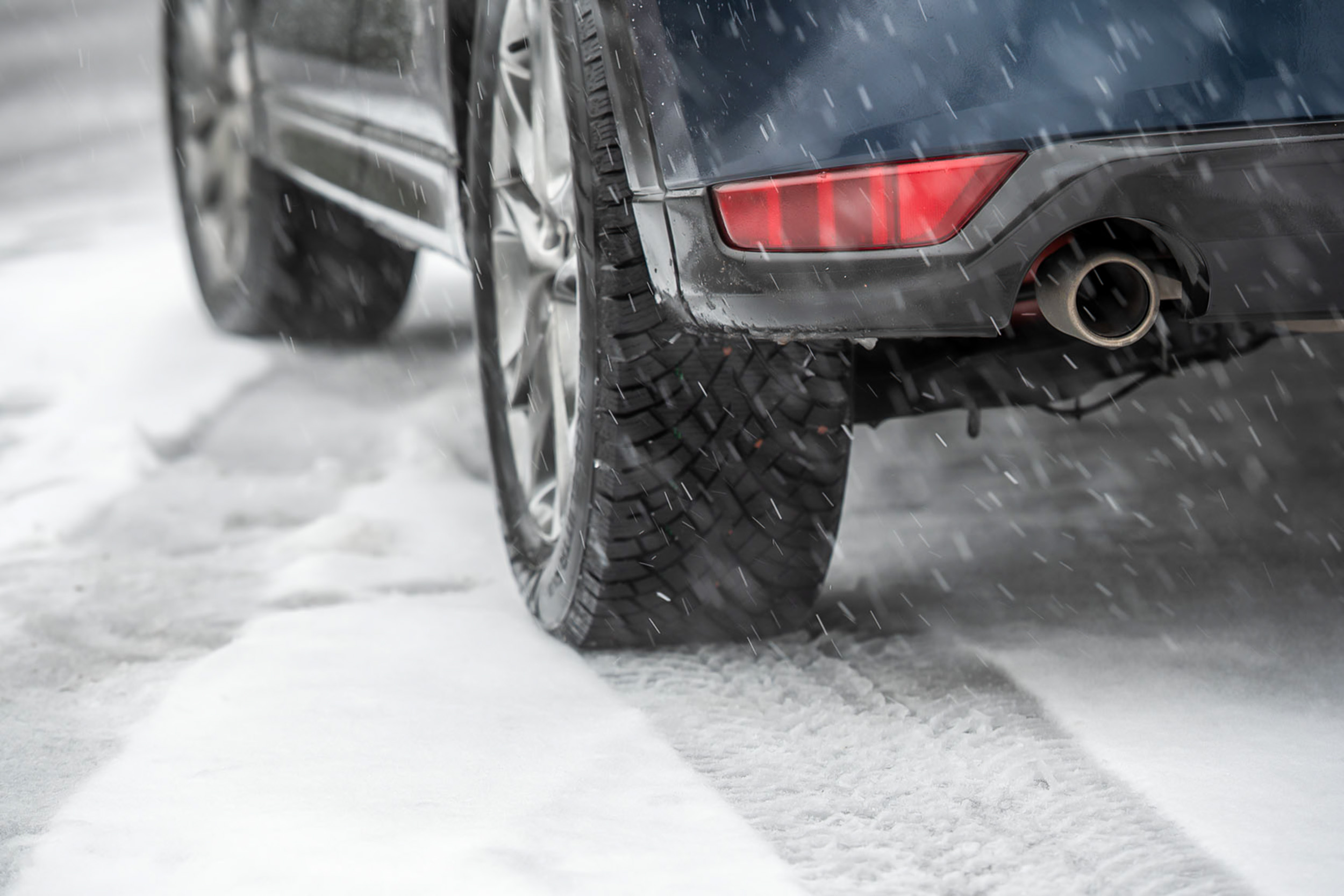
Investing in a premium set of tires raises an obvious question: how long will they last? Most drivers can expect these tires to perform at a high level for 3 to 5 seasons, depending on annual mileage and storage conditions. To help drivers manage this, Nokian includes a patented Winter Safety Indicator (WSI) directly on the tread surface.
The WSI features a series of numbers (8, 6, 4) indicating the remaining tread depth in millimeters, alongside a snowflake symbol. Once the tire wears down to 4mm, the snowflake disappears. This is a clear signal that the tire’s deep-snow capabilities and slush-clearing efficiency are beginning to diminish. It’s a simple, high-visibility way to ensure you never head into a blizzard on unsafe rubber.
For those driving heavier vehicles like SUVs or large EVs, the tires also feature Aramid Strong Sidewalls. By incorporating the same fibers used in bulletproof vests, Nokian reinforces the tire against the impacts of potholes and hidden curbs—a common winter hazard. While the upfront investment is higher than a budget brand, the combined benefits of fuel savings, longevity, and superior ice safety provide a clear return on investment.
FAQ
Are Nokian winter tires good for deep snow?
Absolutely. The high density of sipes and the aggressive Double Block Grip design are specifically engineered to compress snow into the tread, creating snow-on-snow traction, which is the most effective way to maintain momentum in deep powder.
How many seasons do Nokian winter tires last?
Typically, a set will last between 3 to 5 winter seasons. This varies based on how many miles you drive and how quickly you swap them off once the temperatures rise above 45 degrees Fahrenheit (7 degrees Celsius), as warm pavement can accelerate tread wear.
Which Nokian winter tire model is best for ice?
For non-studded performance, the Hakkapeliitta R5 (and the EV-specific version) is the gold standard due to the Arctic Grip Crystals technology. If your local laws allow for metal studs and you face constant black ice, the Hakkapeliitta 10 offers even more aggressive mechanical bite.
Are Nokian winter tires worth the extra cost?
When you factor in the 5.6-meter shorter braking distance and the potential fuel/range savings from low rolling resistance, the value becomes clear. They are often viewed as a safety insurance policy for your vehicle and passengers.
Can I use Nokian winter tires all year round?
It is not recommended. The specialized rubber compound is designed to stay soft in sub-zero temperatures. In the summer, this softness leads to rapid tread wear and decreased handling precision. Always swap to summer or all-season tires once the consistent spring thaw arrives.