Quick Facts
- The 72-Hour Rule: Always carry 3 or more days of food and water per person to account for delays in remote areas.
- Primary Recovery Priority: Airing down tires is your most effective first step to gaining traction when you are stuck.
- Communication Requirement: Use dedicated satellite messengers where cellular signals fail to ensure a lifeline to emergency services.
- Tire Hazard: Standard factory donut spares are completely unsuitable for gravel or rocky surfaces; a full-size spare tire is mandatory.
- Trauma Readiness: Carry specialized stop-the-bleed supplies rather than just basic bandages to manage significant injuries.
- Extraction Physics: Kinetic recovery ropes are safer and more efficient than static chains or steel cables for vehicle-to-vehicle recovery.
Navigating backcountry roads requires more than a standard roadside plan; it requires an off-road emergency kit designed for areas where towing is unavailable. This guide breaks down the overlanding safety equipment and recovery gear needed for total self-reliance.
Human First: Essential Overlanding Safety Equipment
When you transition from asphalt to unmaintained fire roads, the risks to your physical safety increase significantly. Unlike city streets, where help is minutes away, the backcountry demands a medical and communication strategy that assumes you are your own first responder. National statistics highlight the unique dangers of these environments. According to the U.S. Consumer Product Safety Commission, approximately 42% of all off-highway vehicle roadway fatalities between 1982 and 2012 occurred on unpaved surfaces. This data suggests that the lack of infrastructure and unpredictable terrain provide little margin for error.
The most critical component of your overlanding safety equipment is a trauma equipped overlanding first aid kit. Standard kits found at big-box stores are usually filled with adhesive bandages and antiseptic wipes, which are fine for scrapes but useless for deeper injuries. Research shows that head injuries occur in 76% of off-highway vehicle fatalities on unpaved roads, and helmet use is associated with a 50% reduction in the risk of sustaining such injuries. Beyond helmets, your kit should prioritize stop-the-bleed supplies, such as high-quality tourniquets, hemostatic gauze, and pressure bandages. These tools are designed to manage severe bleeding until professional medical teams can reach you.
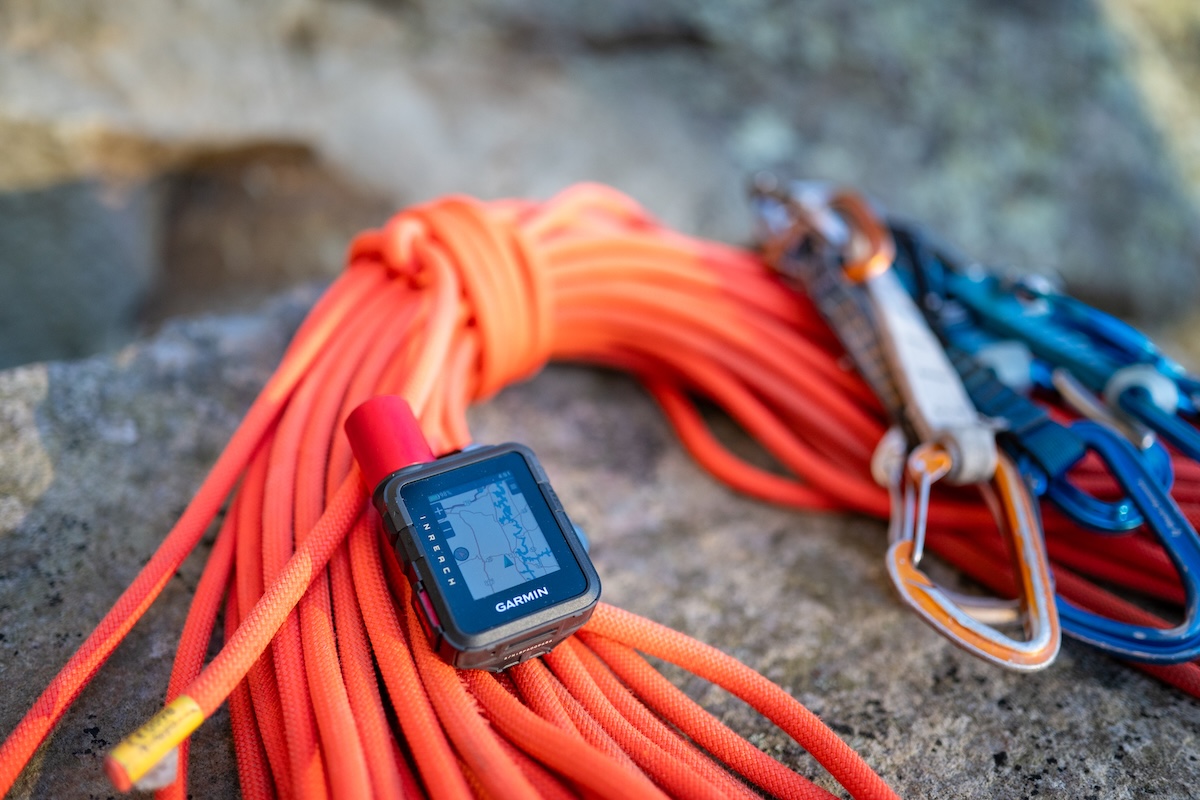
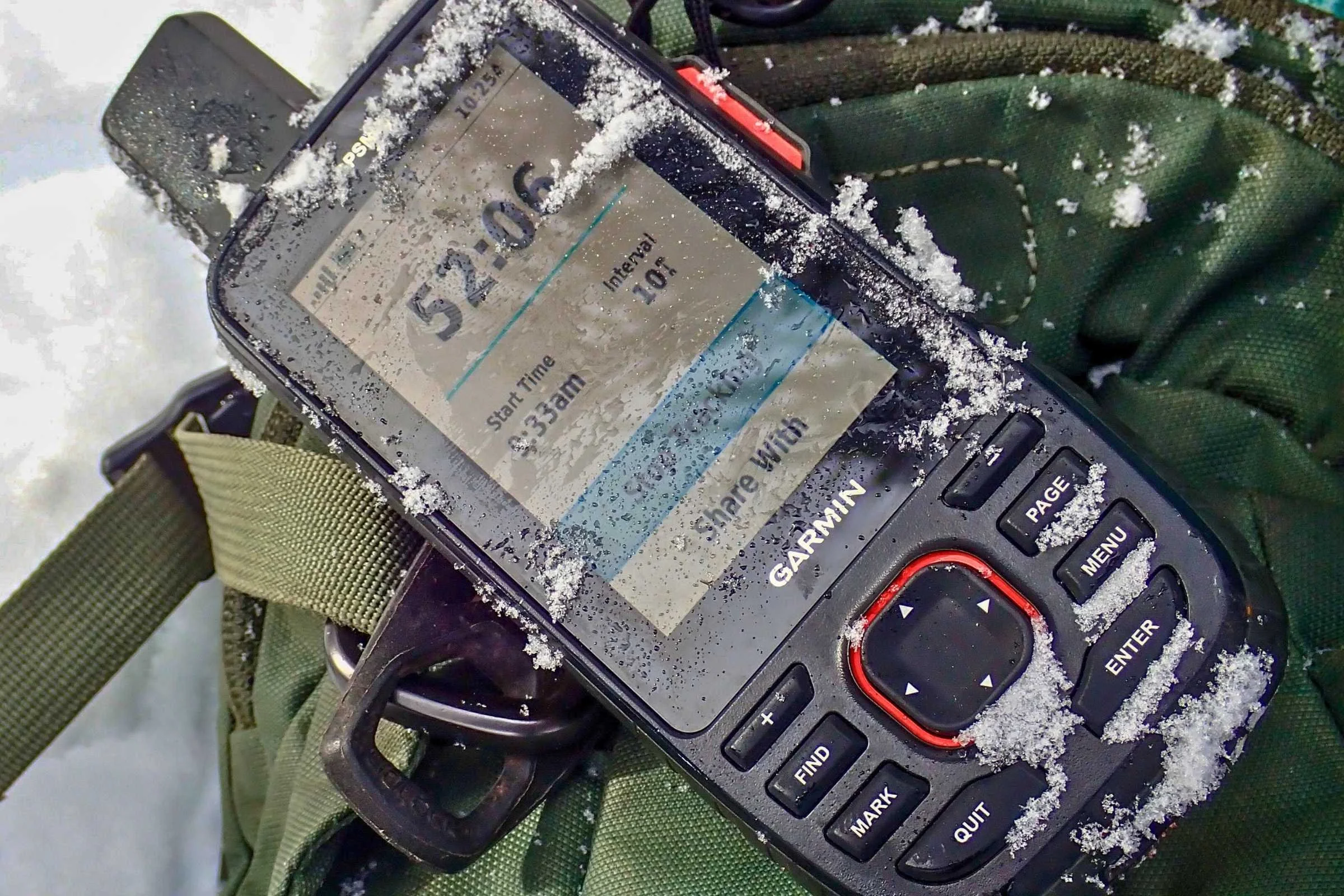
Communication is your ultimate recovery tool. Relying on a smartphone is a common mistake for those new to remote travel. Once you lose line-of-sight with cell towers, your phone becomes little more than a camera. Professional adventurers use off-grid communication tools for backcountry travel, specifically satellite messengers. These devices allow for two-way text messaging and SOS triggers via global satellite networks.
Navigation safety is equally vital for self-reliance. Digital map caching is the practice of downloading detailed topographic maps to your device while you still have internet access. This ensures that even without a signal, your GPS can pinpoint your location on unmaintained fire roads. However, electronics can fail. Always carry a physical map and a compass as a failsafe to ensure you don't become part of the statistic where approximately 102,000 emergency department-treated injuries occur annually associated with off-highway vehicles.
Mastering the Trail: Backcountry Vehicle Recovery Gear
The transition from a beginner to an expert off-roader is often marked by the quality of your extraction tools. For those starting out, selecting the best backcountry vehicle recovery gear for beginners involves focusing on tools that are easy to use and carry a low risk of injury. One of the most common scenarios you will face is losing traction in soft earth. Knowing how to get car unstuck from sand with recovery boards is a fundamental skill. These boards provide a high-traction surface for your tires to grab, effectively creating a temporary "road" out of the obstacle.

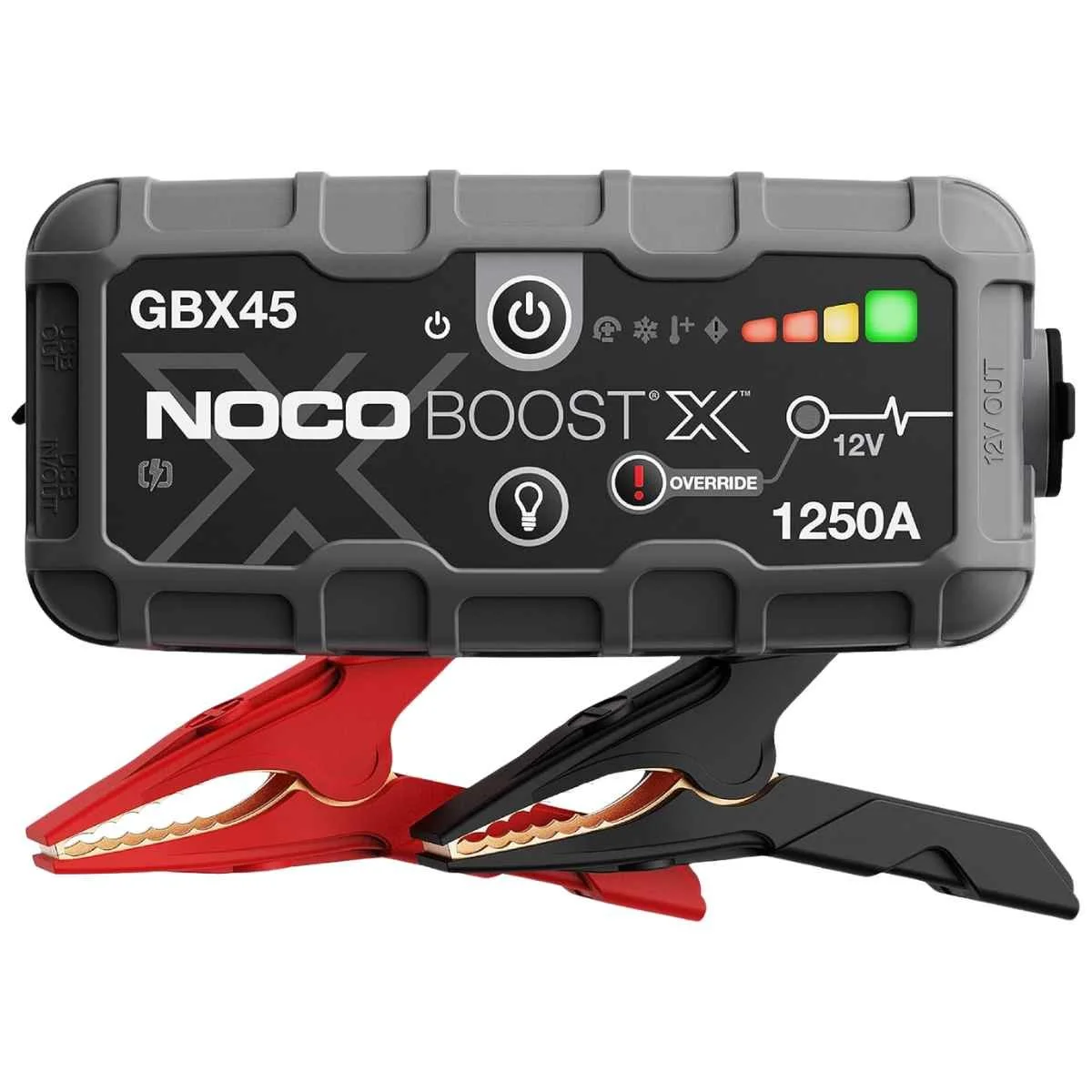
Wait, before you start digging, consider the hardware you currently have. Most vehicles come with a flimsy scissor jack designed for flat pavement. These are dangerous on uneven dirt. An essential part of your off-road emergency kit is a high-capacity bottle jacks or a dedicated off-road jack. These provide the stability and lift height needed to change a tire or clear an obstacle in a forest or desert setting.
| Gear Category | Factory Standard | Off-Road Elite | Why It Matters |
|---|---|---|---|
| Lifting | Scissor Jack | High-capacity bottle jacks | Stability and ground clearance on uneven soil. |
| Towing | Steel Chain | Kinetic recovery ropes | Kinetic ropes stretch to absorb shock and use stored energy to pull. |
| Connection | Steel Shackles | Soft shackles | Soft shackles are lighter, stronger, and safer if a line snaps. |
| Traction | Floor Mats | Recovery boards | Boards are engineered specifically for tire tread to bite into. |
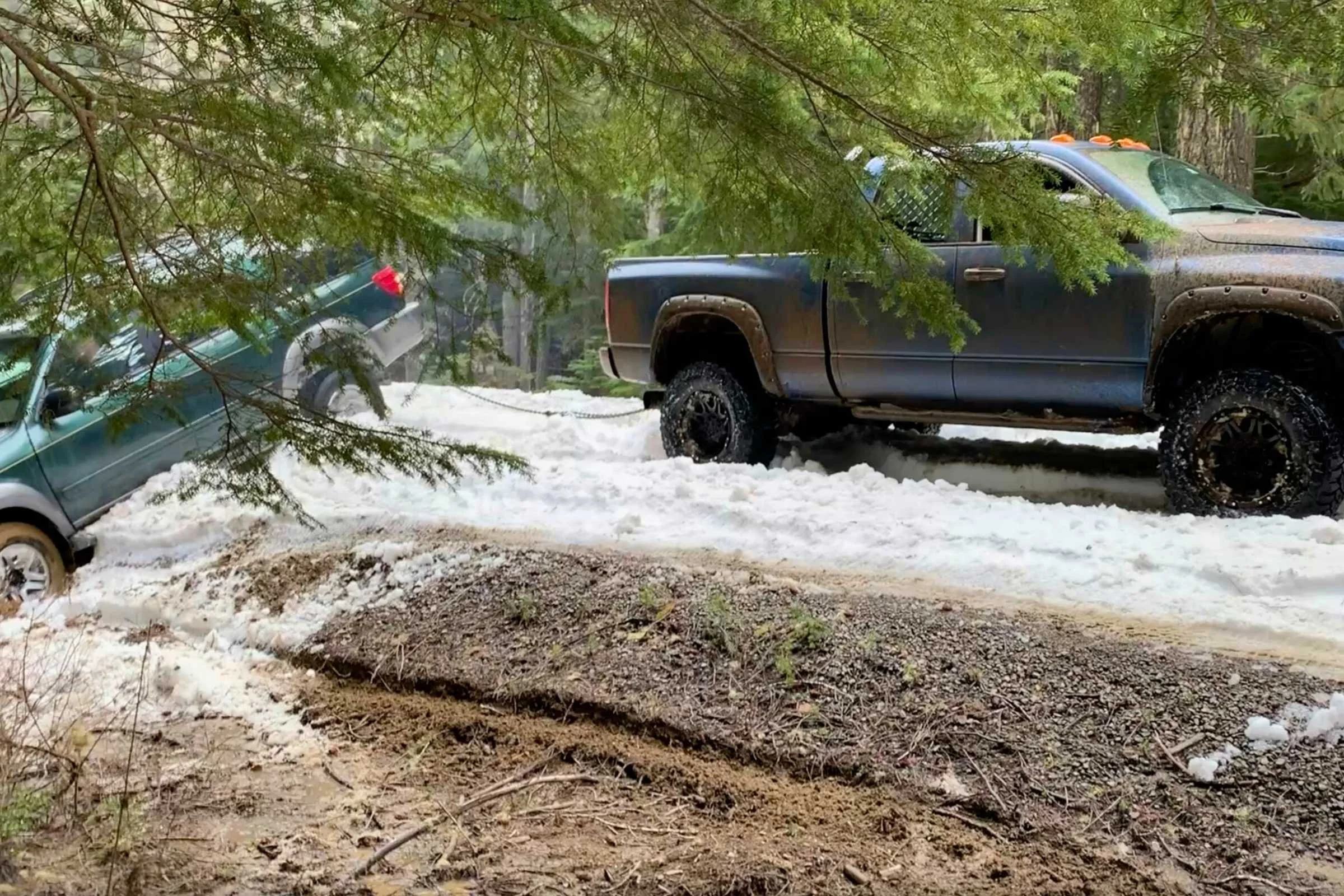
If you are traveling with a second vehicle, you can utilize kinetic recovery ropes and soft shackles. Unlike a static tow strap, a kinetic rope stretches under load, using the built-in elasticity to "snatch" the stuck vehicle out. This reduces the jarring impact on both vehicle frames and is significantly safer. By using soft shackles made of high-strength synthetic fiber instead of heavy steel D-rings, you eliminate the risk of a heavy metal projectile if a recovery point were to fail.
Self-Reliance on Unmaintained Roads: Off-Pavement Car Maintenance Supplies
Mechanical failure in the middle of a remote canyon can turn a day trip into a survival situation. Self-reliance means carrying off-pavement car maintenance supplies for remote trips that allow you to perform basic repairs yourself. One of the most frequent issues on rocky trails is a tire puncture. Sharp stones can easily pierce a sidewall or tread. A comprehensive tire plug kit is one of the most essential items for an off-road emergency kit. Combined with a pair of pliers to remove the debris, a plug can get you back on the move in minutes.
Proper tire management also involves adjusting your internal pressure to suit the terrain. When you leave the highway, your tires are likely too hard, leading to a bumpy ride and poor traction. Using tire deflation tools to "air down" increases the contact patch of the tire, improving grip and protecting the tire from punctures. However, you must be able to return to highway pressures once you hit the pavement. This is why a portable air compressor for off-road tire pressure management is non-negotiable for anyone venturing into the backcountry.
Beyond tires, consider your vehicle's fluids. Off-pavement car maintenance supplies should include at least one quart of engine oil, a gallon of coolant, and a small bottle of brake fluid. The vibrations and steep angles of off-roading can sometimes cause leaks or consume fluids faster than highway driving. Ensuring your vehicle has all-terrain capability means monitoring these levels frequently.
Safety Pro Tip: Always check your vehicle’s recovery points before you leave. Many modern SUVs have "tie-down" points that are not designed for the stresses of a recovery. Ensure you have dedicated, frame-mounted recovery points.
Adapting for the Cold: Winter Off-Road Gear Modules
Traveling through snow and ice requires a specific shift in your off-road emergency kit strategy. Cold weather changes the physics of how your vehicle interacts with the ground. Standard all-season tires often harden in sub-freezing temperatures, losing their grip. Advanced cold-weather rubber compounds are designed to stay flexible, and their siping and tread depth are optimized to clear slush and bite into ice.
For winter travel, your vehicle recovery gear must include snow-specific items. A metal snow shovel is far more durable than a plastic one when dealing with packed ice. You should also carry tire cables or chains, even if your vehicle has four-wheel drive. Traction can vanish instantly on a shaded mountain curve.
Finally, consider human insulation. If your vehicle breaks down in the winter, the cabin will lose heat within minutes. Your winter module should include emergency fire blankets, high-loft sleeping bags, and a way to heat water or food. Being stuck overnight in the mountains is a manageable inconvenience with the right gear, but it can be life-threatening without it.

FAQ
What are the essential items for an off-road emergency kit?
A complete kit must include vehicle recovery tools like traction boards and a shovel, mechanical supplies such as a tire plug kit and portable air compressor, and human safety gear including a trauma-ready first aid kit and a satellite communicator. You should also carry extra water, food, and a full-size spare tire.
What recovery gear is necessary for off-roading?
For solo travel, recovery boards and a reliable jack are the most important tools. If traveling in a group, you should add kinetic recovery ropes and soft shackles to your inventory. These allow one vehicle to safely pull another out of mud, sand, or snow using the rope's elasticity.
What first aid supplies are specifically needed for off-roading?
Standard kits are insufficient. For off-roading, you need a kit equipped with trauma supplies like tourniquets, chest seals, and pressure dressings to handle severe injuries that can occur in remote environments. Adding a splint and thermal blankets is also highly recommended for wilderness safety.
How often should you inspect your off-road recovery and emergency gear?
You should inspect your gear before every major trip and at least once every six months. Check for frayed ropes, cracked recovery boards, and expired medical supplies. Ensure your portable air compressor is functioning and that your satellite messenger has an active subscription and a full battery.
Should I include communication devices in my off-road kit?
Yes, a satellite communicator is vital because cellular service is often non-existent in backcountry areas. These devices allow you to send SOS signals and stay in contact with family or emergency services regardless of your proximity to cell towers, providing a critical safety net.
The key to a successful backcountry expedition is recognizing that you are responsible for your own safety and recovery. By building a comprehensive off-road emergency kit and mastering the use of backcountry vehicle recovery gear, you transform a potentially dangerous situation into a solvable problem. Before you head out on your next adventure, take the time to audit your equipment, update your digital maps, and ensure your trauma kit is fully stocked. The trail is waiting, and with the right preparation, you’ll be ready for whatever it throws your way.