Quick Facts
- Recall Status: Active and high priority (NHTSA Campaign 24V-381).
- Problem: Machining debris left in engines during manufacturing.
- Affected Vehicles: Approximately 98,568 Tundra pickups (2022-2023 gas-only models).
- The Solution: A complete engine assembly replacement at no cost.
- Estimated Value: Over $30,000 in parts and labor per vehicle.
- Service Time: About 13.6 labor hours, typically requiring two days at the dealership.
- Safety Risk: Potential engine stalling or total loss of power at high speeds.
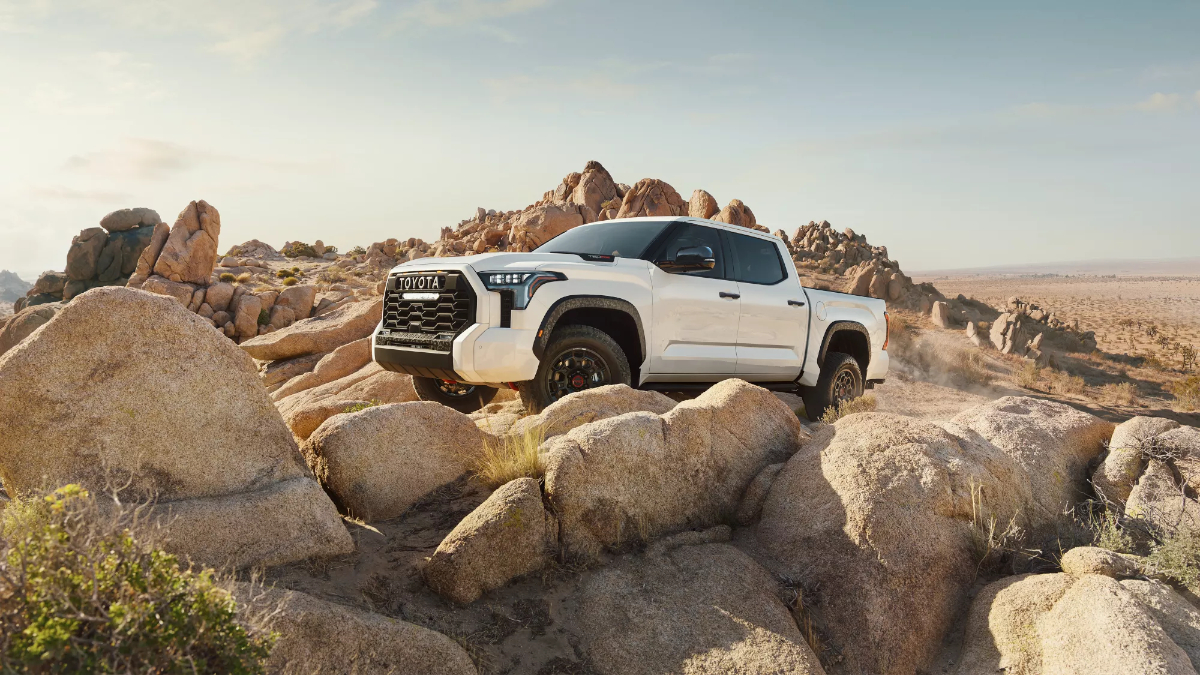
Toyota has announced a massive 2022-23 Toyota Tundra recall (NHTSA 24V-381) affecting over 100,000 vehicles. Owners are eligible for a free engine assembly replacement due to machining debris issues. This guide explains the risks of the V35A-FTS engine, how to identify symptoms, and how to schedule your repair. The 2022-2023 Toyota Tundra recall addresses a manufacturing defect where machining debris may have been left inside the i-FORCE twin-turbo V6 engine. These metal shavings can contaminate the engine oil and damage the crankshaft main bearings, potentially causing engine knocking, rough idling, or a total loss of power while driving, which increases the risk of a crash.
Understanding the V35A-FTS Defect: Why the Engines Fail
The heart of the issue lies within the V35A-FTS engine code, the twin-turbo V6 configuration that replaced the beloved 5.7L V8 in the newest generation of Tundras. During the manufacturing process at Toyota’s engine plant, certain production runs were not properly cleared of machining debris. These tiny metal shavings remained inside the block after the cleaning process, only to be circulated through the engine once the vehicle was put into service.
When these shavings enter the oiling system, they cause direct oil gallery contamination. This is highly problematic because the V35A-FTS relies on precise oil pressure to maintain a thin film of lubricant between moving parts. The debris eventually migrates to the crankshaft main bearings, specifically focusing on the number one main bearing. As the metal shavings grind against the bearing surface, they cause excessive wear and heat, leading to a catastrophic failure of the bearing.
The result is more than just a noisy engine. When a main bearing fails, it can cause the engine to seize entirely. If this happens while you are merging onto a highway or towing a heavy trailer, the sudden loss of motive power creates a significant safety hazard. As of May 2024, Toyota was aware of 824 engine warranty claims in the United States that appeared related to machining debris left in the engine during production.
Is Your Tundra Affected? Hybrid vs. Gas Models
One of the most common points of confusion for owners is whether their specific truck is included in the Toyota Tundra recall. The manufacturing defect is currently isolated to the standard i-FORCE powertrain. Toyota's engine recall (NHTSA campaign 24V-381) affects approximately 102,092 vehicles, including 98,568 Tundra pickups from the 2022 and 2023 model years.
If you drive an i-FORCE MAX hybrid, your vehicle is not currently part of this specific recall. While the hybrid uses many shared components, the electric motor integration and different powertrain tolerances have led Toyota to exclude them for now. However, for those who own other high-end Toyota products, it is worth noting the Lexus LX600 compatibility in this recall, as that model shares the same V6 engine and is also facing similar engine replacement orders.
To be certain of your vehicle's status, you must perform a Vehicle Identification Number lookup. You can find your 17-digit VIN on the driver-side dashboard or inside the driver-side door jamb. Entering this number into the Toyota or NHTSA recall websites will provide an immediate confirmation of whether your truck is slated for an engine assembly replacement.
Warning Signs: Symptoms of Machining Debris
While the recall ensures a free fix, owners should be vigilant for early indicators of engine distress. The potential risks of machining debris in toyota tundra v6 engines are not always immediate; they can manifest after several thousand miles of normal driving.
If you notice any of the following symptoms of machining debris in 2022 2023 toyota tundra engines, you should pull over as soon as it is safe to do so:
- Engine Knocking: A rhythmic metallic tapping or banging sound that increases in speed with engine RPMs.
- Rough Idling: Unusual vibrations or a feeling that the engine is "stumbling" while stopped at a light.
- Loss of Power: A sudden hesitation or inability to accelerate during normal driving.
- Oil Pressure Warning: A dashboard light indicating low oil pressure, often caused by the crankshaft main bearings failing and allowing oil to bleed off.
- Visible Debris: If you perform your own maintenance, check for shiny metallic flakes on the oil dipstick or inside the oil filter housing.
If your truck exhibits these 2022 2023 Tundra engine issues, do not wait for a notification letter. Contact an authorized service center immediately to discuss emergency service options.
The Engine Replacement Guide: Process and Timeline
Toyota has taken the unprecedented step of offering a complete engine assembly replacement rather than attempting to clean or repair the existing units. This is a massive logistical undertaking, involving the shipment of thousands of long-block engines from central hubs like the Memphis warehouse to dealerships across the country.
The guide to the toyota tundra engine replacement process starts with the VIN check. Once confirmed, you must coordinate with your local authorized service center. Dealers do not typically keep these engines in stock; they are ordered specifically for your VIN once you have an appointment. Toyota replaces the entire engine assembly free of charge for affected 2022-2023 Tundra owners, a repair process that typically takes about two working days once the dealer receives the parts.
The 4-Phase Rollout Schedule
To manage part supplies and service bay capacity, Toyota has implemented a phased approach to the recall.
| Phase | Estimated Timeline | Focus Group |
|---|---|---|
| Phase 1 | Active Now (through May 2025) | Initial owner notifications and emergency repairs for failed engines. |
| Phase 2 | Late 2024 | Focused parts distribution to high-volume regions. |
| Phase 3 | Early 2025 | Scheduling for vehicles with mid-range mileage. |
| Phase 4 | Mid 2025 | Final sweep of all remaining affected VINs. |
What to expect when getting a new tundra engine from toyota includes more than just the mechanical work. Toyota is providing a $60/day rental vehicle allowance to ensure you stay mobile while your truck is in the shop. Given that the technician must essentially "body-off" or perform significant disassembly of the front end to swap the powertrain, this is not a job you want rushed.
Pro Tip: When you drop off your vehicle, ask your service advisor about the California Proof of Correction form if you live in that state. You will need this document to renew your vehicle registration once the recall work is complete.
FAQ
What year Toyota Tundra is being recalled?
The current engine replacement recall specifically targets the 2022 and 2023 model years. These vehicles were produced within the window where manufacturing debris was most prevalent in the V35A-FTS production line.
Is there a current recall for Toyota Tundra fuel leaks?
While there have been previous recalls regarding fuel line routing and potential leaks on certain 2022-2023 models, that is a separate issue from the current engine replacement recall. It is best to check the NHTSA website to see if your VIN has any outstanding fuel system recalls.
Will Toyota replace the engine in recalled Tundras?
Yes, Toyota has committed to a full engine assembly replacement for all affected non-hybrid Tundras. This means you are getting a factory-new long block, not a refurbished or repaired version of your old engine.
Is it safe to drive my Toyota Tundra if it has a recall?
Toyota recommends having the recall performed as soon as parts are available. While many trucks are driving without issues, the risk of a sudden engine stall exists. If you hear any knocking or see an oil pressure light, stop driving immediately and call for a tow.
Do I have to pay for Toyota Tundra recall repairs?
No. Under the National Traffic and Motor Vehicle Safety Act, all recall-related repairs are performed at no cost to the consumer. This includes parts, labor, and a loaner vehicle allowance during the service period.
What are the warning signs of a Toyota Tundra engine failure?
The most common symptoms include a loud knocking sound from the engine bay, a sudden reduction in power, or the vehicle stalling unexpectedly. You may also see metal shavings in your oil during a regular oil change.
If you have questions about your specific vehicle or need help locating an authorized service center, you can reach the Toyota Brand Engagement Center at 1-800-331-4331. Taking action now ensures your Tundra remains the reliable workhorse it was designed to be, with a brand-new engine backed by the manufacturer.