Quick Facts
- Material Standard: Professional builders now consider 16-gauge powder-coated steel the benchmark for internal skeletons.
- Weight Impact: Shifting from wood to metal framing can reduce the total weight of a finished conversion by approximately 1,000 lbs.
- Longevity: Steel provides a stable foundation with a 50+ year lifespan, compared to the 20-30 years expected from organic wood structures.
- Moisture Defense: Metal is non-organic and hydrophobic, which eliminates the risk of mold growth and wood rot caused by condensation.
- Modularity: Modern systems utilize L-track and internal bracing to allow for repositionable cabinetry and interchangeable interior layouts.
- Component Weight: Cabinets built with aluminum frames are typically 40% and 60% less heavy than their traditional plywood counterparts.
Professional builders prefer steel campervan framing over traditional wood because it offers superior durability against off-road vibrations and prevents common issues like moisture absorption and mold growth. Systems using 16-gauge powder-coated steel provide a rigid internal skeleton that effectively manages the vehicle's payload while maximizing structural integrity.
The Payload Problem: Why Wood is Weighting You Down
In the world of professional van building, the most critical number is not the cost of the tile backsplash; it is the Gross Vehicle Weight Rating (GVWR) or the Maximum Authorized Mass (MAM). Most popular chassis like the Sprinter or Transit have a 3500kg MAM limit. When you factor in the weight of the chassis, a full tank of fuel, two passengers, and 30 gallons of fresh water, you are quickly left with a small margin for the actual build. Traditional wood framing is notoriously heavy and dense. By the time a DIYer installs 2x2 or 2x3 pine studs and heavy plywood panels, they may have consumed nearly half of their available payload before a single appliance is installed.
Professional builders have shifted to 16-gauge powder-coated steel and structural aluminum because of the high strength-to-weight ratio. This shift is not just about staying legal at a weigh station; it is about performance. A lighter van handles better, stops faster, and experiences less wear on the suspension and brakes. Modern steel foundation kits allow you to build a complete structural skeleton that is significantly lighter than wood, ensuring you have the capacity to carry heavy gear like mountain bikes or professional camera equipment without exceeding safety limits.
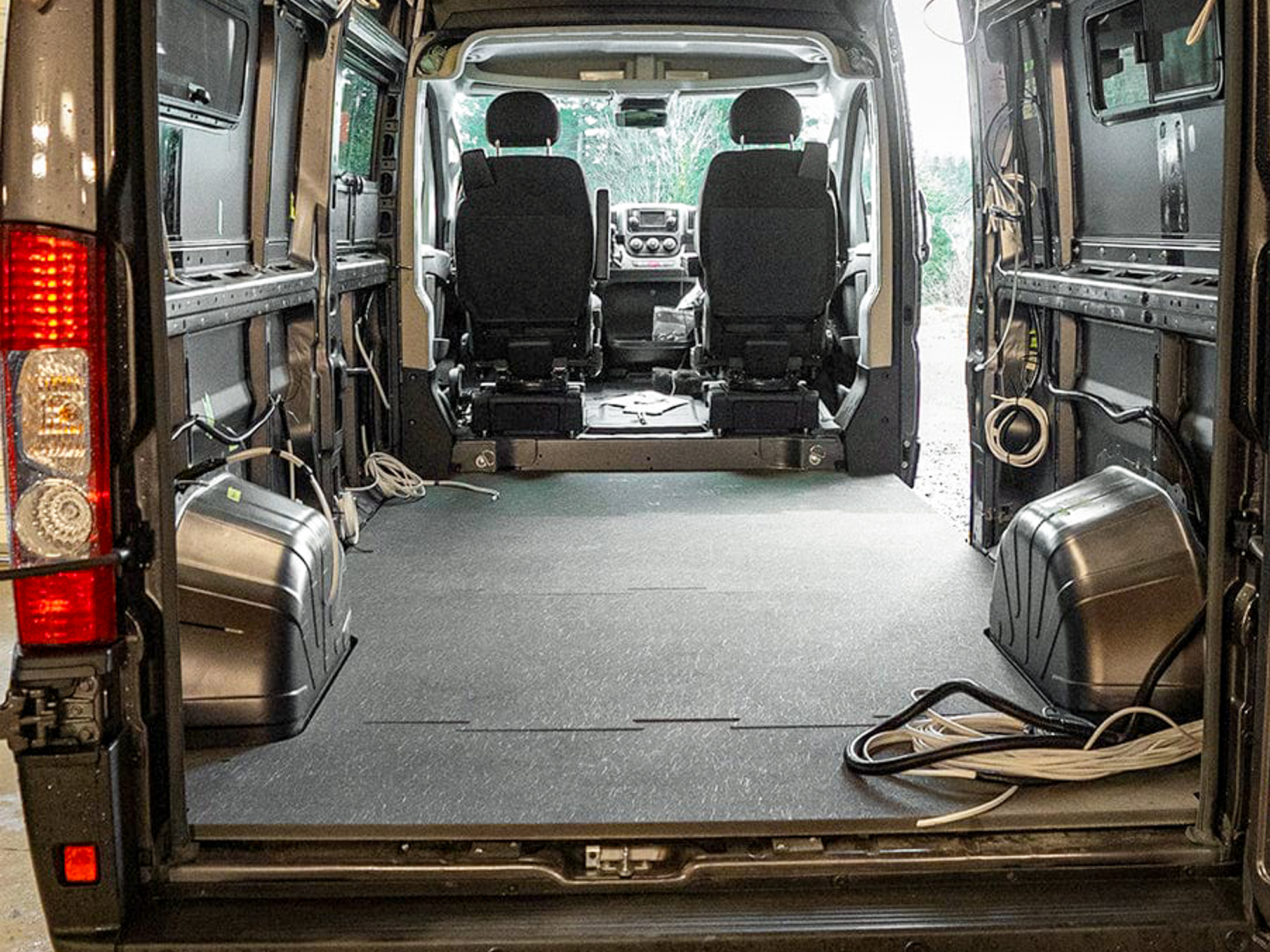
When calculating weight efficiency, it is also important to consider the flooring. Using a composite subflooring instead of heavy marine-grade plywood can further shave off precious pounds. This systems-first approach ensures that the foundation of the van is not working against the engine and tires throughout the life of the vehicle.
Road Stress and Chassis Flex: The Resilience of Metal
A van is not a stationary house; it is an earthquake on wheels. Every time you drive over a pothole or traverse a washboard mountain road, the vehicle experiences significant torsional stress. This chassis flex is the primary enemy of wood framing. Wood is a brittle material in this context; it does not like to bend and return to its original shape. Over thousands of miles, the constant vibration causes wood screws to back out and joints to pull apart, leading to the dreaded "van squeak" or, worse, structural failure of the cabinetry.
Modern modular campervan build systems solve this by using steel foundation kits designed with CNC precision. These kits are engineered to yield slightly with the van's movement and then return to form. Instead of dozens of small wood screws that can strip out over time, metal systems use standardized attachment points and high-grade bolts. Professional builders utilize lightweight internal bracing for transit van builds and other high-roof models to create a rigid internal skeleton that is bolted directly into the factory ribs of the van using plusnuts or rivnuts.
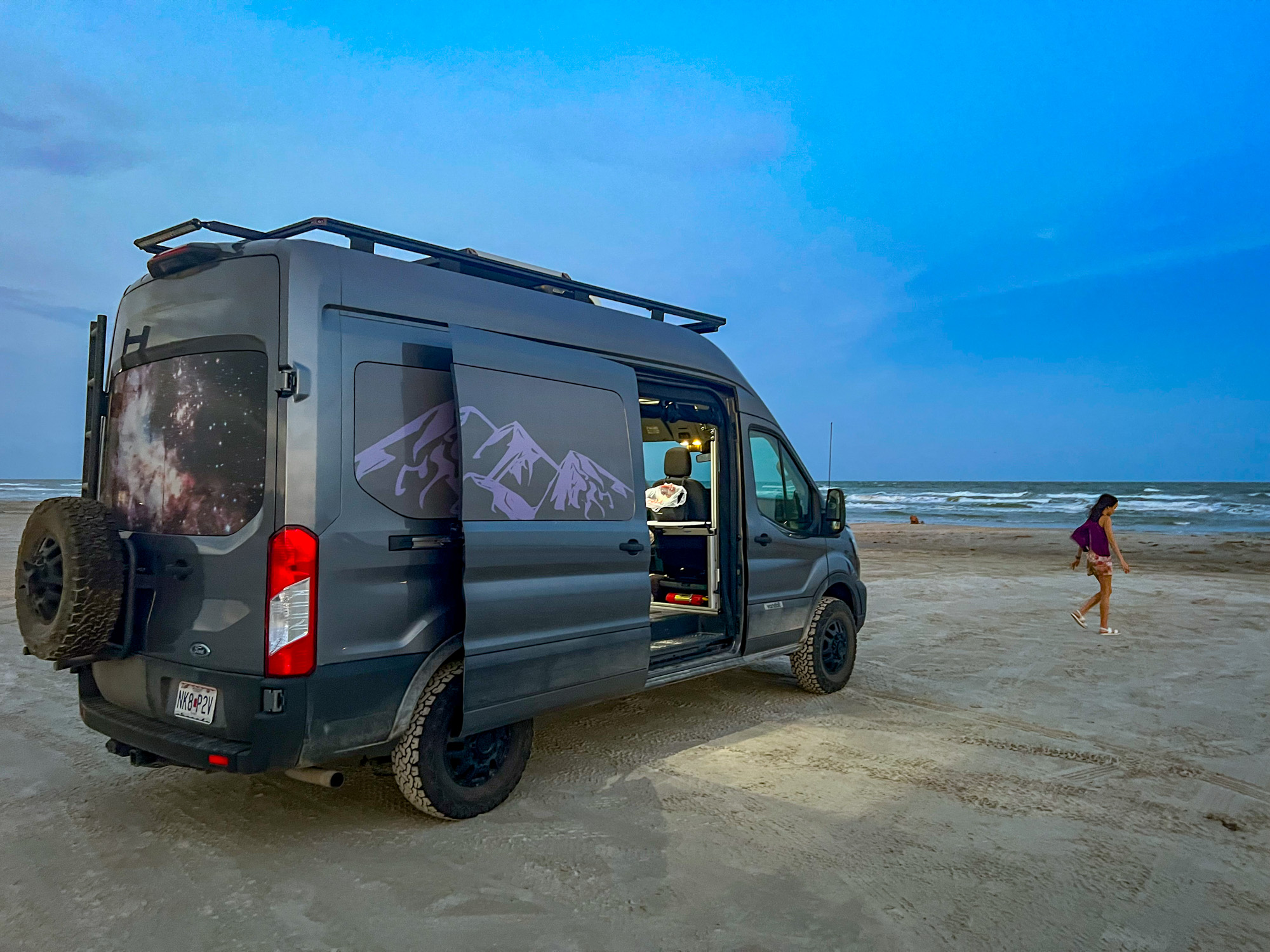
The durability of steel vs wood framing for campervan builds becomes most apparent during off-road excursions. While a wood-framed van might suffer from cracked joints and sagging walls after a season of overlanding, a steel-framed build maintains its integrity. The use of 16-gauge powder-coated steel ensures that the frame remains rust-free and structurally sound even when the vehicle is pushed to its physical limits.
Beating the Mold: Moisture and Thermal Bridging
One of the most overlooked aspects of campervan framing is the environment inside the van. In a confined space, a single occupant generates roughly one liter of water vapor per day simply through breathing. When you add cooking and damp gear into the mix, the humidity levels can skyrocket. In a traditional wood-framed van, this moisture is absorbed by the organic fibers of the wood, creating a breeding ground for mold and eventual rot.
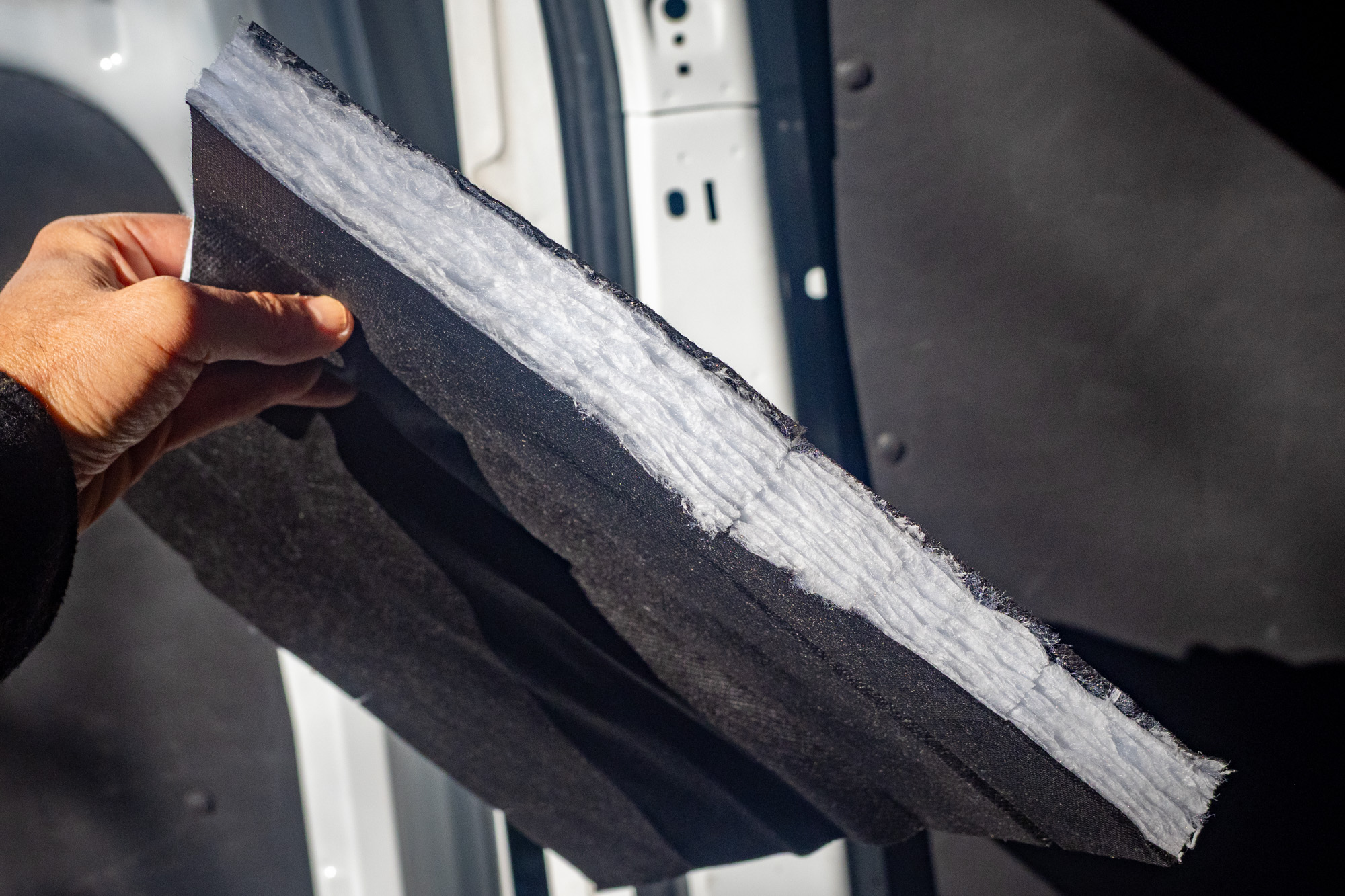
Steel and aluminum are non-organic, meaning they cannot support mold growth or rot. However, working with metal requires an understanding of thermal bridging. Because metal is a highly efficient conductor, it can transfer the cold from the outside of the van to the interior, leading to condensation on the frame itself. To combat this, professional builders create a dedicated cavity for insulation and use thermal breaks—usually in the form of thin foam tape or specialized gaskets—between the metal frame and the interior wall panels.
Pro-Tip: Managing Thermal Bridging To prevent condensation on your steel campervan framing, always apply a thermal break between the metal ribs and your wall panels. Use closed-cell foam tape or a thin layer of cork. Additionally, ensure your insulation, such as 3M Thinsulate, is tucked tightly into the cavities but not compressed, as this maintains the R-value and prevents air pockets where moisture can collect.
By utilizing hydrophobic materials like 3M Thinsulate and moisture-resistant wall panels, builders create an environment that stays dry and smell-free. This combination provides efficient climate control and prevents the degradation of the insulation layer, which is a common failure point in older, wood-heavy builds.
Modular Future-Proofing with Steel Foundation Kits
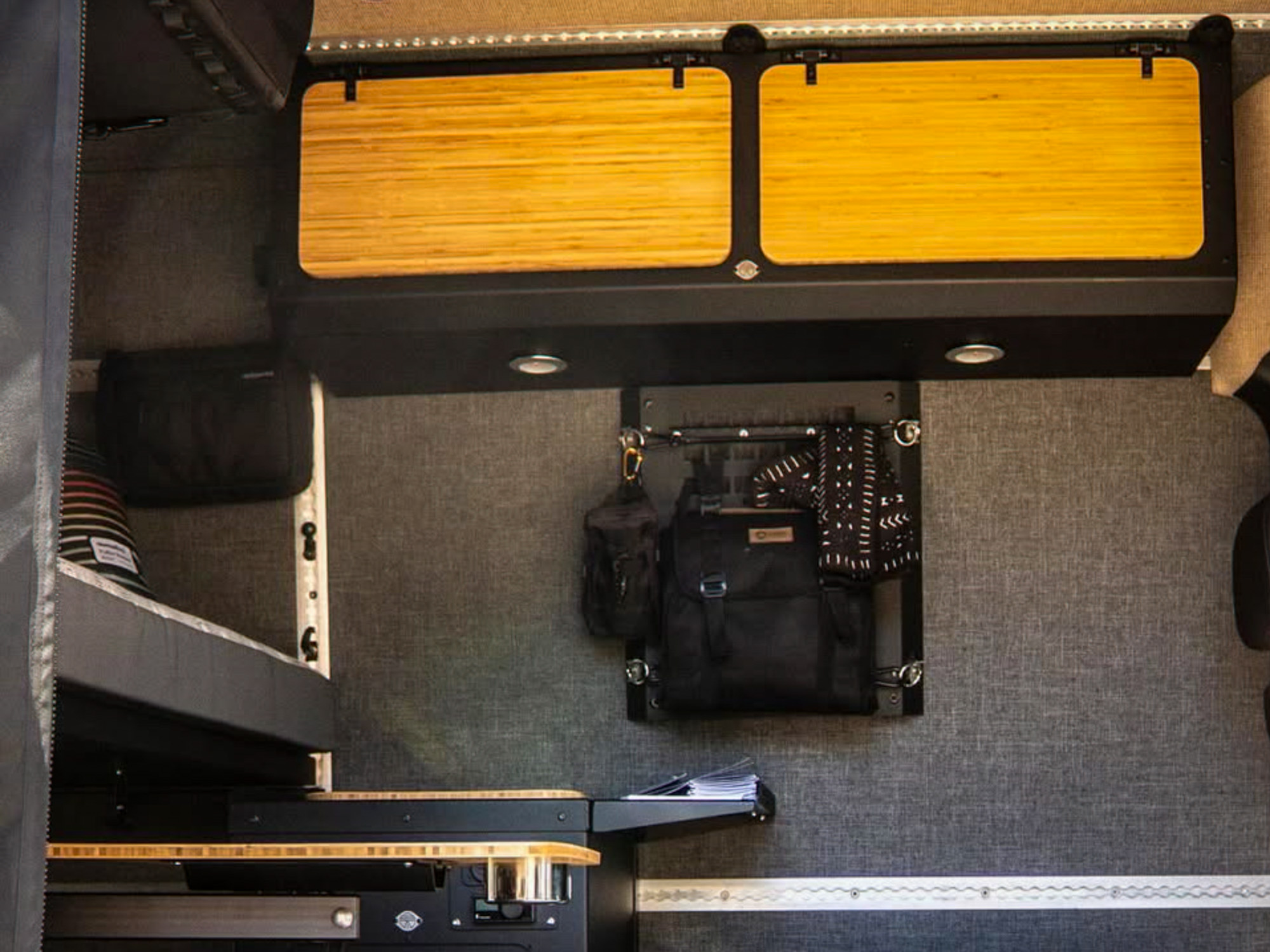
The modern DIYer is moving away from the "build it once and leave it" philosophy. Professional-grade diy campervan framing solutions for off-road vibrations now emphasize modular interchangeability. By using an internal skeleton equipped with L-track, owners can reposition their interior components as their needs change. Perhaps this weekend you need a platform bed for two, but next month you need the space to haul a motorcycle. A modular system allows you to unbolt the bed and move it or remove it entirely in minutes.
This flexibility is nearly impossible with wood framing, where components are usually glued and screwed into a fixed position. A steel foundation kit provides the necessary structural mounting points to support heavy items like hanging cabinets or wall-mounted desks without the fear of the screws pulling through a soft plywood stud.
Comparison: Steel vs. Wood Framing
| Feature | Wood Framing | Steel (16-Gauge) / Aluminum |
|---|---|---|
| Weight | High (Dense/Heavy) | Low (Lightweight/High-Strength) |
| Lifespan | 20-30 Years | 50+ Years |
| Rot Resistance | Low (Organic/Absorbent) | High (Non-Organic/Hydrophobic) |
| Vibration Handling | Brittle (Joints pull apart) | Resilient (Yields and returns) |
| Modularity | Fixed (Hard to change) | High (Bolt-in/Bolt-out) |
| Precision | Manual Cutting | CNC Precision |
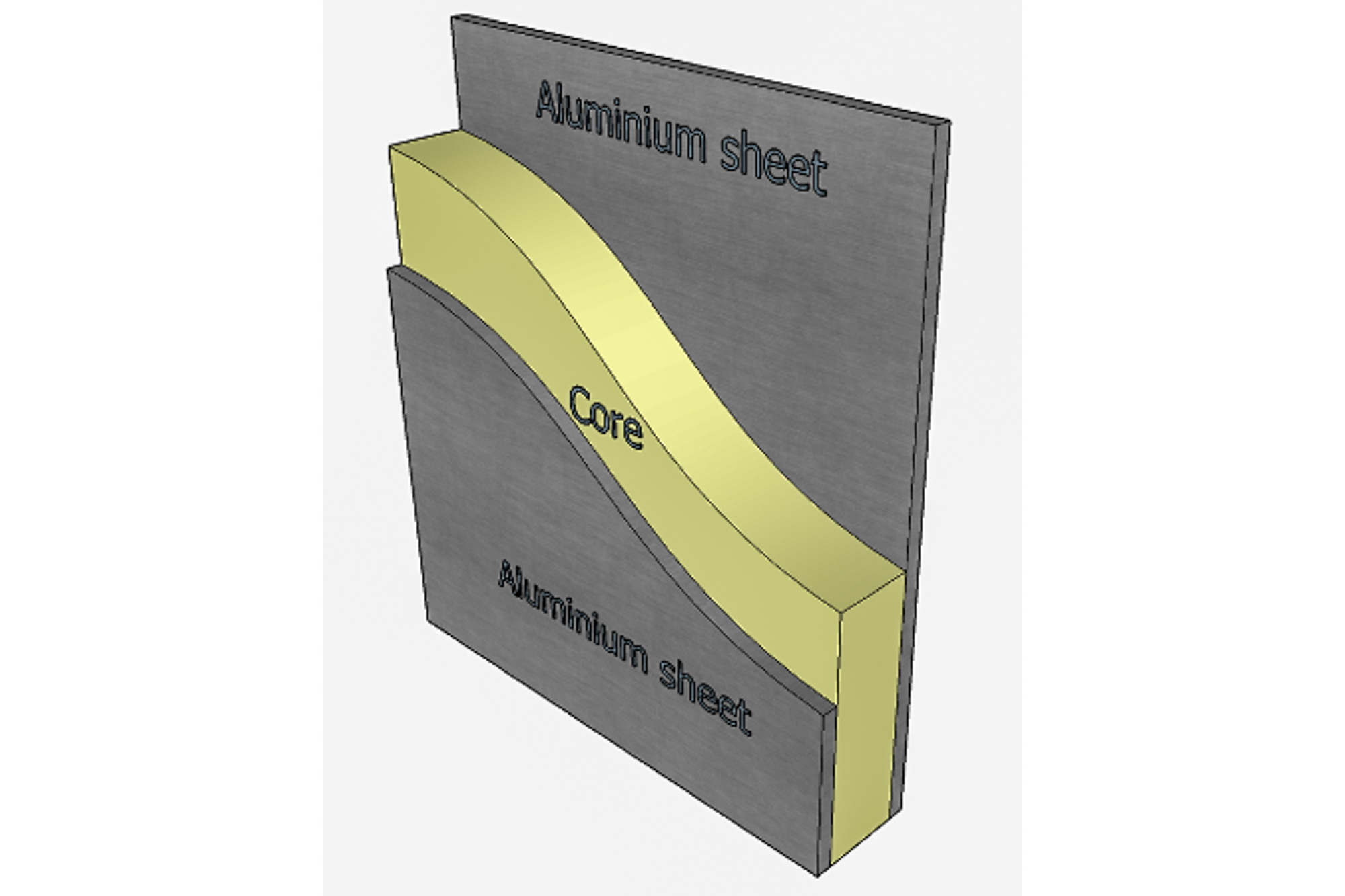
Beyond the skeleton itself, top-tier builders are also choosing non-organic wall materials. Instead of heavy cedar planks or budget luan plywood, the industry standard has moved toward Aluminum Composite Material (ACM). This material consists of two thin sheets of aluminum bonded to a polyethylene core. It is incredibly light, perfectly flat, and completely impervious to moisture. When paired with a steel foundation, ACM creates a sleek, automotive-grade finish that looks professional and lasts the life of the vehicle.
Choosing steel van framing vs wood also simplifies the wiring process. Most steel foundation kits include pre-planned pathways for electrical looms. This allows builders to run their wiring behind the wall panels in a protected cavity, making it easier to troubleshoot or expand the electrical system in the future without tearing the van apart.
FAQ
Is metal framing better than wood for a van build?
Yes, for most high-end and off-road builds, metal is superior. It offers a much higher strength-to-weight ratio, does not rot or support mold, and handles the constant vibrations of the road without the joints failing or screws stripping. While wood is often cheaper and easier for a beginner to cut with basic tools, the long-term durability and weight savings of metal framing make it the preferred choice for professionals.
How much weight does framing add to a van conversion?
A traditional wood frame can add several hundred pounds to a build, potentially contributing to a total conversion weight that exceeds the vehicle's payload limit. In contrast, using an aluminum or 16-gauge steel system can save up to 1,000 lbs across the entire build, allowing for more water, batteries, and gear to be carried without compromising the vehicle's safety or performance.
Should I use wood or aluminum for my van conversion framing?
Aluminum is excellent for internal cabinetry and shelving because it is exceptionally light and strong. For the primary structural skeleton that attaches to the van's chassis, many builders prefer 16-gauge powder-coated steel because it offers a balance of rigidity and cost-effectiveness. Most modern pro builds use a hybrid: a steel foundation kit for the walls and ceiling, and aluminum extrusions for the furniture and bed frames.
How do you attach framing to the inside of a van?
Professional builders avoid drilling random self-tapping screws into the van's skin. Instead, they use the factory holes in the van's ribs. These holes are enlarged slightly to accept plusnuts or rivnuts, which provide a threaded steel insert. The steel framing is then bolted into these inserts, creating a secure, mechanical bond that will not rattle loose or cause rust.
How do I frame around a van's curved walls?
Framing around curves is one of the biggest challenges in a van build. While wood requires complex scribing and steam-bending, modular campervan build systems are often CAD-designed to follow the specific contours of the Sprinter, Transit, or ProMaster. These pre-fabricated kits use CNC-bent steel or notched aluminum that matches the factory curvature, allowing you to maximize interior volume without the headache of custom carpentry.
Ultimately, the shift toward steel and modular systems represents a move toward automotive excellence. By treating the campervan framing as an engineering task rather than a traditional home-building project, you ensure that your home on wheels is safe, efficient, and ready for whatever the road throws at it. If you are planning a build that needs to survive high-mileage overlanding and provide a healthy, mold-free environment, it is time to leave the wood studs at the hardware store.