Quick Facts
- Survival Psychology: Research suggests that overconfidence and a heroic imagination often lead to increased risk-taking and accidents.
- The STOP Protocol: This standard procedure (Sit, Think, Observe, Plan) is the most effective way to prevent panic during emergencies.
- Essential Gear: The 5 Cs—Cutting, Combustion, Cover, Container, and Cordage—form the foundation of any survival kit.
- The Rule of Threes: A priority framework highlighting that humans can survive 3 minutes without air, 3 hours without shelter, and 3 days without water.
- Ignition Power: A quality ferrocerium rod can generate sparks at 5,400°F, making it superior to standard matches in wet conditions.
- Signaling Standard: The SOS signal remains the universal distress call, utilizing 3 short, 3 long, and 3 short signals to attract rescuers.
Survival psychology suggests that overconfidence often leads to dangerous outdoor situations. A heroic imagination can cause hikers to underestimate environmental risks or ignore physical limitations, complicating decision-making during emergencies. Key wilderness survival lessons emphasize maintaining situational awareness and practicing absolute honesty about one's abilities to prevent getting lost or injured.
The Psychology of Risk: Hero or Hazard?
When we step into the backcountry, many of us carry a silent narrative in our heads. We imagine ourselves as the protagonist in a survival film, capable of outrunning a storm or fashioning a bow-drill fire in the pouring rain. However, this vaunted imagination often acts as a veil, obscuring the gritty physiological realities of the natural world. In the history of outdoor exploration, the greatest threat is rarely the environment itself, but the internal belief that we are immune to its consequences.
A systematic review titled Hero or Hazard found that individuals with high self-perceived skill levels often demonstrate increased risk-taking behavior, which is directly linked to a higher frequency of accident involvement. This phenomenon, often termed the Dunning-Kruger effect in survival circles, suggests that the less we know about the actual complexities of nature, the more confident we feel in our ability to conquer it. Managing overconfidence in outdoor survival situations is the first step toward true competency.
Consider the case studies of solo hikers in the Brooks Range or the High Sierras. Those who survive long-term or escape disaster are rarely the ones who tried to be a hero. They are the ones who respected the physical toll of the journey. In extreme expeditions, a hiker might experience a 40lb weight loss or severe cognitive decline due to caloric deficits. In these moments, mental fortitude is not about grit or fantasies of conquest; it is about the cold, hard ability to stay calm and admit when the environment has won the day. Wilderness survival lessons for solo backcountry hikers emphasize that humility is a lifesaver, while a heroic imagination makes the wild exponentially more dangerous by blinding us to our own physical limits.
Bridging the Gap: Outdoor Situational Awareness Tips
To move away from the dangerous lure of imagination, we must transition toward an active engagement with the present environment. This shift is known as developing wilderness awareness. It involves moving from an internal dialogue about what we might do in the future to an external scan of what is happening right now.
One of the most effective outdoor situational awareness tips is to practice topographical mapping even when you think you know where you are. This involves constantly comparing your physical surroundings—the bend in a creek, the height of a ridge, the direction of the wind—with your map or mental model of the area. Terrain association allows you to anchor your location in reality rather than relying on the feeling that the trail is just over the next hill. Improving situational awareness to prevent getting lost requires a disciplined focus on these external markers.
Navigating safely in dense wilderness without a GPS demands that you treat the forest as a series of data points. Is the slope of the land increasing? Is the vegetation changing from hardwood to pine? These shifts provide clues about water availability and elevation. When you rely on facts rather than a heroic narrative, you create a buffer of safety. Backcountry preparedness is less about primitive skillsets and more about the mental fortitude required to pay attention when fatigue sets in.
| Feature | Heroic Mistakes | Effective Habits |
|---|---|---|
| Risk Assessment | Ignoring weather shifts to reach a summit | Turning back when clouds darken or winds shift |
| Route Finding | Taking a "shortcut" through unknown brush | Staying on the trail or backtracking to the last known point |
| Pacing | Pushing through exhaustion to maintain a timeline | Stopping for rest and hydration before making big decisions |
| Gear Usage | Relying on high-tech gadgets with limited battery | Carrying and knowing how to use manual backups |
| Mental State | Panicking or rushing to "fix" a situation | Using the STOP protocol to evaluate before acting |
Tactical Essentials: Gear and Common Mistakes
While your mindset is your primary tool, your equipment serves as the physical extension of your survival psychology. Too often, travelers carry gear fantasies—items that look impressive in a catalog but offer little utility in a freezing downpour. True wilderness survival lessons teach that reliable gear must satisfy the 5 Cs of survival.
Common wilderness survival mistakes often stem from a lack of these basics. Many hikers enter the brush without basic signaling tools or fail to respect changing weather conditions, believing their lightweight jacket is enough for an Alpine shift.
The 5 Cs of Essential Wilderness Survival Gear:
- Cutting: A high-quality, 5-inch fixed-blade knife for processing wood and making tools.
- Combustion: A reliable ignition source, like a ferrocerium rod that generates sparks at 5,400°F, or weatherproof matches.
- Cover: An emergency bivy or a high-mil tarp to protect against natural hazard mitigation risks like hypothermia.
- Container: A stainless steel water bottle that can be placed directly in a fire to boil and purify water.
- Cordage: At least 50 feet of 550 paracord for building shelters or lashing gear.
Top common wilderness survival mistakes to avoid include the desperate search for a shortcut through unfamiliar terrain. This almost always leads to deeper disorientation. Effective survival requires zeroing in on risk mitigation strategies: prioritizing shelter and creating visible ground-to-air signals for rescuers. Instead of imagining a heroic trek back to civilization, the experienced woodsman understands that staying put and being visible is the professional response to a crisis.
Emergency Response: The STOP Protocol and Signaling
When the unthinkable happens and the trail disappears, the most dangerous enemy is not the cold or the dark—it is the surge of adrenaline that triggers panic. This is where you must apply the STOP protocol in emergency situations. This acronym stands for Sit, Think, Observe, and Plan. By literally sitting down, you prevent the impulsive, reflexive movement that causes people to wander miles away from their search area.
Once you have regained your composure, you rely on the Rule of Threes to prioritize your actions. You don't need food for weeks, but you need shelter in hours.
The SOS Distress Signal
If you are lost or injured, use the following visual or auditory signals to alert search and rescue protocols:
- Visual: Use a signal mirror or bright orange cloth. Flash three times, pause, and repeat.
- Auditory: Three short whistle blasts, three long blasts, and three short blasts.
- Ground Signals: Create a large 'X' or 'SOS' in a clearing using rocks, logs, or stomped-down snow to be visible for 10 miles.
Water purification is another area where facts must override folklore. While many believe they can "smell" clean water, biological hazards are invisible. Use SODIS (Solar Water Disinfection) by leaving a clear plastic bottle in direct sunlight for 6 hours, or perform a rolling boil for at least 1-3 minutes depending on elevation. These primitive skillsets, backed by science, ensure outdoor resilience in remote environment navigation.
FAQ
What are the most important wilderness survival skills to learn first?
The most critical skills are fire starting under adverse conditions, basic navigation using a map and compass, and the ability to build an emergency shelter. Equally important is the mental discipline of the STOP protocol, which prevents the panic that often leads to fatal mistakes. Understanding how to regulate your body temperature and stay hydrated are the physiological foundations of survival.
Are wilderness survival courses worth the investment?
Yes, because they provide a controlled environment to practice skills that are difficult to learn through reading alone. Real-world experience with a ferro rod or a signal mirror provides the muscle memory needed when your fine motor skills degrade due to cold or stress. A quality course also helps replace a heroic imagination with realistic expectations of what survival actually feels like.
What are the basic rules of survival in the wilderness?
The basic rules start with the Rule of Threes: you can survive 3 minutes without air, 3 hours without shelter (in extreme heat or cold), 3 days without water, and 3 weeks without food. Following these priorities ensures you don't waste energy on finding food when you should be building a windbreak or gathering water. Additionally, always leave a trip plan with someone at home.
Can you learn survival skills online or do you need in-person training?
While online guides and videos are excellent for learning the theory and conceptual frameworks, in-person training is superior for practical application. You cannot truly understand the challenge of starting a fire with wet wood or navigating through a dense thicket until you have done it with an instructor who can correct your form and provide immediate feedback.
What is the difference between bushcraft and survival classes?
Survival classes generally focus on short-term emergencies and the goal of being rescued, emphasizing modern gear, signaling, and rapid response. Bushcraft classes focus on long-term wilderness living and the use of primitive tools to craft what you need from the environment. Survival is about getting home; bushcraft is about making the wilderness home.
Conclusion & Pre-Trip Checklist
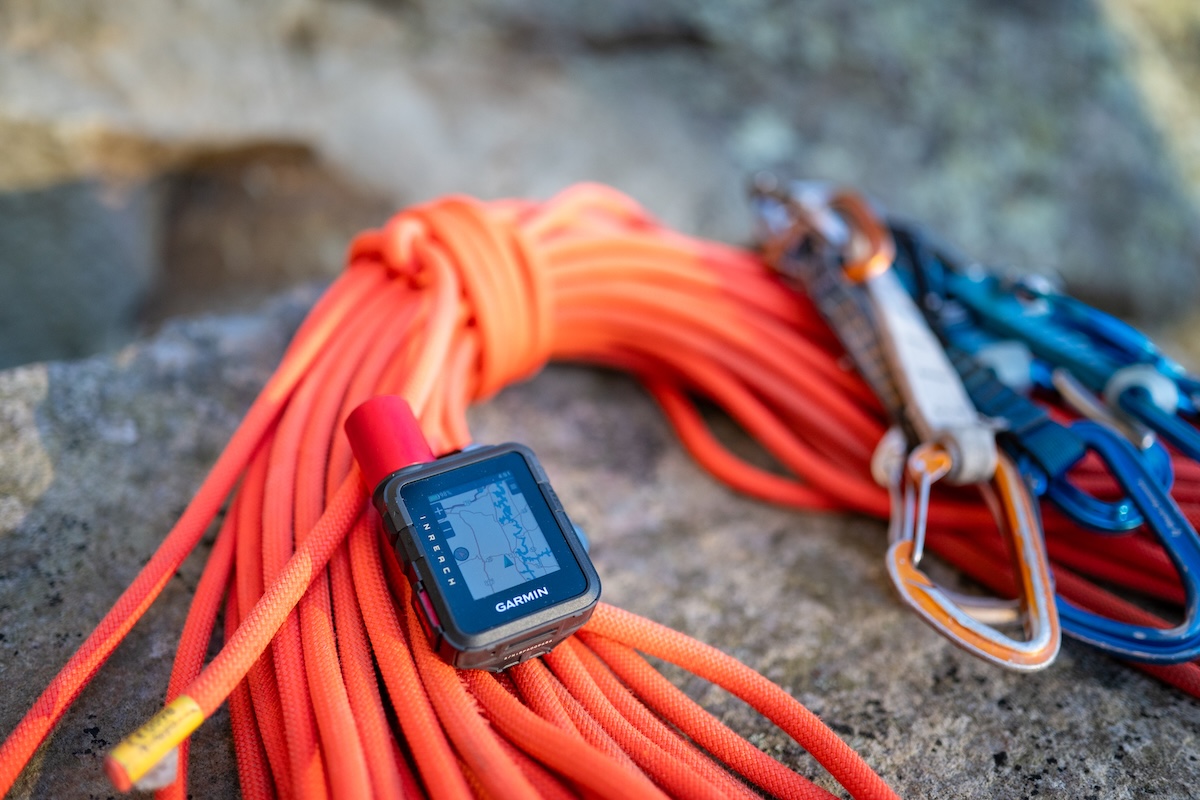
True survival is un-heroic. it is a series of quiet, calculated decisions designed to minimize risk and maximize the chance of a safe return. Before your next trek, discard the fantasies of conquest and embrace a rigorous plan. File your itinerary with a trusted friend and carry a Personal Locator Beacon (PLB) as your ultimate safety net.
A final wilderness survival lessons takeaway: the wild is not a stage for your imagination; it is a complex system that demands your full attention. By replacing overconfidence with situational awareness and professional gear, you ensure that your story ends with a safe walk back to the trailhead, rather than a headline about a preventable tragedy.