Quick Facts
- Network Size: The New Zealand Great Walks network officially expanded to 11 tracks with the addition of the Hump Ridge Track, which opened on October 25, 2024.
- Visitor Stats: During the 2023/24 season, the network recorded 47,828 realized bookings and a total of 249,277 bednights.
- Booking Window: Reservations typically open in May or June for the following summer season; the most popular tracks see 95% hut occupancy during peak periods.
- Biosecurity: Strict rules require all gear to be clean of dirt and seeds, with a $233 fine for non-compliance upon arrival.
- Top Beginner Choice: Abel Tasman Coast Track is widely considered the easiest and most accessible multi-day hike.
- Seasonality: The Great Walk season runs from late October to late April, when facilities like gas and running water are provided in huts.
Planning a New Zealand Great Walk requires precision, from hitting the May booking window to navigating biosecurity rules. To secure your spot, you must book huts or campsites in advance through the Department of Conservation (DOC) website, as paths often sell out months ahead, especially for the iconic Milford and Routeburn.
The Planning Timeline: From Booking to Boot-Up
If you are looking to conquer any of the Great Walks New Zealand provides, your journey starts long before you reach the trailhead. We recommend a 6-12 month lead time for international visitors. The high demand is reflected in the numbers: for the upcoming 2025/26 season, the most sought-after routes are expected to reach hut occupancy rates of approximately 95% during the summer peak.
The first hurdle is the booking gauntlet. Every year in May or June, the Department of Conservation (DOC) opens reservations for the next season. The Milford Track often sells out within minutes. During this phase, you should also apply for your NZeTA (New Zealand Electronic Travel Authority) and lock in international flights. Because mountain weather is highly variable, your step-by-step guide to planning a new zealand great walk should involve a buffer day before and after your hike to account for potential transport delays.
Once your dates are set, logistics like shuttle services and transport should be arranged early, particularly for point-to-point tracks like the Milford or Routeburn. Unlike loop tracks, these require boat transfers or car relocations that vanish as quickly as the hut spaces. By the three-month mark, you should have your gear sorted and your training hikes underway to ensure your legs are ready for the elevation gain.
Pro-Tip: The May Window Mark your calendar for the DOC booking release. If you miss the primary window, check the website frequently for cancellations. Realized bookings fluctuate throughout the year, as seen in the 47,828 bookings recorded last season.
The 11 Great Walks: Find Your Perfect Match
New Zealand offers a diverse range of ecosystems, from the volcanic plateau of the North Island to the glacial valleys of the South. Finding the right trail depends on your experience level and what landscape you want to wake up to.
| Track Name | Region | Distance | Duration | Difficulty |
|---|---|---|---|---|
| Milford Track | Fiordland | 53.5 km | 4 Days | Moderate |
| Abel Tasman | Nelson/Tasman | 60 km | 3-5 Days | Easy |
| Routeburn Track | Otago/Fiordland | 32 km | 2-3 Days | Moderate |
| Kepler Track | Fiordland | 60 km | 3-4 Days | Moderate/Hard |
| Tongariro Circuit | Central Plateau | 43 km | 3-4 Days | Moderate |
| Heaphy Track | West Coast | 78 km | 4-6 Days | Moderate |
| Paparoa Track | West Coast | 55 km | 3 Days | Moderate |
| Whanganui Journey | Manawatū-Whanganui | 145 km | 3-5 Days | Easy (Paddling) |
| Rakiura Track | Stewart Island | 32 km | 3 Days | Easy/Moderate |
| Lake Waikaremoana | Hawke's Bay | 46 km | 3-4 Days | Moderate |
| Hump Ridge Track | Southland | 61 km | 3 Days | Moderate |
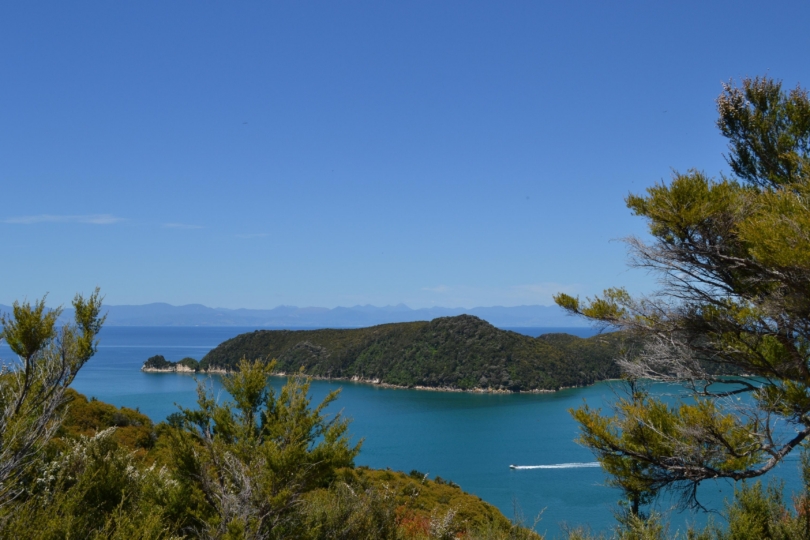
For beginner hikers, the Abel Tasman Coast Track is highly recommended for its relatively flat terrain and well-marked coastal paths. It is widely considered the easiest new zealand great walks for beginners because you can even opt for water taxis to carry your heavy pack between campsites. If you prefer a more rugged, alpine trekking experience, the Routeburn Track offers staggering views of the Southern Alps, though it requires more stamina.
Those seeking diverse landscapes should consider the Heaphy Track, which features rainforests, grasslands, and beaches. For an alpine experience centered on volcanic scenery and Māori heritage, the Tongariro Northern Circuit is a popular loop that provides views of iconic volcanic peaks and emerald lakes, though it requires preparation for sudden weather shifts. If you want to be among the first to experience the newest addition, the Hump Ridge Track, which officially joined the network in late 2024, offers a unique mix of sub-alpine forest and coastal views.
Biosecurity & Transport: The Rules of the Trail
New Zealand takes its island ecology seriously. International visitors must comply with strict biosecurity laws by cleaning all camping gear and declaring food items such as meat or fruit. If you arrive with a tent covered in dried mud or boots holding seeds from a previous hike, you risk an immediate $233 fine. This biosecurity compliance is vital to prevent the spread of invasive species and diseases like Kauri Dieback.
When it comes to movement, New Zealand has a deeply ingrained tramping culture that relies heavily on local shuttle operators. For tracks located in Fiordland National Park, such as the Kepler or Milford, we recommend booking shuttles well in advance. Some hikers try to save money by using rental cars, but for point-to-point tracks, the cost of car relocation services can often exceed the price of a local shuttle.
Additionally, many of these trails cross through areas of significant Māori heritage. Respecting the land is part of the experience. Always stay on marked paths and refrain from entering tapu (sacred) areas. The backcountry hut system is designed to minimize human impact, ensuring these pristine glacial valleys remain untouched for future generations.
The Essential Packing List: Material Science Matters
Weather in New Zealand can change in minutes; it is not uncommon to experience "four seasons in one day." Your New Zealand Great Walks packing list must prioritize moisture-wicking layers over heavy, water-absorbing fabrics like cotton. A standard packing list for New Zealand Great Walks includes a waterproof rain jacket, moisture-wicking layers, a warm fleece, and sturdy footwear.
- Clothing: Merino wool base layers are the gold standard here. They stay warm when wet and resist odor, which your hut-mates will appreciate.
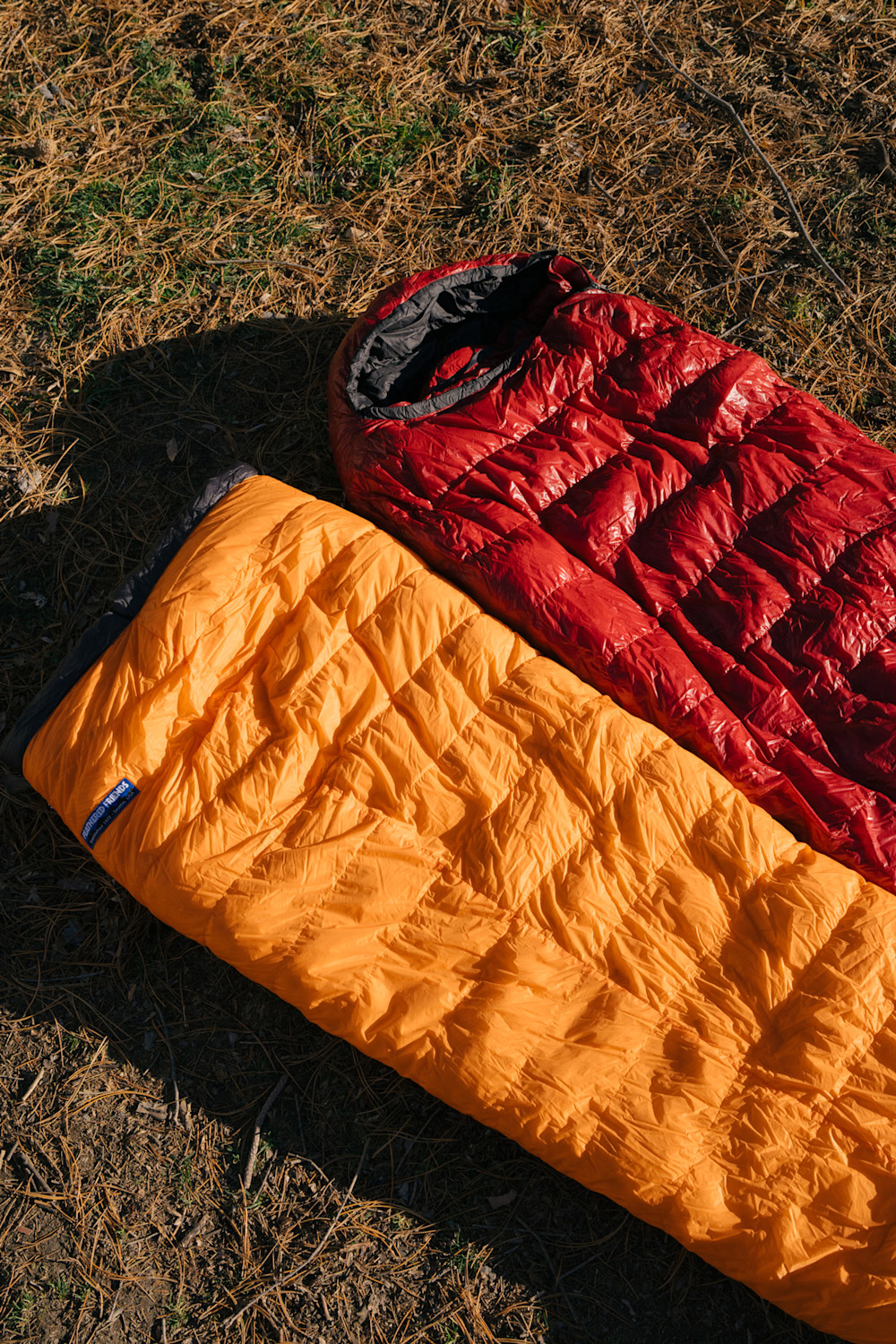
- Sleep System: Carry a sleeping bag rated for 15-30 degrees Fahrenheit. While huts have mattresses, they do not provide bedding.
- Cooking: It is essential to bring all necessary food and a portable stove. Remember that fuel cannot be transported via air and must be purchased locally after arrival.
- Safety: A reliable headlamp and a personal locator beacon (PLB) are essential. Even on well-marked tracks, thick fog can make navigation tricky.
- Nutrition: Look for local favorite brands like Real Meals for lightweight, high-calorie freeze-dried options.
- Sun Protection: This is critical due to high UV levels in the region; even on cloudy days, the NZ sun can cause severe burns.
Keep your total pack weight manageable. For most multi-day tramps, a 40L to 50L pack is the sweet spot. Overpacking is a common mistake that can turn an epic journey into a grueling slog. Always follow the essential packing list for great walks new zealand to ensure you have exactly what you need and nothing more.
Hut Life & Etiquette: Survival in Shared Spaces
Living in the DOC backcountry hut system is a unique cultural experience. These are not hotels; they are communal shelters where cooperation is key. You will find bunks, a common cooking area, and usually a wood-burning heater. However, there is no electricity, no trash bins, and no cleaning service.
The golden rule of tramping culture is to "carry in, carry out." Every wrapper and scrap of food must leave the mountain with you. Hut Wardens often give evening talks about the local history and the kea parrot and wildlife you might see. These intelligent alpine parrots are known for destroying gear left outside, so always keep your boots and packs inside the hut or in designated lockers.
At night, respect the "quiet hours." Use a red-light torch if you need to move around the bunkroom to avoid waking others. Because of the multi-day tramping logistics involved, people often go to bed early to start their next segment at sunrise. Proper outdoor gear maintenance, specifically drying your boots and socks near the fire (but not so close they melt!), is a nightly ritual that brings hikers together.
FAQ
What are the 10 Great Walks of New Zealand?
While there were originally 10, the network officially grew to 11 in 2024. The current list includes the Milford, Routeburn, Kepler, Abel Tasman Coast, Tongariro Northern Circuit, Whanganui Journey, Heaphy, Paparoa, Rakiura, Lake Waikaremoana, and the newly added Hump Ridge Track.
How do I book a New Zealand Great Walk?
You must book through the Department of Conservation website during the booking window that opens each May or June. You will need to create an account, select your track, and pay the fees for each hut or campsite on your itinerary.
Which Great Walk is the best for beginners?
The Abel Tasman Coast Track is widely considered the best Great Walks in NZ for beginners. It features minimal elevation changes, beautiful beaches, and the flexibility to use water taxis for transport, making it the most approachable entry point into multi-day tramping.
How much does it cost to hike a Great Walk?
The cost varies significantly between international visitors and New Zealand residents. For international hikers, hut fees can range from $37 to over $100 per night depending on the popularity of the track. You must also factor in the cost of an NZeTA, shuttles, and food.
When is the Great Walk season in New Zealand?
The official season runs from late October to late April. During this time, the huts are fully staffed with wardens and provide gas cookers and running water. While you can technically walk some tracks in winter, it is only recommended for expert mountaineers due to high avalanche risks and lack of facilities.