Our Top Picks
- Best Overall Quilt: Katabatic Gear Alsek. Unmatched pad attachment system and reliable temperature ratings for serious three-season use.
- Most Versatile: Feathered Friends Flicker UL. A masterclass in design that transitions from a flat blanket to a full mummy-style bag.
- Best for Side Sleepers: Zenbivy Ultralight Bed. A hybrid system that eliminates drafts while allowing for natural, bed-like movement.
- Best Value: Enlightened Equipment Revelation. The gold standard for customization, offering a balance of price, weight, and tailored specs.
Switching to the best backpacking quilts can shave 15-30% off your sleep system weight. Our 2026 ultralight backpacking quilt reviews cover top picks from Katabatic, EE, and more to help you refine your kit.
Backpacking quilts offer significant weight savings over traditional sleeping bags by removing the hood and bottom insulation, which often compresses and loses effectiveness beneath a sleeper. Because weight is shed without sacrificing warmth—provided you use a high R-value sleeping pad—quilts have become a staple for ultralight hikers. This design also provides more freedom of movement, making it particularly beneficial for side sleepers and those who feel restricted in mummy bags.
Why Switch? Backpacking Quilt vs Sleeping Bag
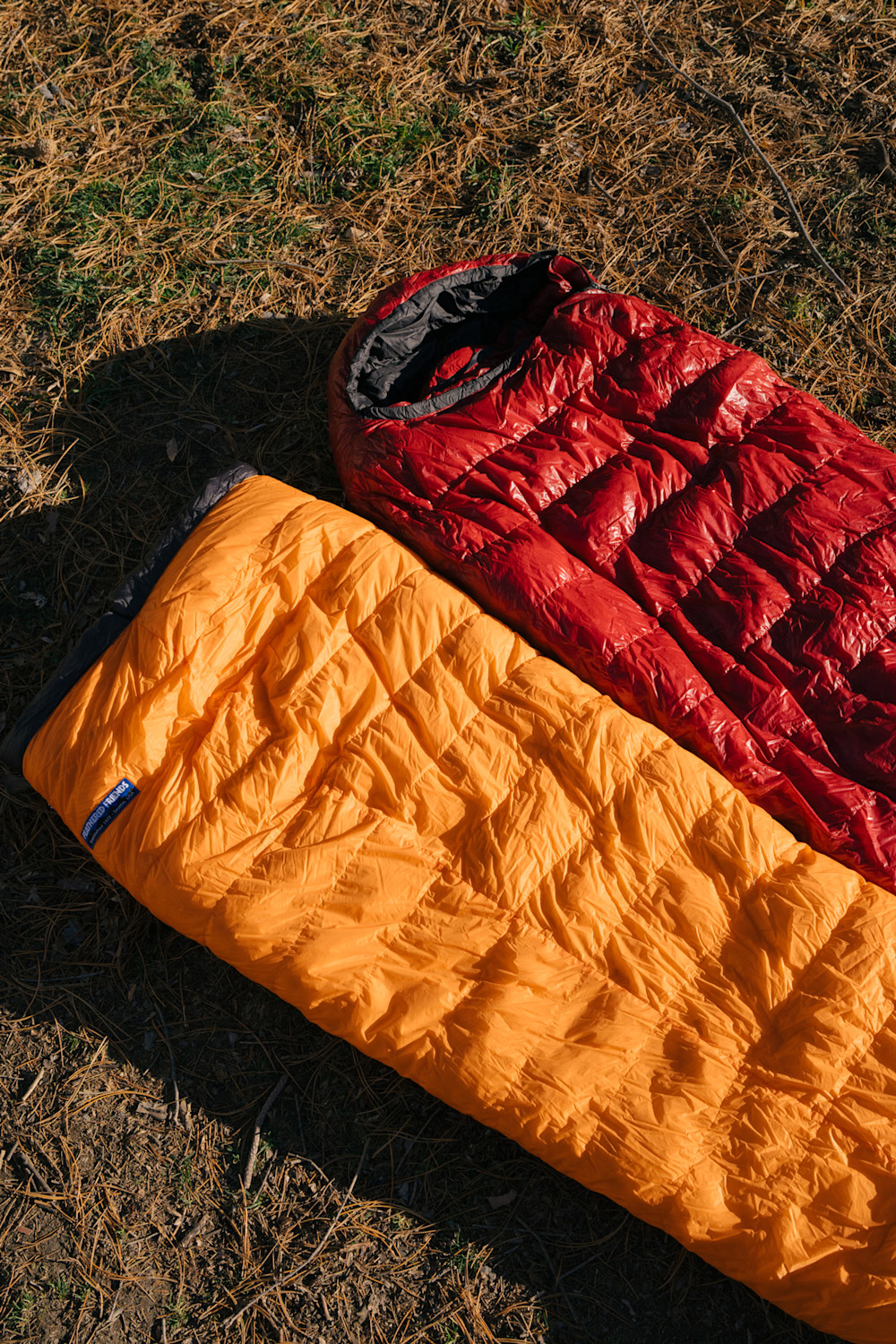
The logic behind the quilt revolution is rooted in thermal physics. When you lie inside a traditional sleeping bag, your body weight crushes the down or synthetic fill beneath you. This compressed insulation loses its loft, and since loft is what traps heat, the bottom of your bag becomes little more than dead weight. By choosing a backpacking quilt vs sleeping bag, you are simply removing the part of the gear that wasn't doing its job anyway.
Recent data highlights how quickly this shift is happening. According to the 2025 Appalachian Trail Thru-Hiker Survey, approximately 67% of long-distance hikers used a quilt in some capacity for their sleep system. This is a massive jump from the 33% usage rate reported just six years prior.
The weight difference is the primary driver. Market comparisons of 20°F-rated down equipment show that while a standard mummy-style sleeping bag typically weighs between 28 and 40 ounces, a comparable backpacking quilt usually weighs between 18 and 28 ounces.
For those who toss and turn, the backpacking quilt vs sleeping bag for side sleepers debate is usually settled after one night. Quilts do not rotate with you; they stay anchored to the pad, allowing you to move freely within the sleep system without getting tangled in a restrictive hood or narrow footbox. By eliminating that trapped dead air space, you can often achieve a more efficient thermal environment.
How to Choose a Backpacking Quilt: Physics & Performance
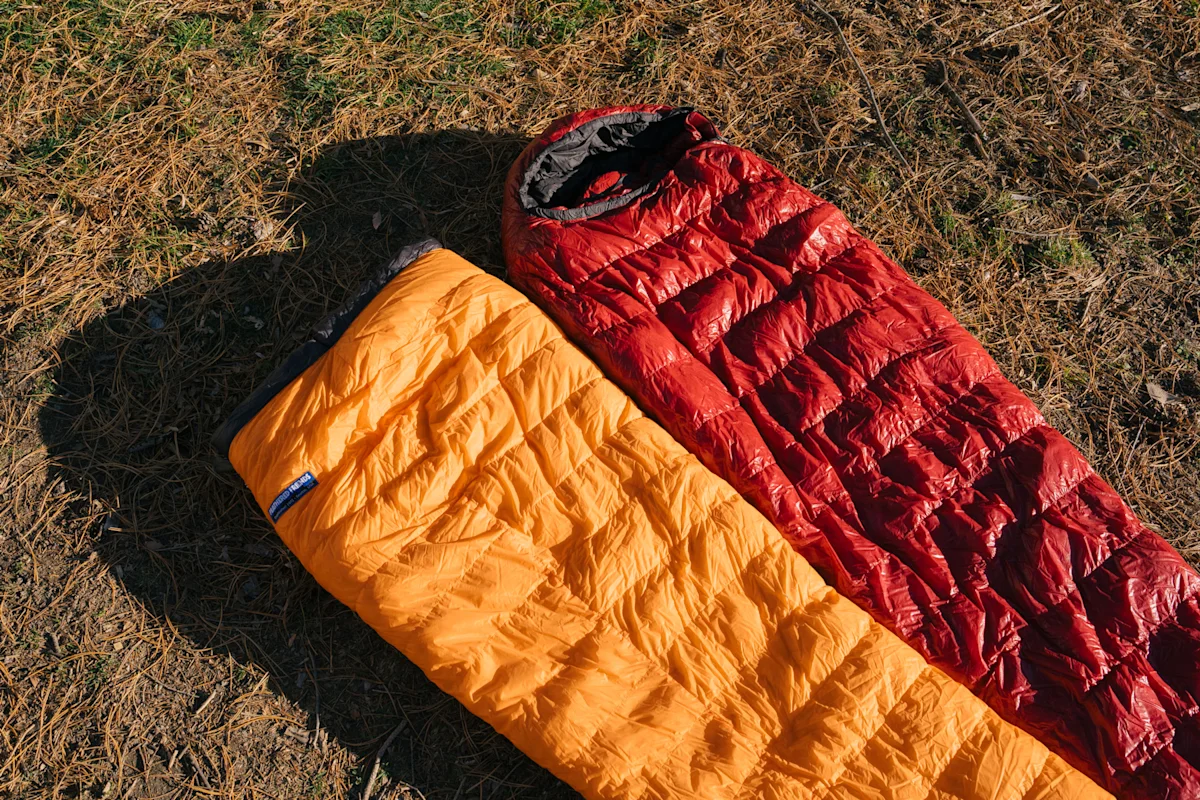
Understanding how to choose a backpacking quilt requires looking past marketing jargon and into the metrics of loft and materials. The primary factor in warmth is loft—the physical thickness of the insulation. For a 20°F quilt, you should generally look for roughly 2.5 to 3 inches of single-side loft.
The quality of that loft is determined by fill power. Higher fill power ratings, such as 900 or 950, mean the down is more efficient; it takes fewer ounces of 950-fill down to achieve the same warmth as 800-fill down. This results in a lighter, more compressible kit. When looking at long-tail durability, many high-end brands use 10D Ripstop Nylon for the shell. This fabric is incredibly light but surprisingly tough against the friction of a sleeping pad.
Technical Math: Fill Power Efficiency Fill power represents how many cubic inches one ounce of down can displace. An ounce of 900-fill down occupies 900 cubic inches. When comparing two quilts with the same temperature rating, the one with 950-fill will always be lighter and pack smaller than the 850-fill version, though it usually comes with a premium price tag.
You must also be wary of temperature ratings. Most cottage industry brands use a "comfort" rating, meaning the quilt will actually keep you warm at that temperature. However, some larger retail brands use a "limit" rating, which is the temperature at which a person can survive, not necessarily sleep comfortably. Always check if the manufacturer specifies comfort vs limit rating. Finally, don't overlook sizing. Knowing how to choose the right backpacking quilt length and width is vital; if a quilt is too narrow, you will suffer from drafts every time you move.
8 Best Backpacking Quilts of 2026: Detailed Reviews
The 2026 market is divided between established retail giants and the innovative cottage industry. Below is a comparison of the top performers currently on the trail.
| Model | Weight (20°F) | Fill Power | Footbox | Price (Approx) |
|---|---|---|---|---|
| Katabatic Alsek | 22.2 oz | 900 | Sewn | $415 |
| EE Revelation | 19.2 oz | 850/950 | Zippered | $320+ |
| Zenbivy UL Bed | 25.0 oz | 900 | Hybrid | $450 |
| FF Flicker UL | 25.4 oz | 950 | Zippered | $490 |
| Hammock Gear Burrow | 21.5 oz | 850 | Custom | $280 |
| Nemo Pulse | 18.0 oz | 1000 | Sewn | $550 |
| Therm-a-Rest Vesper | 19.0 oz | 900 | Sewn | $420 |
| Nunatak Arc UL | 20.5 oz | 900 | Sewn | $440 |
1. Katabatic Gear Alsek 22°
Often cited in ultralight backpacking quilt reviews as the gold standard, the Alsek features a proprietary pad attachment system that is arguably the best in the business. It uses a cord-and-clip design that allows you to "lock" the quilt down in freezing temperatures or leave it loose for ventilation.
2. Enlightened Equipment Revelation
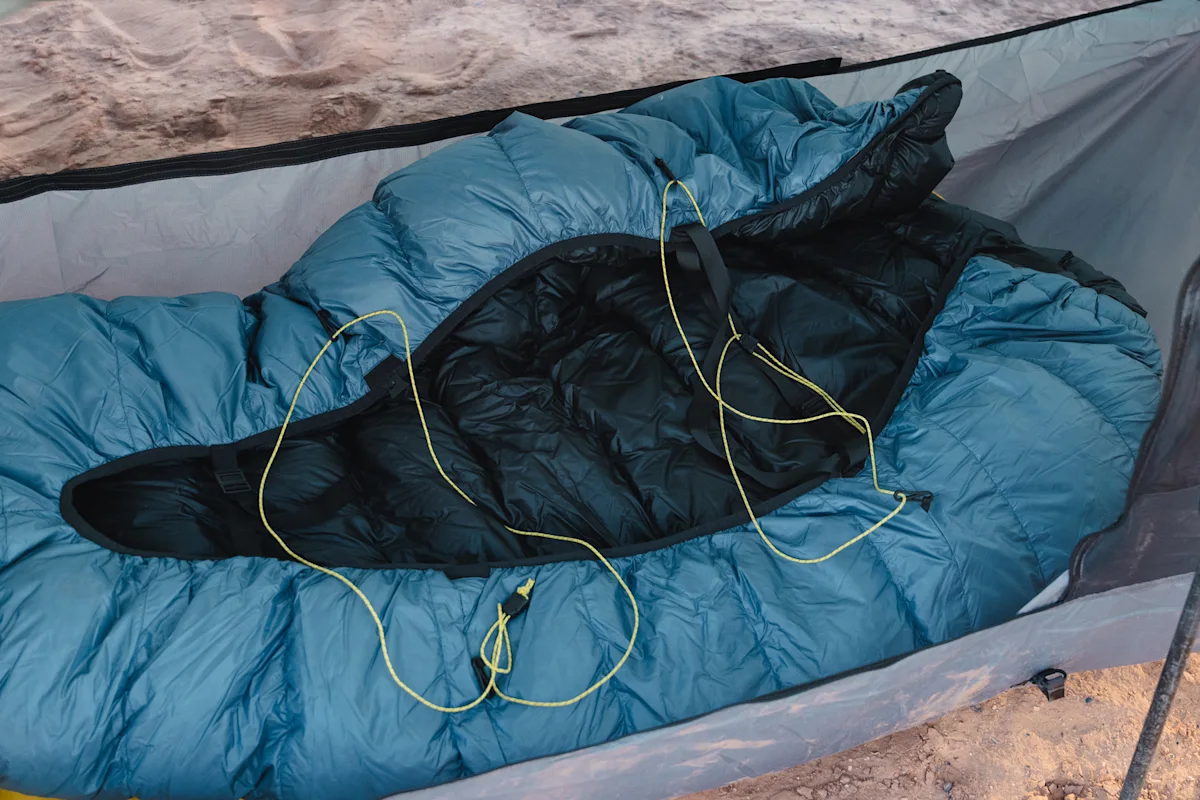
This is the most popular quilt on the Triple Crown trails. The Revelation is prized for its versatility, featuring a zippered footbox that allows the quilt to be opened completely flat like a blanket. It's one of the best budget ultralight backpacking quilts under $300 if you opt for the 850-fill down and stock configurations.
3. Zenbivy Ultralight Bed
For those transitioning from a bed at home, the Zenbivy system is a revelation. It consists of a sheet that wraps around your pad and a quilt that attaches via a hook system. This eliminates the "draftiness" often associated with quilts, making it a top choice for active sleepers.
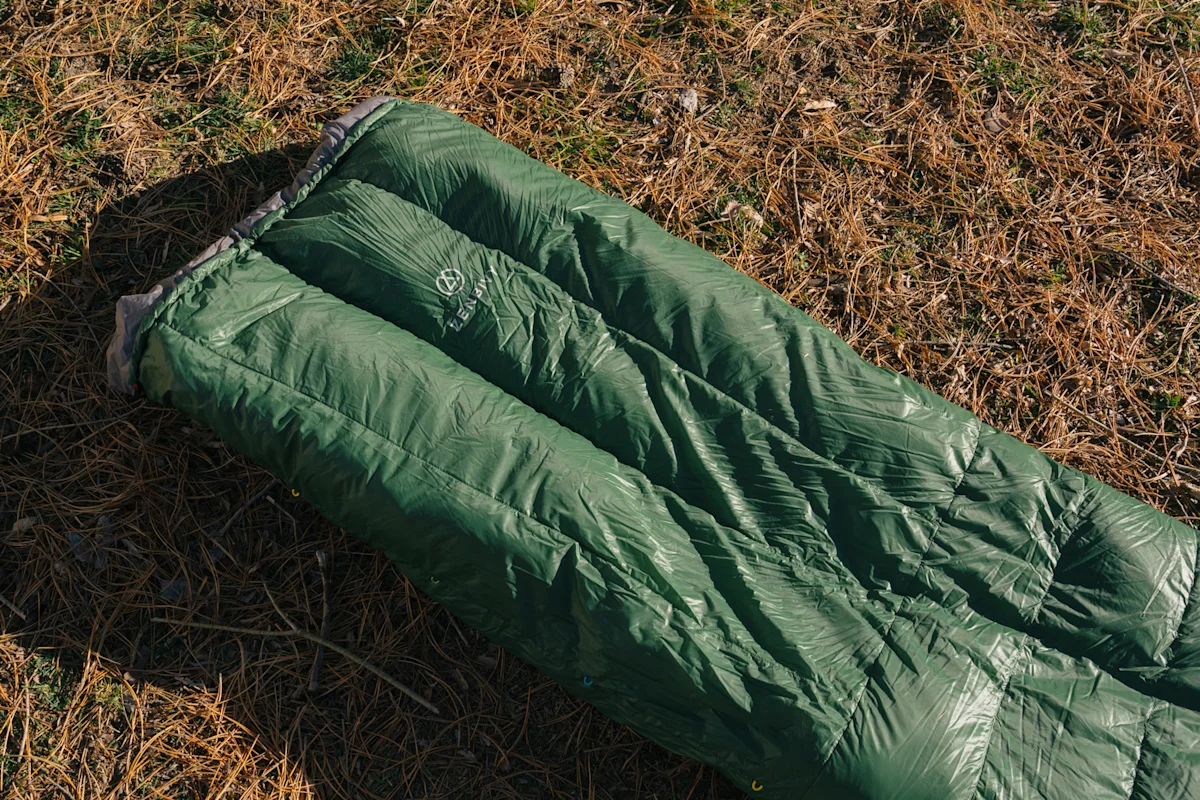
4. Feathered Friends Flicker UL
The Flicker is unique because it features a full-length zipper. When zipped, it's a hoodless sleeping bag; when unzipped, it's a massive quilt. Utilizing premium 950-fill hydrophobic down, it offers incredible warmth-to-weight performance.
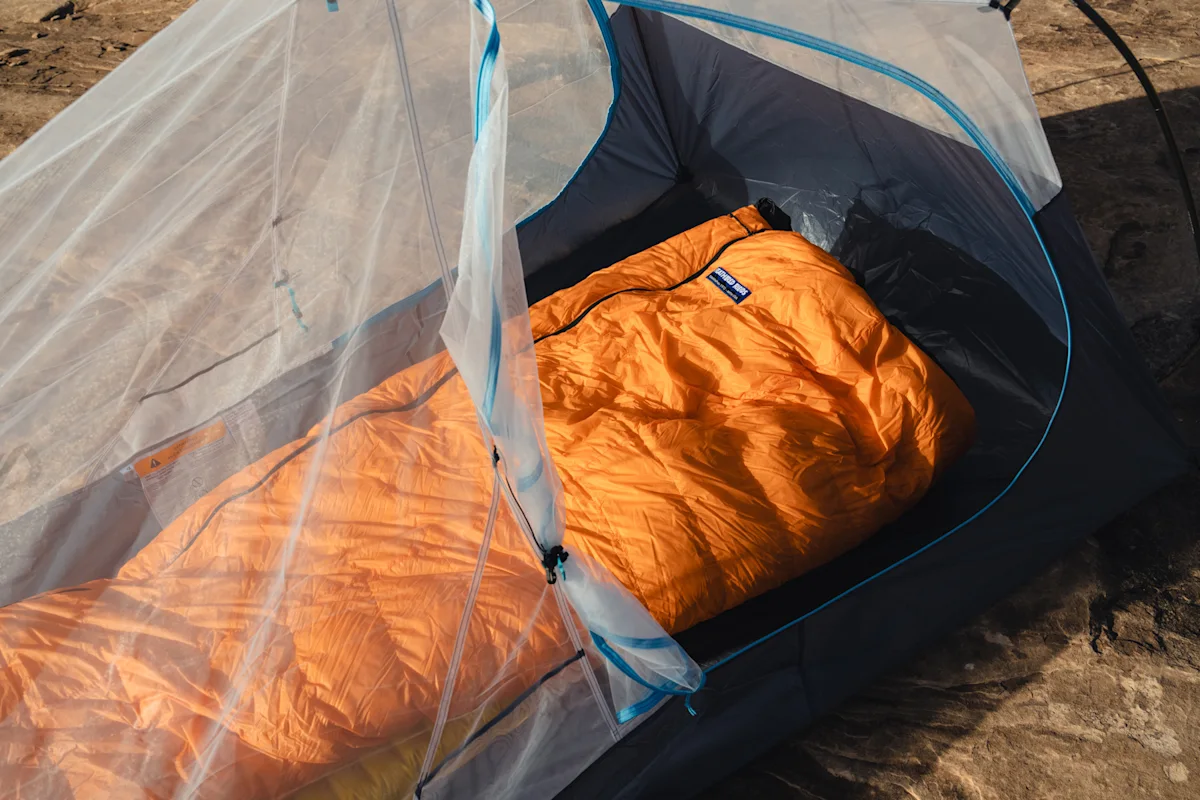
5. Nemo Pulse
The Pulse is a newcomer that uses 1000-fill down to achieve a weight-to-warmth ratio that was previously thought impossible. It's among the lightest backpacking quilts for ultralight thru-hiking, designed specifically for those who count every gram.
6. Hammock Gear Burrow
The Burrow is the workhorse of the hammock and ground-dwelling world. It’s highly customizable and remains one of the most affordable ways to get into high-quality down gear without spending a fortune.
7. Therm-a-Rest Vesper 20
Available at most major retailers, the Vesper is a reliable, lightweight option for those who don't want to wait for the 4-8 week lead times often found in the cottage industry. It stays extremely packable thanks to 900-fill Nikwax Hydrophobic Down.
8. Nunatak Arc UL
Nunatak is the connoisseur’s choice. Each Arc UL is built to order with exacting standards. Their differential cut ensures the down stays lofted even if you push your knees or elbows against the sides of the quilt.
Eliminating Drafts: Pad Attachments and Footboxes
The most common fear for quilt newcomers is the draft. Because a quilt is open at the back, managing how it interacts with your sleeping pad is critical for maintaining thermal efficiency.
The Pad Attachment System
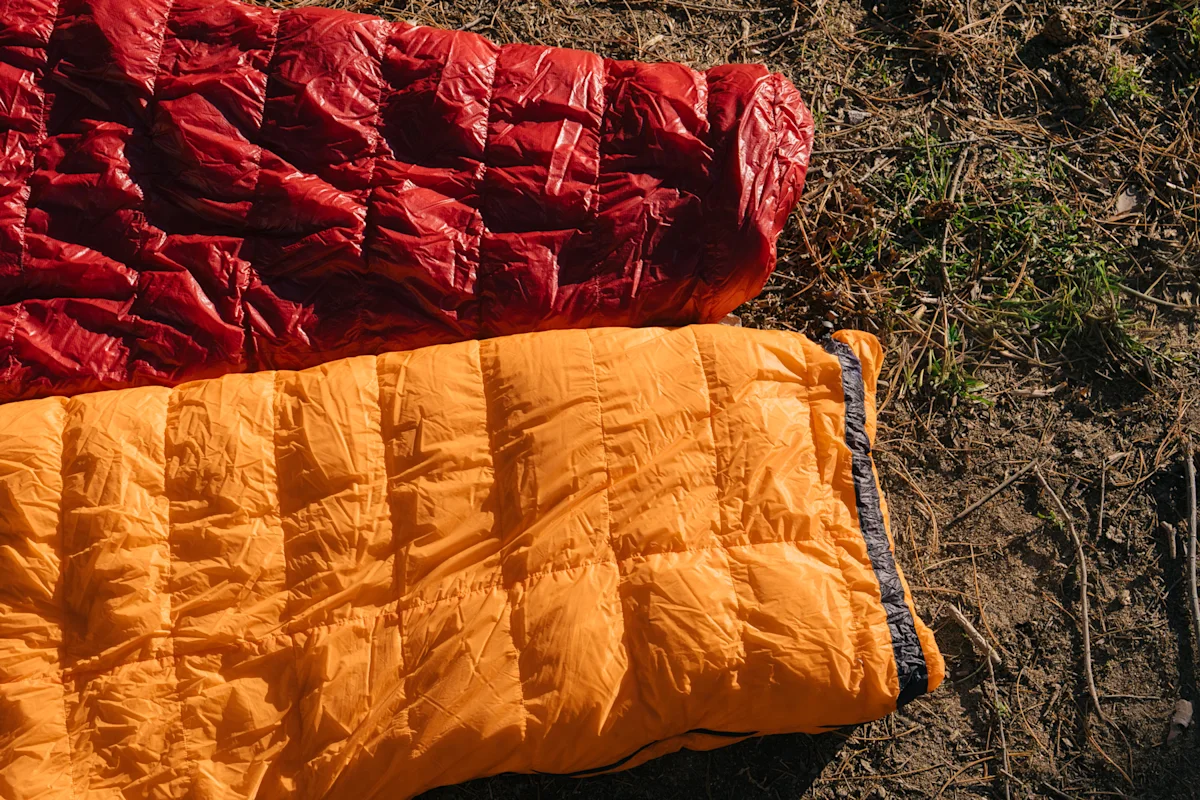
Most quilts come with a set of elastic straps. One of the most common questions is how do you attach a backpacking quilt to a sleeping pad? Generally, you loop two straps around the pad—one at the shoulder and one at the midsection. The quilt then clips into these straps. This allows you to tuck the edges of the quilt under your body, effectively sealing out the cold air.
Sewn Footbox vs Zippered Footbox
The choice between a sewn footbox vs zippered footbox backpacking quilts usually comes down to where and when you hike:
- Sewn Footbox: Offers maximum warmth. Because there are no zippers or cinch holes at the bottom, there is zero chance of cold air leaking in. This is the preferred choice for cold sleepers.
- Zippered/Cinch Footbox: Offers maximum versatility. On warm nights, you can unzip the footbox and stick your feet out to regulate temperature. In the morning, you can wrap the quilt around your shoulders while making coffee.
The Draft Collar
A draft collar is a specialized tube of insulation located at the neck of the quilt. When you cinch the quilt around your shoulders, the draft collar fills the gaps around your neck, preventing the "bellows effect" where warm air is pushed out of the quilt when you move.
FAQ
Is a backpacking quilt better than a sleeping bag?
For many, yes, especially those looking to reduce pack weight. A quilt provides a better warmth-to-weight ratio by removing unnecessary insulation and hoods. However, for extreme winter conditions (below 10°F), some hikers still prefer the total enclosure of a traditional mummy bag.
How do you attach a quilt to a sleeping pad?
You use a series of elastic straps that wrap around your sleeping pad. The quilt has clips or toggles that attach to these straps, allowing you to secure the sides of the quilt against the pad to prevent drafts while still allowing enough room for movement.
Are backpacking quilts worth it for side sleepers?
Absolutely. Side sleepers often find mummy bags too restrictive, with the hood frequently ending up over their face when they turn. A quilt stays anchored to the pad, allowing the sleeper to rotate freely underneath it, much like an actual bed.
What is the disadvantage of using a backpacking quilt?
The primary disadvantage is the learning curve associated with managing drafts. If the pad attachment system is not used correctly, or if the quilt is sized too narrow, cold air can enter when you turn over. They also lack a built-in hood, meaning you must wear a warm hat or a separate down hood in cold weather.
Can you use a backpacking quilt in winter temperatures?
Yes, but it requires a strategic approach. You must ensure your sleeping pad has a high R-value (usually 5.0 or higher) and that your quilt has a sufficient draft collar and a sewn footbox. Many winter hikers also use a "layering" system, placing a synthetic quilt over a down quilt to move the moisture dew point outside the down.