Our Top Picks
- Overall Best: Altra Lone Peak 9+ – The undisputed king of the trail for those seeking a natural feel and room for foot swelling.
- Best Cushion: Hoka Speedgoat 7 – High-stack protection with a refined midsole that offers long-distance comfort without feeling mushy.
- Most Durable: norda 001A – Utilizing Dyneema composite uppers, these offer the lowest cost-per-mile for high-volume hikers.
- Best for Technical Terrain: Brooks Cascadia 19 – A rock-solid platform for those transitioning from boots who need stability on rocky sections.
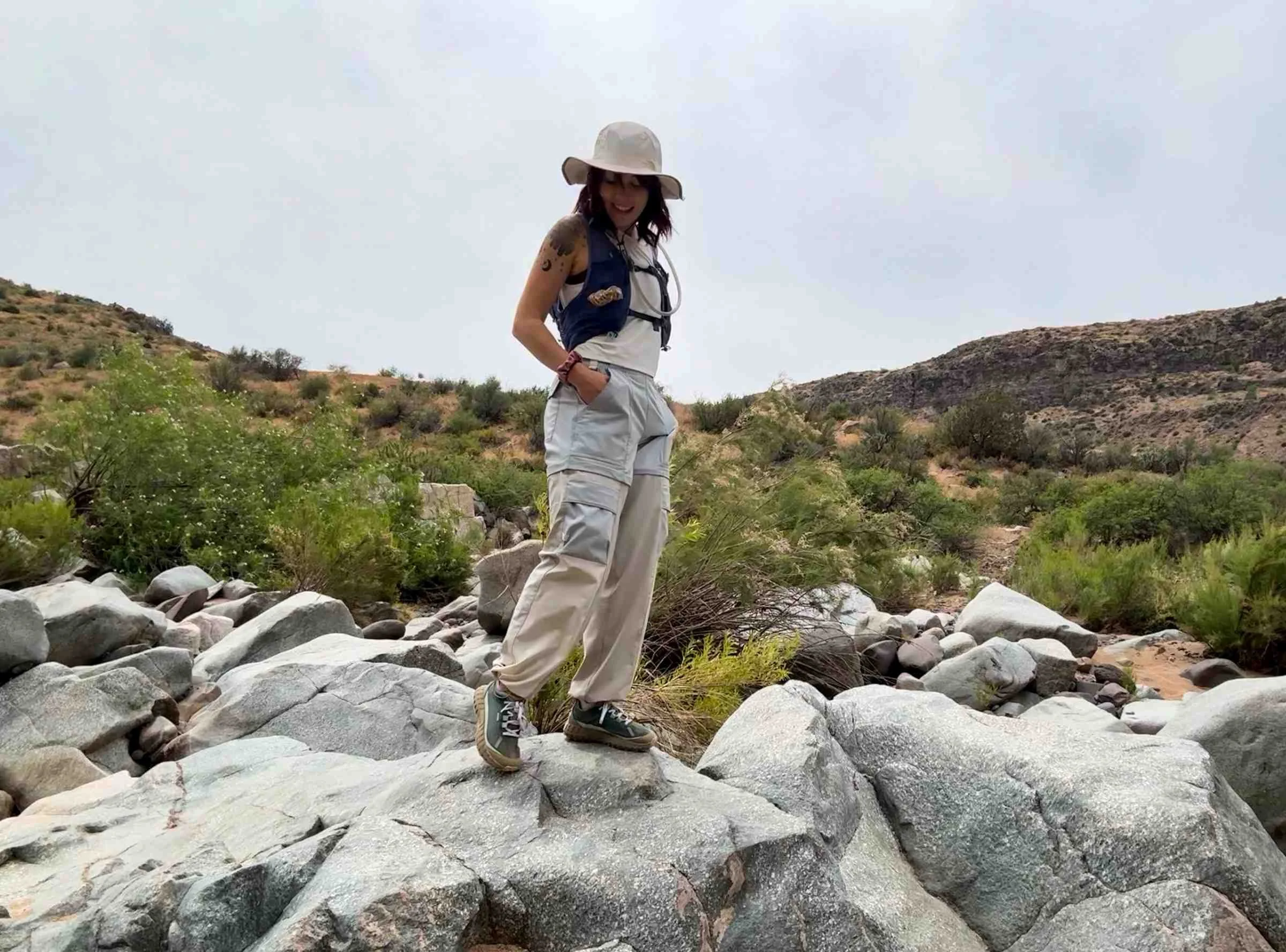
The best trail runners for thru-hiking prioritize all-day comfort, traction on diverse terrain, and durability under a heavy pack rather than pure speed. Top-performing models like the Altra Lone Peak 9+ or HOKA Speedgoat 7 are favored for their balance of weight and protection, ensuring hikers can select shoes that feature a wide toe box to accommodate natural foot swelling and a high-quality rubber compound, such as Vibram Megagrip, to ensure stability on wet or technical surfaces.
| Model | Drop | Stack Height | Best For |
|---|---|---|---|
| Altra Lone Peak 9+ | 0mm | 25mm | Natural toe splay |
| Hoka Speedgoat 7 | 4mm | 33mm | Maximum cushion |
| Brooks Cascadia 19 | 8mm | 30mm | Rocky/Technical trails |
| norda 001A | 5mm | 26mm | Extreme durability |
| Altra Olympus 6 | 0mm | 33mm | Heavy loads/Max cushion |
Why 87% of Thru-Hikers Choose Trail Runners in 2026
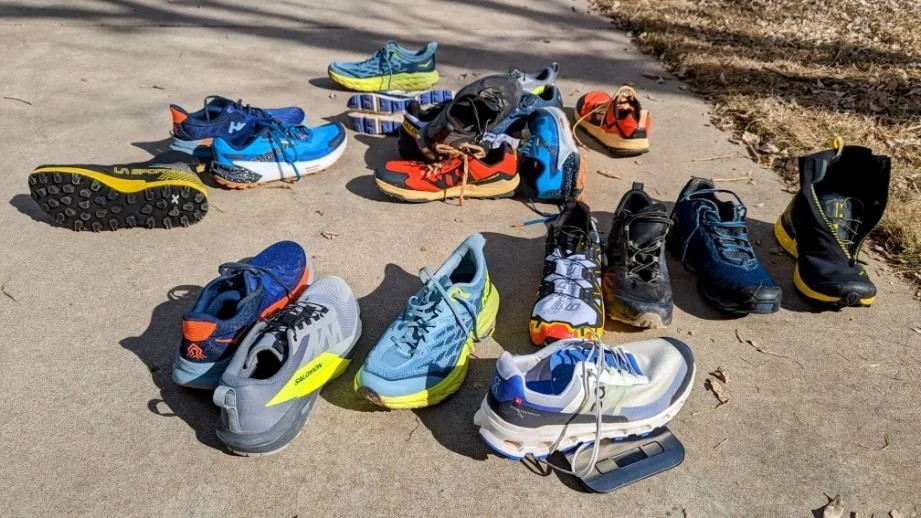
The shift from heavy leather boots to lightweight footwear is no longer a trend; it is the industry standard. According to data from a 2025 survey of Appalachian Trail thru-hikers, 87 percent of respondents reported wearing trail runners for the majority of their trek, while only 5 percent stuck with traditional hiking boots. This overwhelming preference stems from the fact that every pound on your feet is equivalent to five pounds on your back in terms of energy expenditure.
Furthermore, long-distance routes like the 2,190-mile Appalachian Trail require shoes that can be easily replaced. Thru-hikers on long-distance routes typically replace their footwear every 400 miles, averaging four to five pairs of trail runners to finish. Modern trail runners are designed to handle these segments, providing massive breaths of relief for feet that would otherwise be stewing in heavy, non-breathable boots. By transitioning from hiking boots to trail runners for thru-hiking, adventurers reduce the risk of blisters and lower-leg fatigue, though they must account for the decreased proprioception and support when navigating technical terrain.
The 9 Best Trail Runners for Thru-Hiking: Reviewed
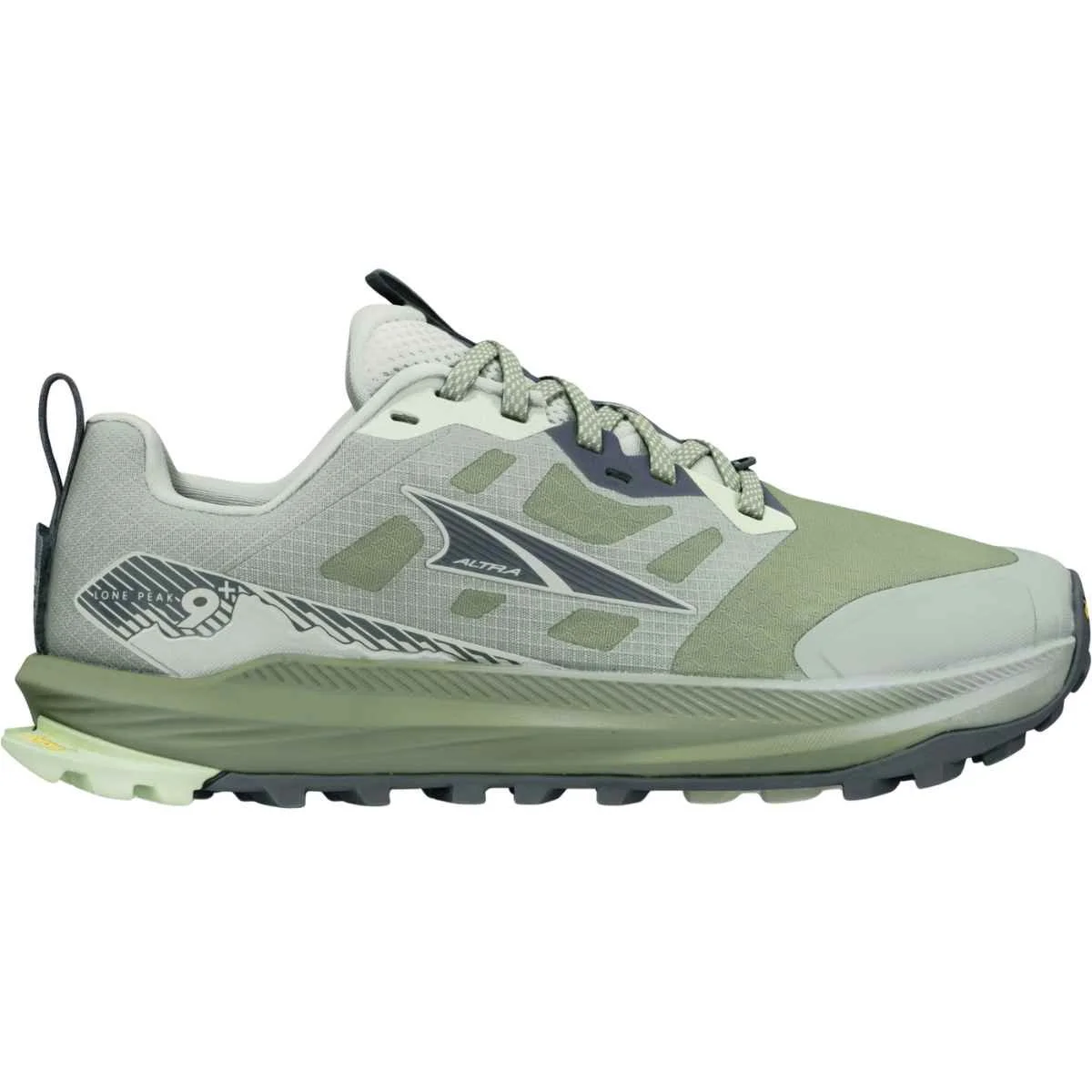
1. Altra Lone Peak 9+
The Altra Lone Peak has remained the most popular footwear model for Appalachian Trail thru-hikers every year since 2017, and the 9+ version continues this legacy. It is the gold standard for wide toe box trail runners for thru-hiking.
- Weight: 10.4 oz
- Drop: 0mm
- Stack: 25mm
- Midsole: Altra EGO
- Lug Depth: 5mm
The Lone Peak remains a favorite because it allows for natural toe splay, which is critical during the "foot expansion" phase that occurs after 500 miles on trail. The 9+ update features a more reinforced upper mesh to combat the typical blowouts at the pinky toe.
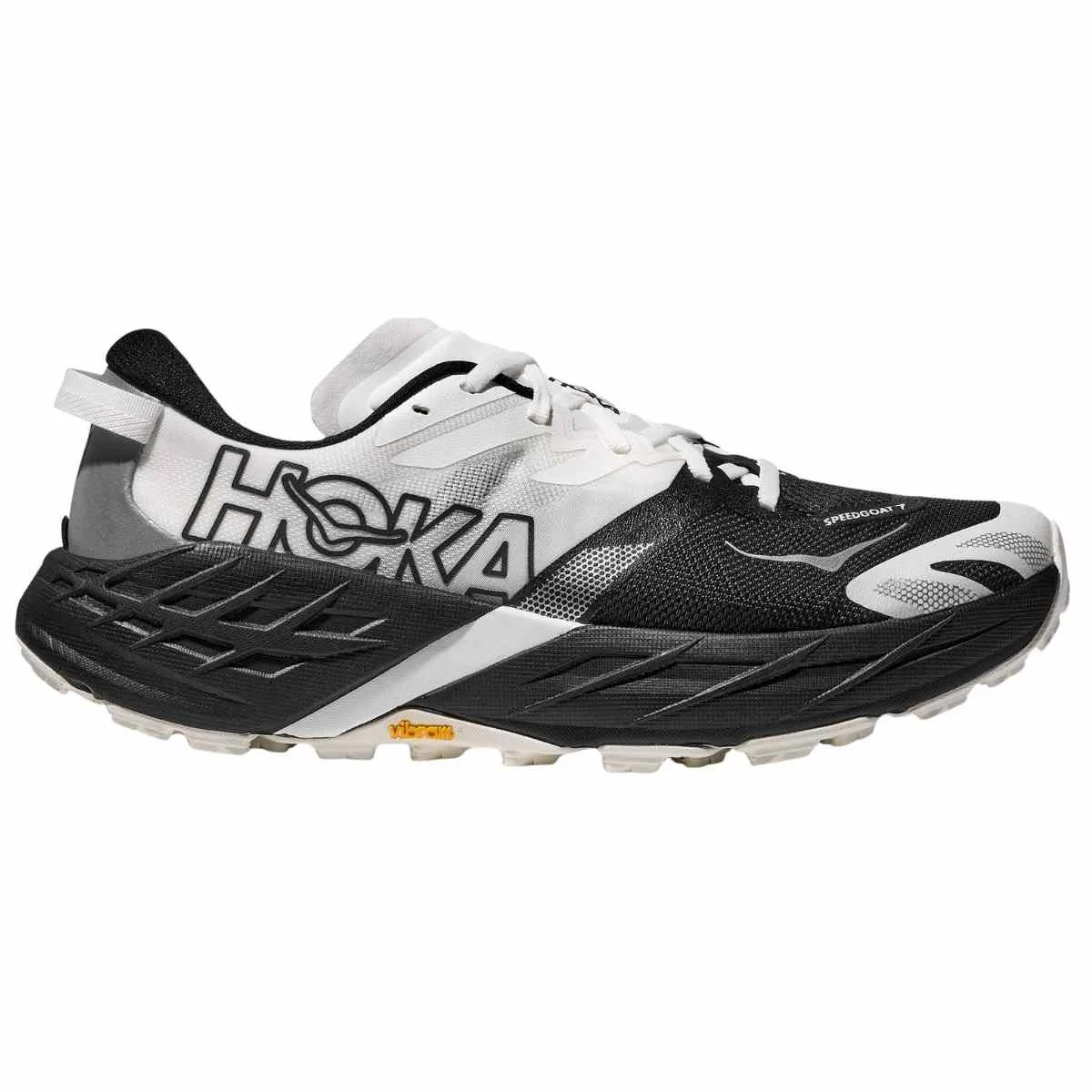
2. Hoka Speedgoat 7
For those seeking cushioned trail running shoes for backpacking, the Speedgoat 7 is the pinnacle. The 2026 model utilizes a new PEBA-blended foam that resists midsole compression longer than traditional EVA.
- Weight: 9.9 oz
- Drop: 4mm
- Stack: 33mm
- Midsole: PEBA/EVA Blend
- Lug Depth: 5mm (Vibram Megagrip)
It provides enough protection to hide sharp rocks underfoot, making it the best cushioned trail runners for backpacking with heavy loads where foot fatigue is the primary enemy.
3. Brooks Cascadia 19
If you are looking for the most durable trail runners for long distance hiking 2026, the Cascadia 19 is a top contender. It feels the most like a "boot-lite," offering a rock plate protection and a sturdy chassis.
- Weight: 11.0 oz
- Drop: 8mm
- Stack: 30mm
- Midsole: DNA LOFT v3
- Lug Depth: 4.5mm
The high drop makes it a safer entry point for those transitioning from traditional hiking boots, as it places less stress on the Achilles tendon.
4. norda 001A
The norda 001A is a premium option where the upfront cost is offset by an incredible trail runner mileage lifespan for high volume hikers.
- Weight: 9.5 oz
- Drop: 5mm
- Stack: 26mm
- Midsole: norda x Vibram SLE
- Lug Depth: 5.0mm
By using a Dyneema composite upper—a material stronger than steel—the norda 001A can often survive 800 miles, nearly double the life of standard shoes.
5. Altra Olympus 6
This is the maximalist sibling to the Lone Peak. It combines the wide toe box with a massive stack of foam.
- Weight: 12.0 oz
- Drop: 0mm
- Stack: 33mm
- Midsole: Compression Molded EVA
- Lug Depth: 4.5mm (Vibram Megagrip)
It is the best zero drop trail runners for thru-hiking 2026 for hikers who struggle with plantar fasciitis or high-impact pain on hard-packed gravel trails.
6. Saucony Peregrine 16
The Peregrine is known for its "nimble" feel. It sits lower to the ground, offering excellent ground feel on technical terrain.
- Weight: 9.4 oz
- Drop: 4mm
- Stack: 28mm
- Midsole: PWRRUN
- Lug Depth: 5mm
7. Topo Athletic MTN Racer 4
Topo Athletic has gained massive ground in 2026 by offering a similar fit to Altra but with a minor 5mm drop.
- Weight: 10.1 oz
- Drop: 5mm
- Stack: 30mm
- Midsole: ZipFoam
- Lug Depth: 5mm (Vibram Megagrip)
These are arguably the best trail runners for thru-hiking if you want a wide toe box but aren't ready to commit to zero-drop.
8. La Sportiva Jackal III
The Jackal is designed specifically for ultra-long distances. It features an Infinitoo technology midsole that provides high energy return.
- Weight: 10.3 oz
- Drop: 6mm
- Stack: 29mm
- Midsole: EVA with Polyurethane inserts
- Lug Depth: 3.5mm
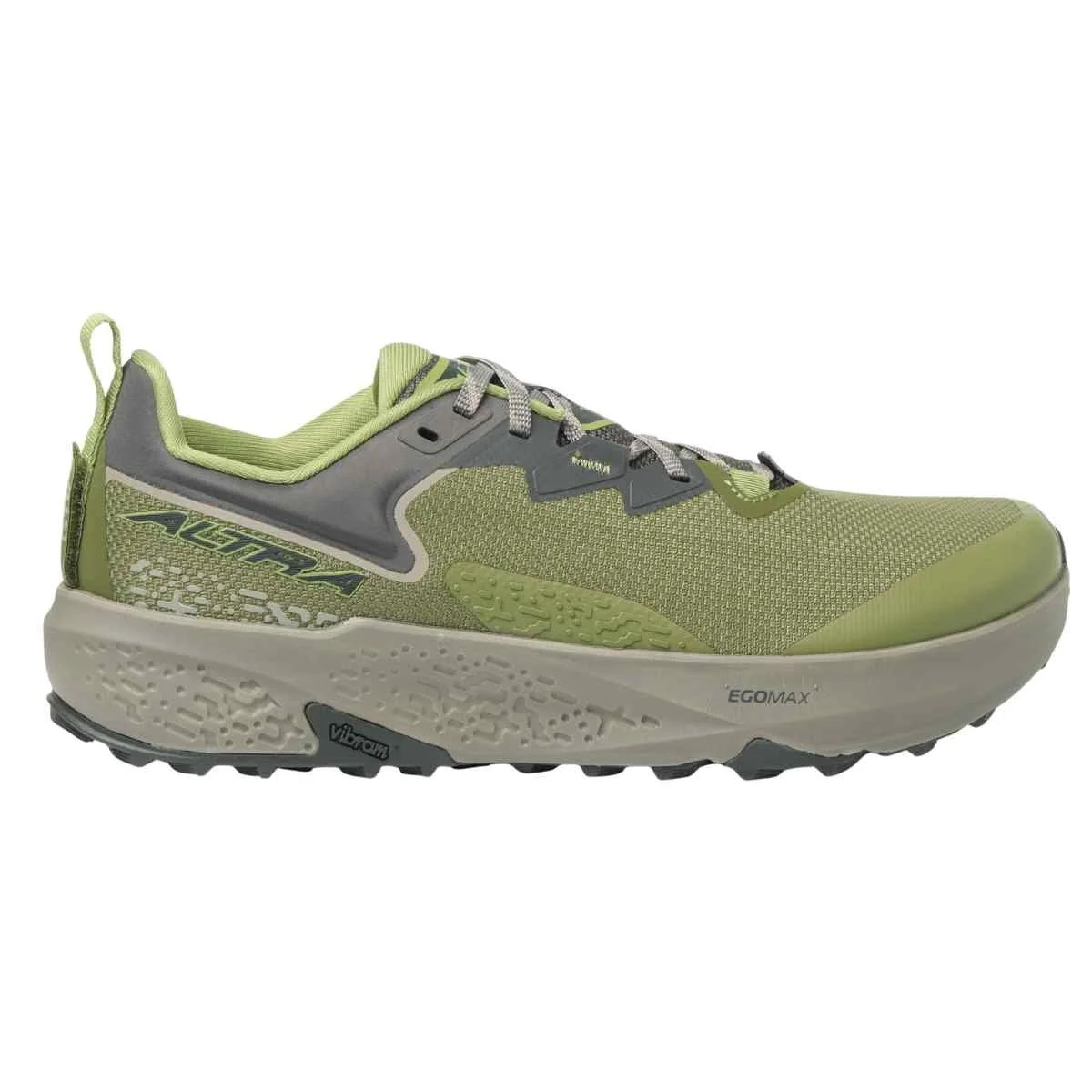
9. Altra Timp 6
The Timp 6 fills the gap between the Lone Peak and Olympus. It offers more cushion than the Lone Peak but retains a lighter, faster feel than the Olympus.
- Weight: 10.1 oz
- Drop: 0mm
- Stack: 29mm
- Midsole: Altra EGO MAX
- Lug Depth: 4mm
2026 Technology: Super Foams and Plated Trail Runners
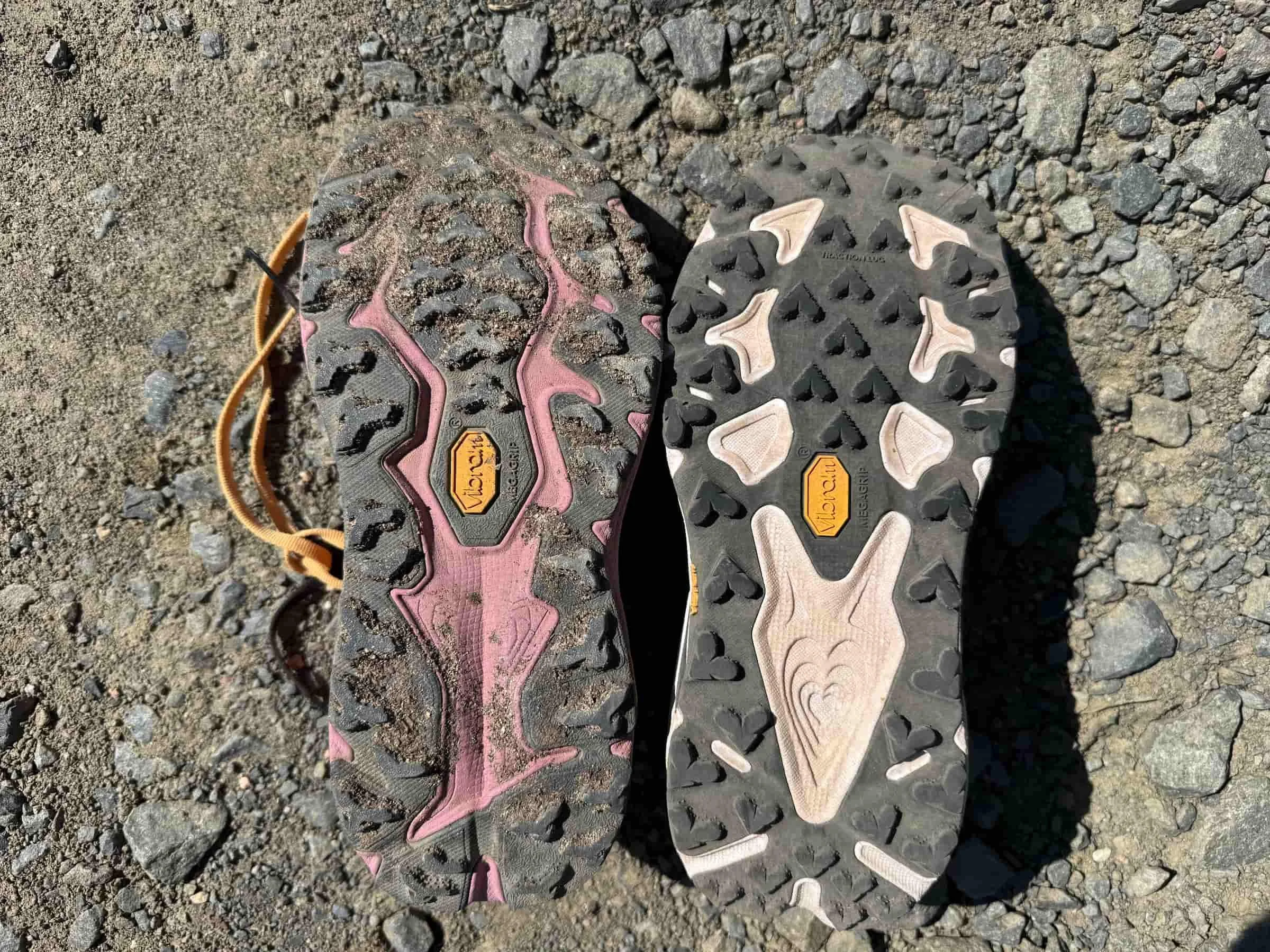
One of the biggest shifts we’ve seen in 2026 is the migration of "Super Foams" from road racing to long-distance trails. Previously, foams like PEBA were considered too fragile for the backcountry. However, new encapsulated technologies have allowed manufacturers to create nitrogen-infused EVA that offers incredible energy return without the dreaded midsole compression after just 100 miles.
This is particularly beneficial for those using cushioned trail running shoes for backpacking. When carrying a 30-pound pack, the compression forces on the midsole are immense. The new 2026 foams maintain their structural integrity longer, protecting your joints from the repetitive shock of 20-mile days. We are also seeing the introduction of flexible rock plates—not for stiffness, but for propulsion and protection—helping hikers maintain a consistent pace even as muscles fatigue.
How to Choose: Wide Toe Boxes vs. Stack Height
Selecting the right footwear is a highly individual process that depends heavily on your biomechanics. The most common mistake new thru-hikers make is buying shoes that fit perfectly in the store. By week three of a thru-hike, your feet will likely increase by a half or full shoe size due to flattening arches and constant blood flow.
This is why wide toe box trail running shoes for thru-hiker swelling are so essential. They allow for natural toe splay, preventing the crushing of the metatarsals which leads to neuromas and blisters.
When considering stack height, think about your trail profile. If you are hiking the desert sections of the PCT, high stack height is your friend to insulate against the hot, hard ground. If you are on the technical, root-filled trails of the Northeast, a lower stack height provides a better center of gravity, reducing the risk of rolling an ankle. Always consider how to choose trail runner stack height for hiking based on whether you prioritize ground feel or impact protection.
Editor’s Tip: If you are transitioning from traditional hiking boots, do not start your thru-hike in zero-drop shoes without a month of acclimation. Sudden shifts in drop height can lead to severe Achilles strain when under the load of a backpacking pack.
FAQ
How many miles do trail runners last on a thru-hike?
In our testing and based on industry averages, most trail runners last between 300 and 500 miles. High-durability models with Dyneema or specialized outsole compounds may push toward 700 miles, but generally, the midsole foam loses its protective qualities long before the upper falls apart.
Are trail runners better than hiking boots for long distances?
For the vast majority of thru-hikers, yes. They are more breathable, lighter, and dry much faster when they inevitably get wet. The moisture management of a breathable mesh upper is superior for preventing blisters compared to the "waterproof" membranes of boots which trap sweat and take days to dry.
Should I use waterproof trail runners for a thru-hike?
Generally, no. Waterproof (Gore-Tex) membranes in trail runners are counterproductive on a thru-hike. Once water gets over the collar of the shoe, it stays trapped inside, creating a "sink" effect. Non-waterproof shoes allow water to pump out with every step and dry in the sun during a lunch break.
How many pairs of shoes are needed for a thru-hike?
Expect to go through four to five pairs of shoes for a full 2,200-mile journey. It is often wise to buy your first two pairs, then order subsequent pairs as you go to account for your feet changing size as the miles pile up.
Can you wear trail runners with a heavy backpack?
Yes, provided the shoes have adequate midsole density. While trail runners don't offer the mechanical ankle support of a boot, they allow the ankle to move naturally and strengthen over time. If your base weight is over 20 pounds, look for most durable trail runners for long distance hiking with a higher stack height to provide the necessary support.
Conclusion
Choosing the best trail runners for thru-hiking in 2026 is a balance of finding the right fit for your unique foot shape and the technical requirements of your chosen trail. Whether you swear by the zero-drop philosophy of the Altra Lone Peak 9+ or the maximum protection of the Hoka Speedgoat 7, the most important factor is field testing. No review can replace the feeling of a shoe on your own foot. We recommend a minimum of 50 trail miles in a model before committing to it for a long-distance trek. Success on the trail starts from the ground up—choose wisely, and your feet will thank you at the terminus.