Our Top Picks
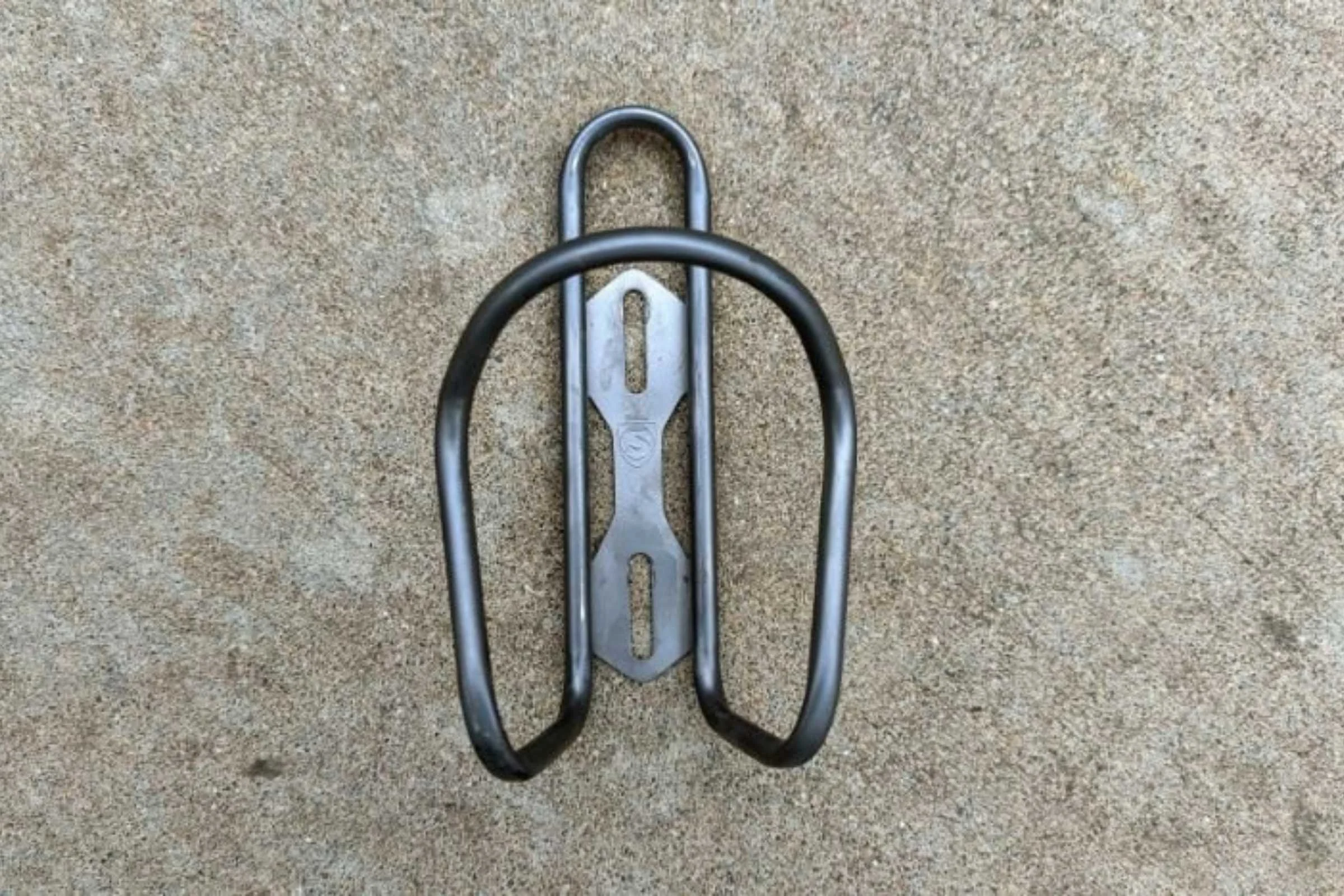
- Best Overall: Silca Sicuro Titanium – Unbeatable weight-to-strength ratio and a lifetime guarantee.
- Best for Performance: Arundel Mandible – Extreme bidon retention for both road and mountain bike riders.
- Best for Small Frames: Specialized Zee Cage II – The gold standard for side-access in tight frame geometry constraints.
- Best for Adventure: Widefoot LiterCage – Rugged stainless steel built specifically to carry heavy 1-liter Nalgene bottles.
Choosing the best bike water bottle cages depends on your terrain—road racers need lightweight carbon fiber cages for road cycling performance, while mountain bikers require high bidon retention to survive rough gravel roads. For frames with limited space, side-loading cages are the most effective solution for multi-directional entry.
| Model | Material | Verified Weight | Best Use Case |
|---|---|---|---|
| Silca Sicuro | Titanium | 30g | Gravel/Lifetime Durability |
| Arundel Mandible | Carbon Fiber | 28g | Road/MTB Racing |
| Specialized Zee Cage II | Polymer | 43g | Small Frames/Bikepacking |
| Topeak Feza | Carbon Fiber | 18g | Weight Weenies/Road |
| King Cage Iris | Stainless Steel | 48g | Classic Builds/Gravel |
| Widefoot LiterCage | Stainless Steel | 168g | 1L Nalgene/Overlanding |
| Enve Carbon | Carbon Fiber | 21g | Performance Road |
| Arundel Looney Bin | Polymer | 55g | Coffee Tumblers/Large Bottles |
| Trek Side Load | Composite | 45g | Full-Suspension MTBs |
| Elite Vico Carbon | Carbon Fiber | 25g | World Tour Racing |
| PDW Owl Cage | Aluminum | 55g | Urban/Style |
| SKS Anywhere | Polymer/Nylon | 45g | No-boss frames |
How We Tested: From Singletrack to City Streets
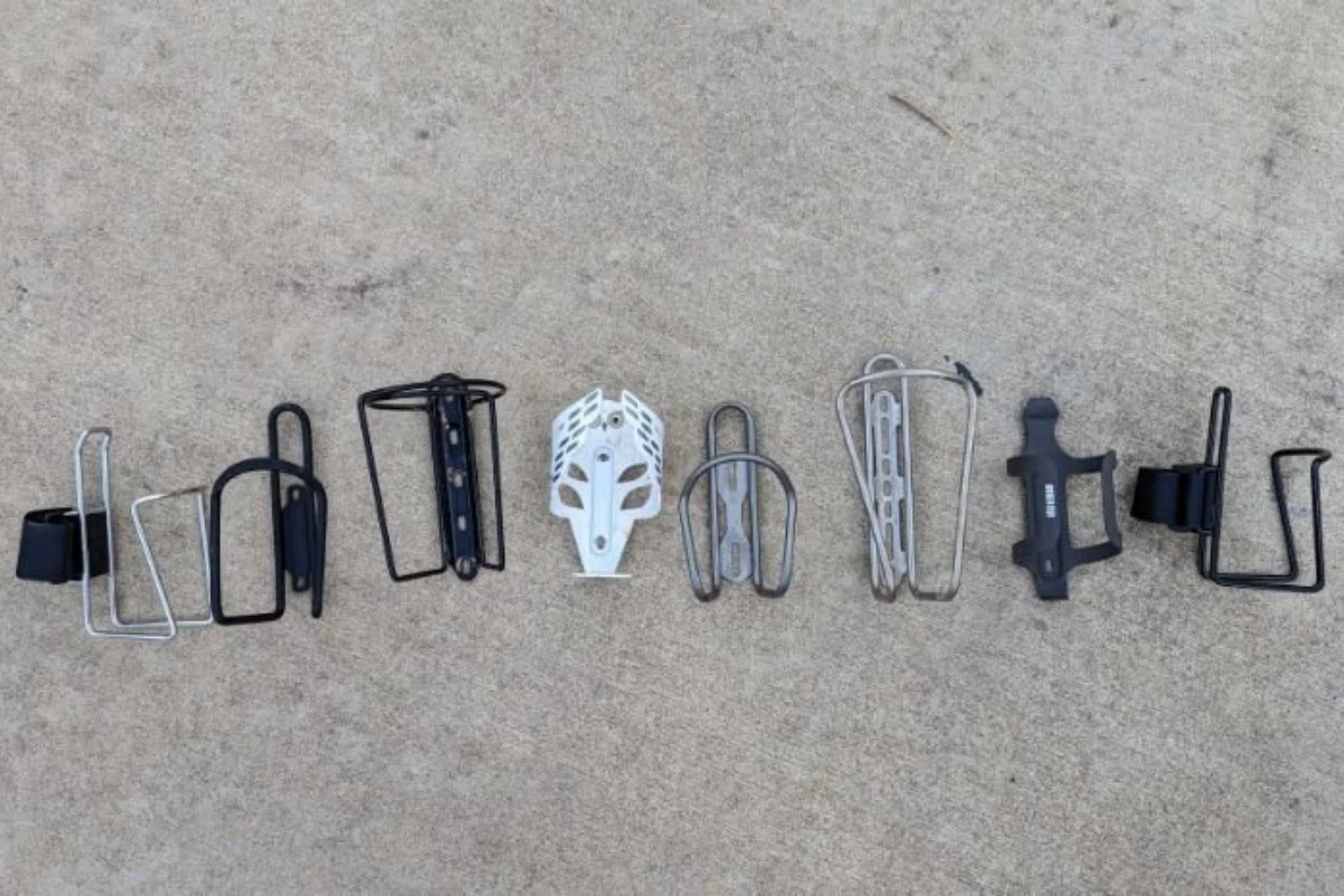
As a long-time mechanic, I’ve seen my share of "bottle-ejection-syndrome" on the trail. Testing for 2025 involved more than just looking at a spec sheet. We took these 12 models through the wringer, from high-speed descents on the Sky Islands Odyssey to daily urban commutes where potholes act like miniature tire-shredders.
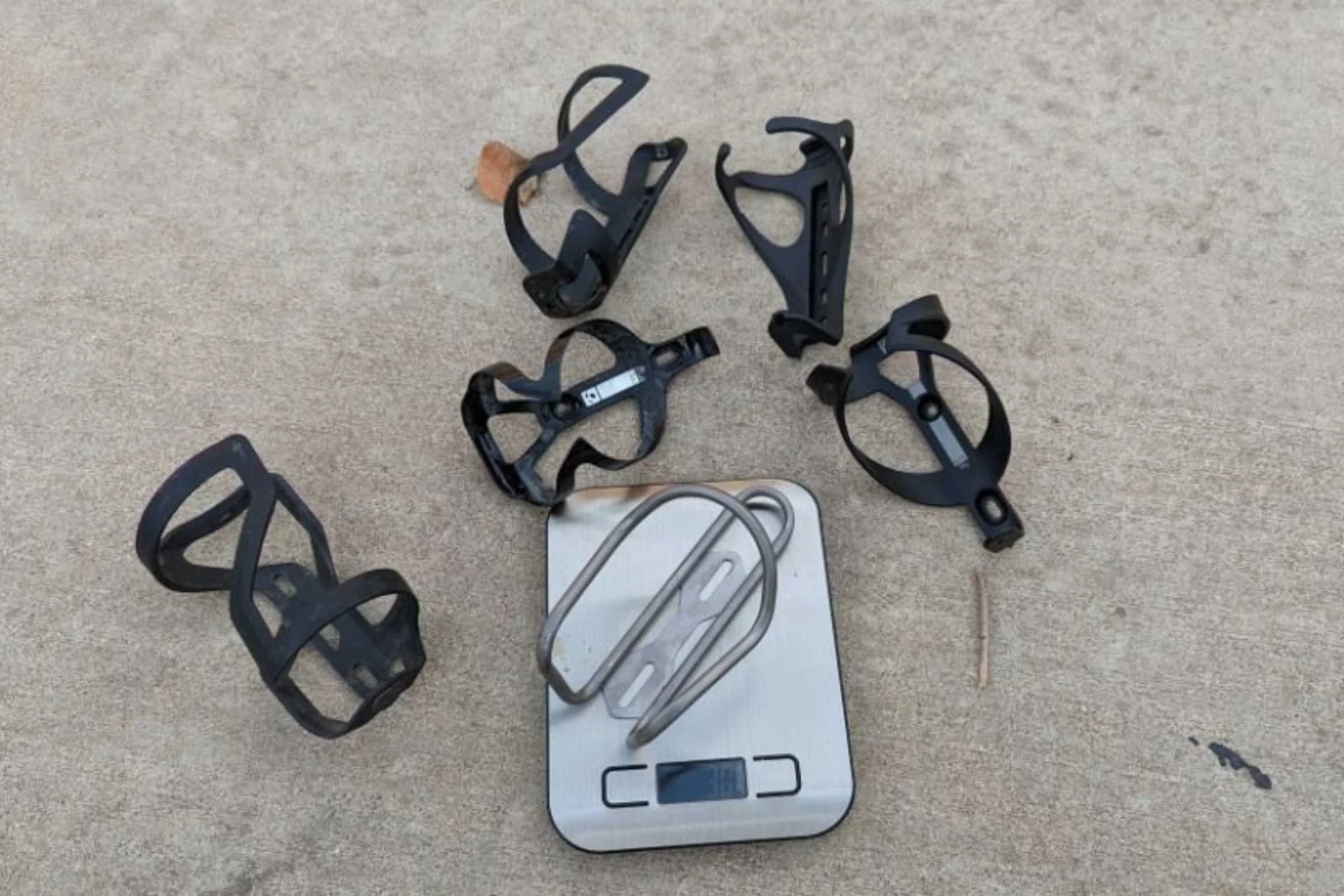
Our focus was on real-world mountain bike water bottle cages for rough terrain and ensuring that lightweight carbon versions didn't snap under pressure. We used high-precision home scales to verify every manufacturer’s claim, because in the world of performance cycling, every gram counts. We also paid close attention to vibration damping. Metal cages like titanium tend to absorb micro-chatter better than stiff aluminum, which can actually help keep a bottle seated when you are flying down mountain bike bottle cages for rough gravel roads.

Lightweight Performance: Best Carbon Fiber Cages
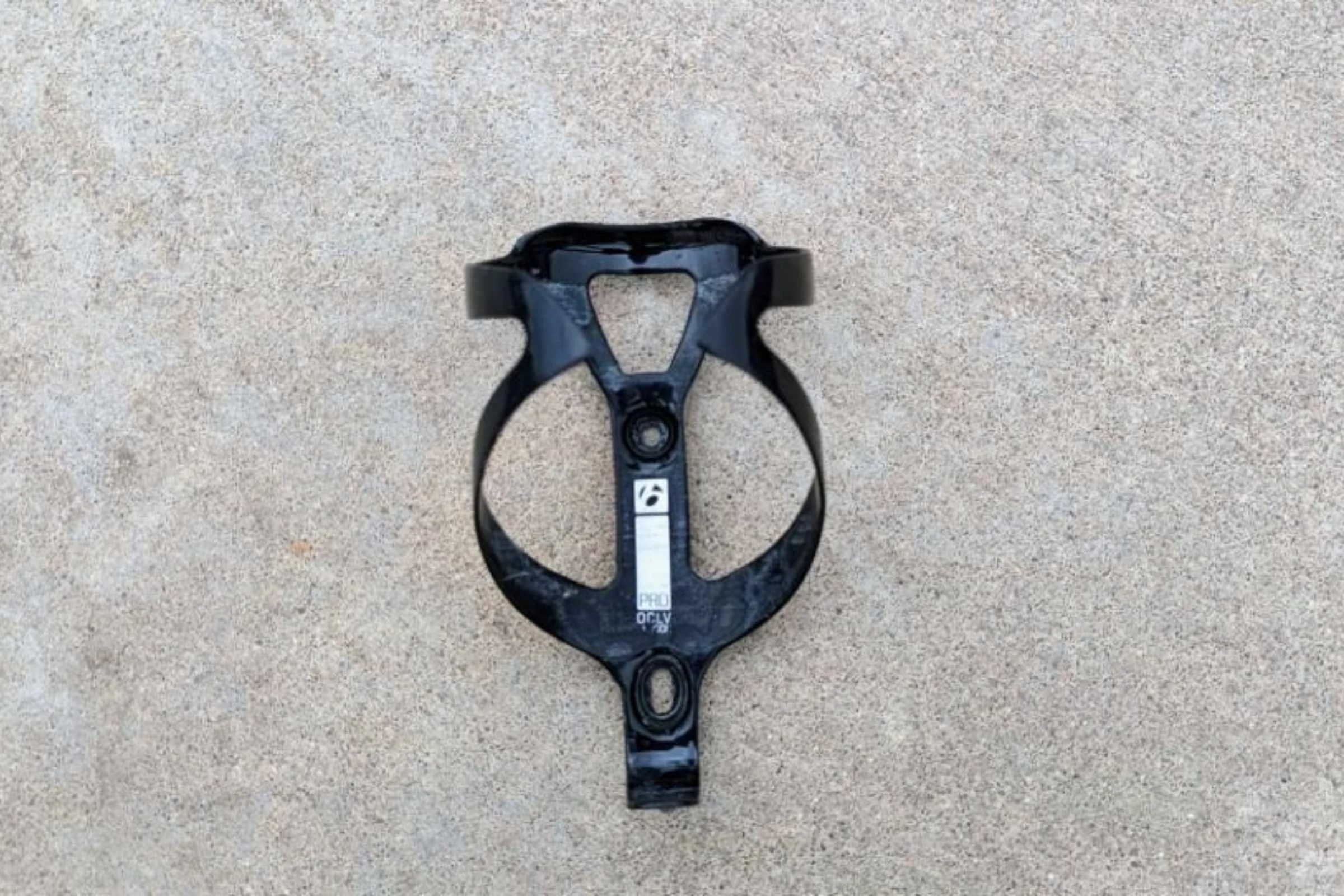
When it comes to the highest level of road cycling, weight is the enemy. Carbon fiber water bottle cages are the lightest available category, typically weighing between 20 and 30 grams. In our testing, the Topeak Feza blew the competition away in the weight department, coming in at a staggering 18 grams while still maintaining a sleek aerodynamic profile.
However, lightweight carbon bike bottle cages aren't just about the scale. The Arundel Mandible remains a favorite among pro mechanics because its shape provides an incredibly firm grip. If you are looking for lightweight carbon fiber cages for road cycling performance, the Mandible is almost overkill—it holds onto bottles so tightly that they simply will not move, even during a frantic sprint or over cobblestones. The Enve Carbon cage also scored high for its easy entry/exit without sacrificing that crucial weight-to-strength ratio.
Built for Life: Best Metal and Titanium Cages
While carbon is king for speed, metal cages are the workhorses of the cycling world. Currently, aluminum alloy remains the dominant material in the water bottle cage market, accounting for approximately 75% of the market share due to its balance of durability and cost-effectiveness. Standard aluminum versions generally weigh between 40 and 60 grams.
If you want the absolute best titanium bike bottle cages for durability, look no further than the Silca Sicuro. These cages are laser-welded and offer a natural vibration damping that keeps your bidon silent. Unlike carbon, if a metal cage gets bent during shipping or a crash, you can usually bend it back into shape. We also tested the King Cage Iris, a stainless steel classic. It’s affordable, looks beautiful on steel frames, and has a grip that rivals many specialized mountain bike water bottle cages for rough terrain. For those who want a custom look, many titanium cages can be anodized or finished in Cerakote to match your frame perfectly.
Solving Frame Constraints: Side-Load & Lowering Cages
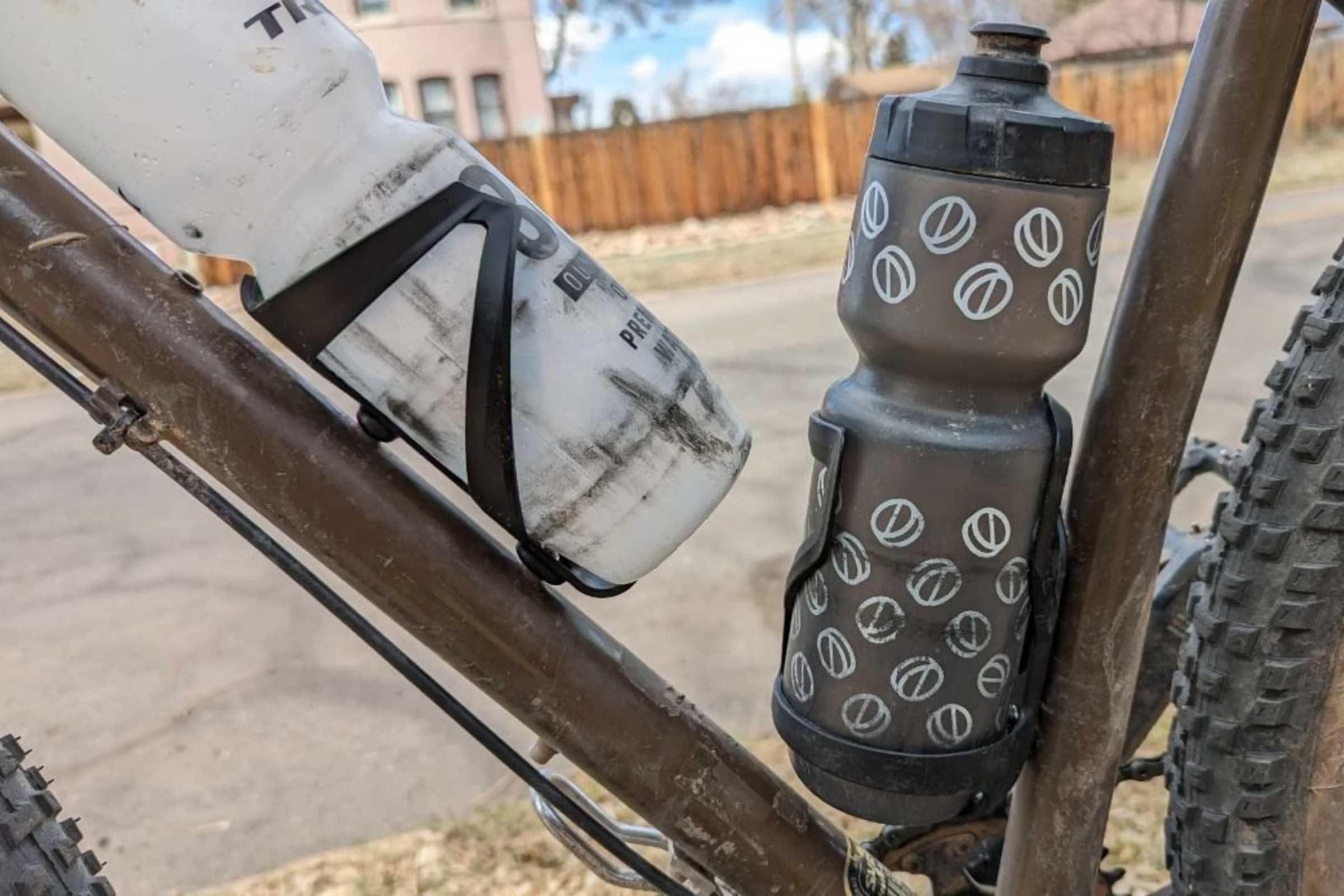
Not every bike has a massive front triangle. Small frames, full-suspension mountain bikes, and bikes loaded with bikepacking bags often suffer from frame geometry constraints. This is where side load water bottle cages for small frames become essential. Unlike a standard top-pull cage, these allow for multi-directional entry, meaning you pull the bottle out at an angle rather than straight up.
The Specialized Zee Cage II is the industry benchmark here. It is available in both right-hand and left-hand versions, allowing you to customize access based on which side is easier for you to reach. For riders on very tight setups, side loading water bottle cages for small frame bikes like the Trek Side Load offer a very low profile. These designs ensure you can still carry 20-24oz of water even if your top tube is mere inches away from your down tube.
Adventure Ready: Cargo and No-Boss Solutions
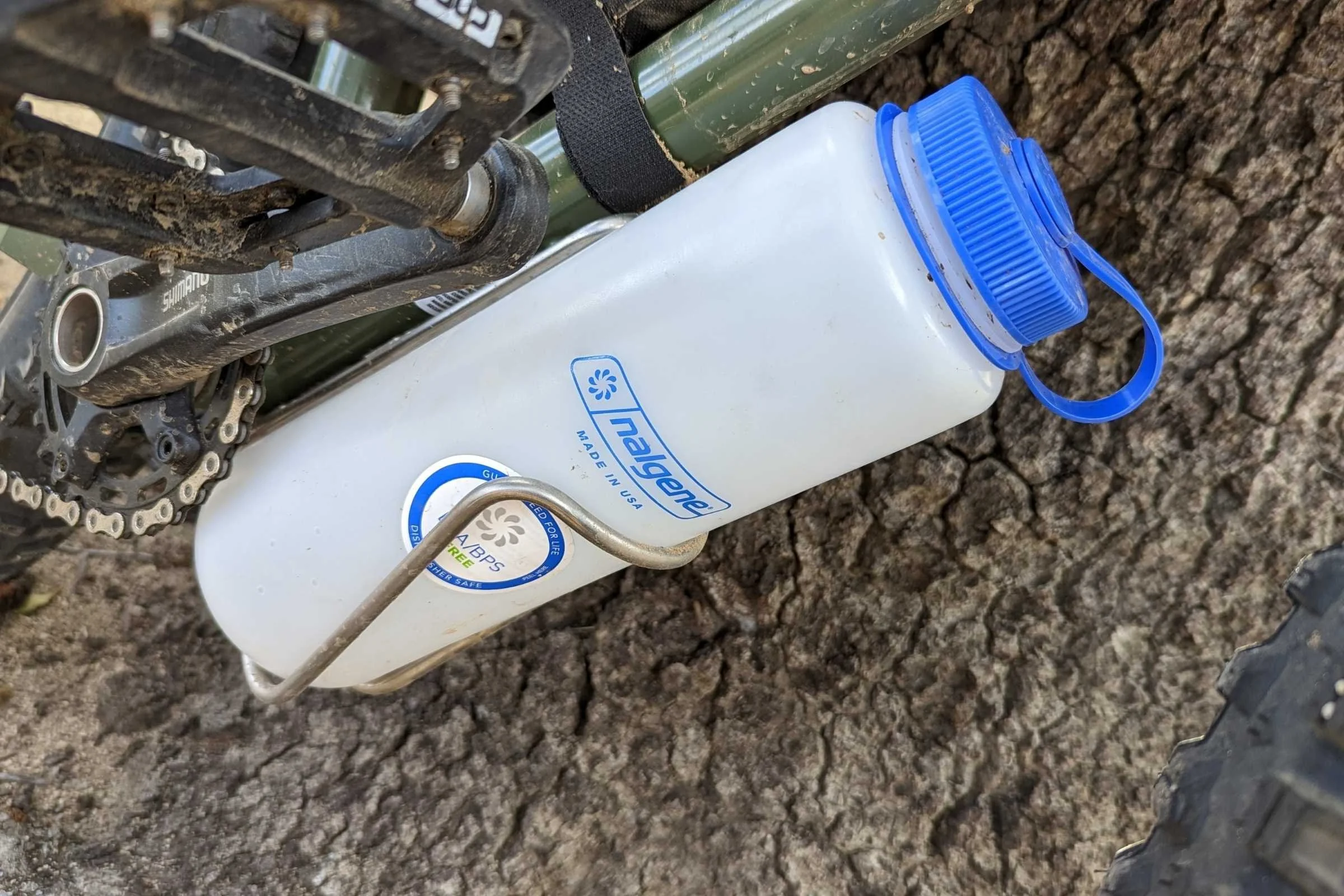
Standard 21oz bidons aren't always enough. If you are heading into the backcountry, you might need bike bottle cages that fit 1 liter nalgene bottles. The Widefoot LiterCage is the premier choice here. Built from sturdy stainless steel, it features a seven-slot mounting base that allows you to bolt it down low on your frame or fork to keep the center of gravity stable.
For those riding vintage frames or carbon shells that lack mounting points, you’ll need a strap on water bottle cage for bikes without bosses. The SKS Anywhere adapter uses durable rubberized straps to secure a polymer construction cage to any tube on your bike. Additionally, if you find yourself commuting with a tapered coffee mug, the Arundel Looney Bin uses a ratcheting dial system to lock down almost any cylindrical object, from a standard bottle to a large wine bottle (for those post-ride celebrations).
Technical Buyer’s Guide: Mounting and Maintenance
Installing a cage seems simple, but there are a few technical standards you should know. The bicycle industry standard for bottle cage mounting utilizes a bolt spacing of 64 millimeters, or approximately 2.5 inches, between two M5 threaded holes on the frame. These M5 mounting bolts should always be greased or treated with anti-seize before installation to prevent galvanic corrosion, especially if you are mixing a titanium cage with a steel frame.
When choosing mountain bike water bottle cages for rough terrain, look for a "wrap-around" design. This ensures more surface area contact with the bottle, which maximizes bidon retention. If your frame has limited clearance, verify the height of the mounting holes; some cages, like the Widefoot or specialized "lowering" mounts, allow you to shift the bottle position by an inch or more to clear frame bags or piggy-back shocks.
FAQ
What is the best material for a bottle cage?
It depends on your priority. Carbon fiber is best for road racing due to its light weight and aerodynamic profile. Titanium is the best for long-distance durability and gravel because of its vibration damping. Aluminum is the most cost-effective solution for everyday riders.
Are bike water bottle cages universal in size?
Most are designed for the standard 73mm diameter cycling bidon. However, some specialized adjustable cages can fit larger containers like 1-liter Nalgene bottles or stainless steel tumblers.
Should I choose a side-load or a top-load bottle cage?
Choose a side-load cage if you have a small frame, a full-suspension MTB, or use a large frame bag. Use a top-load cage for standard road frames where you have plenty of vertical clearance.
Are carbon fiber bottle cages worth the extra cost?
For racers and weight weenies, yes. They offer the best weight-to-strength ratio. However, for most recreational riders, the performance gains are minimal compared to a high-quality aluminum or steel cage.
How do I mount a bottle cage if my bike doesn't have pre-drilled holes?
You can use a strap on water bottle cage for bikes without bosses. Systems like the SKS Anywhere use adjustable straps to mount to the frame, or you can use "P-clamps" from a hardware store for a more permanent DIY solution.
Why do water bottles fall out of cages on rough terrain?
This usually happens due to poor bidon retention or excessive vibration. Cages with a loose fit or those that don't wrap sufficiently around the bottle's "neck" are prone to ejections on mountain bike bottle cages for rough gravel roads.