Our Top Picks
- Top Trail Pick: OneUp V2 Carbon – The gold standard for riders who want the best carbon mountain bike handlebars for vibration dampening and reducing hand fatigue.
- Best XC Performance: Race Face Next SL Carbon – Incredible weight-to-strength ratio at just 167g, perfect for weight-conscious racers.
- Best Value Aluminum: PNW Loam Bar – Offers the best value aluminum mountain bike handlebars for trail riding with excellent compliance and a customizable look.
- Best for Fatigue: Roost Titanium Riser – The ultimate premium choice for comfort, using high-end titanium to eliminate trail chatter completely.
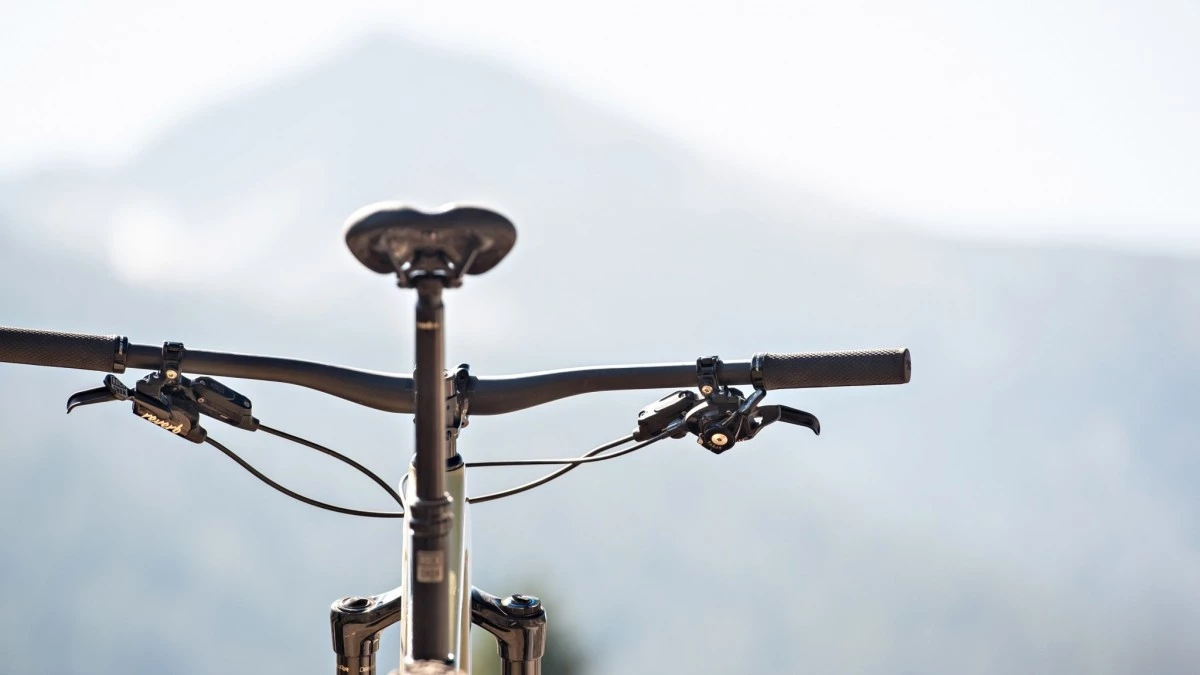
Choosing the best mountain bike handlebars is the most effective way to tune your ride's feel. Whether looking for carbon mountain bike handlebars to reduce arm pump or durable aluminum mountain bike handlebars for aggressive descending, our 2025 test identifies the top 12 bars for every discipline. We evaluate mtb handlebar geometry, weight, and compliance to help you find the perfect cockpit integration.
| Model | Material | Weight | Clamp Size | Best For |
|---|---|---|---|---|
| OneUp V2 Carbon | Carbon | 225g | 35mm | All-around Trail/Enduro |
| Race Face Next SL | Carbon | 167g | 35mm | XC Racing |
| PNW Loam Bar | Aluminum | 308g | 31.8/35mm | Aggressive Trail |
| Roost Titanium | Titanium | 315g | 31.8mm | Long Distance / Comfort |
| Renthal Fatbar | Aluminum | 315g | 35mm | Downhill / Park |
The Technical Foundation: MTB Handlebar Geometry Explained
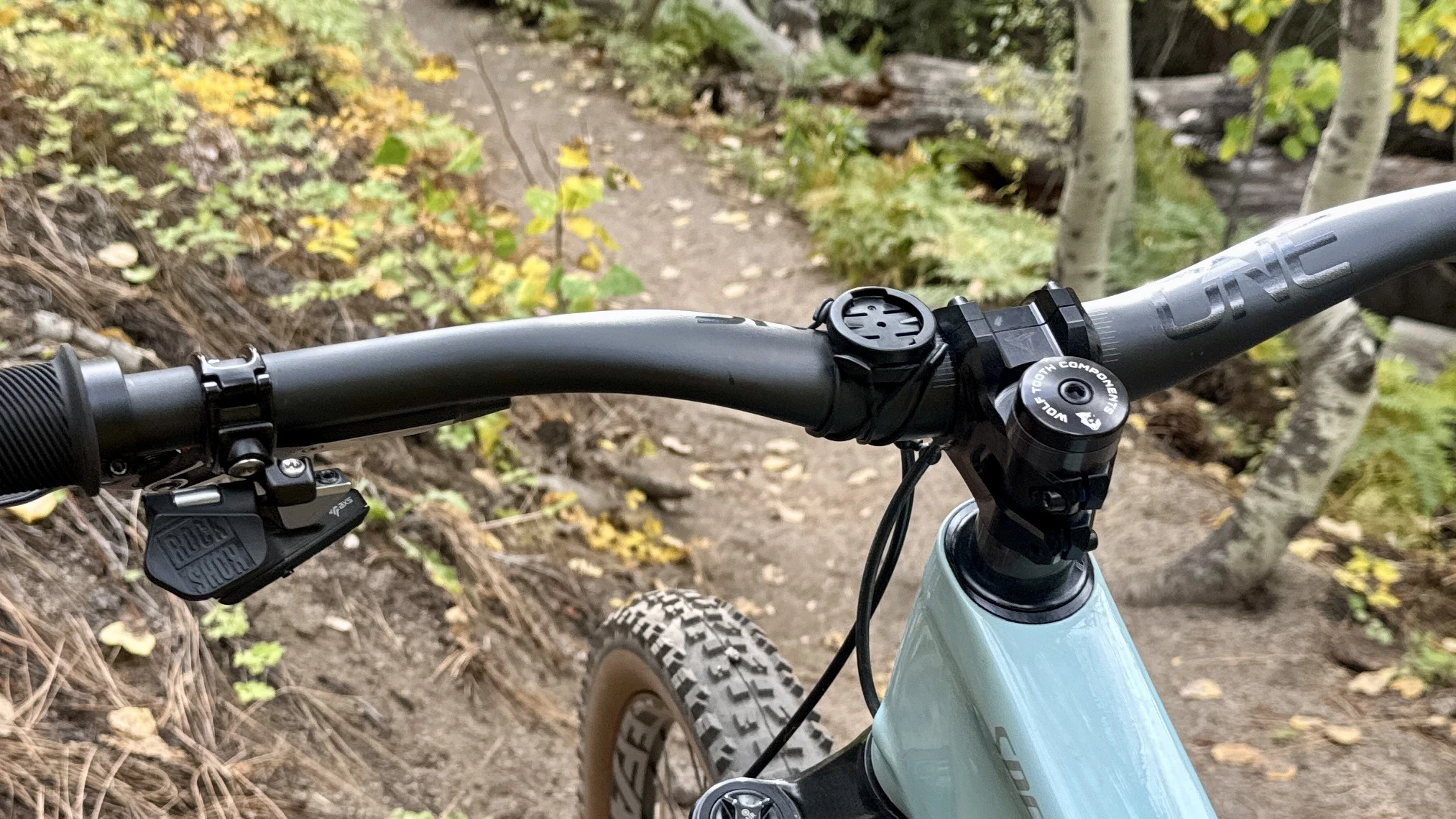
When you swap out your stock cockpit components, you are doing more than just saving weight; you are altering how your upper body interacts with the terrain. Handlebar geometry is defined by three main measurements: rise, backsweep, and upsweep. Rise refers to the vertical distance between the center of the clamp area and the center of the bar ends. Higher rise bars help keep the rider in an upright position, which is beneficial for stability on steep descents. If you find yourself feeling too stretched out or struggling to keep your front wheel light over obstacles, increasing your rise can be a game-changer.
The angles of the bar, known as backsweep and upsweep, are equally critical for ergonomic mountain bike handlebars for wrist pain relief. Backsweep is the angle at which the bar ends tilt toward the rider. Most industry standards sit at 8 or 9 degrees, though specialized brands like SQlab push this to 12 or 16 degrees to better align the wrist bones. Upsweep refers to the upward angle of the bars from the stem. Together, these angles ensure your wrists sit in a neutral position, significantly reducing the risk of arm pump during long days at the bike park.
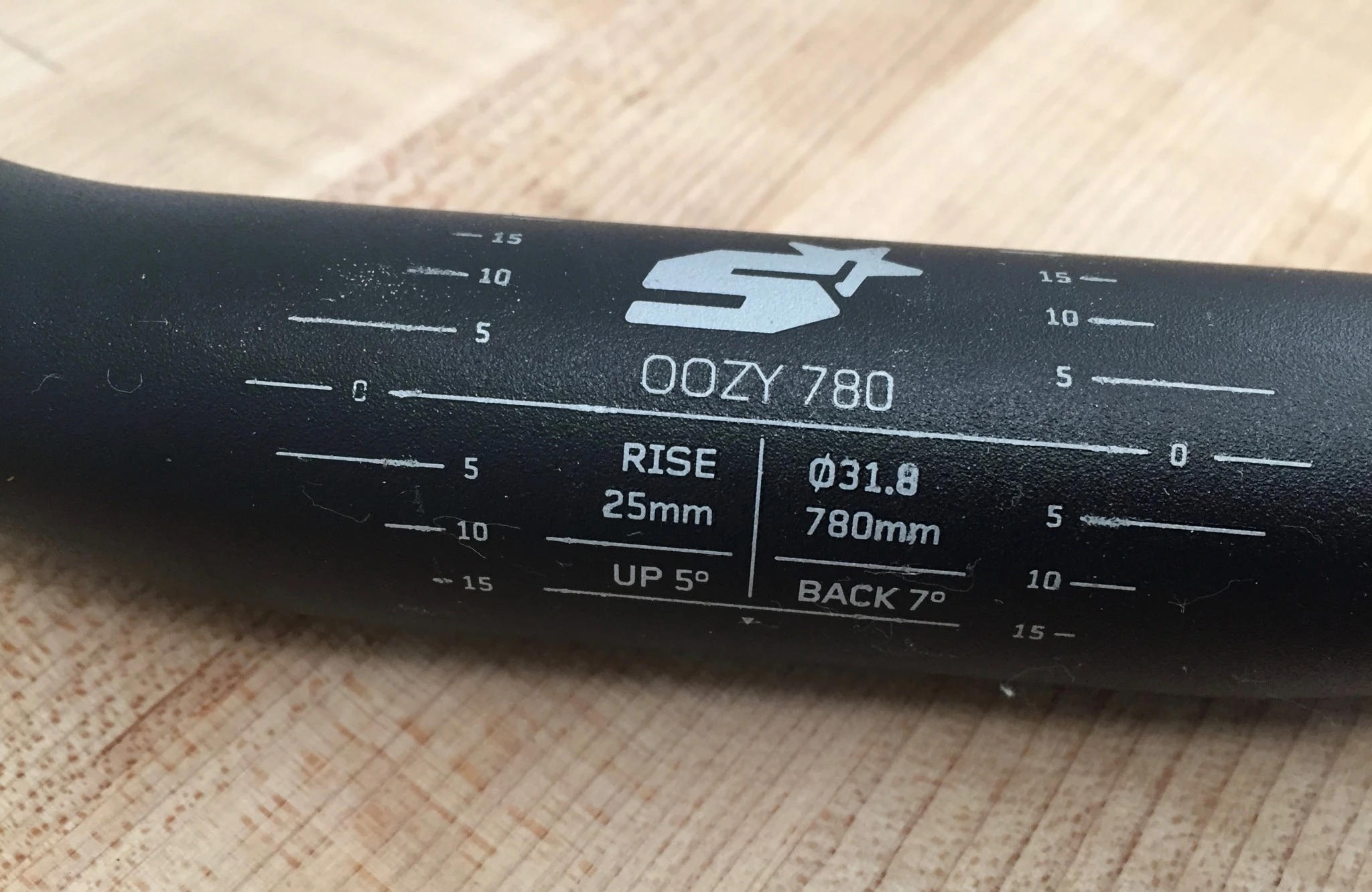
Many riders often ask how to choose the right mountain bike handlebar rise. A general rule of thumb is to look at your current stack height. If you feel like you are constantly leaning too far forward, or your hands go numb on descents, a bar with a 30mm or 35mm rise might offer better weight distribution than a flat or low-rise 10mm bar.
Material Science: Carbon vs. Aluminum vs. Titanium
The debate between carbon vs. aluminum is central to finding the best mountain bike handlebars for your specific needs. Carbon mountain bike handlebars offer superior vibration dampening and weight savings compared to traditional aluminum models. By tuning the specific carbon layup, manufacturers can create bars that provide vertical compliance to reduce hand fatigue while maintaining lateral stiffness for precise steering. In the current market, carbon fiber models account for nearly 38% of high-end sales due to their superior strength-to-weight ratios.
Aluminum mountain bike handlebars remain a staple for many because of their durability and lower price point. Most are crafted from 6061 or 7075 aluminum alloy. While they are generally stiffer and can transmit more trail chatter, modern engineering has allowed brands like PNW and Renthal to create aluminum bars with tapered tubing that mimics the feel of carbon.
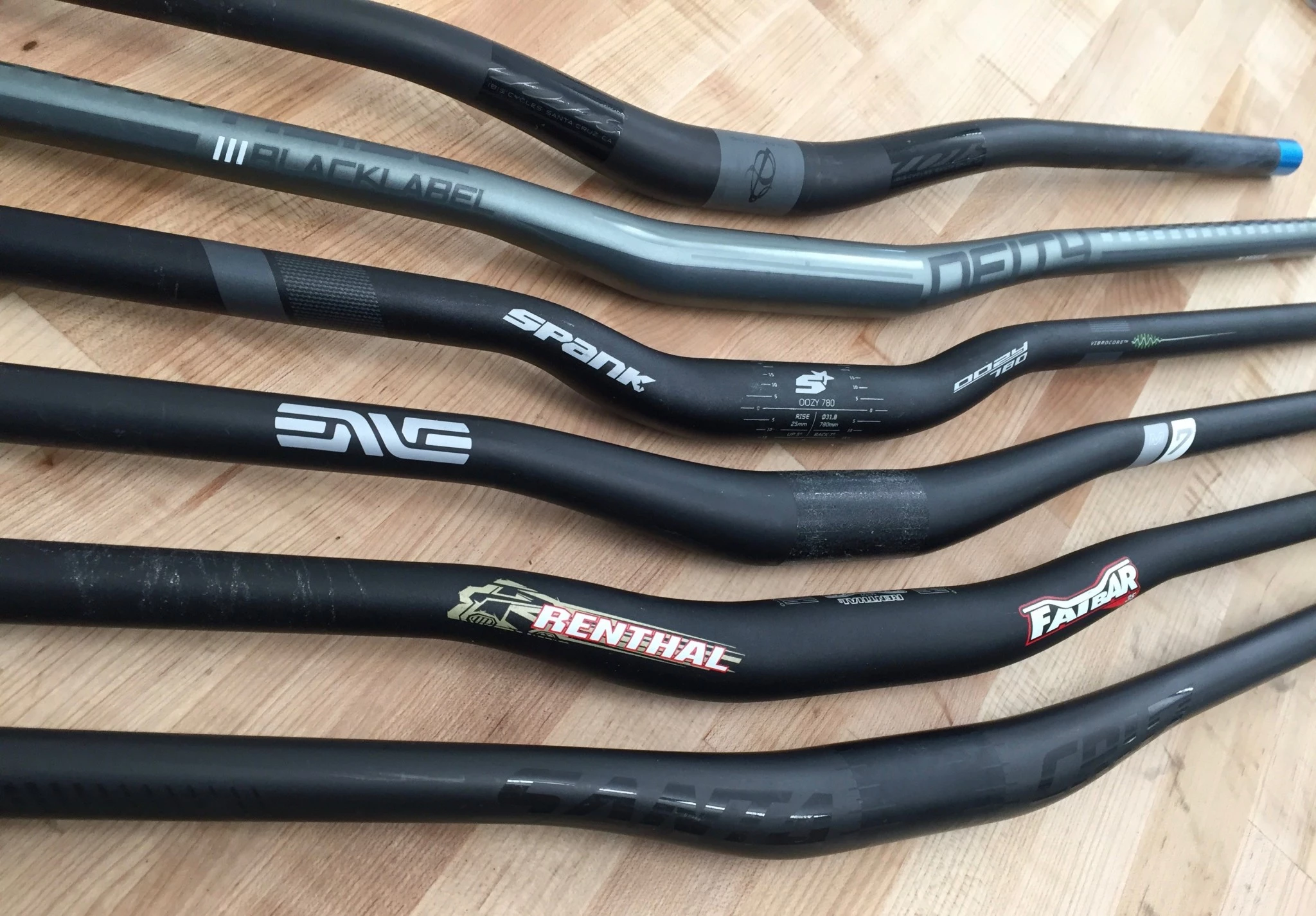
Another major consideration is the 31.8mm versus 35mm mountain bike handlebars explained. The 35mm standard provides a larger surface area for a stiffer interface, which enhances steering precision for aggressive enduro and downhill riding. However, many riders still prefer the 31.8mm standard because it can offer more natural flex and vertical compliance, helping to absorb high-frequency vibrations on long trail rides. The global bicycle handlebar market is currently valued at approximately USD 6.16 billion in 2025 and continues to grow as riders seek these specific performance benefits.
The 12 Best Mountain Bike Handlebars of 2025: Expert Reviews
1. OneUp V2 Carbon
The OneUp V2 is widely considered the best carbon mountain bike handlebars for vibration dampening. Its unique ovalized shape allows the bar to flex vertically, absorbing impacts that would otherwise travel into your hands, while remaining laterally stiff for sharp steering responsiveness.
- Material: Carbon Fiber
- Weight: 225g
- Rise: 20mm, 35mm
- Sweep: 8-degree backsweep, 5-degree upsweep
- Price: $159
2. Race Face Next SL Carbon
This is the ultimate choice for cross-country enthusiasts. At 167g, it is incredibly light but remains tough enough for modern, technical XC courses. It focuses on steering precision and minimizing every unnecessary gram from the cockpit integration.
- Material: Carbon Fiber
- Weight: 167g
- Rise: 10mm
- Sweep: 8-degree backsweep, 5-degree upsweep
- Price: $179
3. PNW Loam Bar
For those seeking the best value aluminum mountain bike handlebars for trail riding, the PNW Loam Bar is unbeatable. It is designed with a specific taper to provide a "carbon-like" feel, soaking up trail chatter without the premium price tag of composite materials.
- Material: 7075 Aluminum
- Weight: 308g
- Rise: 25mm, 38mm
- Sweep: 10-degree backsweep, 5-degree upsweep
- Price: $99
4. Renthal Fatbar Carbon
The Fatbar is a legend in the mountain bike handlebars for enduro and downhill use cases. It offers a very "direct" feel. It isn't as compliant as the OneUp, but for riders who want maximum steering precision when hitting rock gardens at speed, it is the industry benchmark.
- Material: Carbon Fiber
- Weight: 225g
- Rise: 10mm - 40mm
- Sweep: 7-degree backsweep, 5-degree upsweep
- Price: $170
5. Roost Titanium Riser
Titanium offers a ride quality that exists somewhere between aluminum and carbon. It is naturally dampening and has an almost "springy" feel that makes it incredibly comfortable for long-distance trail riding or riders suffering from chronic wrist pain.
- Material: Titanium
- Weight: 315g
- Rise: 20mm, 30mm
- Sweep: 8-degree backsweep, 5-degree upsweep
- Price: $299
6. Race Face Next R
The Next R (R for Rally) is the more aggressive sibling to the Next SL. At 215g, it is built for enduro racing. It balances impact absorption with enough stiffness to handle 170mm travel bikes and big mountain terrain.
- Material: Carbon Fiber
- Weight: 215g
- Rise: 10mm - 35mm
- Sweep: 8-degree backsweep, 5-degree upsweep
- Price: $169
7. SQlab 3OX Carbon
If you struggle with hand numbness, the SQlab 3OX is the premier choice for ergonomic mountain bike handlebars for wrist pain relief. With a 12-degree or 16-degree backsweep, it straightens the transition from the forearm to the hand, protecting the carpal tunnel.
- Material: Carbon Fiber
- Weight: 235g
- Rise: 15mm, 30mm, 45mm
- Sweep: 12/16-degree backsweep, 4-degree upsweep
- Price: $189
8. Deity Skywire
Deity specializes in the "feel" of the bike. The Skywire is a 35mm carbon bar designed specifically to avoid the harshness often associated with larger clamp diameters. It is a fantastic option for trail riders who want a sleek aesthetic and a forgiving ride.
- Material: Carbon Fiber
- Weight: 226g
- Rise: 15mm, 25mm
- Sweep: 9-degree backsweep, 5-degree upsweep
- Price: $169
9. ENVE M7
ENVE is synonymous with high-end carbon. The M7 is a gravity-rated bar that includes unique "flex-tuned" zones. It is one of the strongest bars on the market, designed to survive the rigors of world-class downhill tracks while keeping weight impressively low.
- Material: Carbon Fiber
- Weight: 240g
- Rise: 10mm - 40mm
- Sweep: 8-degree backsweep, 4-degree upsweep
- Price: $180
10. Burgtec Ride Wide Alloy
The Burgtec bar is the choice of many World Cup DH riders. It is unashamedly stiff and focused on steering responsiveness. If you want a cockpit that reacts instantly to your input and can take a massive beating, this aluminum bar is for you.
- Material: Aluminum
- Weight: 330g
- Rise: 15mm, 30mm, 50mm
- Sweep: 9-degree backsweep, 5-degree upsweep
- Price: $90
11. Nukeproof Horizon V2
A fantastic mid-range option that provides high-end performance without the boutique price. It uses 7050 aluminum and has a polished finish that looks great on any build. It's a reliable workhorse for all-mountain riding.
- Material: 7050 Aluminum
- Weight: 290g
- Rise: 12mm - 38mm
- Sweep: 9-degree backsweep, 5-degree upsweep
- Price: $75
12. Easton Haven Carbon
Easton has a long history in carbon tubing. The Haven is a classic trail bar that provides a balanced feel—not too stiff, not too flexy. It’s a reliable choice for riders who want a "set it and forget it" upgrade to their cockpit.
- Material: Carbon Fiber
- Weight: 210g
- Rise: 20mm
- Sweep: 9-degree backsweep, 5-degree upsweep
- Price: $160
Buyer's Guide & Setup: How to Fine-Tune Your Cockpit
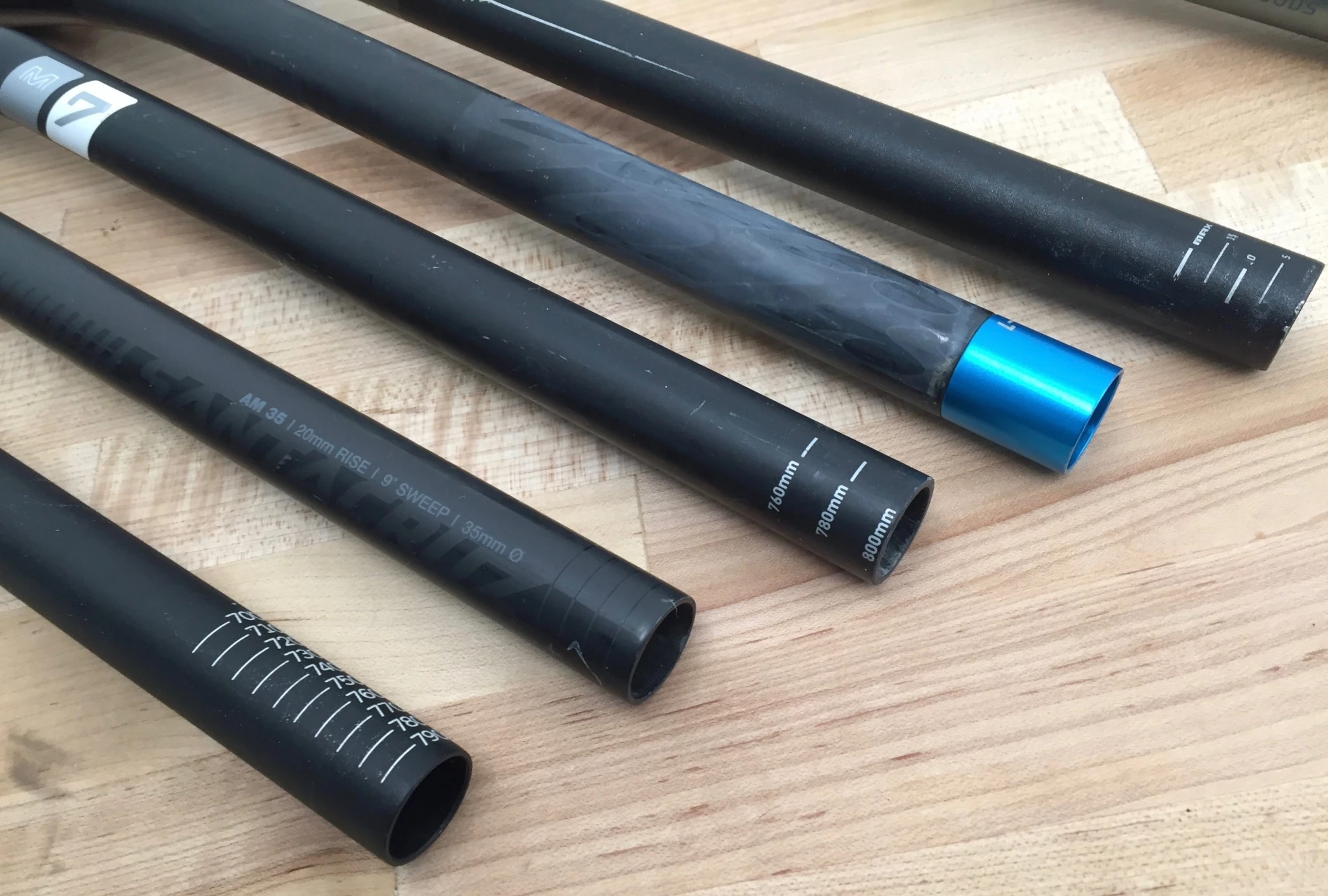
Once you have selected one of the best mountain bike handlebars, the setup is where you truly find the performance. Many modern bars come at a standard 800mm width, but this is often too wide for the average rider. Trimming your bars can change the entire personality of your bike. Engineering lab tests show that shortening a standard 800 mm mountain bike handlebar to 740 mm increases the component's stiffness by approximately 30%.
Before you reach for the hacksaw, try moving your grips and controls inward to test different widths. A bar that is too wide can cause shoulder pain and make it difficult to navigate tight, wooded trails. Conversely, a bar that is too narrow can make the bike feel twitchy at high speeds.
Another tip for those wondering how to choose the right mountain bike handlebar rise is to play with your stem spacers. Before buying a new bar, move your stem up or down on the fork steerer tube. This simulates a change in rise. If you find you like the stem at the highest position, you should look for a bar with more rise to maintain that comfortable, upright stance while keeping your stem lower for better structural integrity.
FAQ
How do I choose the right mountain bike handlebars?
Start by identifying your riding style and any current discomfort. For XC, prioritize weight and a lower rise. For enduro or trail, look for a balance of vertical compliance and steering precision. Check your current backsweep and rise to use as a baseline, then adjust based on whether you want more comfort or more aggressive positioning.
Are carbon mountain bike handlebars worth the extra cost?
For many riders, yes. Carbon mountain bike handlebars are highly effective at filtering out high-frequency vibrations that lead to hand numbness and arm pump. While aluminum is cheaper and more impact-resistant in some crash scenarios, carbon provides a noticeably smoother ride quality and significant weight savings.
What is the standard width for mountain bike handlebars?
Most modern trail and enduro handlebars ship at 800mm. However, the "correct" width depends on your shoulder width and local terrain. Most riders eventually trim their bars to between 760mm and 780mm to find the sweet spot between stability and maneuverability.
Is a 35mm handlebar stiffer than 31.8mm?
Generally, yes. The 35mm clamp diameter was introduced to create a stiffer interface for wide bars and aggressive riding. While this improves steering precision, it can also lead to a harsher ride. Many manufacturers now use advanced carbon layups to ensure 35mm bars still offer enough flex for comfort.
How much rise do I need for mountain bike handlebars?
This depends on your height and bike geometry. If you feel you are leaning too far over the front or lack confidence on steep drops, try a higher rise (30mm-40mm). If you struggle to keep front-wheel traction on steep climbs, a lower rise (10mm-20mm) will help you keep your weight centered.