Quick Facts
- Market Shift: Backpacks captured a 41.6% share of the global travel bags market in 2024, signaling a move toward hands-free mobility.
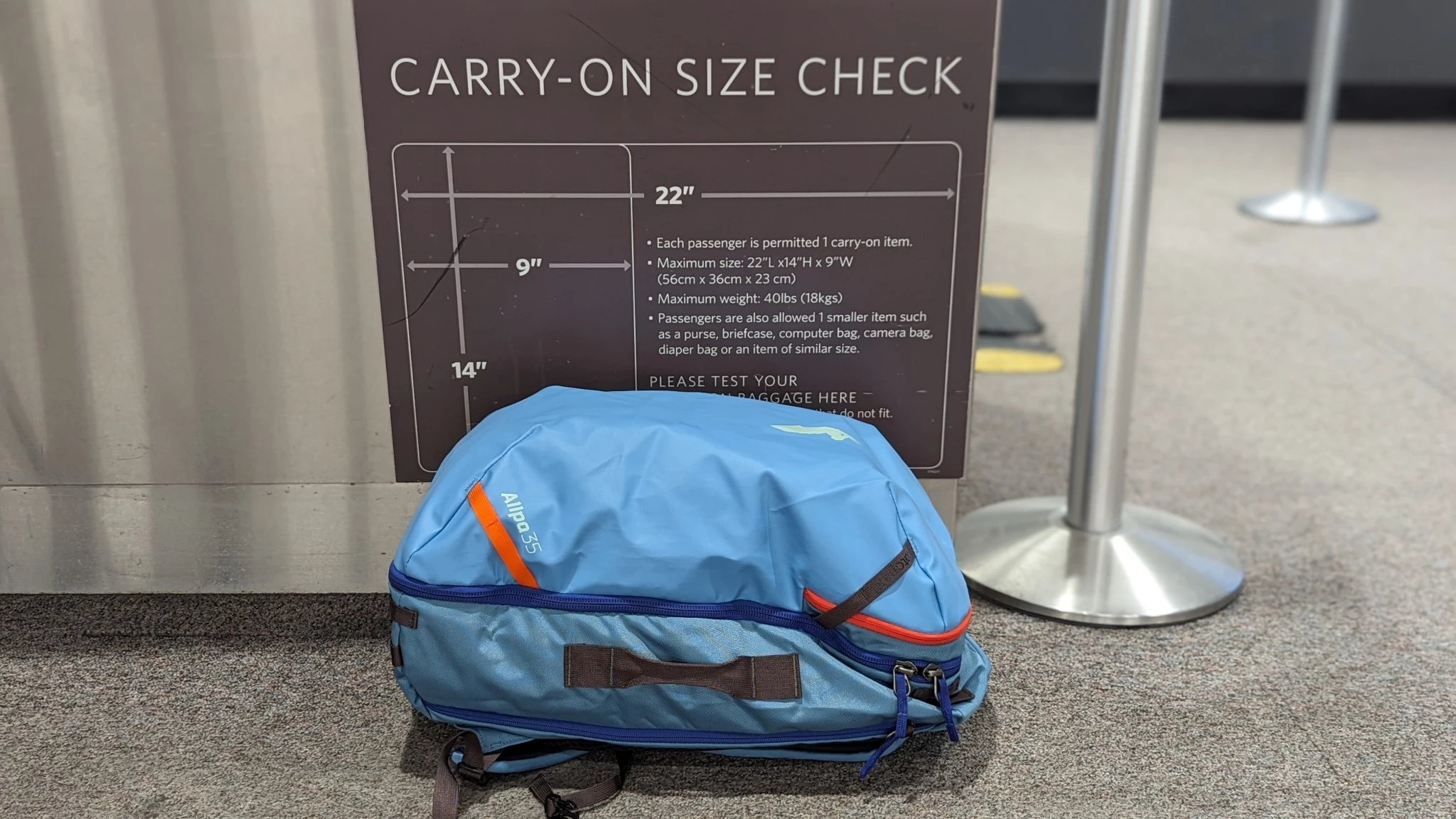
- Standard Size: Most major U.S. airlines require carry-on backpack dimensions to stay within 22 x 14 x 9 inches.
- Capacity Goldilocks Zone: A 35-liter to 40-liter capacity is the most practical choice for maintaining compliance while maximizing gear.
- Ergonomic Priority: 76% of travelers rank back support as the most critical factor when choosing a pack.
- Primary Choice: 63% of travelers now use a backpack as their primary luggage rather than a traditional suitcase.
- Access Efficiency: Suitcase-style clamshell opening designs are essential for quick packing and airport security checks.
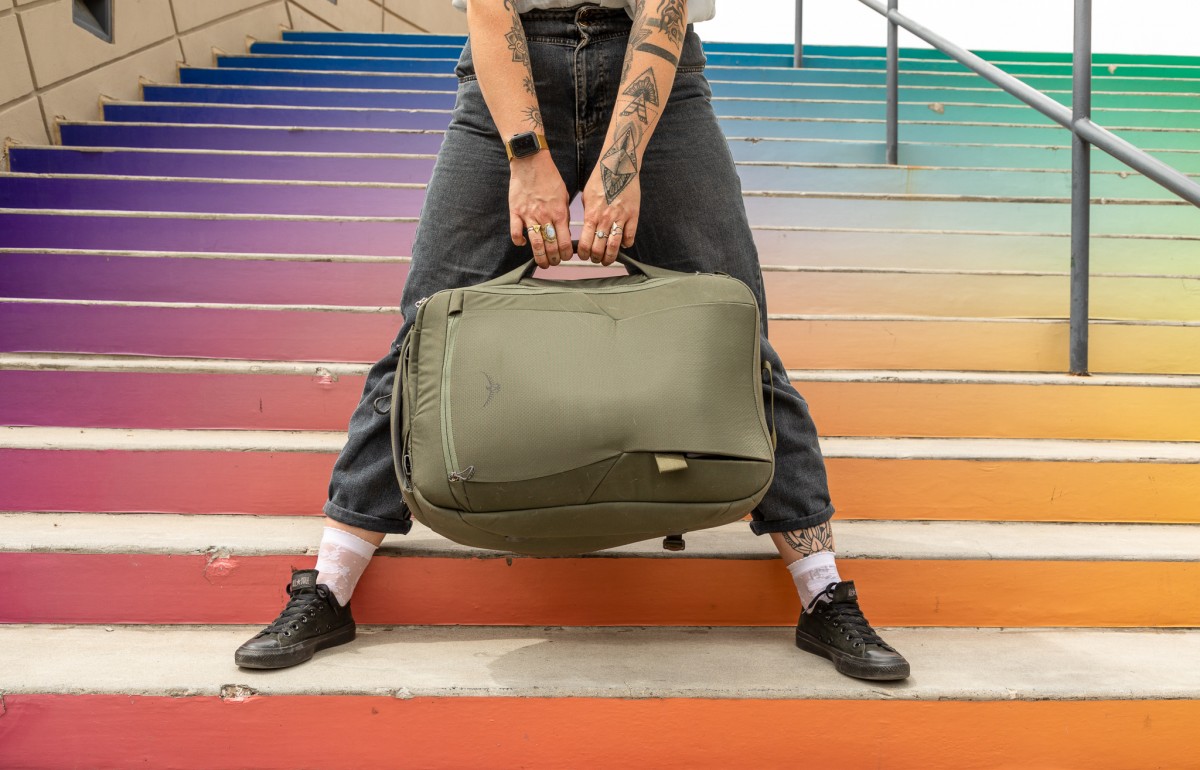
A dedicated travel backpack is the ultimate one-bag travel tool, specifically engineered with a clamshell opening for easy packing and dimensions that fit overhead bins while offering ergonomic suspension superior to traditional luggage. Whether you are navigating cobblestone streets or rushing through a terminal, the right pack balances liter capacity with airline compliance and personal comfort.
Sizing and Compliance: Navigating Airline Rules
The transition to one-bag travel starts with understanding the strict geometry of airline overhead bins. While we often think in terms of weight, volume and dimensions are the real gatekeepers. For domestic travel within the United States, your travel backpack should generally conform to 22 x 14 x 9 inches. If you are shopping for a lightweight travel backpack for weekend trips, you might find that smaller packs in the 25-liter to 30-liter range easily fit under the seat, or what airlines call a personal item.
International travel presents a tighter challenge. Many global carriers, especially budget airlines in Europe and Asia, utilize a smaller frame, often around 21.5 x 13.5 x 7.5 inches. When looking for a travel backpack for international travel, it is vital to remember that soft-sided bags can bulge. Choosing a bag with robust compression straps can help you squeeze a slightly overpacked bag into the sizing kiosk at the gate.
| Trip Duration | Recommended Liter Capacity | Airline Category |
|---|---|---|
| 1-3 Days | 15L - 25L | Personal Item / Under-seat |
| 4-7 Days | 35L - 40L | Standard Carry-on |
| 1-2 Weeks | 40L - 45L | Maximum Carry-on |
According to experts, a 35-liter to 40-liter capacity range is the most logical choice for the majority of travelers. This size offers enough room for a week of clothing without exceeding the standard carry-on backpack dimensions used by major carriers.
Ergonomics: How to Measure Torso for Travel Backpack Fit
One of the most common mistakes travelers make is choosing a bag based on their total height. In reality, your height has very little to do with how a bag sits on your spine. A proper fit is determined entirely by your torso length. This is a technical detail that differentiates a high-end travel backpack from a basic school bag.
To find your measurement, follow these steps:
- Tilt your head forward to find the bony protrusion at the base of your neck (the C7 vertebra).
- Place your hands on your hip bones, with your thumbs pointing toward your spine. The line between your thumbs is the iliac crest.
- Have a friend measure the distance along the curve of your spine from the C7 to the iliac crest.
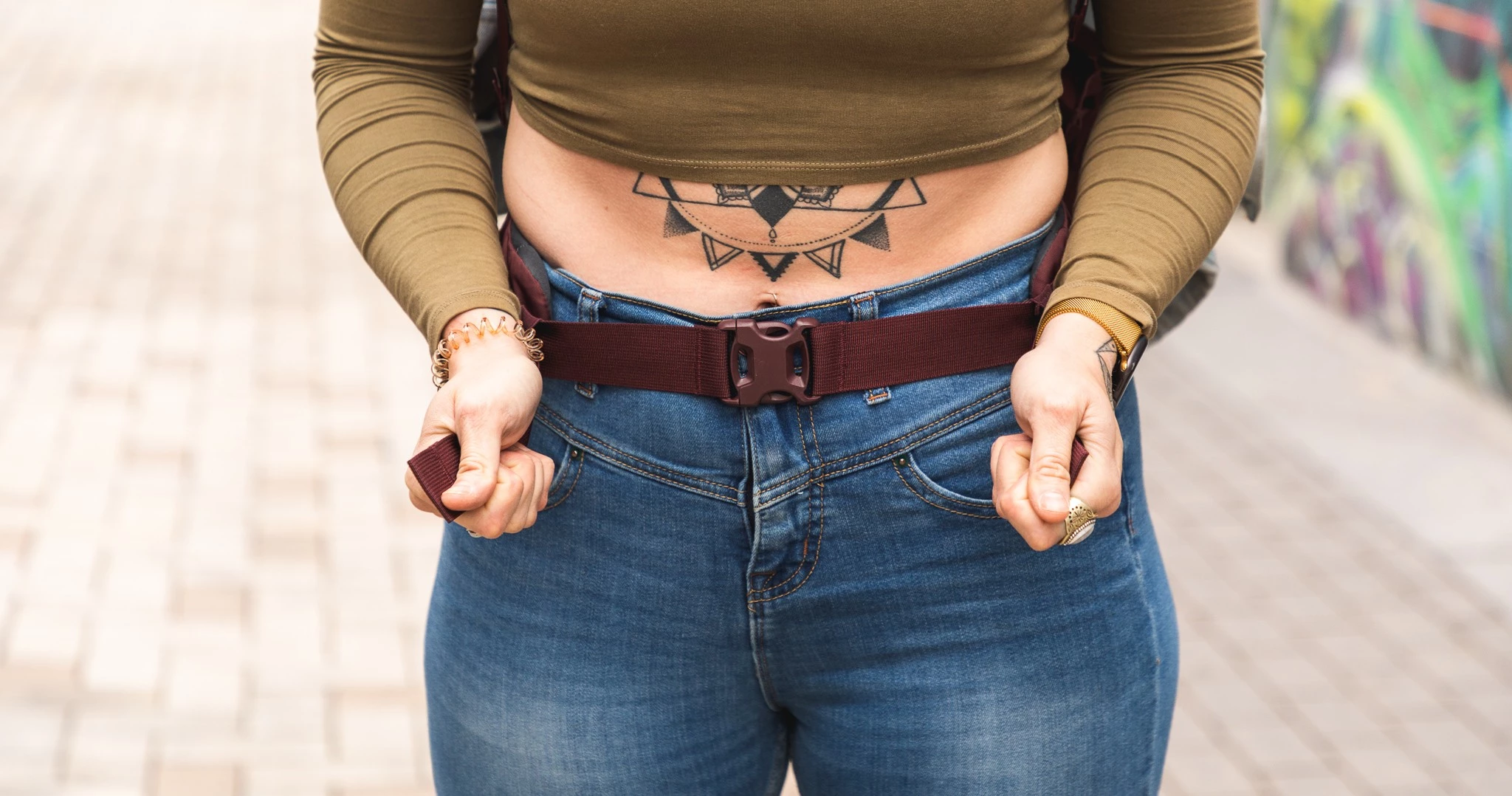
Knowing how to measure torso for travel backpack fit allows you to choose a bag size (Small, Medium, or Large) that ensures the hip belt actually sits on your hips. A well-designed pack should transfer about 80% of the weight to your hips rather than your shoulders. Look for load lifters—the small straps at the top of the shoulder pads—which pull the top of the bag closer to your body to stabilize the center of gravity. Additionally, a stowable harness is a lifter-saver; it allows you to tuck away the straps if you are ever forced to check the bag, preventing them from getting shredded by airport conveyor belts.
Construction: Materials and Security Features
When comparing a travel backpack vs rolling luggage, the environment dictates the winner. While wheels excel on smooth airport linoleum, they fail on the cobblestones of Rome or the stairs of a Parisian metro station. This is where material science becomes your best friend.
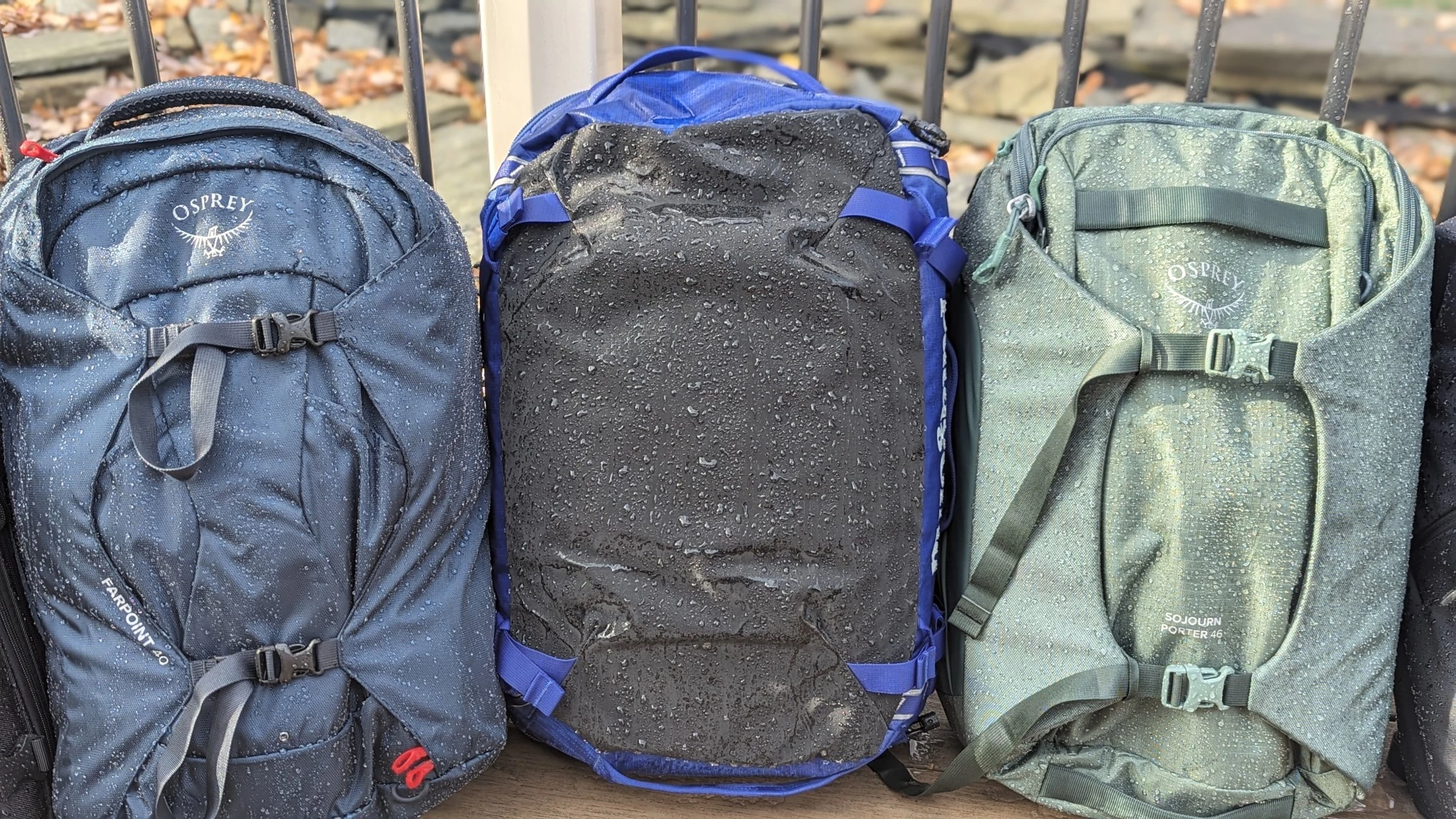
Modern premium bags utilize high-tenacity fabrics like 1680D ballistic nylon or X-Pac VX21. Ballistic nylon is prized for its extreme abrasion resistance, originally developed for military flak jackets. X-Pac, on the other hand, is a laminated fabric derived from sailcloth technology, offering a superior strength-to-weight ratio and inherent waterproofness.
Security is the other half of the construction equation. The best anti-theft features for travel backpacks abroad include:
- Lockable Zippers: Look for #10 YKK zippers with interlocking holes for a TSA-approved lock.
- Puncture-Resistant Zips: Double-coil zippers that cannot be easily pierced with a ballpoint pen.
- Hidden Pockets: A passport pocket located against your back, inaccessible to pickpockets while you are wearing the bag.
- RFID Protection: Internal sleeves that block signals to protect your credit cards and digital documents.
Efficiency: Backpack Packing Organization Tips
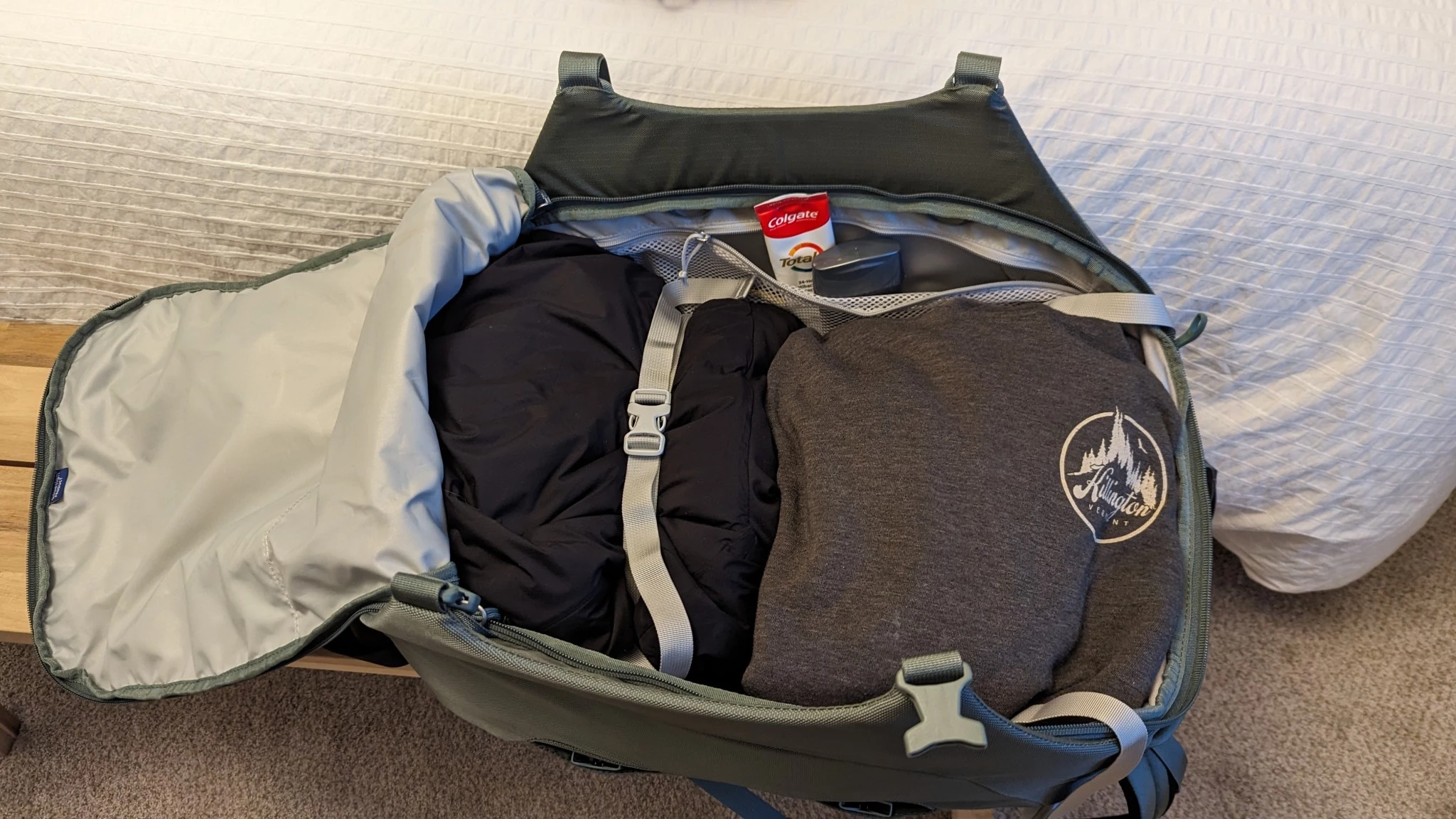
The "clamshell opening" is the gold standard for travel because it allows the bag to open like a suitcase, giving you a full view of your contents. To truly master the art of packing, you need a system.
One of the most effective backpack packing organization tips is the "Lane" method. Keep your electronics and liquids in the outermost "lane" or pocket. This ensures that when you are in the security line, you can pull your laptop and 3-1-1 bag out in seconds without rummaging through your clean clothes.
Hardware Checklist for Organization:
- Packing Cubes: Use these to compress clothing and categorize items (e.g., one cube for shirts, one for underwear).
- Internal Compression Straps: These keep the load from shifting and help flatten the bag to meet carry-on backpack dimensions for international flights.
- Dedicated Tech Compartment: Ideally, this should be suspended off the bottom of the bag so your laptop doesn't hit the ground when you set the bag down.
- Detachable Daypack: Choosing a travel backpack with detachable daypack benefits gives you a smaller bag for exploring the city while leaving your heavy main pack at the hotel.
Persona Guide: Best Packs for Every Traveler
No single bag is perfect for everyone. Your travel style defines your requirements.
The Digital Nomad
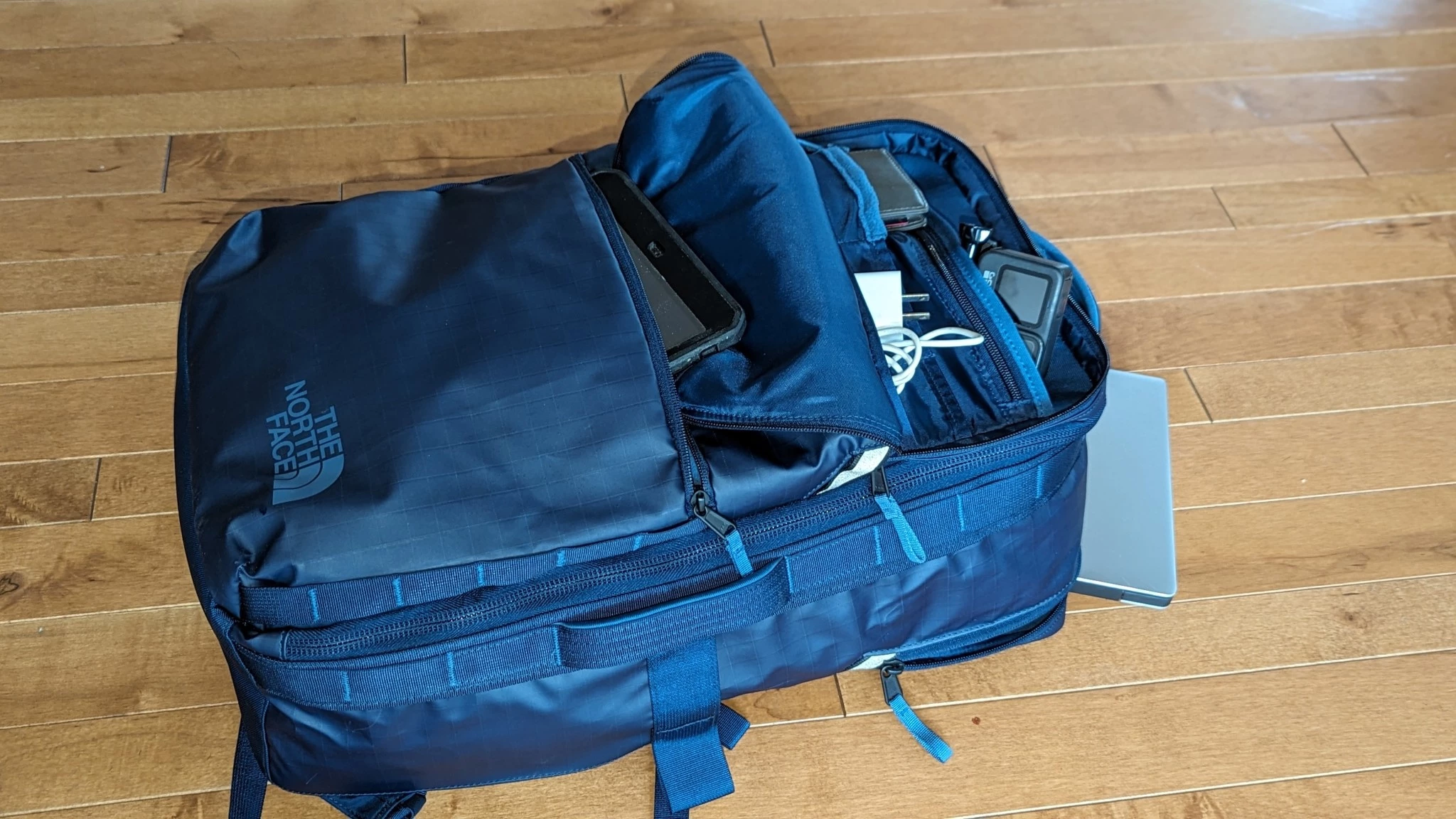
For those who work from anywhere, the priority is protection and organization. You need a pack with a dedicated, padded laptop sleeve and plenty of internal pockets for chargers, hard drives, and cables. Look for a sleek, weather-resistant exterior that doesn't look like a technical hiking pack.
The International One-Bag Purist
If your goal is to never check a bag again, focus on weight. Every ounce matters when you are trying to stay under a 7kg or 10kg airline limit. Specifically, look for a lightweight travel backpack for weekend trips that uses materials like Robic nylon to keep the "dry weight" of the bag low.
The Executive Traveler
The best laptop travel backpack for business trips combines professional aesthetics with high-end functionality. Look for leather accents and hidden backpack straps that allow the bag to be carried like a briefcase. These packs usually favor organization over raw volume, featuring dedicated spots for files and a suit-loop for a blazer.

FAQ
What features should I look for in a travel backpack?
You should prioritize a clamshell opening for easy access, a dedicated laptop compartment for security, and a stowable harness system. High-quality construction materials like ballistic nylon and YKK zippers are also essential for long-term durability. Ensure the bag has a comfortable hip belt if you plan on walking long distances with a full load.
Can a travel backpack be used as a carry-on?
Yes, most travel backpacks are specifically designed to meet airline carry-on standards. However, you must check the specific dimensions of your bag against the airline's rules. Standard domestic limits are usually 22 x 14 x 9 inches, while international limits may be slightly smaller. Always measure your bag when it is fully packed, as overstuffing can cause it to exceed these limits.
How many liters should a travel backpack be?
For a typical week-long trip using one-bag travel principles, a capacity between 35 and 45 liters is ideal. If you are a minimalist or trying to meet strict budget airline weight limits, a 25 to 30-liter pack may suffice. Bags larger than 45 liters often exceed carry-on dimensions and will likely need to be checked.
How should a travel backpack fit to avoid back pain?
A proper fit ensures that the weight of the pack rests on your hips rather than your shoulders. The hip belt should wrap around your iliac crest (the top of your hip bone), and the shoulder straps should follow the contour of your shoulders without large gaps. Use load lifters to pull the weight toward your back and a sternum strap to keep the shoulder straps from sliding outward.
What is the difference between a travel backpack and a regular backpack?
Regular backpacks are often top-loading and lack the structural support needed for heavy loads over long distances. In the hiking vs travel backpack for international travel debate, travel-specific packs win because they include suitcase-style access, lockable security features, and laptop protection—features typically missing from technical hiking gear intended for the wilderness.