Quick Facts
- Top Destinations: Arkansas River (CO), Farmington River (CT), Green River (UT), White River (AR), Bighorn River (MT).
- Optimal Temperatures: Consistently maintained between 38°F and 42°F.
- Peak Fishing Window: 10:00 AM to 3:00 PM when air temperatures are highest.
- Essential Fly Sizes: Technical midge imitations ranging from #18 down to #26.
- Key Tactics: Deep nymphing with fluorocarbon tippet and sporadic dry fly action during midday hatches.
- Winter Advantage: Ice-free rivers and stable aquatic invertebrate activity throughout the season.
Winter tailwater fishing serves as an ideal escape for anglers because bottom-release dams provide consistent water temperatures and ice-free conditions. Unlike freestone streams where trout metabolism slows significantly, dam-released water remains relatively warm throughout the season, allowing for active feeding and steady midge or winter caddis hatches even in freezing temperatures.
| River | State | Highlight | Best Fly |
|---|---|---|---|
| Arkansas River | Colorado | Mild lower-elevation climate | San Juan Worm |
| Farmington River | Connecticut | Unique winter caddis hatch | Zebra Midge |
| Green River | Utah | High trout density and solitude | RS2 |
| White River | Arkansas | Aggressive shad kill events | White Streamer |
| Bighorn River | Montana | Reliable technical midge hatches | Griffith's Gnat |
Why Tailwaters? The Science of Thermal Stability
To understand why winter tailwater fishing is so productive, we have to look beneath the surface of the reservoir. In deep impoundments, water undergoes a process known as reservoir turnover. During the winter, the densest water settles at the bottom of the reservoir, typically maintaining a constant temperature around 39 to 42 degrees Fahrenheit. Because tailwaters draw from these lower depths through bottom-release dams, the water entering the river remains significantly warmer than the ambient air temperature.
This thermal stability is a game-changer for trout metabolism. In a typical freestone river, water temperatures can drop to the low 30s, causing fish to enter a lethargic, semi-dormant state to conserve energy. In a tailwater, however, the relatively warm dam-released water keeps the fish active. They continue to move, breathe, and most importantly, feed. This environment also supports a robust population of aquatic invertebrates. While most insects are dormant, midges and certain small mayflies thrive in these stable conditions, providing a consistent food source that keeps trout in prime condition all year long.
1. Arkansas River (Pueblo, CO): The Low-Elevation Sanctuary
While many Colorado anglers head to the high-country tailwaters, the stretch of the Arkansas River below Pueblo Reservoir offers a distinct advantage: a lower elevation climate. This area is often 10 to 20 degrees warmer than the mountain valleys, making winter fly fishing arkansas river pueblo a much more comfortable experience during January and February. The river here flows through a high-desert environment where snow often melts quickly, and icing on the rod guides is less of a persistent battle.
The trout here are primarily rainbows and browns that respond well to standard tailwater trout fishing tips. Because the water is clear and the flows are often reduced during the winter months, fish tend to congregate in the deeper pools and slow-moving runs. Success here relies on delicate presentations. Small midge larvae and pupae patterns are the mainstays, but don't overlook the impact of catch-and-release regulations which have helped maintain a healthy population of savvy, hard-fighting fish. On a calm, overcast day, you might even see fish rising to adult midges in the mid-afternoon, offering a rare winter opportunity to fish with a dry fly.
2. Farmington River (CT): The Winter Caddis Phenomenon
Located within an easy drive of both New York City and Boston, the Farmington River is a legendary Northeast tailwater that defies the standard "midge-only" winter rule. What makes this river special is the winter caddis hatch farmington river guide. Unlike most caddisflies that emerge in late spring or summer, these hardy insects crawl out of the water and onto the snow-covered banks from December through February.
This biological quirk creates aggressive feeding windows that are rarely seen elsewhere in the dead of winter. Anglers targeting this hatch should look for the winter caddis—small, dark, and active—moving along the water's edge. Even when air temperatures are well below freezing, the morning hours can see incredible activity. While nymphing with small aquatic invertebrates imitations is the most consistent producer, having a few specialized winter caddis dry flies can lead to some of the most memorable surface takes of the season. The river’s consistent flow from the Goodwin Dam ensures that even during the coldest Connecticut stretches, the water remains open and fishable.
3. White River (AR): The Legendary Shad Kill
In the Ozarks of Arkansas, winter tailwater fishing takes on a much more aggressive tone. The White River, particularly the section below Bull Shoals Dam, is famous for a biological event known as the shad kill. When temperatures in the reservoir drop rapidly, the resident threadfin shad become cold-stunned and are sucked through the dam's turbines. These stunned or dead baitfish provide a high-protein feast for the river's massive brown trout.
Following the white river arkansas shad kill fishing tips means looking for periods of high water release. When the generators are humming, the shad are pushed into the river, and the trout lose their usual winter caution. This is the time to employ streamer fishing strategies for winter tailwaters. Large, white, articulated streamers drifted or jerked through the current can trigger violent strikes from trophy fish looking for an easy meal. With over 50 miles of prime water and excellent public access, the White River offers a big-water experience that contrasts sharply with the technical, small-fly approach of other winter destinations.
4. Green River (UT): High Trout Density and Solitude
The Green River below Flaming Gorge Dam is often cited as one of the most beautiful tailwaters in the world, characterized by high canyon walls and emerald water. In the winter, the crowds that swarm the river in the summer disappear, leaving the river to the dedicated few. The biological health of this system is staggering; Section A of Utah's Green River below Flaming Gorge Dam holds between 8,000 and 22,000 trout per mile.
Because the water temperatures are stable at 38°F to 42°F, the fish remain highly active. Winter on the Green is a masterclass in indicator nymphing. You can spend the entire day working the deep, slow-moving seams with a two-fly rig. The trout here are famously opportunistic but can be tippet-shy in the gin-clear winter water. Using fluorocarbon in the 6X range is often necessary to fool the older, larger inhabitants. While the midge is king here, the "B" and "C" sections of the river also offer excellent streamer opportunities for those willing to brave the colder, more remote reaches of the canyon.
5. Bighorn River (MT): Technical Midges in the Treasure State
Montana’s Bighorn River is a bucket-list destination that remains remarkably productive during the coldest months. Located near the town of Fort Smith, this river is a midge-fishing factory. While other Montana rivers are locked in ice, the Bighorn remains clear and open. Similar to the Green, the fish density here is world-class, but the presentation often requires more finesse.
When looking for the best flies for winter tailwater trout on the Bighorn, think small. We’re talking about midge larvae patterns in sizes #18 to #24. The fish will often hold in surprisingly shallow water—sometimes only a foot or two deep—where the midges are emerging. For a broad comparison of trout productivity, consider that the San Juan River in New Mexico maintains between 15,000 and 20,000 fish per mile, while the Missouri River below Holter Dam in Montana holds an estimated 3,500 to 8,000 trout per mile. The Bighorn sits comfortably in that elite tier of high-density rivers where the challenge isn't finding the fish, but correctly timing the hatch and choosing the right fly.
Technical Strategies: How to Fish Midges and Nymphs
Successful winter tailwater fishing requires a shift in mindset. The "low and slow" rule dominates. During the winter, trout will pull out of the fast riffles and move into deeper, slower runs where they don't have to fight the current as hard. When nymphing these areas, adjusting your depth is the most critical factor.
Pro-Tip: The 1.5x Depth Rule To ensure your flies are in the strike zone, set your strike indicator at 1.5 times the estimated depth of the water. For example, if you are fishing a run that is 4 feet deep, your indicator should be 6 feet above your bottom fly. This allows the flies to sink quickly and drift naturally along the bottom where the fish are holding.
Timing is also essential. There is no need to be on the water at sunrise. In fact, the best time of day for winter tailwater fishing is generally between 10 AM and 3 PM. As the sun hits the water, the temperature may only rise a degree or two, but that is often enough to trigger an emergence of midges.
When it comes to how to fish midges on tailwaters in winter, light conditions should dictate your fly selection. On bright, sunny days, reflective or "flashy" midge patterns often perform better. On dark, overcast days, go with matte, dark colors like black or olive to provide a better silhouette against the gray sky. Furthermore, use the thinnest tippet you can get away with—6X is standard, but in very clear water or during intense dry fly hatches, 7X might be required to avoid micro-drag.
Essential Winter Tailwater Gear Checklist
Fishing in sub-freezing temperatures requires specialized equipment to keep you on the water longer. Managing ice and moisture is the primary goal of any winter tailwater fishing gear checklist.
- Stanley’s Ice Off Paste: Apply this to your rod guides every hour to prevent ice buildup that can shred your fly line.
- Fluorocarbon Tippet: It sinks faster and is less visible to trout in clear winter water.
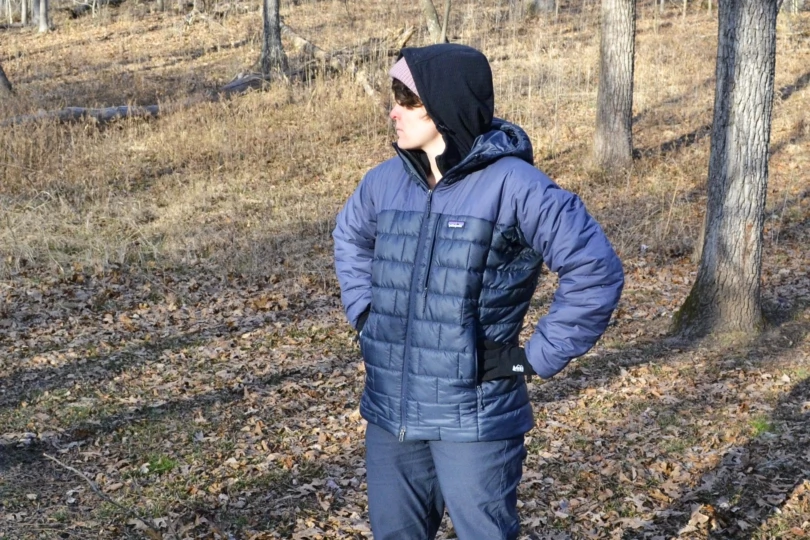
- Breathable Layering: Avoid cotton. Use a moisture-wicking base layer, a heavy fleece or wool mid-layer, and a windproof/waterproof outer shell.
- Fingerless Gloves with Mittens: To keep your hands warm while allowing for the dexterity needed to tie on a #24 midge.
- Copper or Tungsten Beads: Use flies with extra weight to get down to the fish quickly in deep winter pools.
- Hand Warmers: Essential for placing inside your gloves or even inside your waders near your femoral arteries (thighs) to keep your core temperature up.
FAQ
Why is winter tailwater fishing so productive?
The productivity of winter tailwater fishing stems from the thermal stability of dam-released water. Because the water comes from the bottom of deep reservoirs, it stays at a constant 38-42 degrees, keeping trout active and aquatic insects emerging while other rivers are frozen solid.
What are the best flies for winter tailwater trout?
The best patterns are generally small midge imitations like the Zebra Midge, RS2, or WD40 in sizes #18 to #26. In specific rivers, larger patterns like the San Juan Worm or white streamers during a shad kill can also be highly effective.
How does water temperature affect tailwater fishing in winter?
Water temperature directly influences trout metabolism. In tailwaters, temperatures remain high enough for trout to feed consistently. However, even a one or two-degree rise during the warmest part of the day can trigger a significant hatch, leading to much more active feeding windows.
What time of day is best for winter tailwater fishing?
The peak fishing window is typically between 10 AM and 3 PM. This is when air temperatures are highest, which can help warm the surface of the water slightly and encourage midges to emerge, leading to more surface and subsurface activity.
What size midge should I use for winter tailwaters?
Small is usually better in the winter. Most successful anglers use sizes ranging from #20 to #24. In very technical rivers like the Bighorn or San Juan, you may need to go as small as #26 to match the tiny natural midges that the trout are focusing on.