Our Top Picks
- Best for Technical Mountain Running: La Sportiva Cyklon Cross GTX. This is the definitive tool for runners who refuse to let deep snow or sub-zero temperatures stop them from hitting technical alpine trails.
- Best for Groomed Winter Paths: Saucony Peregrine Ice+. A reliable alternative for those running on packed snow or icy roads who do not require a full integrated gaiter.
The La Sportiva Cyklon Cross GTX is the premier choice for winter trail running shoes in sub-zero alpine terrain. It provides an unmatched combination of GORE-TEX waterproofing and an integrated gaiter system that keeps your feet dry and warm in the most demanding conditions.
When the temperature drops and the trails disappear under a layer of powder, standard footwear simply fails. You need a specialized instrument designed for the vertical world. I spent several weeks testing this shoe in the high peaks to see if it lives up to the hype, and the results were clear: this is a purpose-built beast for mountain athletes who demand absolute protection.
Technical Specifications: The Data Behind the Grip
Before we dive into how these shoes feel on the move, let's look at the numbers. La Sportiva didn't just add a cover to a summer shoe; they engineered a specific platform for stability and traction on the most unpredictable surfaces. In my testing, the aggressive nature of the outsole was the standout feature, providing confidence on everything from frozen mud to slick slush.
| Feature | Specification |
|---|---|
| Weight | 355 grams (12.5 ounces) per shoe |
| Heel-to-Toe Drop | 7 mm |
| Stack Height | 28 mm (Heel) / 21 mm (Forefoot) |
| Lug Depth | 6.5 mm to 7 mm |
| Outsole Material | FriXion White rubber |
| Lacing System | BOA Fit System |
| Retail Price | $270 |
Pros & Cons
- Pros
- Incredible debris protection from the integrated waterproof gaiter.
- Exceptional high traction trail running shoes for wet slush and ice thanks to the FriXion White rubber.
- The BOA dial is incredibly easy to use while wearing thick winter gloves.
- Excellent thermal insulation keeps toes warm even in sub-zero temperatures.
- Cons
- High price point reflects its status as a specialized technical tool.
- The fit is quite narrow, which may not suit runners with wider feet.
- Weight is heavier than standard trail runners, though expected for this category.
Total Protection: Integrated Gaiters vs. Deep Snow
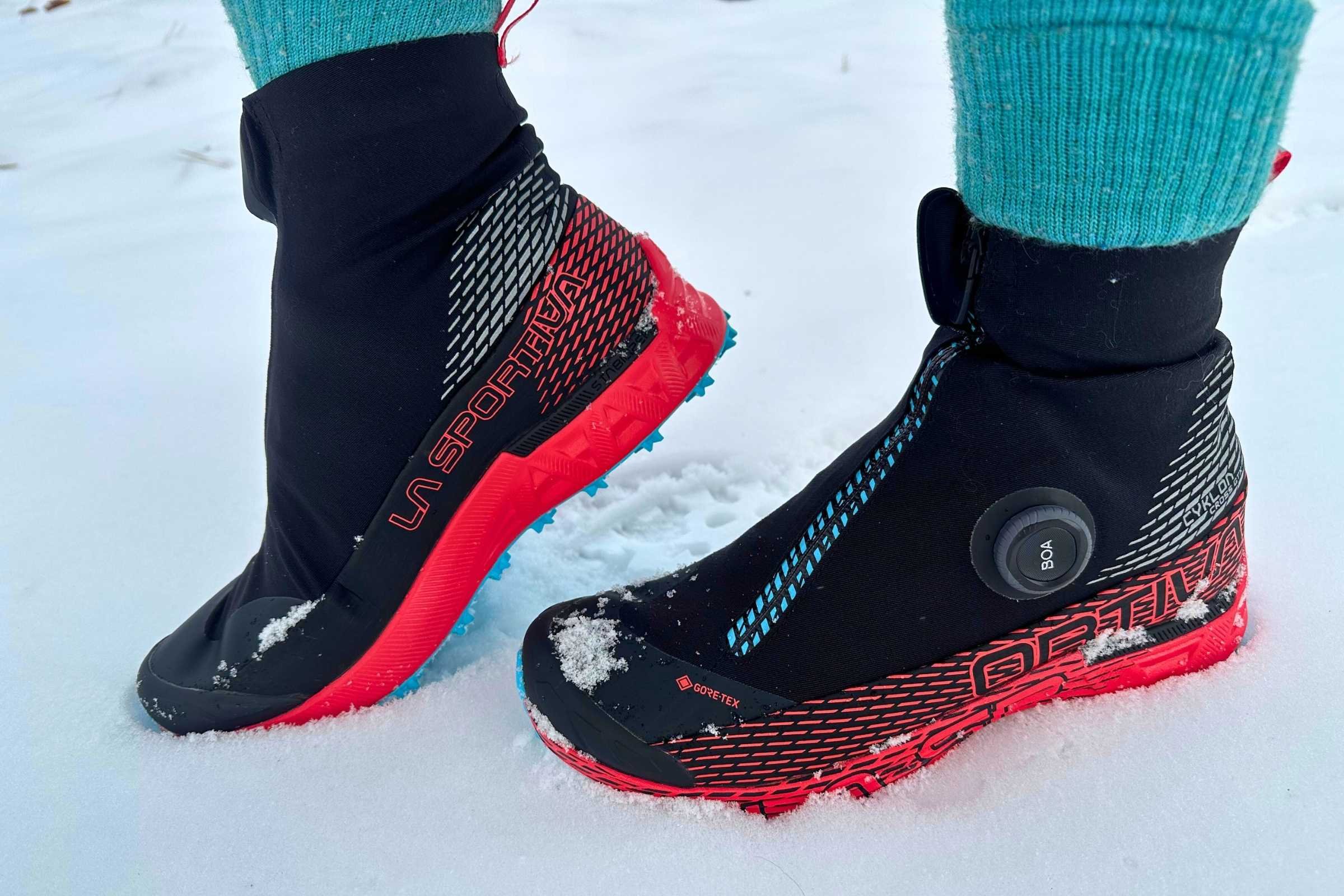
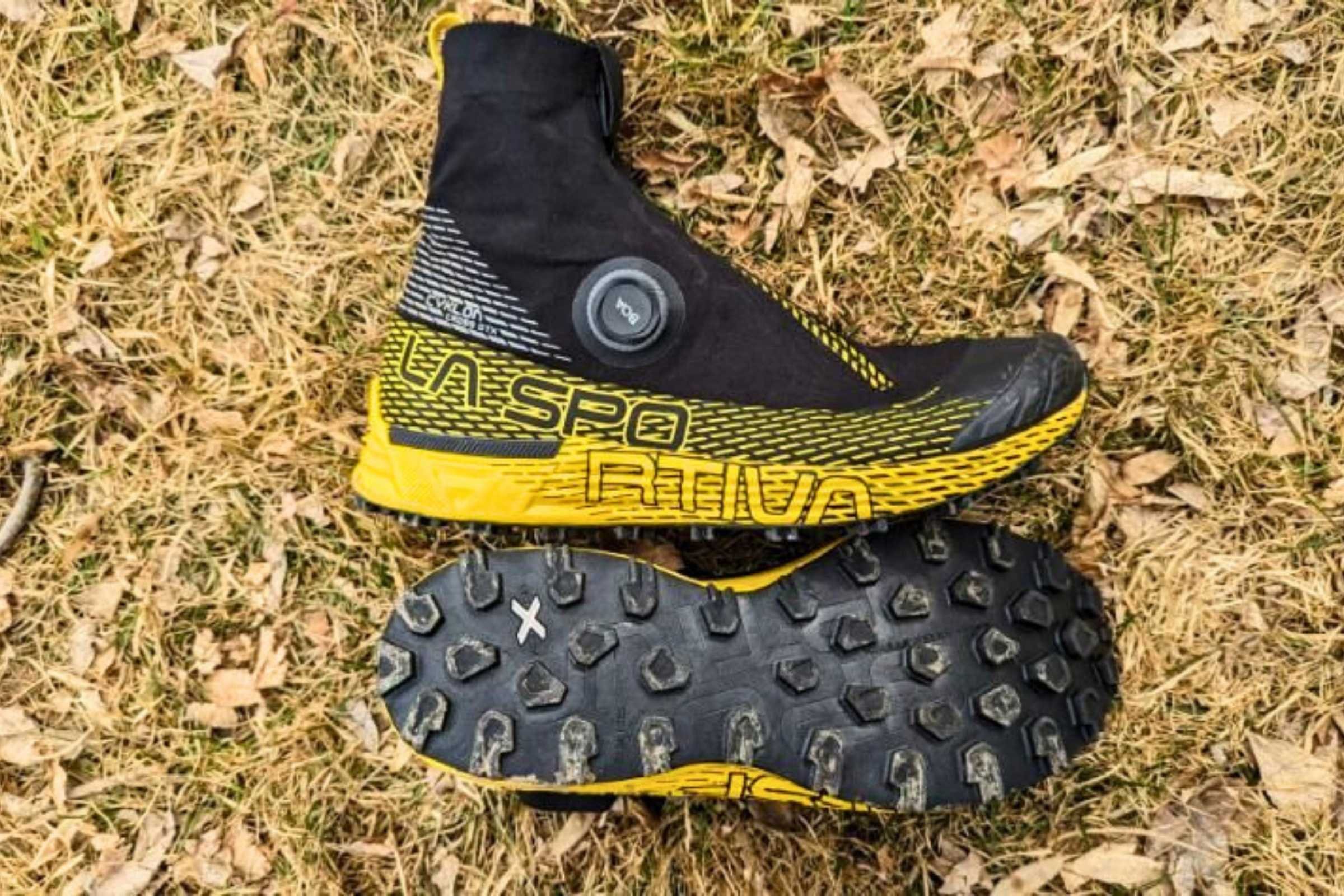
If you have ever tried to use add-on gaiters with standard waterproof trail running shoes, you know the struggle. They slip, the straps break, and eventually, snow finds a way in through the heel or the tongue. The Cyklon Cross GTX solves this entirely by making the gaiter a core part of the shoe’s DNA. This design effectively creates a barrier that extends well above the ankle, ensuring that even when you are post-holing through mid-calf drifts, your feet remain entirely dry.
Inside that outer shield, you will find a full GORE-TEX lining. This is the gold standard for moisture management and windproofing. During my high-altitude training sessions, I found that the wind-blocking capability was just as important as the waterproofing. When you are running on exposed ridges at 12,000 feet, the wind chill can penetrate standard meshes in seconds. The Cyklon Cross GTX acts like a hardshell jacket for your feet, trapping heat while allowing sweat vapor to escape through the membrane.
This is why we consider these the best trail running shoes with integrated waterproof gaiters currently on the market. The transition between the gaiter and the sole is seamless, meaning there are no weak points for water to seep in during long runs in winter trail running shoes for deep snow and mud. Whether you are splashing through half-frozen puddles or climbing through fresh powder, the debris protection is absolute.
Functionality in the Cold: BOA Lacing and Fit
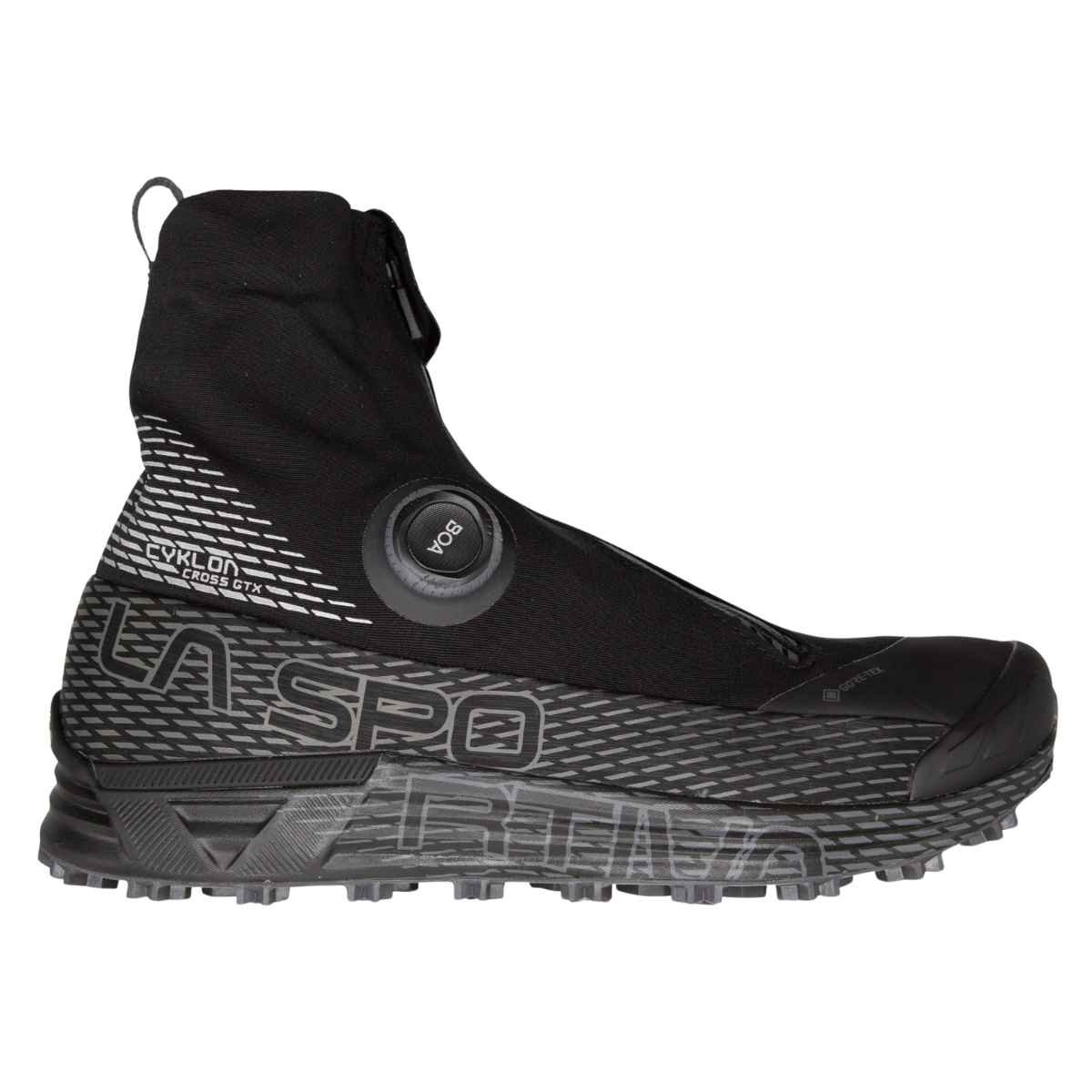
One of the biggest pain points of winter running is dealing with frozen laces. There is nothing worse than having to take off your mittens in 10-degree weather to fumble with a wet, icy knot because your shoe feels a bit loose. La Sportiva addressed this by mounting the BOA Fit System on the outside of the gaiter.
This placement is a stroke of genius. It allows for a micro-adjustable fit on the fly. I found that I could easily reach down and give the dial a few clicks to tighten the lockdown before a steep descent, all without exposing my skin to the elements. The system uses a high-strength cable that distributes pressure evenly across the top of the foot, avoiding the hot spots that can sometimes occur with traditional laces in cold weather.
Regarding the fit, mountain athletes should be aware that La Sportiva traditionally runs narrow. The Cyklon Cross GTX is no exception. It offers a very secure, "painted-on" feel which is perfect for technical stability, but I highly recommend sizing up by at least a half or even a full size if you plan on wearing thick wool socks. The TPU toe cap provides a solid bumper against hidden rocks and ice chunks, but it doesn't offer much stretch, so getting the sizing right from the start is crucial for running shoes with BOA lacing for cold weather trails.
Field Test Results: Traction and Stability
To truly put these to the test, I took them up several technical 14ers during the early winter season. The terrain was a mix of hard-packed snow, black ice, and deep drifts. The FriXion White rubber is La Sportiva's stickiest compound, and it performed admirably. While no rubber outsole can perfectly grip pure, smooth ice without metal help, the 7mm lugs on the Cyklon bite into soft snow and frozen turf better than almost anything else I’ve worn.
What makes these warm waterproof trail runners for sub-zero mountain running even more versatile is their compatibility with AT Grip spikes. If you know you are heading into a "glassy" environment where the trails are sheets of ice, you can screw these optional metal spikes directly into the lugs. This turns the shoe into a hybrid crampon that still allows for a natural running gait.
The stability during high-altitude training was another high point. The injection-molded EVA midsole isn't as plush as a maximalist shoe, but it offers a firm, responsive ride that keeps you connected to the trail. This firmness is actually a benefit in winter; very soft foams can become brittle or overly stiff in extremely cold temperatures, but this EVA compound remained consistent down to zero degrees. The high-cut design provides a sense of ankle stability that traditional low-top shoes lack, which is a massive confidence booster when you are navigating uneven, snow-covered rocks.
Comparison: Cyklon Cross GTX vs. The Competition
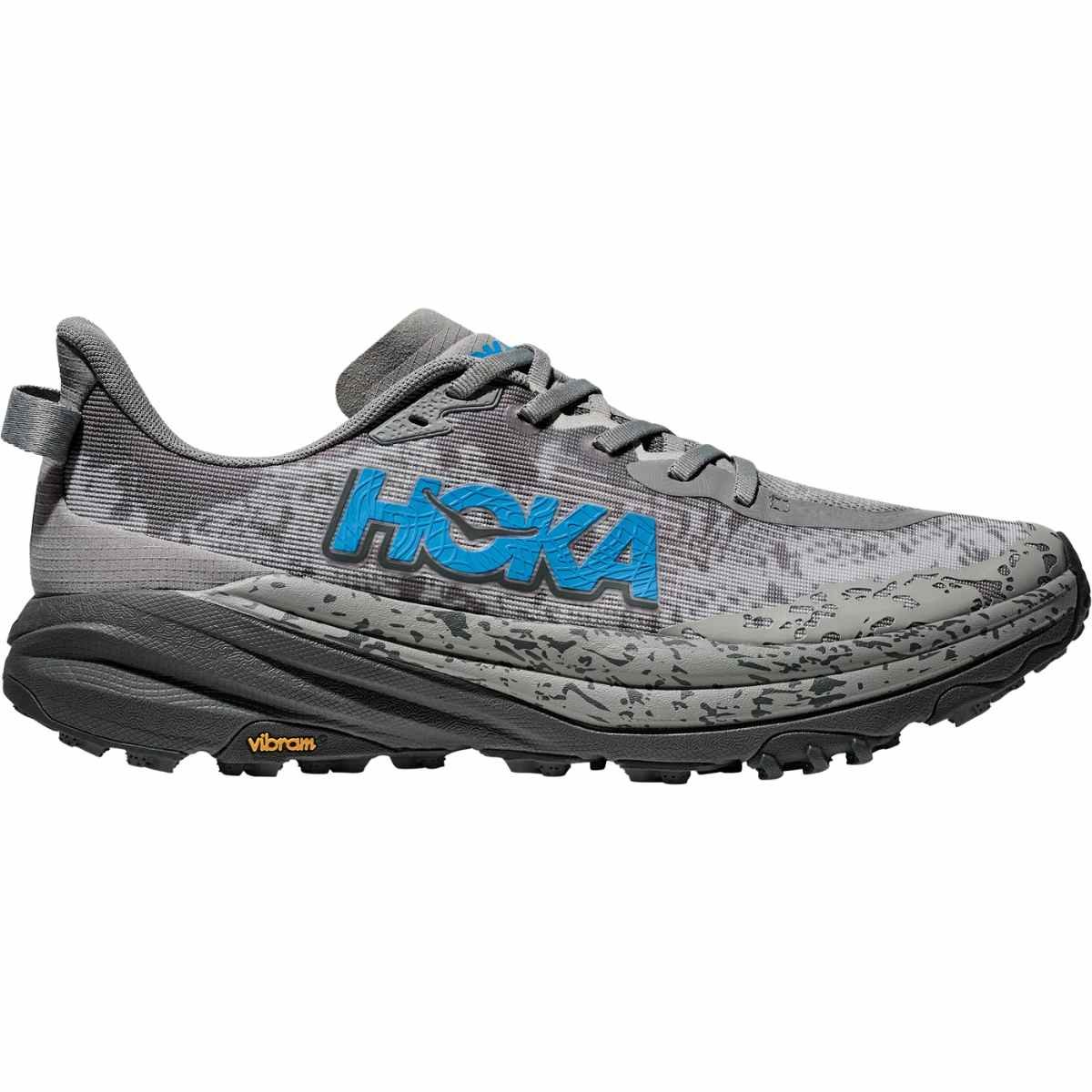
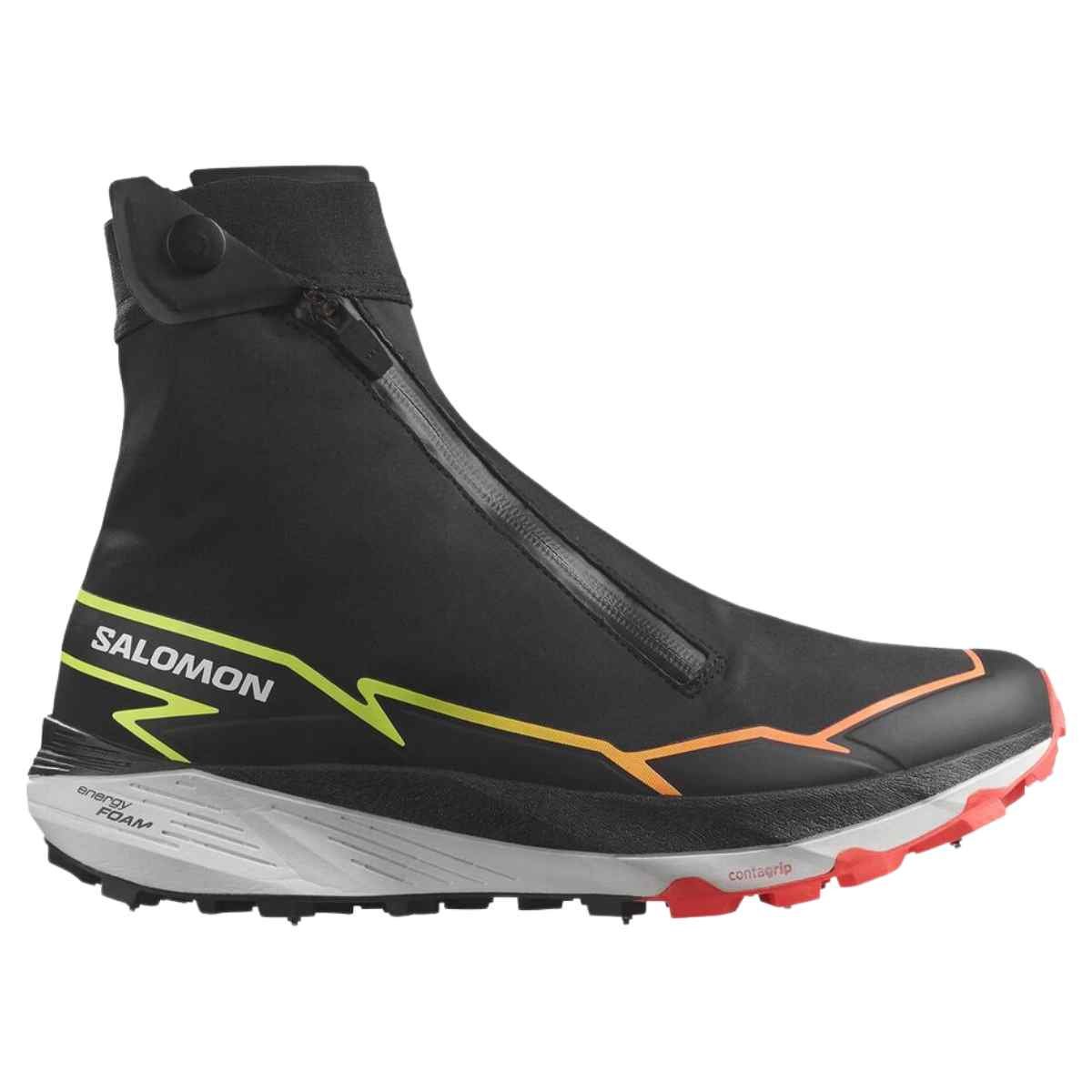
When looking for winter trail running shoes, most runners narrow their search down to three main contenders: the La Sportiva Cyklon Cross GTX, the Hoka Speedgoat Mid GTX, and the Salomon Winter Cross Spike.
The Hoka Speedgoat Mid offers significantly more cushioning, making it a better choice for long, slow miles on fire roads or less technical terrain. However, the Speedgoat lacks the high-top integrated gaiter found on the La Sportiva, meaning it is more prone to letting snow in over the top in deep drifts. It is a "comfort" shoe, whereas the Cyklon is a "technical instrument."
The Salomon Winter Cross is perhaps the closest rival, featuring its own gaiter and a very aggressive tread. However, I found the BOA system on the La Sportiva to be more user-friendly than Salomon's Quicklace system when hands are cold and covered in snow. Additionally, the FriXion White rubber on the La Sportiva felt slightly stickier on wet rock surfaces than the Salomon compound. For those seeking winter trail running shoes for deep snow and mud, the Cyklon Cross GTX provides the most comprehensive protection package for the serious mountain runner.
FAQ
Do you need special shoes for winter trail running?
While you can technically run in standard trail shoes with thick socks, specialized winter trail running shoes offer vital features like increased traction, windproofing, and water resistance. Regular shoes often have mesh uppers that allow freezing wind and melting snow to soak your feet almost instantly, which can lead to discomfort or even frostbite in extreme conditions.
What features should I look for in a winter trail shoe?
Look for a waterproof membrane like GORE-TEX to keep moisture out and an outsole with deep lugs (at least 5-7mm) for grip on snow. Other important features include thermal insulation to retain heat and some form of debris protection, such as an integrated gaiter, to prevent snow from entering the collar of the shoe.
Do I need gaiters for winter trail running?
If you are running in deep snow, gaiters are essential. They create a seal between your pants and your shoes to keep snow, slush, and ice out. Trail running shoes with gaiters built-in provide a more seamless and reliable barrier than separate, strap-on gaiters, which can often shift or come loose during high-intensity activity.
Should I choose trail shoes with a Gore-Tex membrane?
Yes, for most winter conditions, GORE-TEX trail running shoes are highly recommended. While they can run a bit warmer than non-waterproof shoes, the trade-off is superior protection against slush, puddles, and snow. In sub-zero temperatures, the membrane also acts as an effective wind shield to keep your feet from losing heat.
Are trail running shoes suitable for running on ice?
Standard rubber outsoles, even high-traction ones, have limits on smooth ice. For these conditions, you should look for shoes like the Cyklon Cross GTX that allow for the addition of metal spikes. This combination of rubber and metal provides the necessary bite to safely navigate frozen lakes or iced-over mountain passes.
The Final Verdict
Coming in at $270, this shoe is a significant investment for any runner. However, as Alex Morgan (General Content Editor), I've seen countless athletes cut their seasons short because they didn't have the right gear for the elements. If you live in a region where winter means deep snow and technical mountain conditions, the Cyklon Cross GTX is not just a shoe—it is a piece of safety equipment.
The combination of the BOA Fit System, the FriXion White sole, and the total coverage of the GORE-TEX gaiter makes this the most capable winter running shoe we have ever tested for the vertical world. It keeps you dry, it keeps you upright, and most importantly, it keeps you moving through the mountains all year long.