Quick Facts
- Primary Categories: Foam (pads/taco-style) and tent-style (collapsible frames).
- Weight Range: Foam sit pads weigh 2-3 ounces; tent-style chairs range from 1 to 2 pounds.
- Pricing: Foam options typically cost under $30, while tent-style models vary from $70 to over $200.
- Durability: Foam is virtually indestructible and doubles as a sleeping pad extension.
- Comfort Level: Tent-style chairs offer superior back support, lumbar posture, and elevation from the ground.
- Ideal Target: Foam for thru-hikers and minimalist ounce-counters; tent-style for those prioritizing recovery and joint health.
Choosing between backpacking chair types is a balance of weight and comfort. Whether you prefer indestructible closed-cell foam or elevated tent-style frames, understanding the 2-pound threshold is key to keeping your pack manageable. Most backpacking chair types fall into two primary categories: foam and tent-style. Foam options include minimalist sit pads or L-shaped taco-style seats that rest directly on the ground, offering insulation and durability with zero setup. Tent-style chairs use shock-corded aluminum poles to suspend a fabric seat, providing superior comfort and back support by elevating the hiker several inches off the terrain.
| Feature | Foam / Taco-Style | Tent-Style (Framed) |
|---|---|---|
| Weight | 2 oz – 15 oz | 15 oz – 32 oz |
| Setup Time | Instant | 30–60 seconds |
| Comfort | Basic / Ground-level | High / Elevated |
| Durability | Extremely High | Moderate (Mechanical parts) |
| Packed Size | Bulky (often strapped outside) | Compact (often fits in side pocket) |
| Price | $15 – $60 | $70 – $220 |
The Science of Seated Recovery: Why Carry the Weight?
For years, a chair was considered a luxury item that only "soft" hikers carried. However, as gear technology has advanced, the narrative has shifted toward the science of seated recovery. When you finish a 15-mile day with 3,000 feet of elevation gain, your body is in a state of high fatigue. Sitting on a log or a root might feel like a relief, but notice how you still have to engage your core and stabilizer muscles to stay upright. A dedicated chair allows these muscles to fully disengage, promoting better blood flow and faster recovery for the following day.
The biomechanical benefits are supplemented by the thermal barrier a chair provides. Conductive heat loss is a real threat when sitting on damp or cold earth. Even in summer, the ground acts as a massive heat sink, pulling warmth directly from your glutes and lower back. By using an ultralight camp seating guide to select a chair, you ensure you are protected from this energy drain. Whether it is a foam pad or an elevated seat, staying off the dirt helps maintain your core temperature, making your dinner and evening chores much more pleasant.
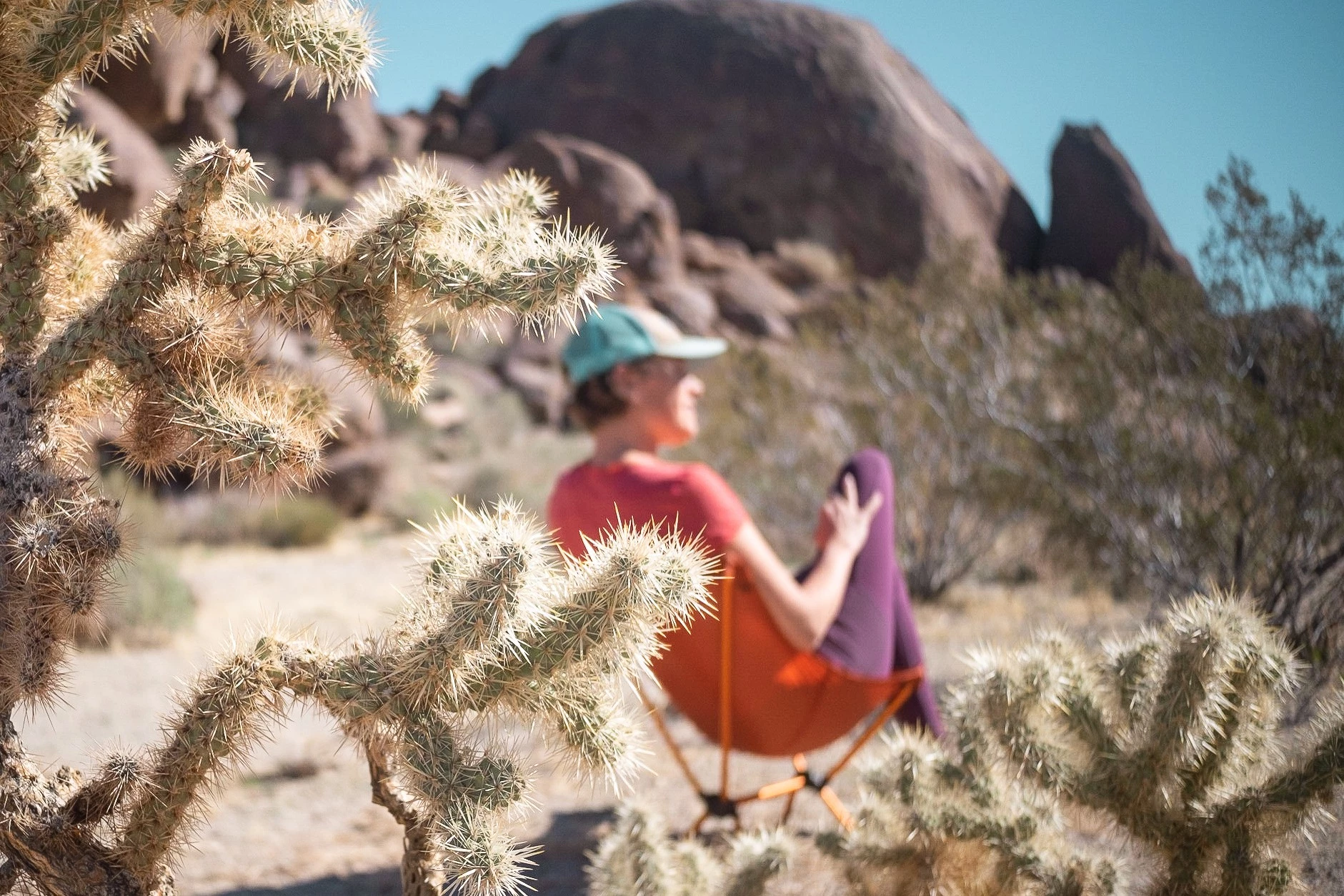
Category 1: Foam and Taco-Style Chairs
When we look at the simplest backpacking chair types, closed-cell foam is the undisputed king of durability. These items generally fall into two sub-categories: the simple sit pad and the taco-style chair. The sit pad is a small rectangle of foam, often accordion-folded, that provides basic ground insulation and a dry place to sit. It is the ultimate tool for the thru-hiking gear specialist because it cannot fail; there are no poles to snap and no fabric to tear.
The taco-style foam chair takes this a step further by using a sleeve and webbing system to fold a foam pad into an L-shape. This provides a small amount of back support by using your own body weight to create tension. These are often referred to as indestructible closed cell foam chairs for rough terrain because you can throw them onto sharp granite, jagged shale, or cactus-filled ground without a second thought. Many hikers find that ultralight sit pads vs taco style foam chairs is a debate of weight; while a sit pad is a mere 2 or 3 ounces, a taco-style chair can weigh closer to 10-15 ounces depending on the frame sheets used.
One of the greatest hidden benefits of foam seating is its multi-use potential. A foam sit pad can be tucked under your feet at night to provide extra insulation if you use a short sleeping pad. It can also serve as a clean "doormat" for your tent entry or a hearth for your stove. While it lacks the lumbar posture benefits of a framed chair, the zero-setup nature makes it the best choice for quick breaks where you don't want to spend time assembling gear.
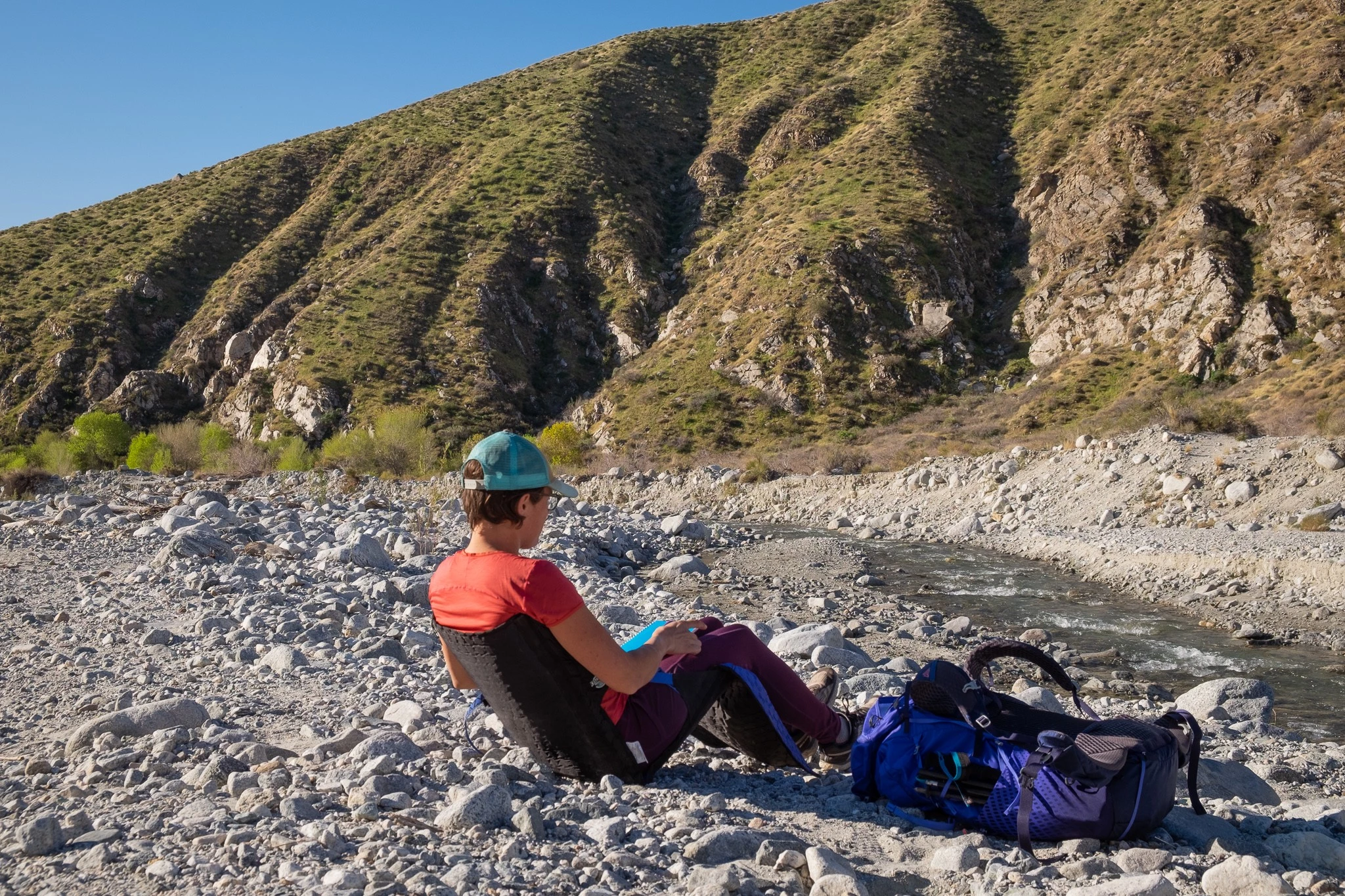
Category 2: Tent-Style and Framed Chairs
If your priority is pure relaxation, the foam vs tent style backpacking chairs comparison usually ends with the tent-style model winning on comfort. These chairs utilize a shock-corded assembly that mirrors the design of modern tents. A series of high-strength aluminum poles snap into a central hub, and a ripstop nylon seat is stretched over the frame. This design offers significant ground clearance, which is a lifesaver for hikers with knee or back issues. Transitioning from a standing position to a chair that is 10 to 15 inches off the ground is significantly easier than squatting all the way to a foam pad.
The engineering behind these chairs is impressive. Most reputable brands use DAC aluminum alloys, the same premium material found in high-end tent poles. This allows manufacturers to create seats that can handle a static load rating of up to 265 pounds despite weighing very little. In fact, tent-style backpacking chairs commonly utilize high-strength aluminum frames to support weight capacities of up to 265 pounds while maintaining a packed weight as low as 1 pound.
The main tradeoff here is the hub-and-pole system. While sophisticated, it introduces potential failure points. Dirt can get into the pole joints, or the central hub can crack if used on extremely uneven ground where one leg takes the brunt of the weight. However, for most maintained trails and campsites, the ergonomic benefit of sitting upright with actual back support makes the weight penalty worth it. When comparing setup ease of bungeed tent style chairs, most users find that after two or three tries, they can have their seat ready in under a minute—roughly the same time it takes to boil a pot of water.
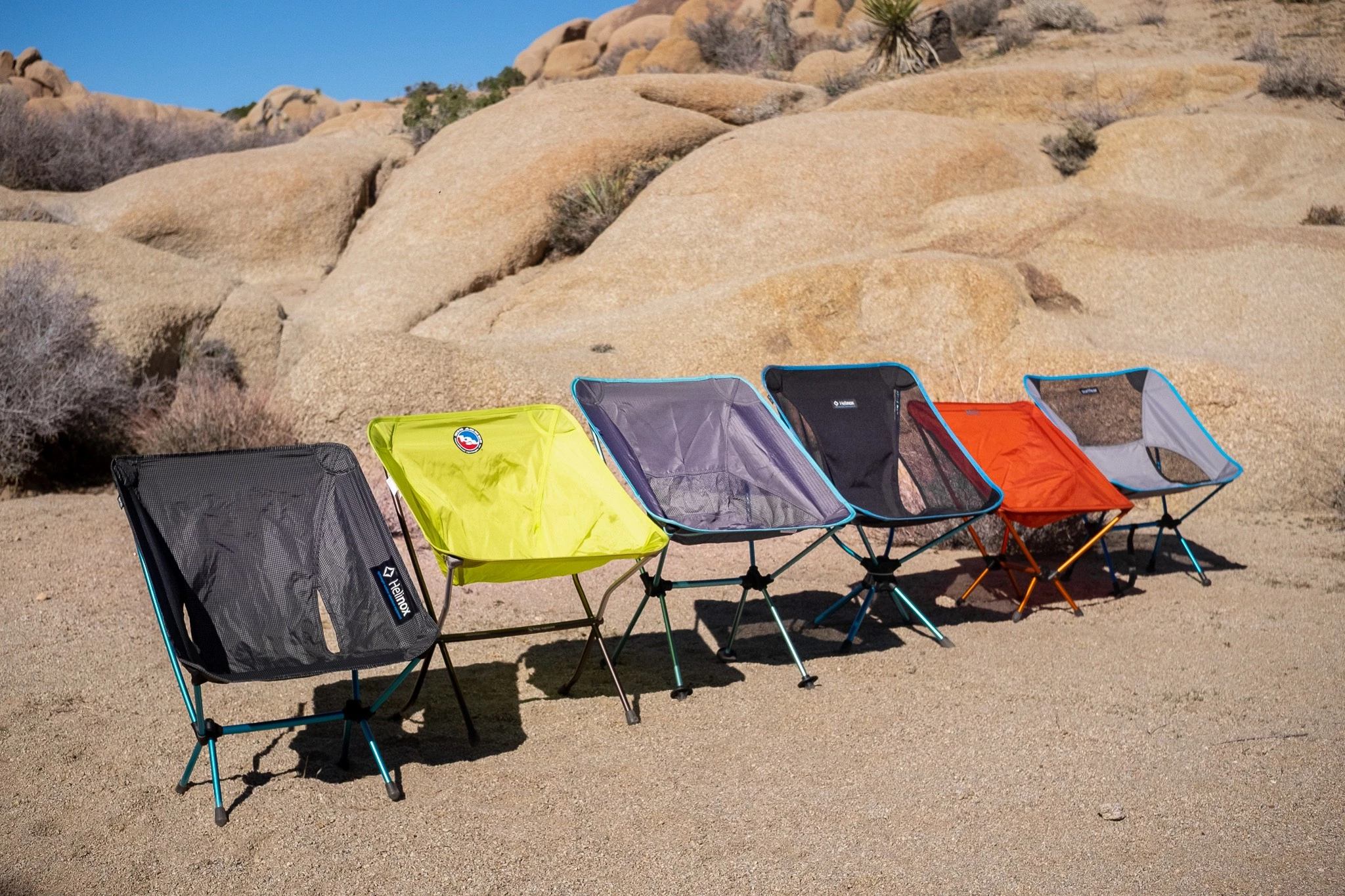
Comparison: Weight, Packed Volume, and Stability
When you are deep into a lightweight camping chair comparison, two factors dominate the conversation: trail weight and packed volume. A chair is only useful if it actually makes it into your pack. For volume, the industry standard has become the Nalgene bottle benchmark. Most high-end framed chairs fold down into a cylinder roughly the size of a 1L water bottle. This compact foldability allows them to slide into side pockets or even inside the main compartment without causing a "bulge" in your pack layout.
Foam chairs, conversely, are often bulky. A folded taco-style chair might take up as much space as a small bear canister, forcing many hikers to strap them to the outside of their packs. While this provides quick access, it can catch on branches if you are bushwhacking or navigating tight trails.
Stability is the final frontier of the debate. Foam seats are inherently stable because they are on the ground. Framed chairs, however, struggle on soft surfaces. If you are using elevated tent style chairs for wet ground camping, the narrow feet can sink deep into the mud or sand, leaving you tilted at an awkward angle. Many manufacturers now offer "ground sheets" or "ball feet" to combat this, though these accessories add a few more ounces to your total kit.
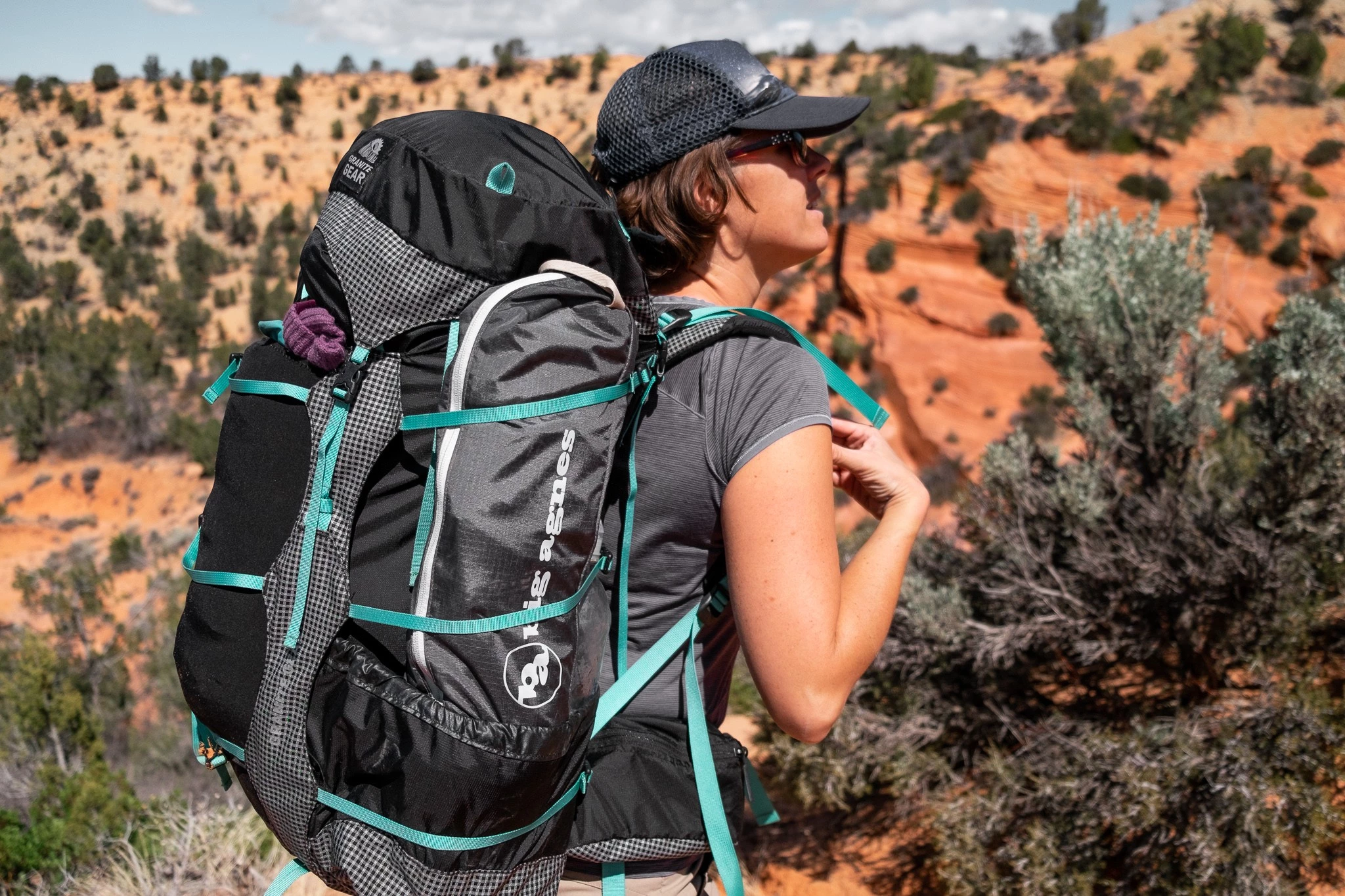
Buyer’s Checklist: Choosing Your Ideal Seat
Navigating through the various backpacking seating options under two pounds requires a clear understanding of your personal hiking style. Are you someone who hammers out 20 miles and collapses into their quilt, or do you enjoy a two-hour sunset session by the alpine lake?
- Weight Threshold: If you are a strict gram-counter, limit yourself to seating under 5 ounces, which points you toward simple foam pads. If comfort is a primary goal, look for the 1-pound framed models.
- Seat Height: Measure from your back of the knee to the floor. If you have mobility issues, look for a chair with a seat height of at least 10 inches to avoid joint strain.
- Terrain Compatibility: If you hike in the desert or on sharp volcanic rock, foam is better. If you hike in forests with flat, needle-covered clearings, a framed chair will shine.
- Packed Weight vs. Trail Weight: Remember that the manufacturer's "trail weight" usually excludes the carry bag. Check the total weight to ensure it doesn't push your pack over your comfort limit.
- Environment: For winter camping, foam is non-negotiable for its thermal barrier properties, even if you bring a framed chair for comfort.

Ultimately, the choice comes down to how much you value the ritual of sitting. For many, a chair is the boundary between "surviving" a hike and "enjoying" a hike. Closed-cell foam sit pads typically weigh between 2 and 3 ounces and cost under $30, while tent-style backpacking chairs with collapsible frames generally weigh between 1 and 2 pounds and range in price from $70 to over $200. Whether you choose the minimalist path or the luxury of a frame, having a dedicated spot to rest your weary bones is a game-changer for any multi-day trek.

FAQ
What are the different types of backpacking chairs?
Backpacking chairs are generally categorized into three main types: foam sit pads, taco-style sleeve chairs, and tent-style framed chairs. Foam pads are flat or accordion-folded pieces of foam. Taco-style chairs use a fabric sleeve to hold a sleeping pad in a seated position. Tent-style chairs utilize a collapsible aluminum frame and a fabric seat to elevate the user off the ground.
Which type of backpacking chair is the lightest?
The lightest option is always a simple closed-cell foam sit pad, which typically weighs between 2 and 5 ounces. If you require back support, some minimalist taco-style chairs weigh around 10-12 ounces, and the lightest framed chairs start at approximately 1 pound.
Are ultralight backpacking chairs worth the weight?
For most hikers, the answer depends on their recovery needs. Carrying an extra pound for a chair can reduce muscle stiffness and improve sleep quality by allowing the body to rest more effectively at camp. However, for high-mileage thru-hikers where every ounce is felt over thousands of miles, the weight may not be justified.
How much weight can most backpacking chairs support?
Most high-quality tent-style chairs are rated to support between 250 and 265 pounds. Some heavy-duty models can support up to 300 pounds or more, but these usually come with a total weight penalty, often exceeding 2 pounds. Foam chairs do not have a weight limit as they rest directly on the ground.
Are inflatable backpacking chairs more comfortable than foam ones?
Inflatable chairs generally provide better cushioning than foam and are much more compact when deflated. However, they lack the structural back support of framed chairs and are susceptible to punctures. While more comfortable than a simple foam pad, they do not offer the same lumbar support and seat height as tent-style models.