Quick Facts
- Distance: 38.5 miles (62 kilometers)
- Total Elevation: between 8,000 and 9,600 feet of cumulative elevation gain and loss
- Duration: 3 to 5 days
- Difficulty: Challenging, with steep, unshaded ridgeline climbs
- Best Season: Winter (November through March)
- Permits: Required (free with campsite bookings)
- Primary Gateway: Avalon or Two Harbors via ferry
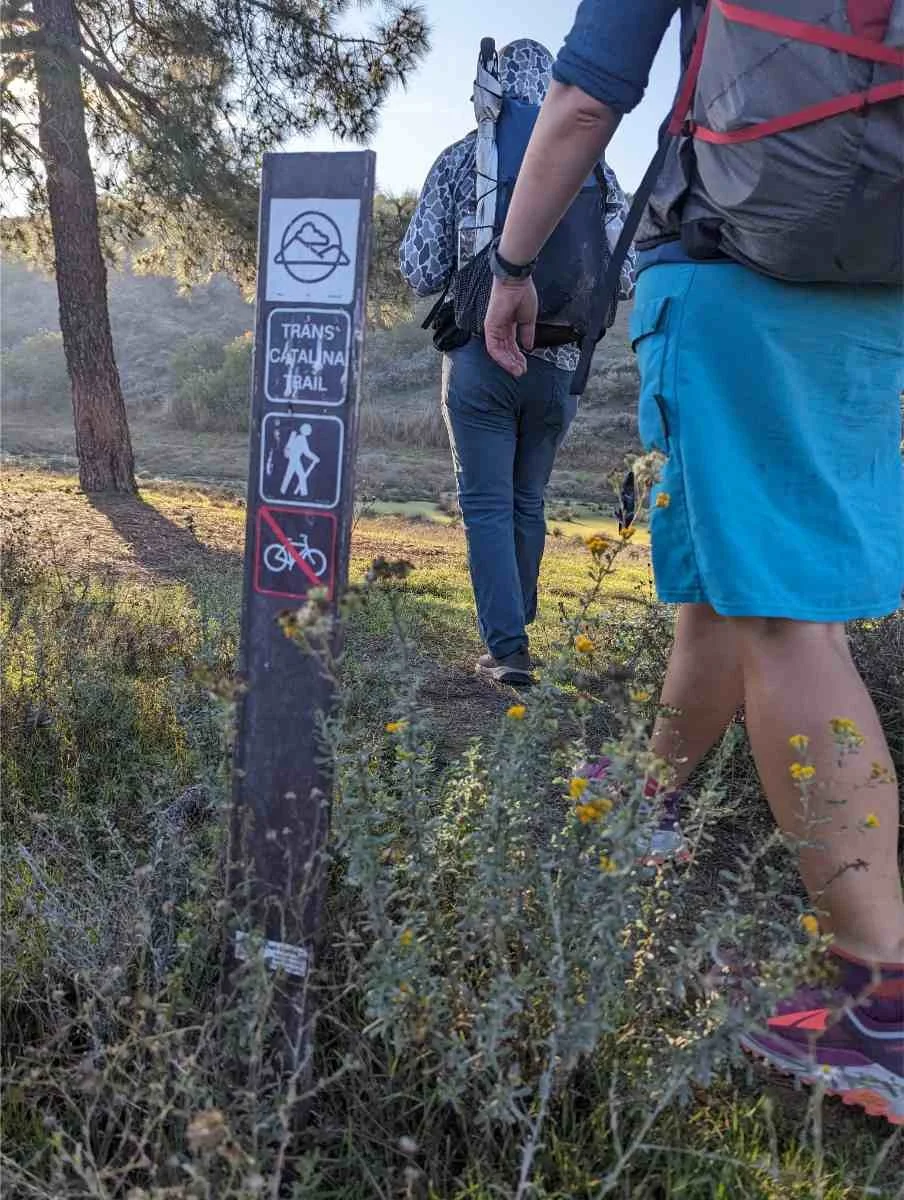
The Trans Catalina Trail is Southern California's premier thru-hike, offering 38.5 miles of rugged coastal ridge hiking. While summer brings intense heat and limited shade, hiking the Trans Catalina Trail in winter reveals a lush green landscape and comfortable temperatures for trekking, making it the ideal off-season adventure for backpackers.
Why Winter is the Best Time to Hike the TCT
For most thru-hikers in North America, winter signifies a time to hang up the boots as the Sierras and Rockies become locked under several feet of snow. However, Santa Catalina Island operates on a different rhythm. This island features a Mediterranean climate that truly shines when the mainland cools down. During the winter months, the island experiences average daytime high temperatures between 65 and 70 degrees Fahrenheit and maintains an annual snowfall of 0.00 inches.
Beyond the technical accessibility, there is an aesthetic transformation that occurs after the first rain. The hillsides, which remain a dry golden brown for much of the year, erupt into a vibrant, velvety green. Locals often refer to this season as the Ireland of the Pacific. Hiking during this window also means the island averages 278 days of sunshine per year, providing a warm, snow-free alternative for thru-hiking from November through March. You will find fewer crowds at the typically packed campsites and far more flexibility when trying to secure your itinerary.
Essential Logistics: Permits, Ferries, and Campsites
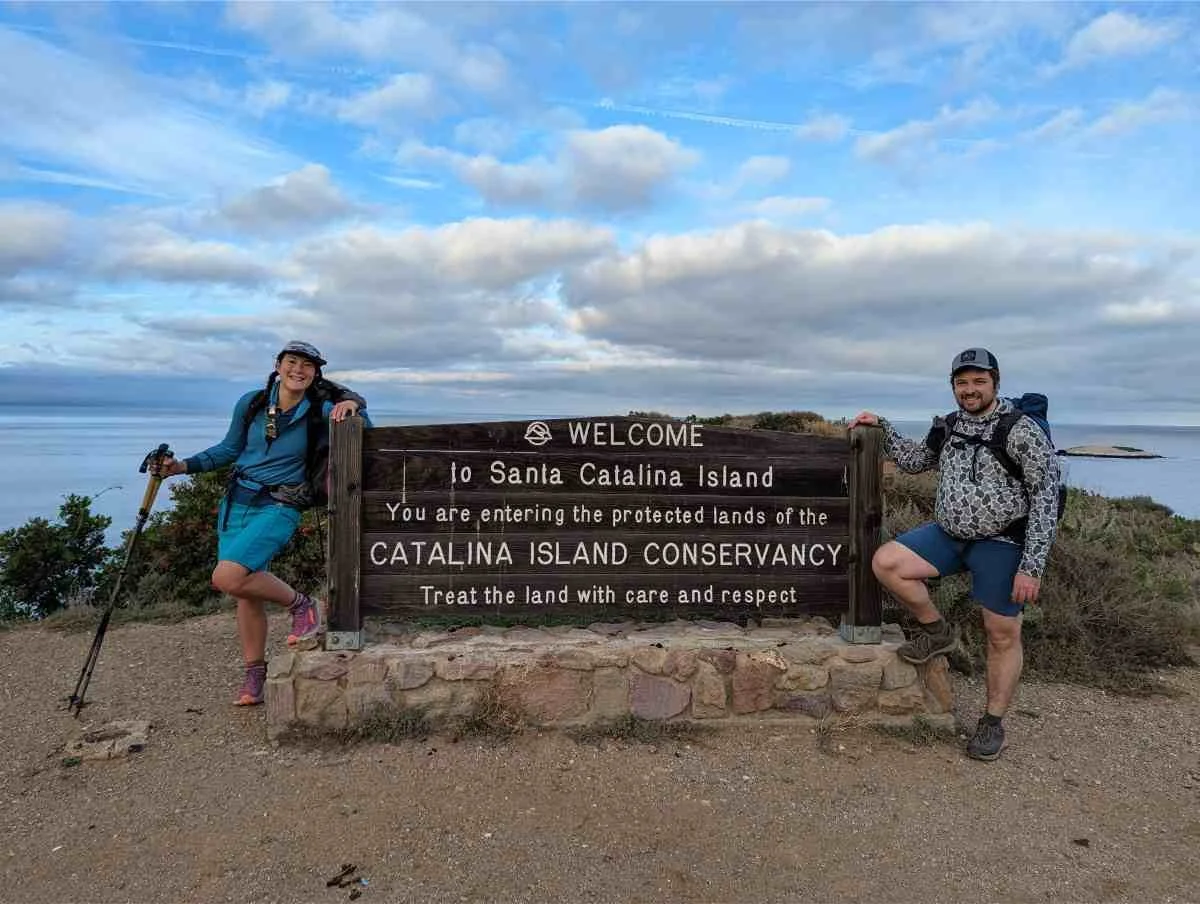
Planning a trek across Santa Catalina Island requires some logistical gymnastics, primarily because dispersed camping is strictly prohibited to protect the delicate ecosystem managed by the Catalina Island Conservancy. To legally hike the trail, you must secure Trans Catalina Trail permits. While the permit itself is technically free, it is automatically issued only when you book your Trans Catalina Trail campsites.
Booking Your Campsites
Reservations traditionally open in early January for the entire calendar year. Because this is a linear trek, you must book each site individually. A known hurdle is the two-night minimum stay requirement for weekend bookings at certain sites.
Pro-Tip: If you are a thru-hiker only staying one night at each location, call the Catalina Island Conservancy directly at 310-510-4205. Their staff can often manually override the two-night minimum for hikers moving through the TCT itinerary.
Getting to the Island
You will need to book a ferry from the mainland. The most common ports are Long Beach, San Pedro, and Dana Point, serviced primarily by the Catalina Express. For most hikers, the best strategy is to take a ferry into Avalon and depart from Two Harbors at the end of the trip.
| Category | Eastbound (Avalon to Two Harbors) | Westbound (Two Harbors to Avalon) |
|---|---|---|
| Popularity | Most common, follows traditional route. | Less common, finishes with more amenities. |
| Difficulty | Front-loads the steepest climbs. | More gradual start, steep descent into Avalon. |
| Resupply | Good options at Airport in the Sky. | Minimal resupply until the end. |
The Traditional 4-Day Winter Itinerary
A standard 38.5-mile trek is best enjoyed over four days. This allows for a moderate pace that leaves time to enjoy the views of the Pacific Ocean from the ridgelines.
Day 1: Avalon to Black Jack (10.7 Miles)
After arriving at the Avalon ferry terminal, head through town to the trailhead. This day is a wakeup call for your legs, involving significant climbing.
- Campground: Black Jack
- Facilities: Potable water, pit toilets, Fox-proof food storage lockers.
Day 2: Black Jack to Little Harbor (8.2 Miles)
This is many hikers' favorite day. You will pass by the Airport in the Sky, which sits at 1,602 feet elevation. This is a crucial resupply point where you can grab a hot meal.
- Refuel: Try the famous Bison Burger at the airport restaurant.
- Campground: Little Harbor (often voted one of the best campsites in the West).
- Facilities: Potable water (usually), chemical toilets, showers (cold), lockers.
Day 3: Little Harbor to Parsons Landing (10.8 to 12 Miles)
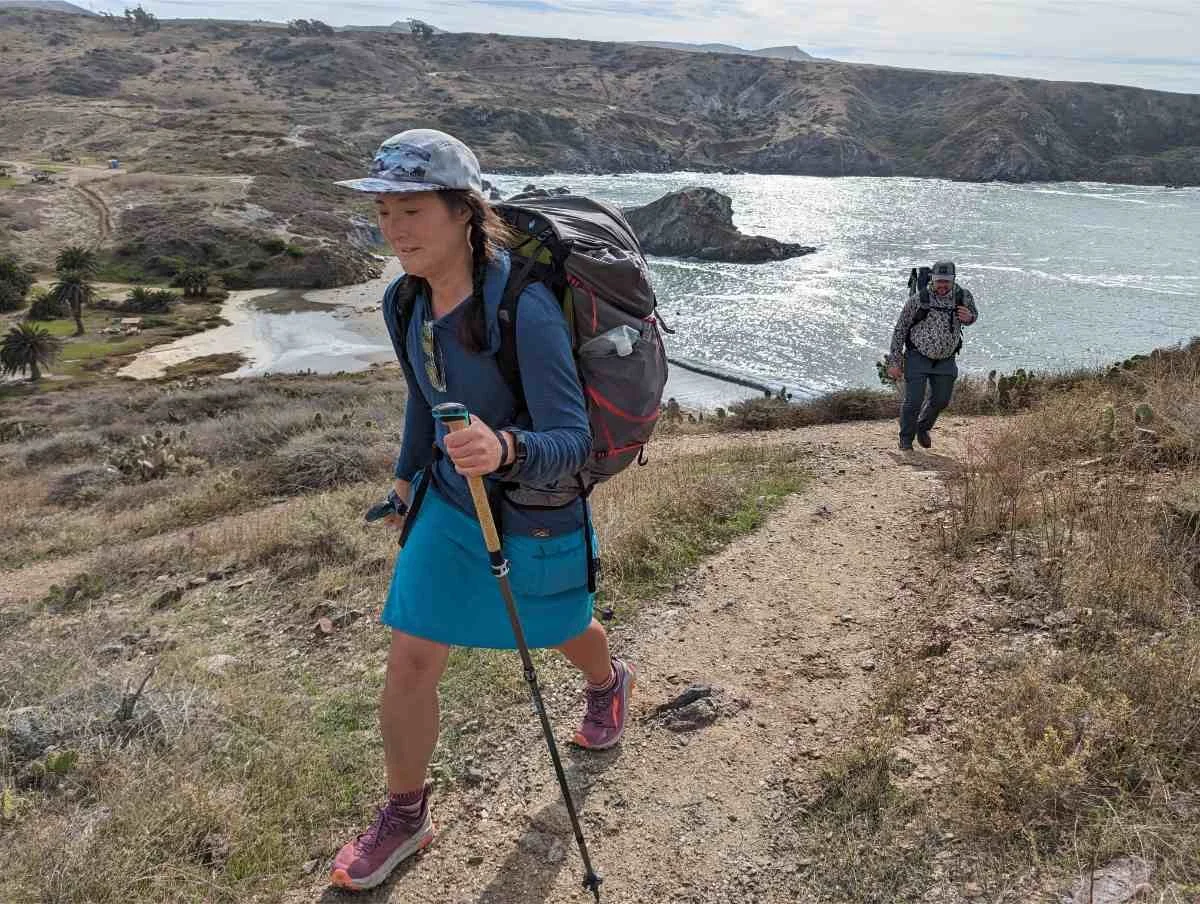
You will climb out of Little Harbor and trend toward the Isthmus of Catalina, eventually dropping into Two Harbors. From there, you have a choice: the flat West End Road or the strenuous Silver Peak trail. In winter, the Silver Peak route offers staggering views without the threat of heat stroke.
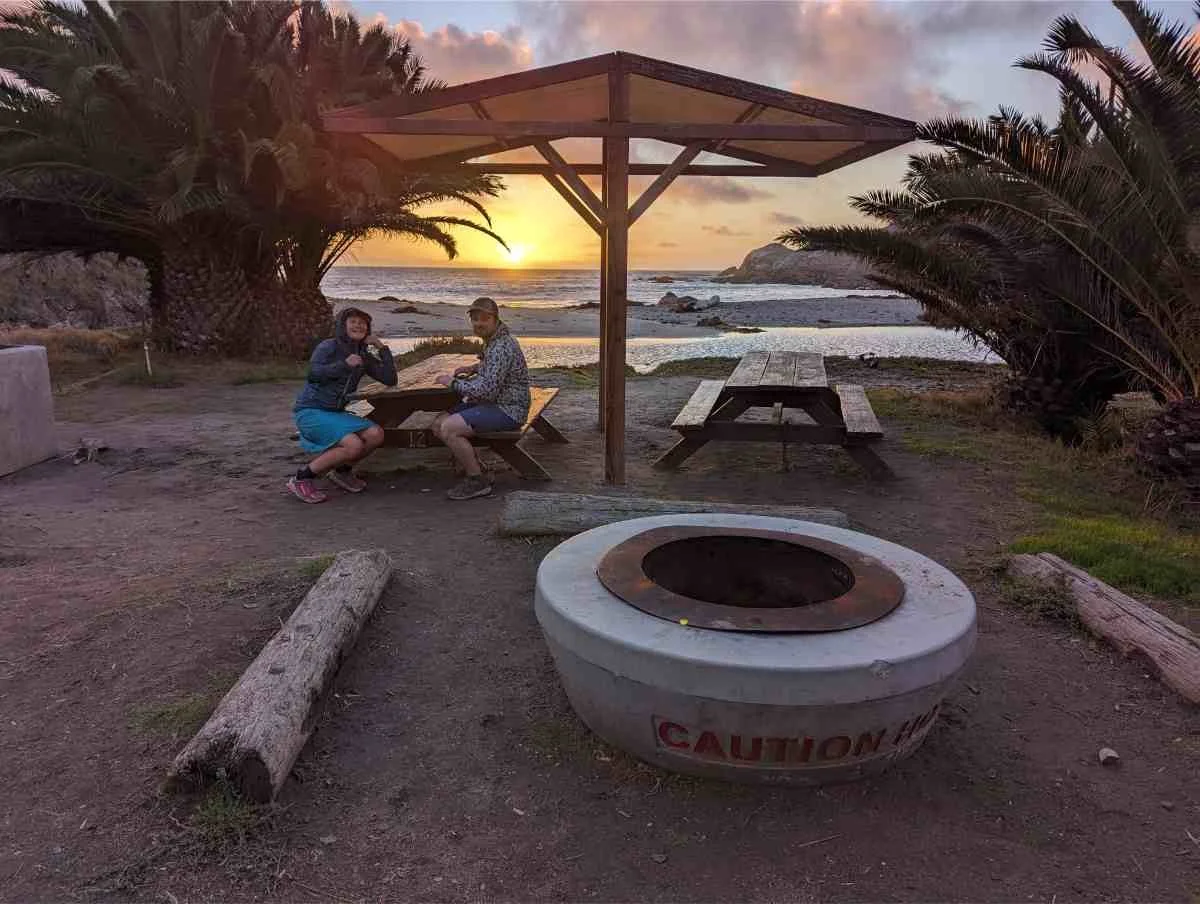
- Campground: Parsons Landing (Primitive beach camping).
- Facilities: No running water. Requires a pre-paid water/wood locker.
Day 4: Parsons Landing to Two Harbors (7.7 Miles)
The final stretch is a relatively easy walk along the coastline back to Two Harbors. This gives you time to grab a celebratory drink at Harbor Sands before catching your return ferry.
Solving the Parsons Landing Water Puzzle
The journey to Parsons Landing is the most remote section of the Trans Catalina Island experience. Because there is no potable water at this site, you must utilize the locker system. When you book your campsite, you should also purchase a locker key (approximately $25).
This fee provides you with a locker containing two gallons of water and a bundle of firewood. This is vital because you cannot gather wood on the island. You must pick up your locker key at the Two Harbors Visitor Center before you hike out to the site. If you forget this step, you will be faced with a very long return walk or a very thirsty night on the beach. Follow the parson's landing water cache instructions carefully to ensure your final night is comfortable.
Wildlife and Safety on the Island
While Southern California trekking usually involves concerns about rattlesnakes or black bears, Santa Catalina Island presents a unique set of fauna.
The American Bison
A resident herd of American bison has lived on the island since a movie crew left them behind in the 1920s. While they appear docile, they are wild animals that can weigh up to 2,000 pounds. Always maintain a distance of at least 100 feet. If a bison is on the trail, wait for it to move or hike in a wide arc around it.
The Island Fox
The endemic Island Fox is about the size of a domestic cat and is incredibly curious. They have learned that backpackers carry snacks. It is mandatory to use the Fox-proof food storage lockers provided at every campsite. Even a small wrapper left in a tent pocket can lead to a hole chewed through your expensive gear.
Sun and Hydration
Even in winter, the island’s ridges are almost entirely exposed. The lack of shade is one of the primary beginner tips for thru hiking catalina island: wear a sun hat and carry more water than you think you need. Natural water sources are essentially non-existent, so you are entirely dependent on the taps at the established campsites and the water locker at Parsons Landing.
FAQ
Do you need a permit to hike the Trans Catalina Trail?
Yes, a permit is required for any hiking outside of the city limits of Avalon. However, for thru-hikers, the permit is complimentary and automatically included when you reserve your campsites through the Catalina Island Conservancy website. You should carry a digital or printed copy of your itinerary as proof of your permit while on the trail.
How difficult is the Trans Catalina Trail for beginners?
The TCT is considered challenging because of its terrain rather than its length. The trail consists of many steep, "straight up and straight down" sections along the ridgelines without switchbacks. While the total distance is manageable, the 8,000 and 9,600 feet of elevation change requires a good level of physical fitness and appropriate footwear.
Is water readily available on the Trans Catalina Trail?
Water is available only at the designated campgrounds (Black Jack, Little Harbor, and Two Harbors) and the Airport in the Sky. There are no reliable natural streams or springs along the trail. All hikers must carry at least 3 liters of water and plan to refill at every available opportunity.
Are there places to buy food along the Trans Catalina Trail?
Yes, there are a few key locations. You can purchase a full meal and supplies in Avalon at the start. On Day 2, the Airport in the Sky offers a full-service restaurant. Finally, Two Harbors has a general store and a restaurant where you can resupply or eat before and after the final leg to Parsons Landing.
What is the best month to hike the Trans Catalina Trail?
While the trail is open year-round, the best time of year to hike trans catalina trail is between November and March. These months offer the most manageable temperatures, a lower risk of heat exhaustion, and the unique opportunity to see the island's hills covered in vibrant green grass.