Quick Facts
- Peak Season: Mid-September to Late October
- High Elevation Windows: Trails above 9,000 feet peak first in late September
- Top Easy Hike: Convict Lake Loop
- Best Photography: Mammoth Rock Trail and Convict Lake
- Must-Pack: The 10 Essentials and layers for 40-degree temperature swings
- Midweek Advantage: Significantly fewer crowds at popular trailheads and photography spots
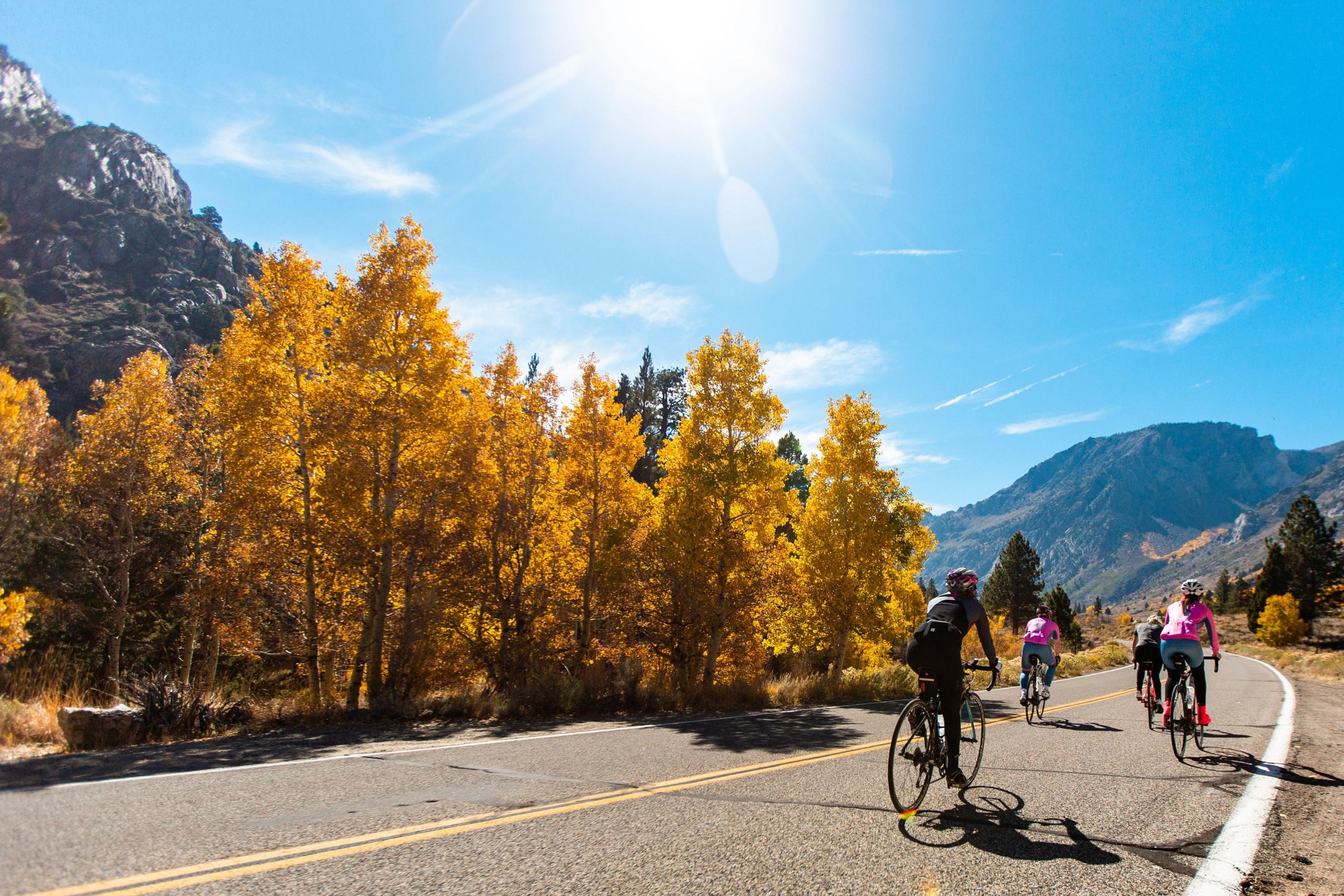
Peak fall color in Mammoth Lakes typically occurs between mid-September and late October, starting at high-altitude spots like Rock Creek and moving down to canyons like Convict Lake as the season progresses. This vertical transition allows for a prolonged leaf peeping season that rewards those who track the elevation shifts carefully.
Whether you are seeking a light stroll through golden groves or a challenging trek into the High Sierra wilderness, the network of Mammoth Lakes fall hikes offers something for every level of adventurer. The peak fall foliage season in the Mammoth Lakes region typically occurs from mid-September through mid-October, providing a narrow but spectacular window to witness the quaking aspens at their most vibrant.
Lundy Canyon & Rock Creek (The Early Peakers)
| Feature | Details |
|---|---|
| Distance | 4 - 6 miles (variable) |
| Difficulty | Moderate |
| Peak Window | Mid-September to Early October |
| Elevation | 9,500' - 10,200' |
When the first hint of autumn crispness hits the air in early September, seasoned hikers head straight for the high country. These early season high elevation hikes Mammoth Lakes are the first to ignite because the cooling soil temperature at these heights triggers the quaking aspens to begin their seasonal transformation long before the canyon floors.
Rock Creek Canyon is a high-altitude marvel where the trailhead itself sits near 10,000 feet. The trail wanders through a classic riparian zone where the creek is lined with dense willows and aspens. You will notice the contrast between the yellow leaves and the stubborn evergreen pines. Further north, Lundy Canyon provides a dramatic backdrop of towering granite walls and cascading waterfalls. Here, the aspen groves are particularly dense, creating a tunnel of gold that leads toward the higher alpine meadows. High-elevation hiking areas and aspen groves above 8,000 feet in Mammoth Lakes often begin displaying significant yellow and orange hues as early as mid-to-late September.
Heart Lake: The Gold Corridor
| Feature | Details |
|---|---|
| Distance | 2.2 miles roundtrip |
| Difficulty | Easy - Moderate |
| Peak Window | Late September to Early October |
| Elevation | 9,000' - 9,600' |
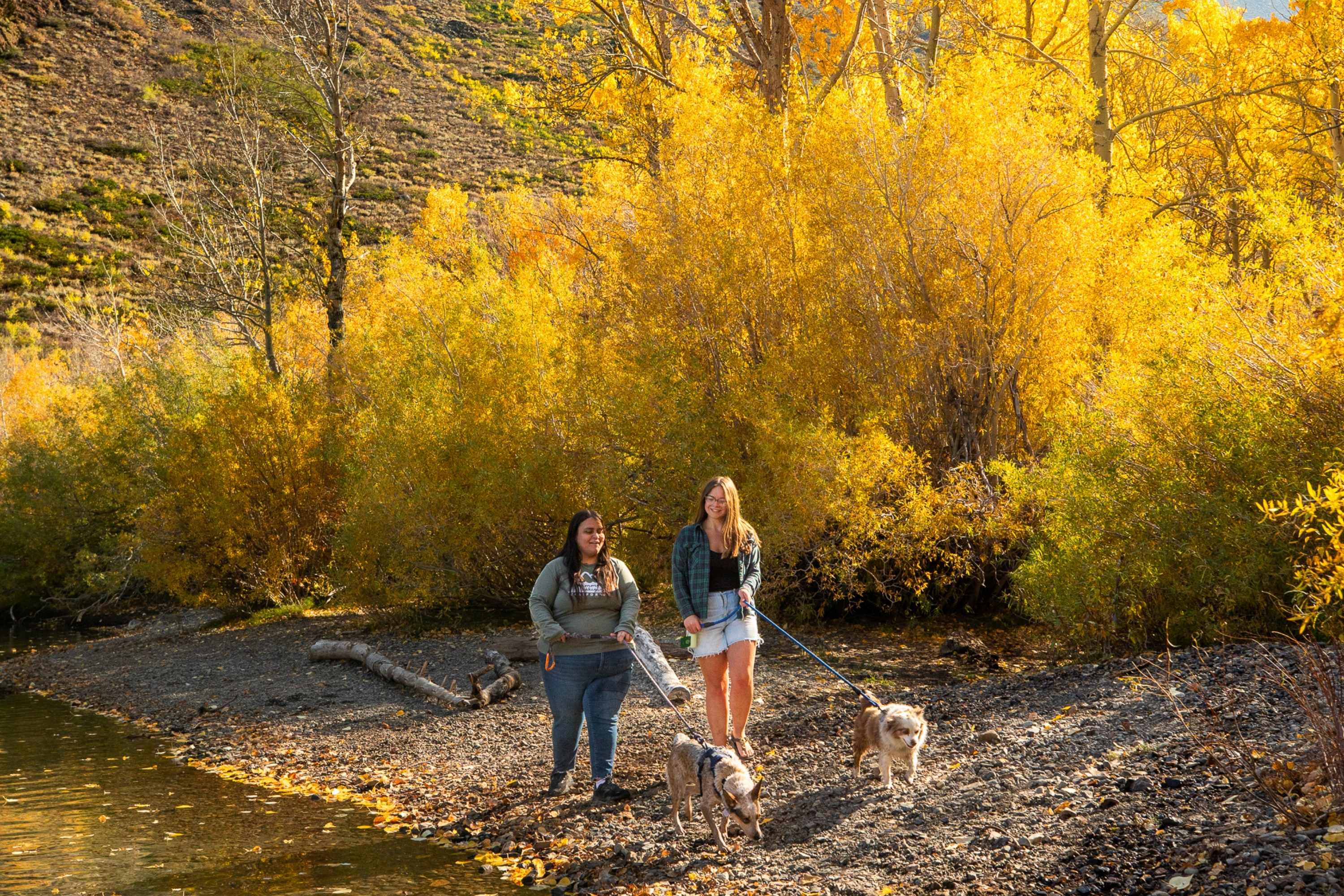
For those looking for beginner friendly fall color trails Mammoth Lakes, the path to Heart Lake is an absolute standout. Departing from the Coldwater Trailhead at the end of the Mammoth Lakes Basin, this trail offers immediate gratification. Within the first half-mile, you enter a dense deciduous groves corridor where the quaking aspens often grow thick enough to block out the sun, turning the light itself a warm amber.
The elevation gain is steady but manageable for most families and casual walkers. As you reach the lake, the view opens up to show the literal heart-shaped basin framed by the stark, jagged peaks of the Mammoth Crest. This is a quintessential example of short loop trails for autumn colors Mammoth Lakes that delivers high visual impact for relatively low physical effort. Being within the Inyo National Forest, the trail is well-maintained, and the trailhead accessibility is excellent, though parking can fill up fast on autumn weekends.
Mammoth Rock Trail: High Sierra Vistas
| Feature | Details |
|---|---|
| Distance | 5.3 miles point-to-point |
| Difficulty | Moderate |
| Peak Window | Early-to-Mid October |
| Elevation | 7,900' - 8,500' |
If you are scouting for the best photography spots on Mammoth Lakes fall hikes, you cannot skip Mammoth Rock. This trail is a geological masterpiece, featuring a massive limestone and marble monolith that stands in stark white contrast to the surrounding orange and red brush. Unlike the deep canyon hikes, this trail traverses a shelf on the side of the Sherwin Range, offering sweeping views of the entire town and the valley below as it transitions into winter mode.
The landscape here is a mix of high sierra landscape and mountain mahogany, which turns a deep, rusty red that complements the golden hour light perfectly. It is a favorite among mountain bikers and hikers alike, so keep an ear out for multi-user traffic. The trail ends near the top of Old Mammoth Road, which itself is one of the premier Eastern Sierra fall foliage trails for a scenic autumn drive.
Convict Lake Loop: The Iconic Reflection
| Feature | Details |
|---|---|
| Distance | 2.5 miles loop |
| Difficulty | Easy |
| Peak Window | Mid-October |
| Elevation | 7,850' |
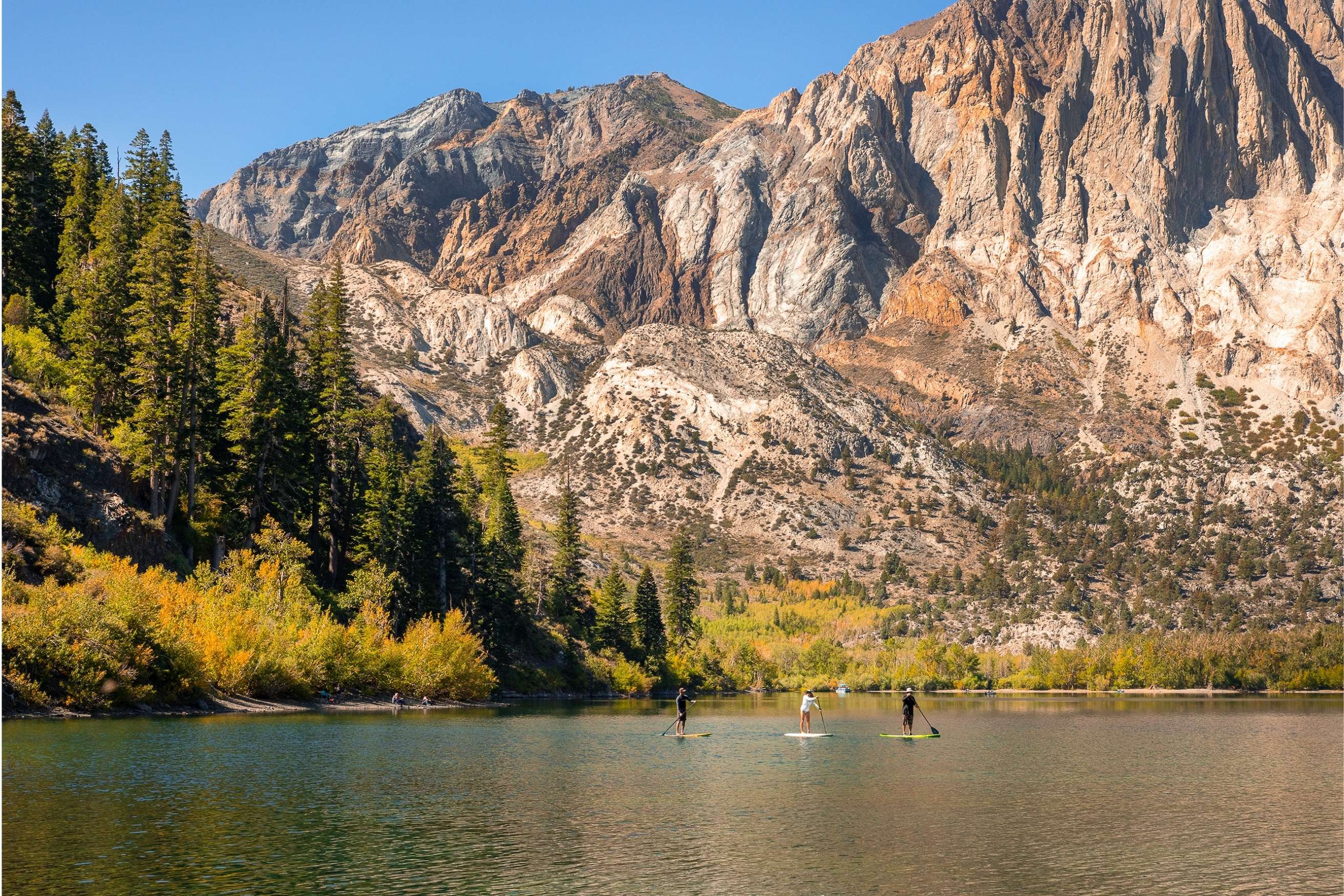
The Convict Lake trail fall color experience is perhaps the most photographed scene in Mono County. The trail is almost entirely flat as it skims the edge of the crystal-clear water. The real draw here is the Morrison Roof Pendant—a massive, swirling geological formation of metamorphic rock that looms over the lake.
During the peak of October, the aspen groves on the far side of the lake turn into a wall of flame-colored foliage. Because the lake is shielded by high peaks, the water is often glass-calm in the mornings, creating a perfect mirror image of the golden trees. This is another prime candidate for beginner friendly fall color trails Mammoth Lakes due to the minimal elevation gain and the high quality of the path.
High Trail to Shadow Lake: The Pro Choice
| Feature | Details |
|---|---|
| Distance | 8 miles roundtrip |
| Difficulty | Strenuous |
| Peak Window | Late September |
| Elevation | 8,000' - 9,200' |
Starting from Agnew Meadows, the High Trail (part of the Pacific Crest Trail) offers a much more rugged experience. This is one of the best midweek fall hiking spots in Mammoth because the crowds of the Lakes Basin feel worlds away. As you climb the 1,000 feet of gain, you are treated to legendary views of the Ritter Range and the Minarets, often dusted with the first light snow of the season.
The fall color here is found in the sprawling alpine meadows and the lower riparian zones as you descend toward Shadow Lake. The blue of the water against the drying golden grasses and the dark volcanic rock of the Minarets creates a color palette you won't find anywhere else in the Inyo National Forest. Be prepared for technical terrain and ensure you have checked the shuttle schedule, as Agnew Meadows access changes after Labor Day.
Sherwin Creek & Lakes: The Photographer’s Secret
| Feature | Details |
|---|---|
| Distance | 4.5 miles roundtrip |
| Difficulty | Moderate - Strenuous |
| Peak Window | Early-to-Mid October |
| Elevation | 7,500' - 8,600' |
While most tourists flock to the paved roads of the Mammoth Lakes Basin, locals often head toward Sherwin Creek. This area offers some of the most intimate photography spots on Mammoth Lakes fall hikes. The lower section of the creek provides easy roadside access to shimmering aspen stands that catch the morning light beautifully.
If you choose to hike up to the Sherwin Lakes, be ready for a steep, switchbacking climb. The reward is a series of small, pristine lakes surrounded by diverse vegetation. The elevation gain is significant, but the view looking back down toward the Sherwin Creek riparian zones is spectacular during the golden hour. The transition from the desert-esque sagebrush at the bottom to the sub-alpine environment at the top showcases the diverse elevation range of the Eastern Sierra, which spans from approximately 5,000 to 10,000 feet.
McGee Canyon: The Late Season Grand Finale
| Feature | Details |
|---|---|
| Distance | 5 - 8 miles roundtrip |
| Difficulty | Moderate |
| Peak Window | Mid-to-Late October |
| Elevation | 7,800' - 9,000' |
When the colors at the town level start to fade, the late fall color hikes near McGee Canyon come into their prime. Located south of Mammoth Lakes, this canyon is famous for its multicolored rock—reds, grays, and whites—that provides a violent contrast to the bright yellow aspens.
The trail follows the creek, meaning you are never far from the sound of rushing water and the rustle of leaves. It is important to note that this area can be subject to seasonal fire closures or occasional road washouts near the Lobdell Lake proximity, so always check the Mono County trail reports before heading out. The sheer scale of the deciduous groves here makes it a grand finale for the leaf-peeping season.
Essential Fall Hiking Tips
The Eastern Sierra in autumn is a land of extremes. You can start a hike in a T-shirt under a 65-degree sun and finish it in a down jacket as the mercury drops below freezing the moment the sun dips behind the granite peaks. Plan for 40-degree temperature swings and always carry the 10 Essentials, even on shorter routes like the Convict Lake loop.
Expert Tip: Look out for "Snowliage"—the rare and beautiful occurrence where a late-season storm drops a dusting of white snow on top of the vibrant peak fall foliage. It typically happens in late October and makes for incredible photography.
If you are visiting on a weekend, try to start your hikes before 8:00 AM. Mammoth Lakes fall hikes have become increasingly popular, and trailheads like Coldwater and Agnew Meadows can reach capacity early. A midweek visit is the best way to ensure peace, quiet, and the best parking spots. Always practice Leave No Trace principles to keep these sensitive riparian zones and quaking aspens healthy for years to come.
FAQ
When is the best time to see fall colors in Mammoth Lakes?
The prime window for fall foliage in the Mammoth Lakes area is from mid-September to late October. Colors generally peak at higher elevations (above 9,000 feet) in the last two weeks of September, while lower elevation canyons like Convict Lake and McGee Canyon reach their peak in mid-October.
What are the easiest fall foliage hikes in Mammoth Lakes?
The Convict Lake Loop and the path around Gull Lake in the nearby June Lake Loop are excellent, mostly flat choices. Within the Mammoth Lakes Basin, the Heart Lake trail from Coldwater Trailhead is a relatively short and manageable hike that offers high color density for minimal effort.
Where can I see the best aspen colors near Mammoth Lakes?
The most concentrated aspen groves are found in Lundy Canyon, Rock Creek, and the McGee Canyon area. For a closer option, the Mammoth Lakes Basin around Twin Lakes and the slopes of the Sherwin Range offer spectacular displays of quaking aspens.
What should I wear for fall hiking in Mammoth Lakes?
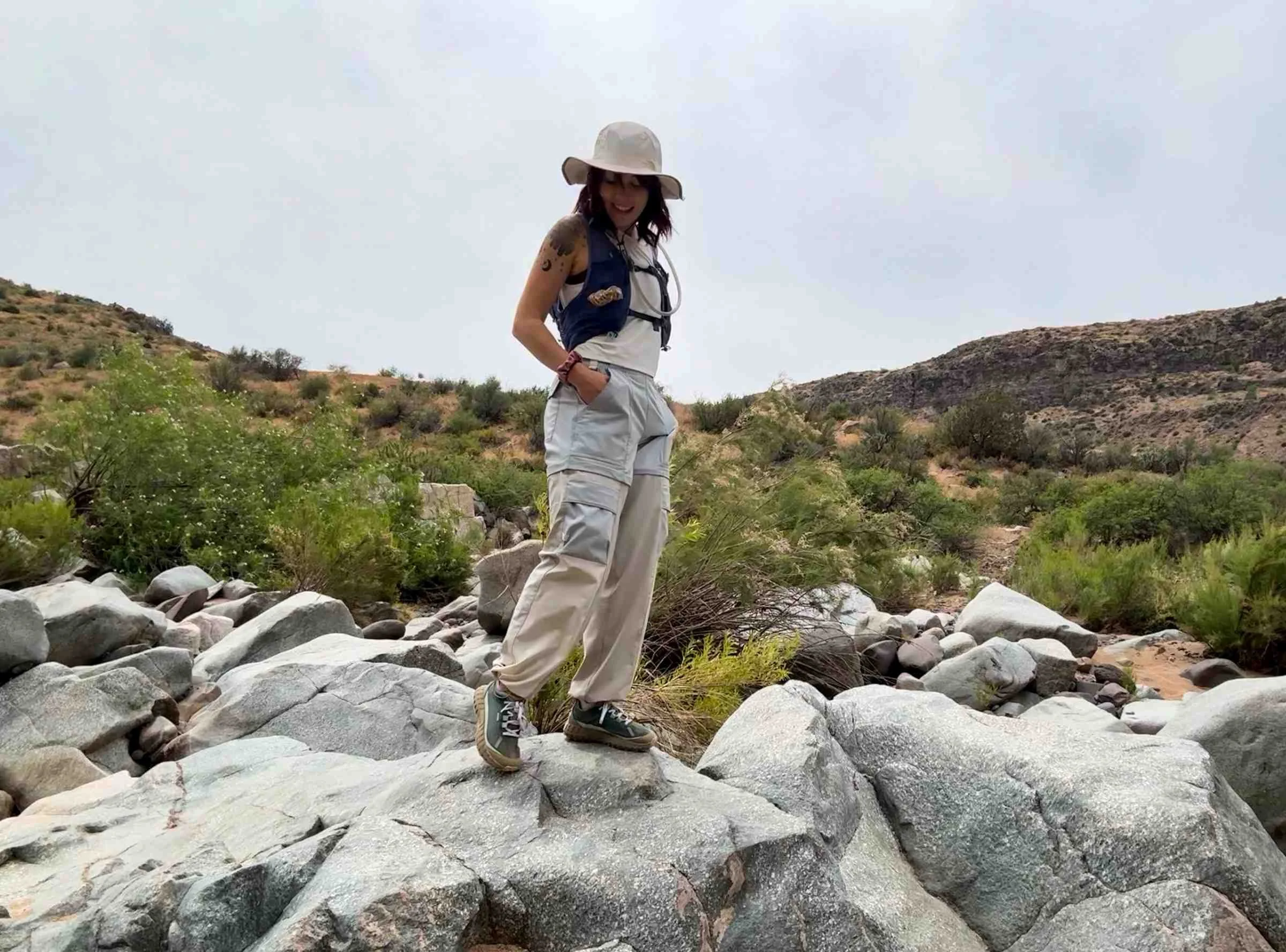
Layering is critical due to extreme temperature fluctuations. Start with a moisture-wicking base layer, add an insulating mid-layer like a fleece or light down jacket, and carry a windproof outer shell. Sturdy hiking boots are recommended for the rocky terrain, and don't forget a hat and gloves for the chilly mornings.
What are the best dog-friendly fall hikes in Mammoth Lakes?
Almost all trails in the Inyo National Forest are dog-friendly, including the Mammoth Rock Trail, Convict Lake Loop, and McGee Canyon. Dogs should be kept on a leash to protect local wildlife and respect other hikers, and you must always pack out pet waste.
Is there usually snow on Mammoth Lakes trails in late fall?
It is very common to see light snow showers in October. While major accumulations that close trails usually wait until November, hikers should be prepared for dusting on the peaks and occasional icy patches on high-altitude trails like the High Trail or Rock Creek.