Quick Facts
- Peak Elevation: 4,001m (Mount Satima)
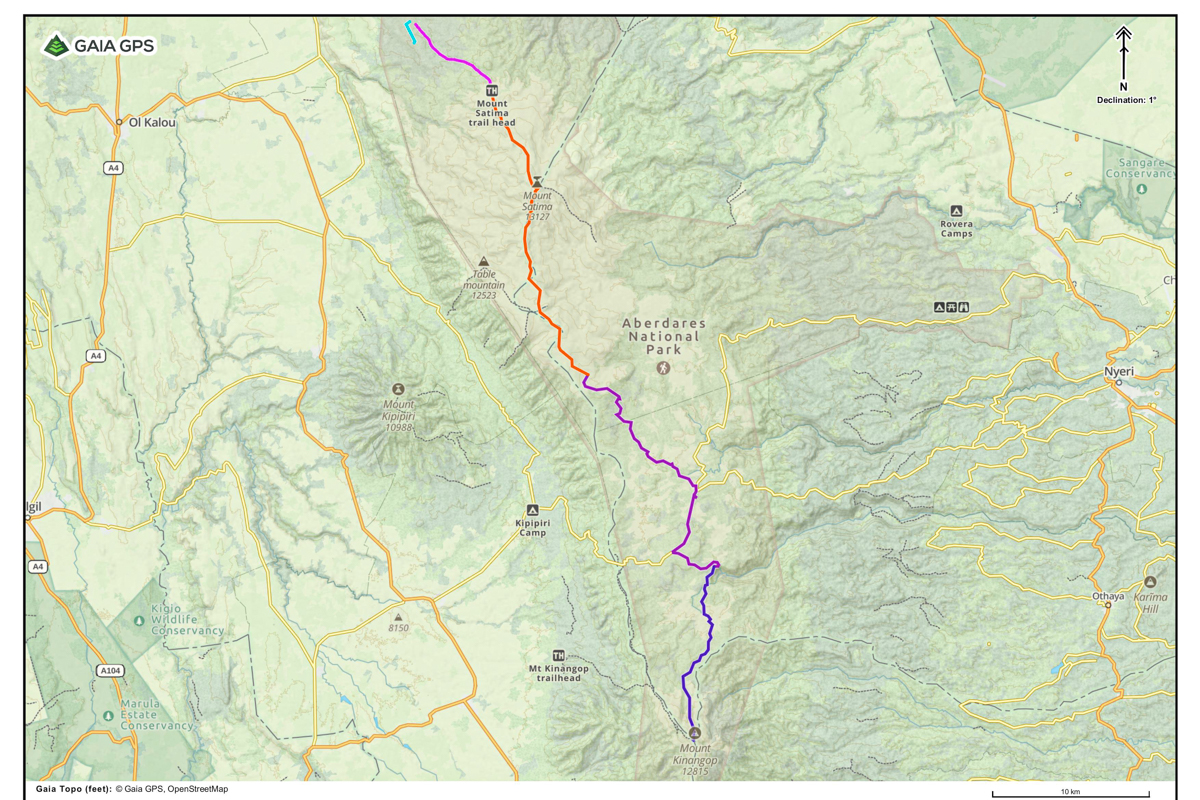
- Total Distance: 90km North-South traverse
- Best Time: July (Cold but drier)
- Permits: Mandatory KWS armed ranger for remote bushwhacking
- Park Fees: ~$52 (6,734 KSH) for non-residents
- Key Landmarks: Dragon's Teeth, Karuru Falls, 12 Apostles
- Technical Difficulty: Strenuous; requires high-altitude acclimatization and off-trail navigation
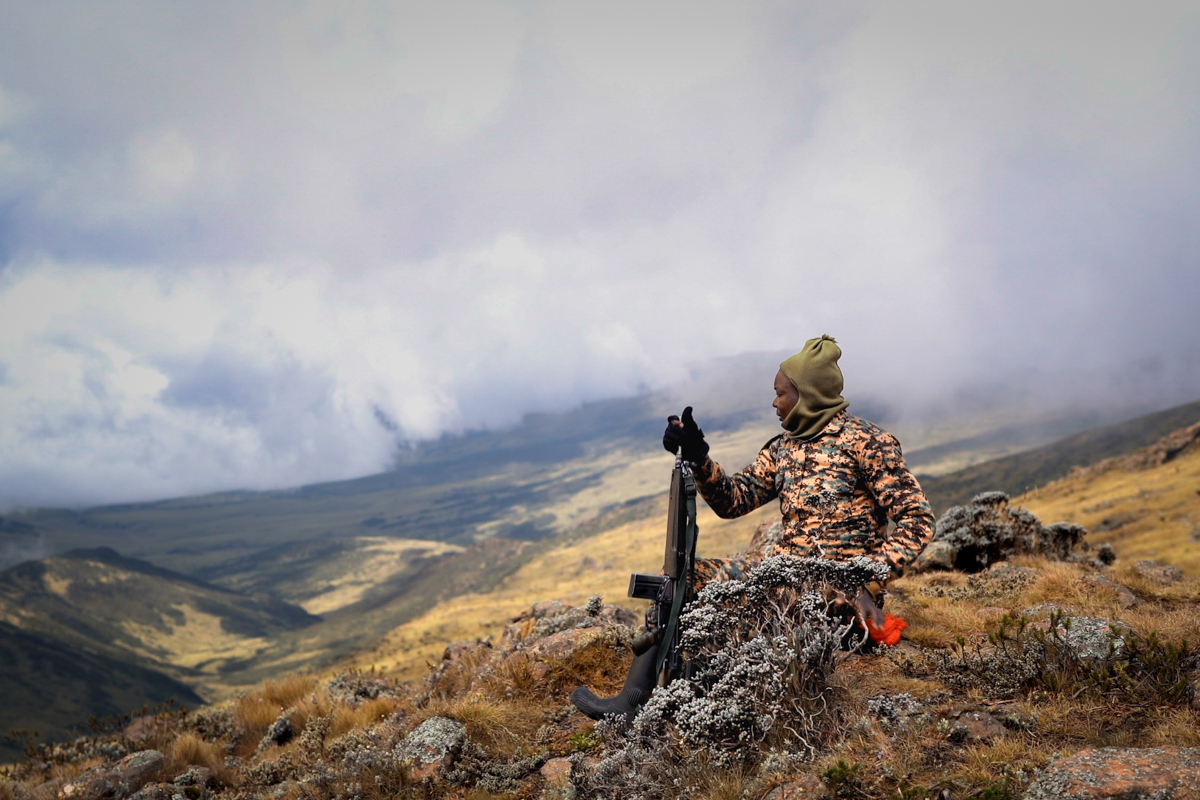
Aberdare National Park hiking requires official approval from the Kenya Wildlife Service and an armed ranger for most remote or multi-day treks. Because the park is home to significant populations of elephants and cape buffalo, guided trekking is standard for safety. Visitors must pay daily park fees at the gate and should consult with rangers regarding specific trail conditions and wildlife protocols before proceeding into the backcountry.
Nairobi Supply Intelligence and Gear Preparation
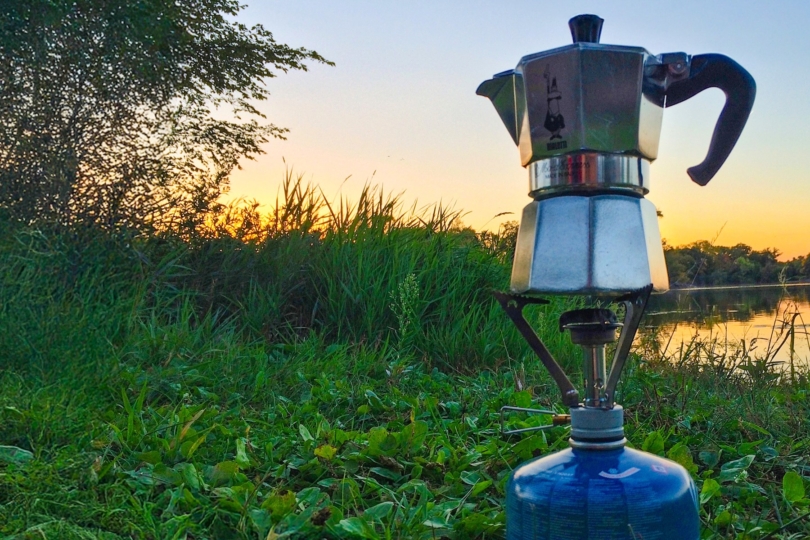
Before you even set foot in the Central Highlands Kenya, your expedition begins in the gear shops of Nairobi. One of the most common pitfalls for international trekkers is the fuel supply chain. You will find that isobutane-propane fuel canisters are surprisingly rare in Nairobi. If you rely on a standard canister stove, your best bet is to check at Decathlon Nairobi or Going Outdoor. However, for a multi-day Aberdare Range backpacking gear setup, I highly recommend a multi-fuel stove that runs on white gas or kerosene, which are much easier to source locally.
When planning your 90km traverse, aim for a base weight of around 12.4 lbs to maintain agility in the peat bogs. The Aberdares are notoriously wet. High-altitude temperatures in the Aberdare moorlands can drop to near-freezing levels at night, contrasting with daytime averages that typically range between 10°C and 22°C. This means your moisture management must be flawless.
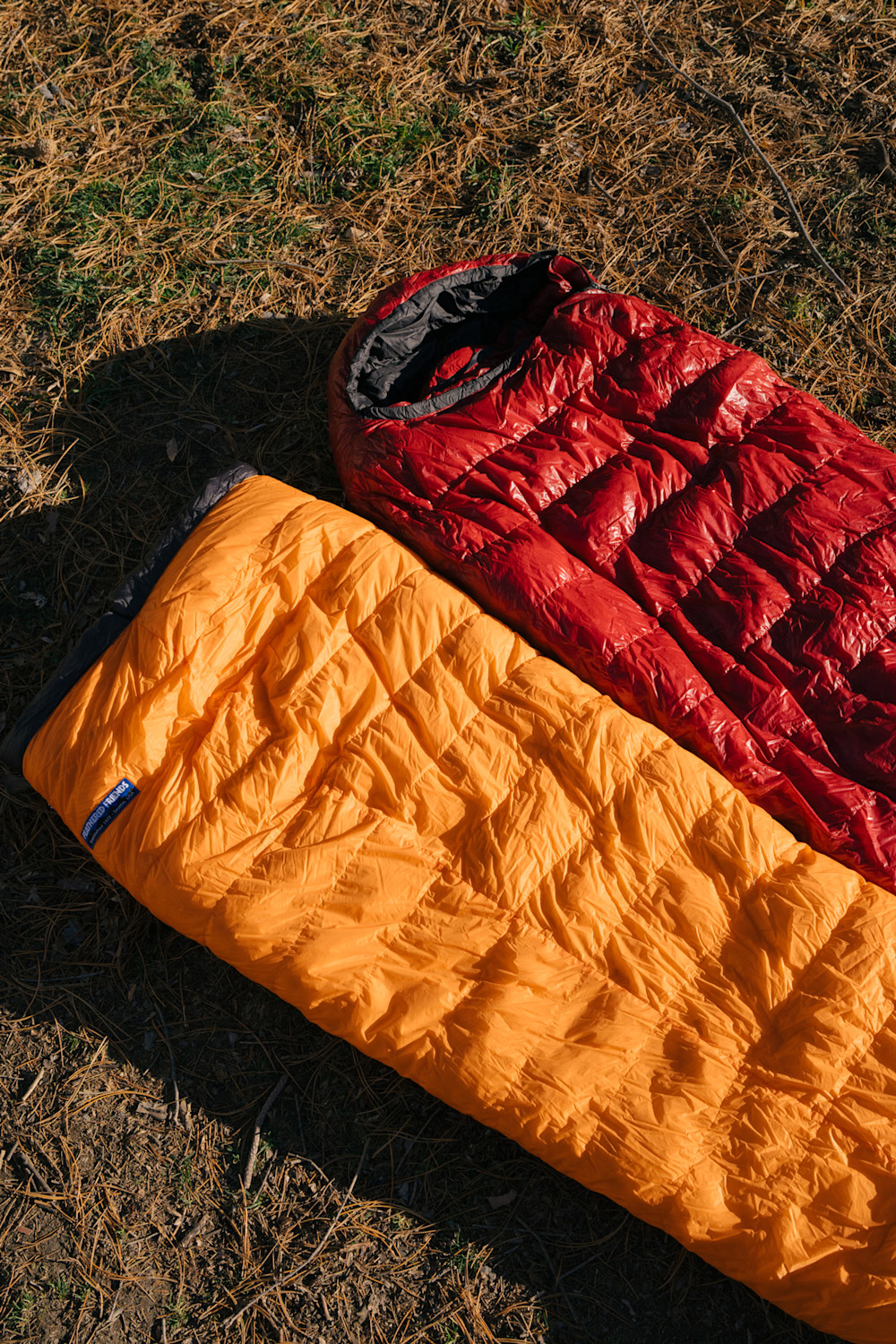
Essential gear for extreme camping in Aberdare Range includes a high-quality waterproof shell with at least a 20,000mm hydrostatic head rating. For your sleep system, go with 850+ fill power down, but ensure it is treated with a hydrophobic coating. You will be dealing with Tussock grass and deep mud; gaiters are not optional here, they are a survival tool to keep your boots from being swallowed by the mire.
The Dragon's Teeth and Summiting Mount Satima
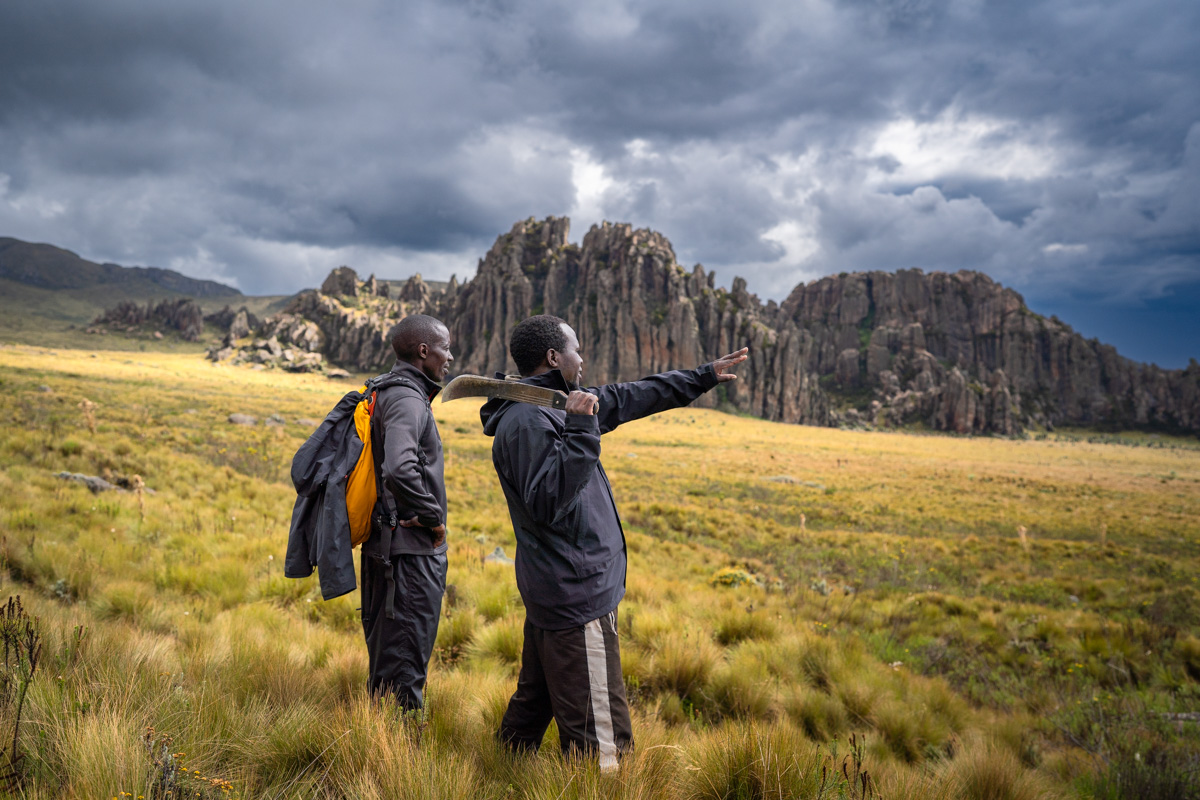
The northern sector of the park offers an otherworldly landscape that feels more like the Scottish Highlands on steroids than East Africa. Your journey likely begins with a 4:30 AM departure from the Bata Hilton in Nairobi, heading toward the Shamata Gate. From here, the Dragon's Teeth Aberdare hike trail guide leads you through the northern moorlands toward a collection of jagged basalt pillars.
The Dragon's Teeth are a series of volcanic rock formations that rise abruptly from the rolling hills. Navigating these basalt pillars requires a keen eye for the trail, as the mist can roll in within minutes, reducing visibility to less than ten meters. This area is the gateway to Mount Satima trekking difficulty and peak guide territory. As you move toward the summit, the air thins significantly.
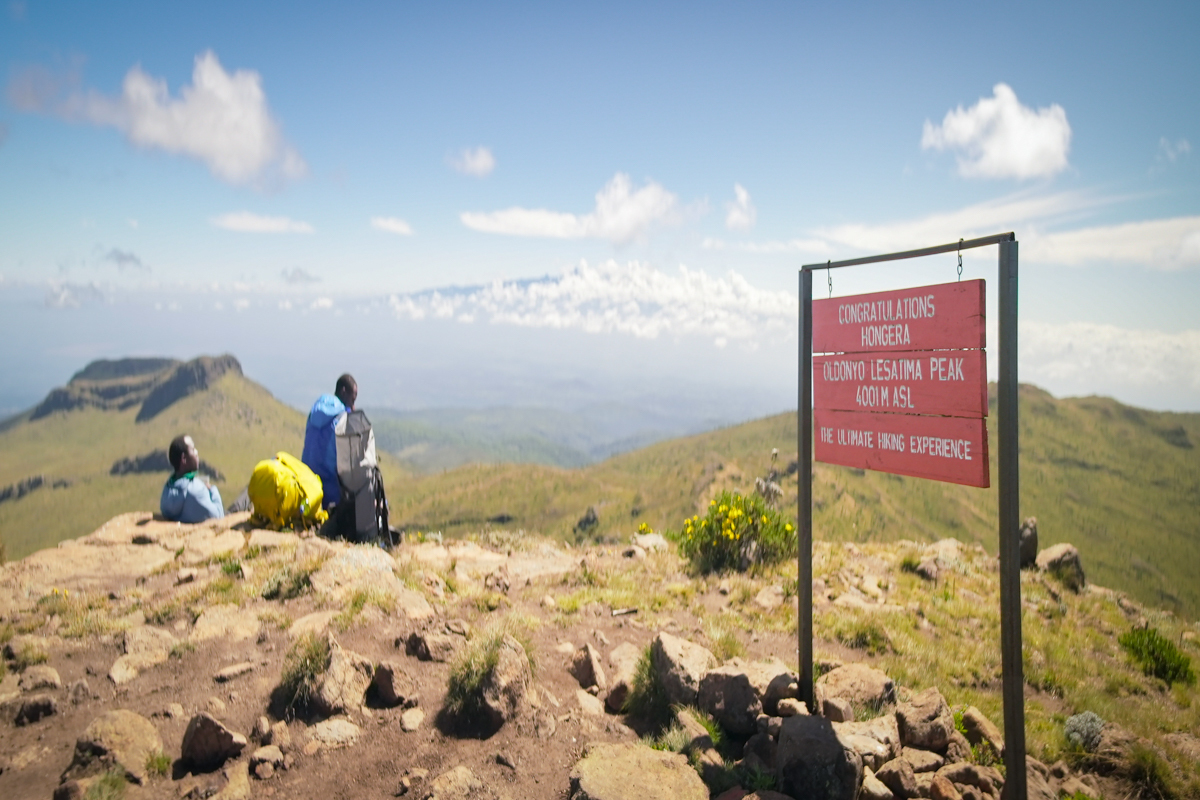
Summiting Mount Satima is a rewarding challenge. Standing at 4,001 meters, it is the highest point in the range and the third-highest peak in Kenya. The climb involves navigating through giant groundsels and lobelias, prehistoric-looking flora that thrives in this Afro-alpine zone. The panoramic views from the top provide a stunning look at the Rift Valley escarpment to the west and, on clear days, the distant snow-capped peaks of Mount Kenya.
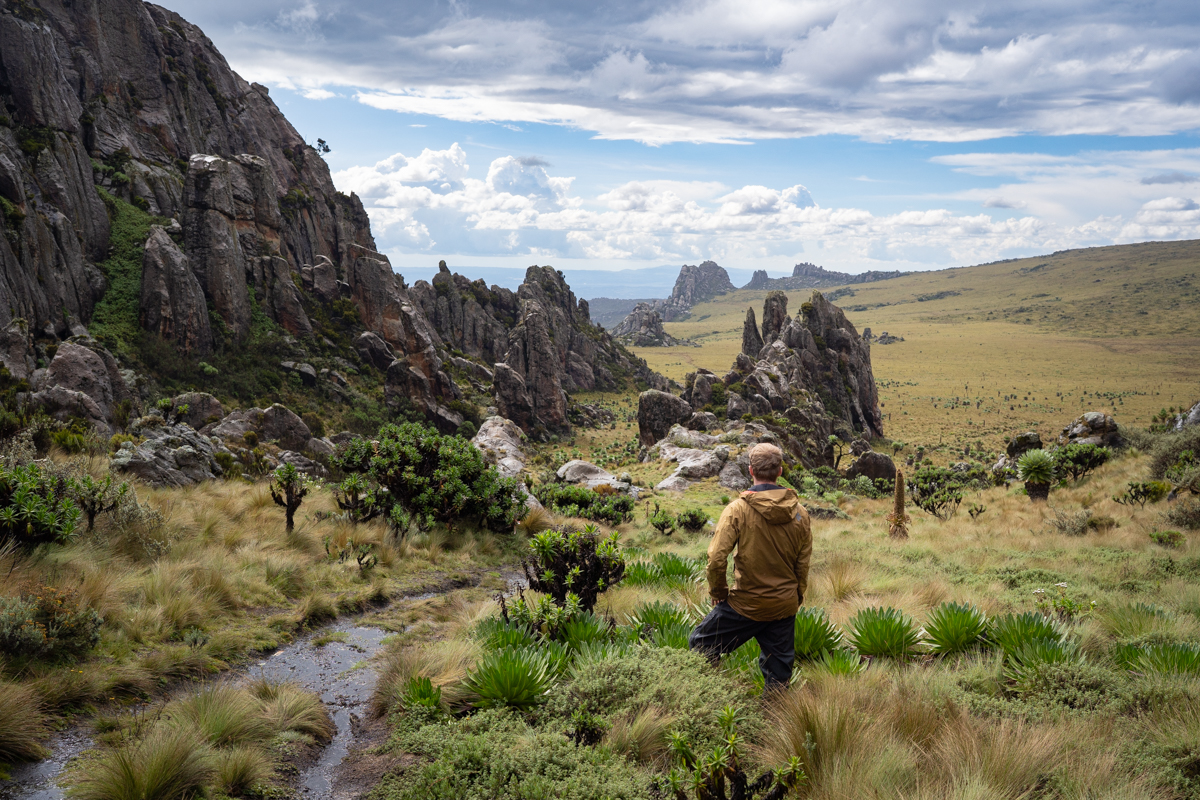
Backpacking from Cedar Retreat to Mount Satima is a popular multi-day segment, but it requires careful pacing. You are essentially walking across a giant sponge. The ground is often saturated, and every step on the hummocks of grass requires balance and core strength.
Navigating the Bamboo Thickets: Safety and Wildlife
As you descend from the moorlands into the lower elevations, the landscape shifts dramatically into a dense montane forest ecosystem. This is where the real "extreme" in extreme camping comes into play. You will encounter the infamous bamboo thickets. These are not the manicured bamboo forests of postcards; they are a tangled, dark, and often claustrophobic labyrinth.
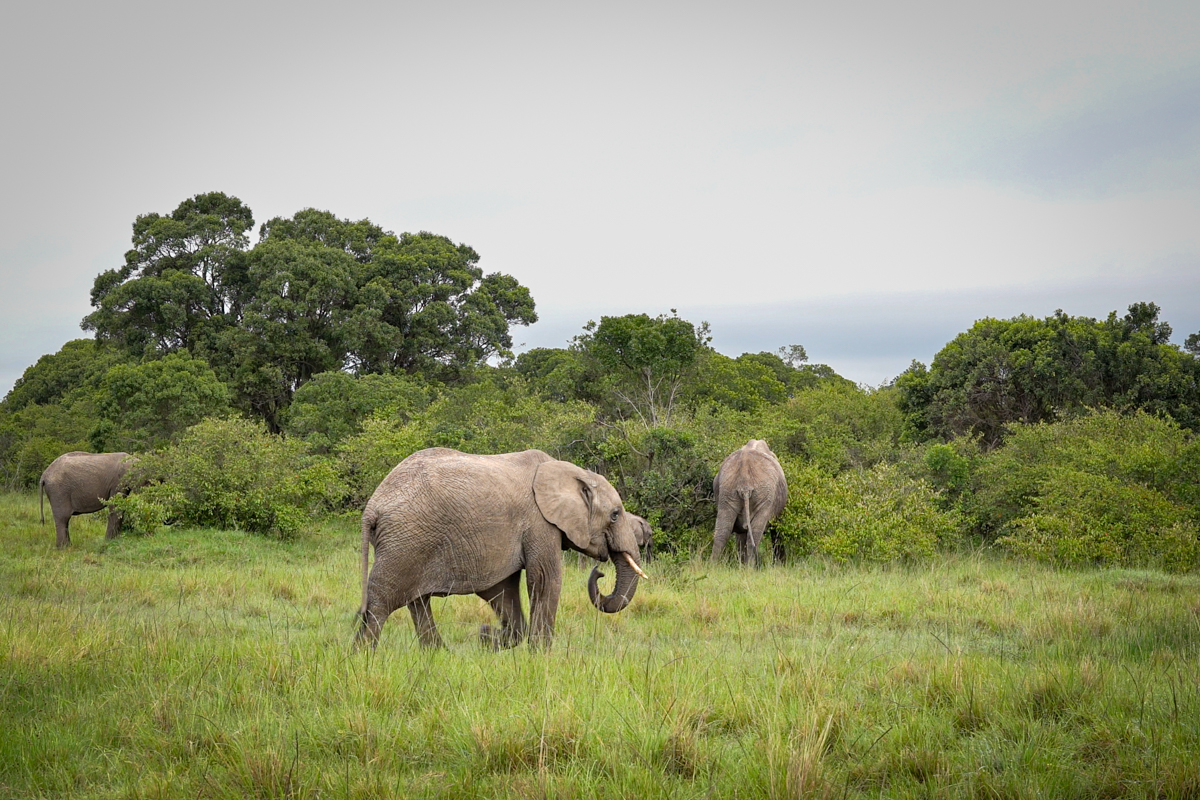
Wildlife safety protocols for hiking in Aberdare National Park are paramount here. The Aberdare National Park encompasses approximately 767 square kilometers of protected wilderness, and much of the forest is inhabited by Cape buffalo and elephants. In the bamboo, visibility is often limited to a few meters. This is precisely why KWS armed guard requirements for Aberdare trekking are non-negotiable for remote routes.
If you encounter a Cape buffalo at close range, the protocol is simple: follow your ranger's instructions instantly. These animals are notoriously grumpy and unpredictable. You also want to keep a sharp eye out for the rare black melanistic leopard, a legendary inhabitant of these forests. While sightings are rare, the Aberdares are one of the few places on earth where this genetic variation is relatively common. You may also hear the crashing of branches indicating the presence of Colobus monkeys or, if you are incredibly lucky, the critically endangered Mountain Bongo.
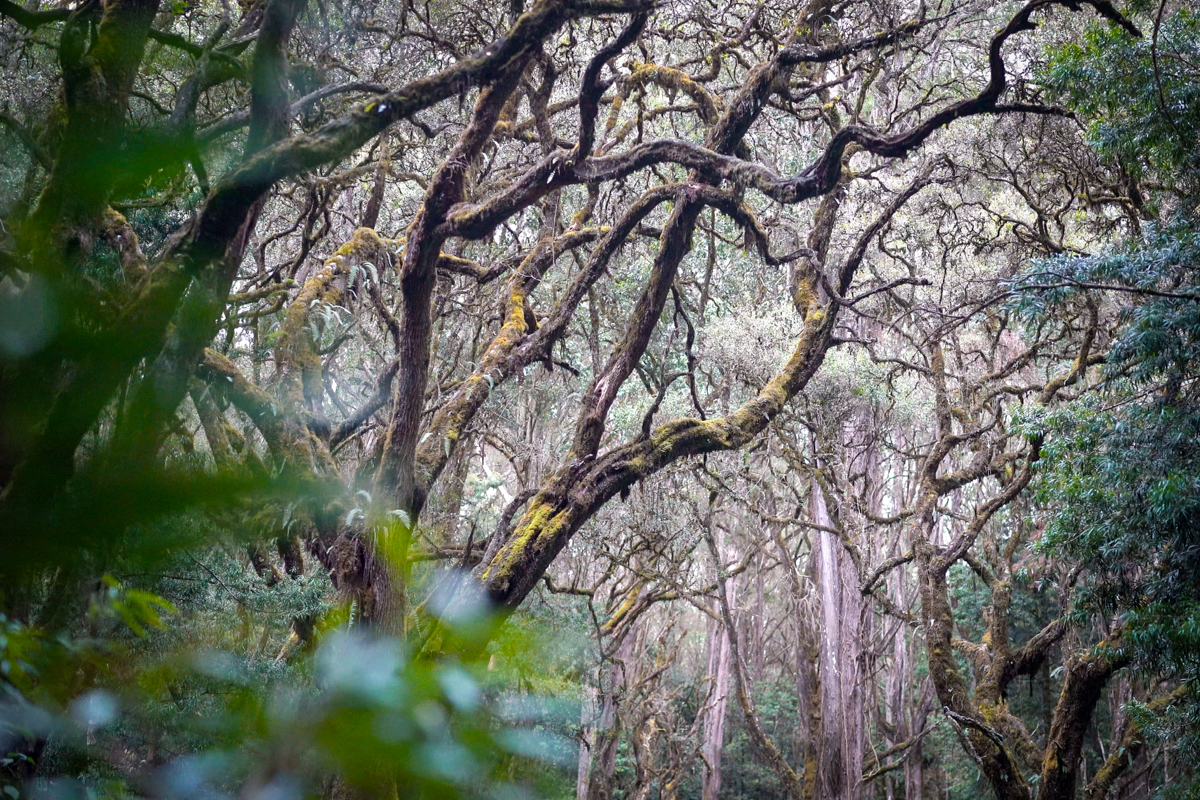
Navigating bamboo thickets and moorland in Highlands Kenya requires a mental toughness that standard trail hiking does not. There is often no defined path. You are bushwhacking through vegetation that is constantly trying to snag your pack and trip your feet. It is a slow, methodical process that reminds you that you are a guest in a truly wild space.
Landmark Traverse: Karuru Falls to Njabini
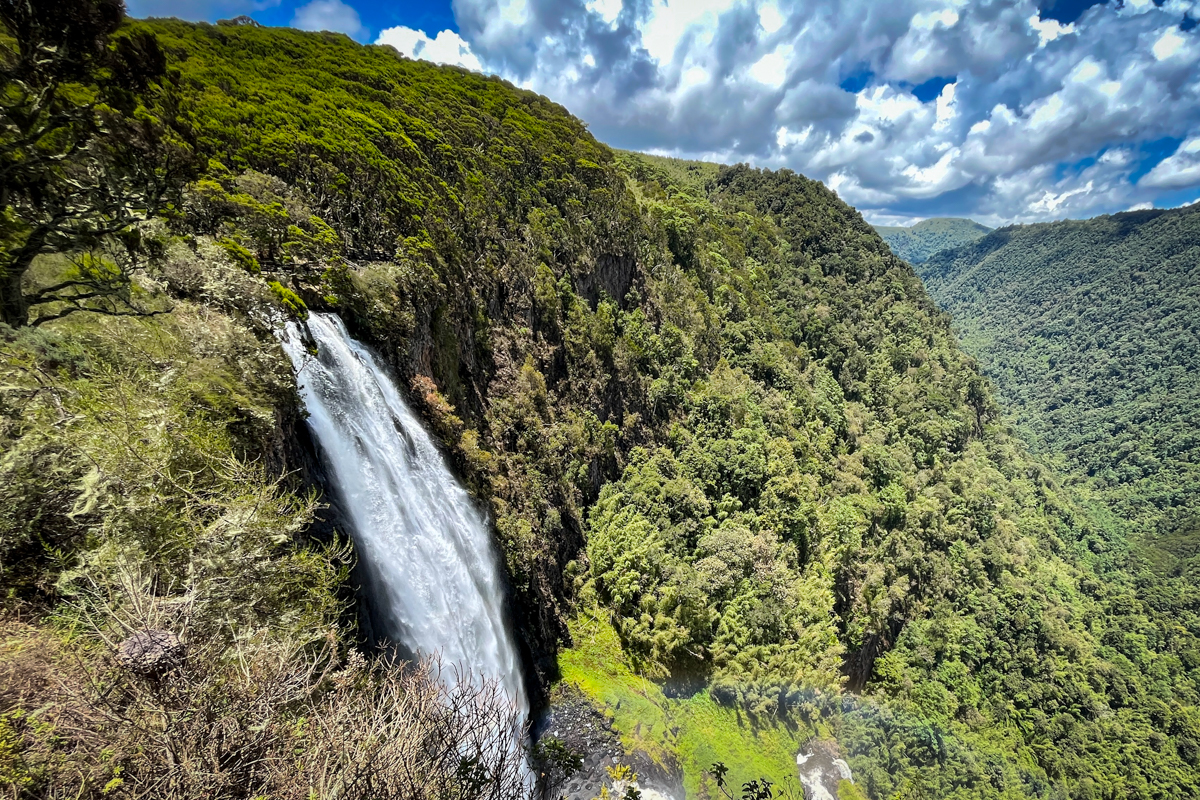
The southern sector of the park transitions into more traditional forest and spectacular water features. The undisputed highlight here is Karuru Falls. Dropping in three tiers, the falls plunge a total of 273 meters into a deep, forested gorge. It is the tallest waterfall in Kenya and serves as a powerful reminder of the park's role as a vital Kenya water tower.
Following the Karuru Falls and Chania Falls hiking instructions will lead you to several scenic overlooks where you can appreciate the sheer scale of the Aberdare Range. From the falls, the trek continues toward the southern peaks. The remote trekking route to Mount Kinangop, the range's second-highest summit at 3,906 meters, covers a round-trip distance of up to 32 kilometers and involves a strenuous elevation gain of approximately 1,700 meters.
The final leg of a full north-to-south traverse usually concludes near Njabini. This section takes you through the southern moorlands and past the 12 Apostles, a series of dramatic rock formations that mirror the rugged beauty of the Dragon's Teeth in the north. By the time you reach the southern gate, your boots will be ruined, your clothes will smell of woodsmoke and bog water, but you will have completed one of the most demanding and rewarding treks in East Africa.
FAQ
What are the best hiking trails in Aberdare National Park?
The most iconic trails include the trek to Dragon's Teeth and the summit of Mount Satima in the north, the Elephant Hill hike in the south, and the scenic trails leading to Karuru Falls and Magura Falls. For those seeking depth, the full 90km north-to-south traverse is the ultimate experience.
Is it safe to hike in Aberdare National Park?
It is safe as long as you adhere to KWS regulations. The primary risks are wildlife encounters (buffalo and elephants) and rapid weather changes. Hiring an armed KWS ranger is the standard safety protocol for any trek beyond the basic designated picnic sites.
Do you need a guide for hiking in Aberdare?
Yes, for most backcountry and remote trekking, a guide and an armed KWS ranger are mandatory. This ensures you do not get lost in the frequent mountain mists and provides protection against potentially aggressive wildlife in the dense forests.
How much does it cost to enter Aberdare National Park?
For non-resident adults, the daily park entry fee is approximately $52 (6,734 KSH). You will also need to account for the costs of camping fees, vehicle entry, and the daily rate for the mandatory KWS ranger, which varies based on the duration of your trek.
What is the best time of year for hiking in the Aberdares?
The driest months are typically January and February, as well as July through September. July is excellent for trekking because it is relatively dry, though it is also one of the coldest months, with nighttime temperatures frequently hovering near freezing.
What should I pack for a hiking trip to Aberdare?
Prioritize moisture-wicking layers, a heavy-duty waterproof jacket, and a sleeping bag rated for at least -5°C. You will also need sturdy, waterproof hiking boots, gaiters for the mud, and a reliable navigation system. Remember to secure a multi-fuel stove if you cannot find isobutane canisters in Nairobi.