Quick Facts
| Gear Category | Editor's Choice | Key Feature |
|---|---|---|
| Best Overall Boot | La Sportiva Spire GTX | High-traction outsoles and waterproof breathable membranes |
| Top Day Pack | Black Diamond Pursuit | 686g weight with ergonomic S-curve shoulder straps |
| Best Apparel Fabric | Merino wool / Tencel blends | Natural antimicrobial properties and odor control |
| Size Inclusivity Leader | Gregory Jade/Maya | Plus-size fit options with up to 60-inch hip belts |
| Primary Safety Item | UPF 50+ Sun Hoodies | Critical UV protection and temperature regulation |
As female participation in outdoor recreation reaches record highs of over 53.4%, the demand for high-performance women's hiking gear has never been greater. Choosing gear designed for female ergonomics isn't just about aesthetics; it's about stability, weight distribution, and injury prevention. This guide explores the essential hiking gear list for female beginners and seasoned pros alike. Essential women's hiking gear includes female-specific backpacks with adjusted harness systems, moisture-wicking technical apparel, and lightweight footwear with adequate ankle support. Key items like the Black Diamond Pursuit day pack and Tecnica Magma boots are engineered for female ergonomics. Technical layers, including merino wool sports bras and quick-dry hiking pants, provide critical temperature regulation and odor control for multi-day backcountry adventures.
Why Female-Specific Engineering Matters
For decades, the outdoor industry operated on a "shrink it and pink it" philosophy. However, the science of movement tells a different story. Women generally have shorter torso lengths, narrower shoulders, and a different pelvic angle compared to men. When you hit the trail, these biological differences change how weight sits on your frame.
According to recent data, female participation in outdoor recreation reached a record 53.4% in 2025, up from 51.9% just two years prior. This surge has forced brands to move beyond color changes and invest in real engineering. A generic unisex pack often rests its weight on the lower back or pulls against the chest, causing unnecessary fatigue. In contrast, gear designed for women accounts for the Q-angle (the angle at which the femur meets the tibia), which affects gait and how footwear should support the arch and heel.
Using gear that respects your anatomy ensures a more stable center of gravity. This prevents the chafing and weight distribution issues common when women use gear designed for male proportions. As the global women's outdoor apparel market climbs toward an estimated value of USD 21.1 billion, the focus has shifted toward technical outerwear and lightweight layers that prioritize both form and function.
Essential Women's Hiking Backpacks: Fit and Suspension
Finding the right pack is often the biggest hurdle for new hikers. Female-specific hiking backpacks differ from unisex models by incorporating narrower shoulder widths and shorter torso lengths. The most critical feature to look for is the S-curve shoulder straps. These are designed to contour around the chest rather than cutting straight across it, preventing pressure points and restricted breathing.
When learning how to choose a female-specific hiking backpack for narrow shoulders, pay close attention to the hip belt. Women generally have a more angled pelvic structure, so look for hip belt articulation that allows the padding to sit comfortably on the iliac crest. Brands like Gregory have led the way in inclusive sizing design, offering packs like the Jade and Maya that accommodate up to 6X sizing and 60-inch hips.
- Day Hiking (15-30L): Perfect for 3-6 hour trips. Look for women's hydration packs with adjustable chest straps for large busts to ensure the bite valve is always within reach without the strap feeling constrictive.
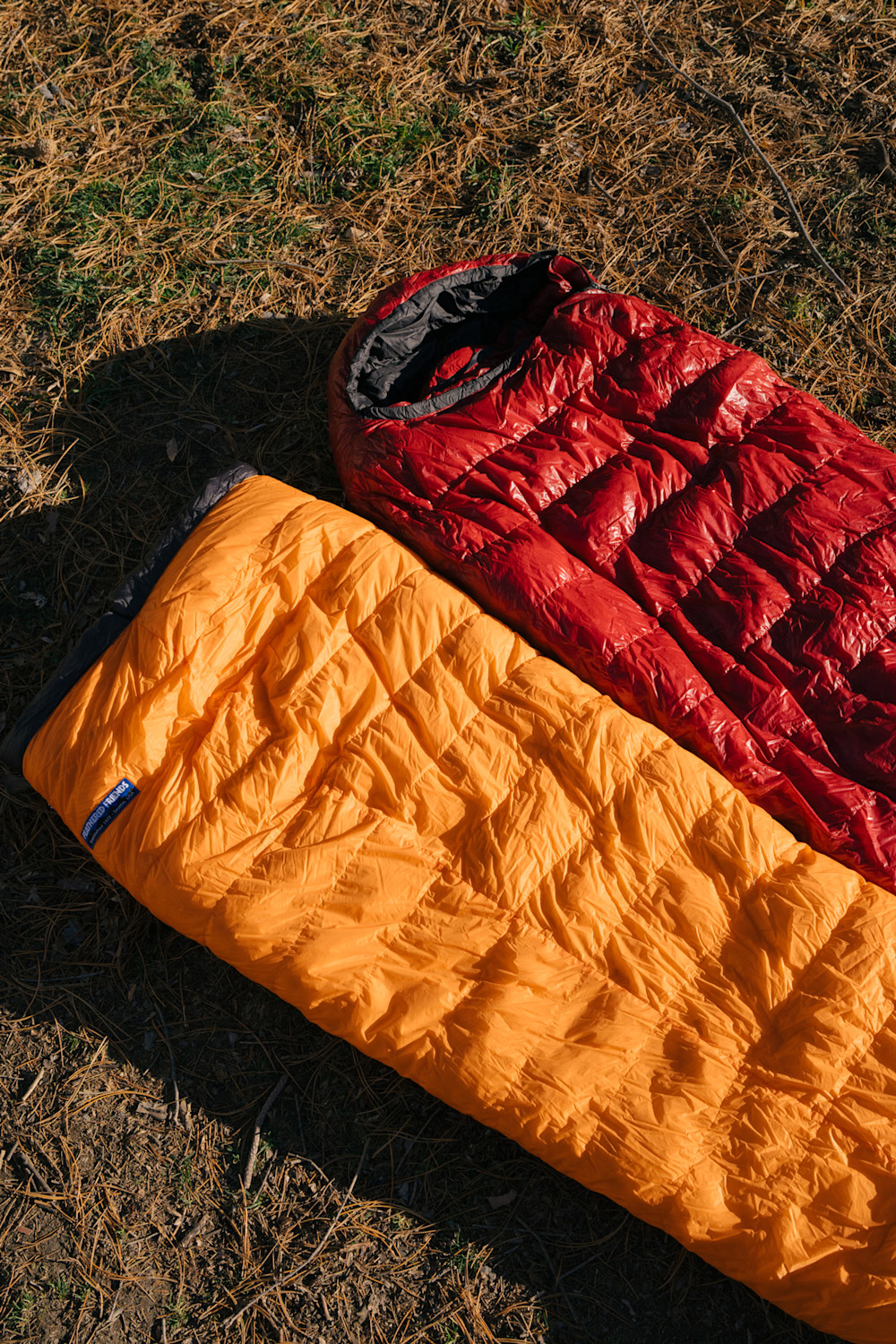
- Backpacking (50L+): While day hiking has reached near gender parity, women currently account for only 30% to 40% of long-distance backpackers. To bridge this gap, high-capacity packs now feature adjustable harness systems that can be fine-tuned to your specific torso measurement.
Editor’s Choice: The Black Diamond Pursuit series offers a harness inspired by running vests, providing a snug, bounce-free fit that is ideal for technical scrambles where balance is everything.
Footwear: Traction, Support, and Narrower Lasts
Your feet are your foundation, and women’s feet typically have a narrower heel and a higher instep relative to the forefoot. The best women's hiking boots are built on a female-specific last (a foot-shaped mold) to prevent the heel slippage that causes the dreaded backcountry blister.
For 2026, the trend is shifting toward ultralight footwear technology. Many hikers are ditching heavy leather boots for women's lightweight hiking boots for ankle support that feel like trail runners but offer the stability of a traditional hiker.
Key features to look for include:
- Waterproof breathable membranes: Technologies like GORE-TEX or BD.dry keep your feet dry during creek crossings while allowing sweat vapor to escape.
- High-traction outsoles: Look for Vibram Megagrip or similar compounds that provide confidence on wet granite or loose scree.
- Blister protection: A narrower heel cup ensures your foot doesn't slide forward on descents, protecting your toes from "black toenail" syndrome.
If you prefer a faster pace, the La Sportiva Spire GTX is a standout performer. It offers the protection of a boot with the agility of a shoe, making it a staple in any essential hiking gear list for female beginners.
Technical Apparel: Layers, Sun Protection, and Inclusive Sizing
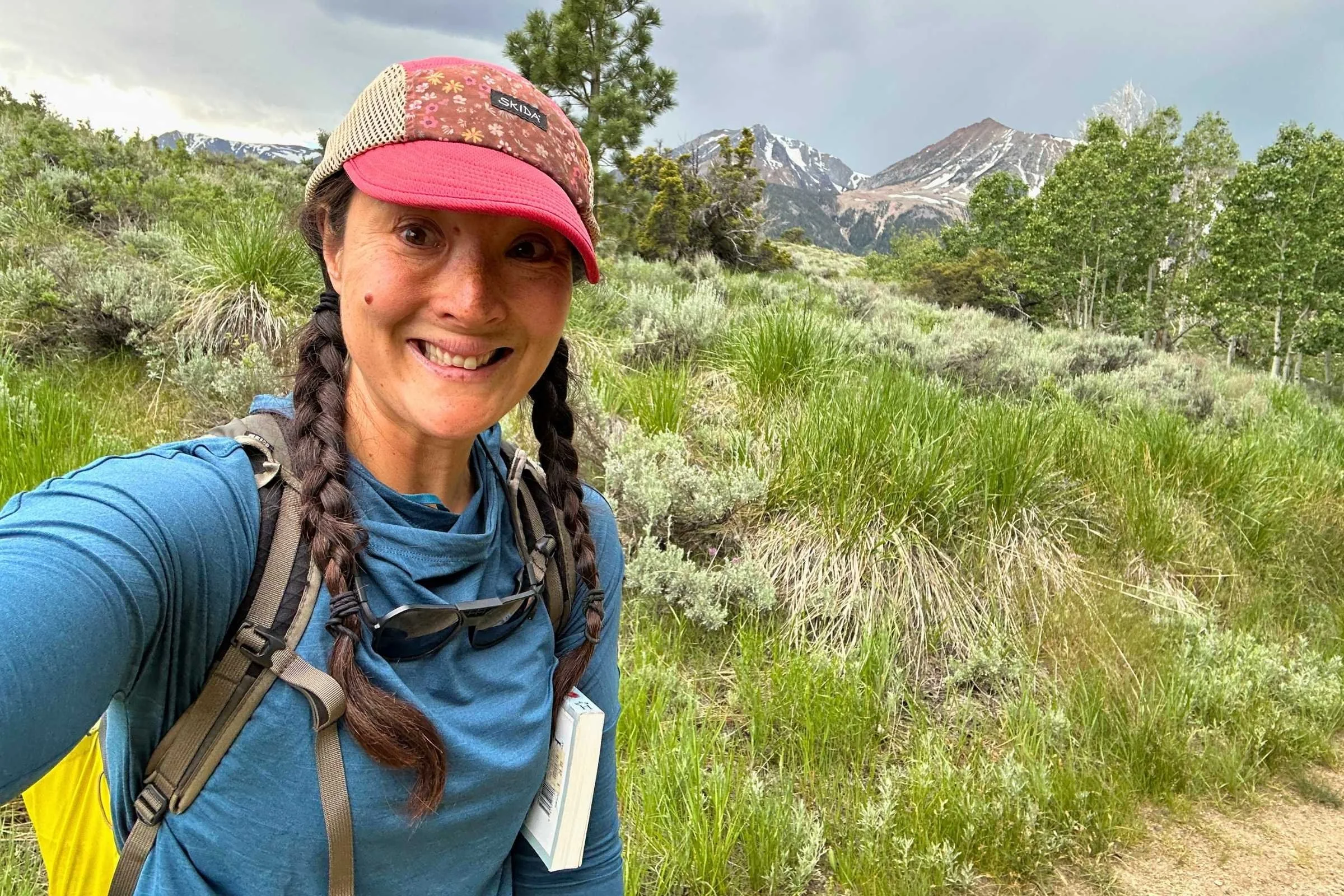
The goal of women's hiking apparel is simple: maintain a steady core temperature regardless of the weather. For long-distance hiking, women should prioritize performance fabrics like merino wool and Tencel. These materials offer natural antimicrobial properties, which is a polite way of saying they won't stink after three days on the trail.
The Base Layer Revolution Finding comfortable merino wool sports bras and underwear for multi day hiking is a game-changer. Unlike synthetic bras that trap moisture against the skin and cause heat rashes, merino wool technical base layers pull sweat away and keep you warm even if they get wet.
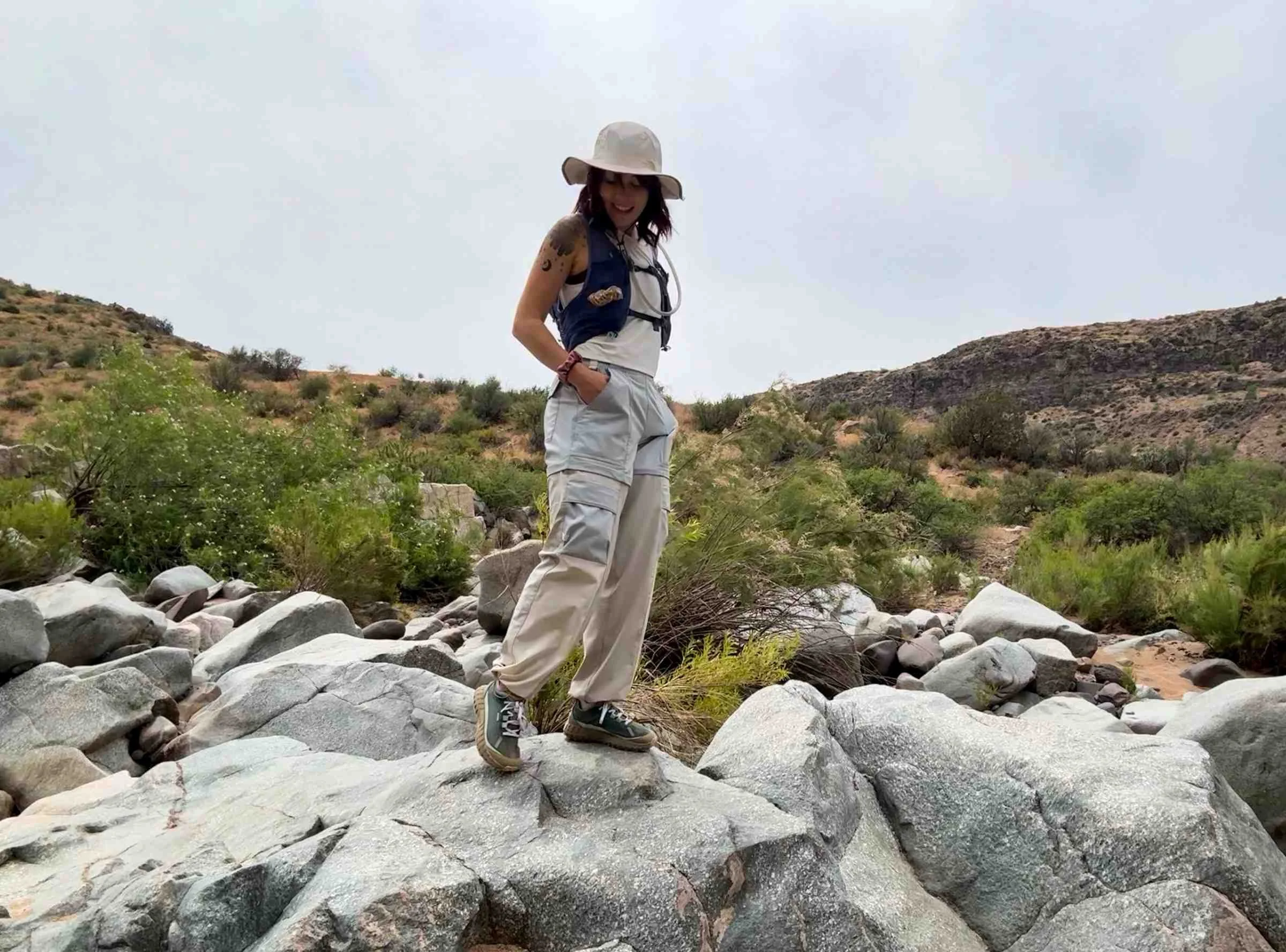
Pants and Shirts For your outer layers, look for quick dry hiking pants with pockets for women that are actually functional. We are seeing a move away from shallow pockets toward zippered cargo pockets that can actually hold a modern smartphone. Additionally, the best women's hiking shirts for sun protection and breathability now feature UPF 50+ ratings and extended cuffs to protect the backs of your hands.
Inclusive Fit Performance shouldn't be limited by size. The industry is finally delivering best plus size women's hiking apparel for performance that uses the same anti-chafe construction and high-end fabrics as straight-sized gear. Seek out brands that use 4-way stretch fabrics to ensure optimal mobility during steep climbs.
Hydration and Comfort Accessories for Women
Comfort on the trail often comes down to the small things. For women, hydration systems can be a source of frustration if the sternum strap doesn't sit correctly. Choosing women's hydration packs with adjustable chest straps for large busts allows you to slide the strap up or down to find a position that doesn't compress your chest.
Don't overlook the importance of female-led outdoor brands that specialize in products like anti-chafe balms and urinary silk devices (FUDs), which make answering the call of nature much easier in the backcountry. Accessories like moisture-wicking headbands and polarized sunglasses help with temperature regulation and eye fatigue, ensuring you can focus on the view rather than your discomfort.
FAQ
What are the essential items for a women's hiking starter kit?
A basic starter kit should include a female-specific daypack, moisture-wicking polyester or merino wool clothing, and broken-in hiking boots or shoes. You also need the "Ten Essentials," which include navigation, a headlamp, sun protection, first aid, a multi-tool, fire starter, emergency shelter, extra food, extra water, and extra clothes.
What is the difference between men's and women's hiking boots?
Women's hiking boots are typically built with a narrower heel, a wider forefoot-to-heel ratio, and a higher arch support. Men's boots tend to be wider overall and have a higher volume in the midfoot. Using a boot designed for your foot shape reduces friction and prevents blisters.
What size backpack is best for a female hiker?
For day hikes, a 20 to 30-liter pack is usually sufficient for gear and water. For overnight trips, most women find 50 to 65 liters to be the sweet spot. It is more important to match the pack's torso length to your back measurement than to focus solely on the total volume.
How should women's hiking pants fit?
Hiking pants should be loose enough to allow for a full range of motion—like stepping up onto a high rock—but not so baggy that the extra fabric creates a tripping hazard. Look for a comfortable waistband that doesn't dig in when you are wearing a backpack hip belt, and ensure the pockets are accessible while wearing a pack.
How do I choose a sports bra specifically for hiking?
Look for a bra made from merino wool or high-quality synthetic blends that offer moisture-wicking fabrics and high breathability. Avoid cotton, which stays wet and causes chafing. For multi-day trips, choose a design with flat-locked seams and no bulky clasps that might rub under your backpack straps.