Quick Facts
- Price Range: $1,260 – $4,900 depending on shell material and internal features.
- Setup Time: Less than 60 seconds for most hardshell models; 5 to 10 minutes for softshell designs.
- Weight Range: Typically 90 to 200 lbs, requiring careful consideration of your roof rack capacity.
- Fuel Efficiency: Hardshell designs offer significantly less aerodynamic drag compared to bulky softshells.
- Sleeping Capacity: Softshell tents often offer larger footprints, accommodating up to 4 adults, while hardshells usually peak at 2 to 3.
- Durability: Premium aluminum and fiber-reinforced plastic shells offer the highest resistance to trail debris and UV exposure.
Choosing the best rooftop tents requires a strategic balance between your vehicle's mechanical limits, your preferred setup speed, and your total budget. While the hardshell vs softshell rooftop tent differences often center on price and space, your decision should prioritize how often you move camp and whether your vehicle can safely manage the dynamic weight rating of a heavy shelter on the road.

Hardshell vs. Softshell: Deciding Your Camping Style
When you transition from ground camping to elevated sleeping, the first major fork in the road is the shell type. This choice dictates not just how you sleep, but how you travel. The global rooftop tent market has seen a significant shift toward convenience, with the market valued at approximately USD 215.5 million in 2024 and expected to maintain an 8.5% through 2031 growth rate. Currently, 55% of global revenue share belongs to the hardshell segment, largely because modern campers value time over square footage.
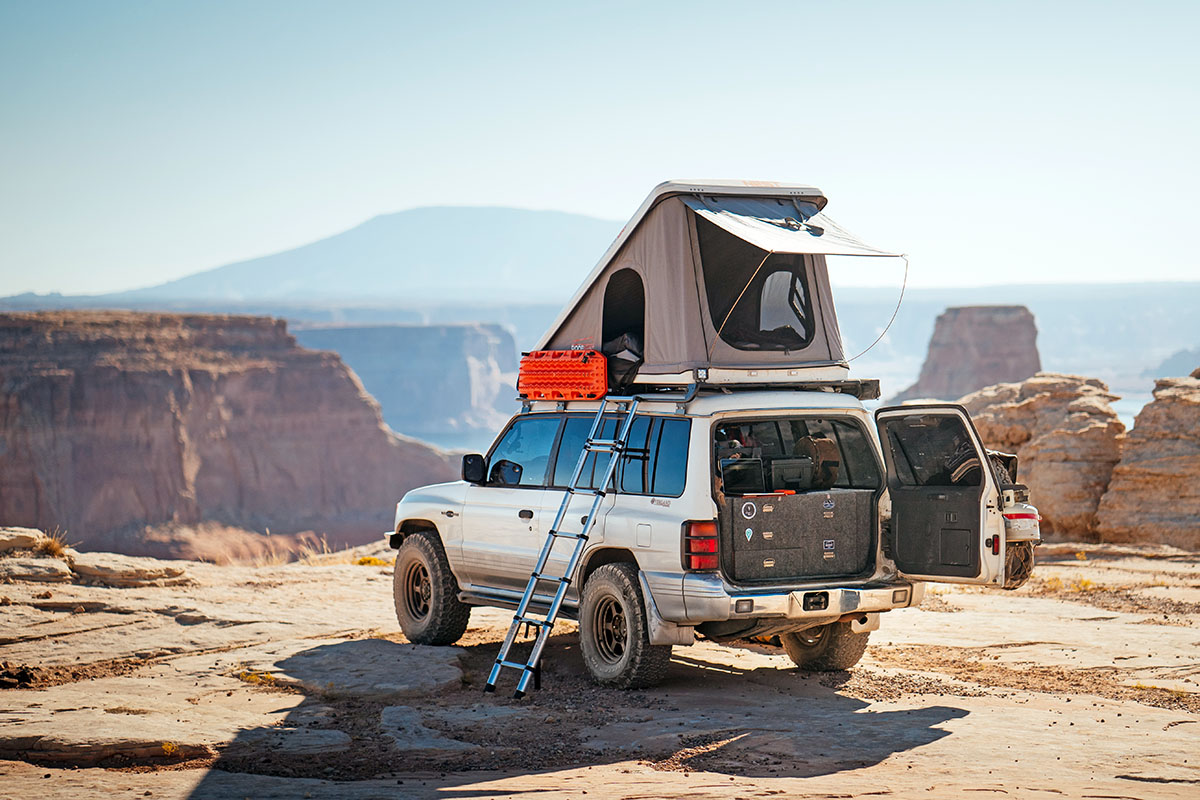
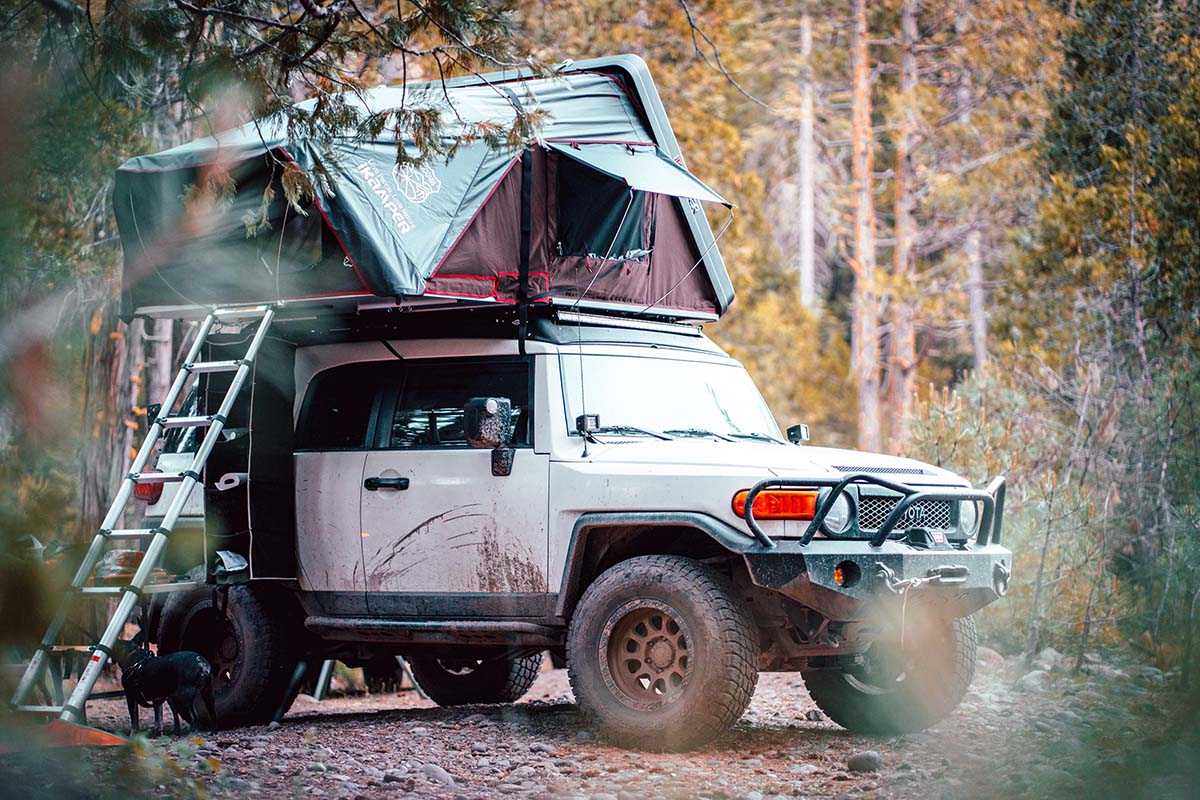
Hardshell models are the fastest setup hardshell rooftop tents on the market, often utilizing gas-assist struts that pop the tent open in under a minute. This is a game-changer if you enjoy overlanding where you move to a new location every single day. Because they are encased in a rigid shell, they offer a low profile rooftop tents for garage clearance advantage, keeping the overall height of your vehicle manageable for parking structures and tight forest trails.
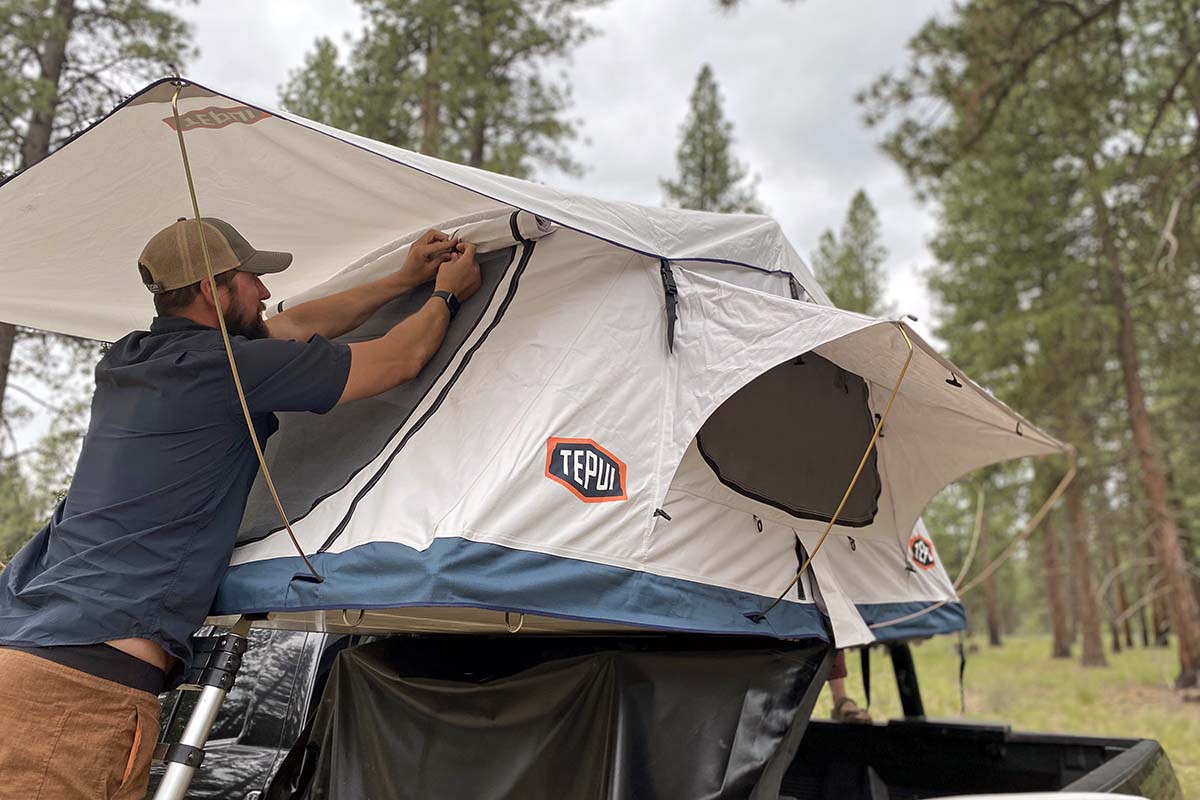
In contrast, softshell tents fold out like a book. While they take longer to pitch—usually involving manual poles and a rainfly—they offer a much larger interior volume and often come with a rooftop tent with annex for extra space. This makes them the go-to for families who need a basecamp feel. However, the trade-off is higher aerodynamic drag. On a 2,000-mile cross-country trip, the streamlined nature of a hardshell can save you between $60 and $120 in fuel costs compared to a boxed-out softshell.
Comparison at a Glance
| Feature | Hardshell Tents | Softshell Tents |
|---|---|---|
| Setup Speed | 30–60 Seconds | 5–10 Minutes |
| Aerodynamics | High (Fuel efficient) | Low (Bulky) |
| Durability | Extreme (Hard casing) | Moderate (Heavy fabric) |
| Interior Space | Compact / Efficient | Large / Expandable |
| Price Point | $2,500 – $5,000 | $1,200 – $2,500 |
Alex’s Expert Tip: If you are a solo traveler or a couple who hates chores, go hardshell. If you are camping with kids or dogs and staying in one spot for three days at a time, the extra space of a softshell is worth the manual labor.
Vehicle Compatibility: Determining Weight Limits
Before you click "buy" on the best rooftop tents, you must consult your vehicle's owner's manual. The most common mistake new overlanders make is confusing the weight of the occupants with the weight the car can carry while driving.
You need to understand two critical numbers: dynamic weight rating and static load capacity. The dynamic weight rating is what the roof can support while the vehicle is in motion. This is a safety limit designed to prevent your vehicle from becoming top-heavy and rolling during a sharp turn. Most consumer vehicles have a dynamic load rating between 50kg and 100kg, which translates to roughly 110 to 220 pounds. Since many tents weigh between 120 and 180 pounds, you are often operating near the limit.
The static load capacity is what the roof can support when the vehicle is parked. This is significantly higher—usually 600 to 800 pounds—because the weight is distributed through the structural pillars of the car. This is the rating that accounts for the tent, two adults, and your bedding.
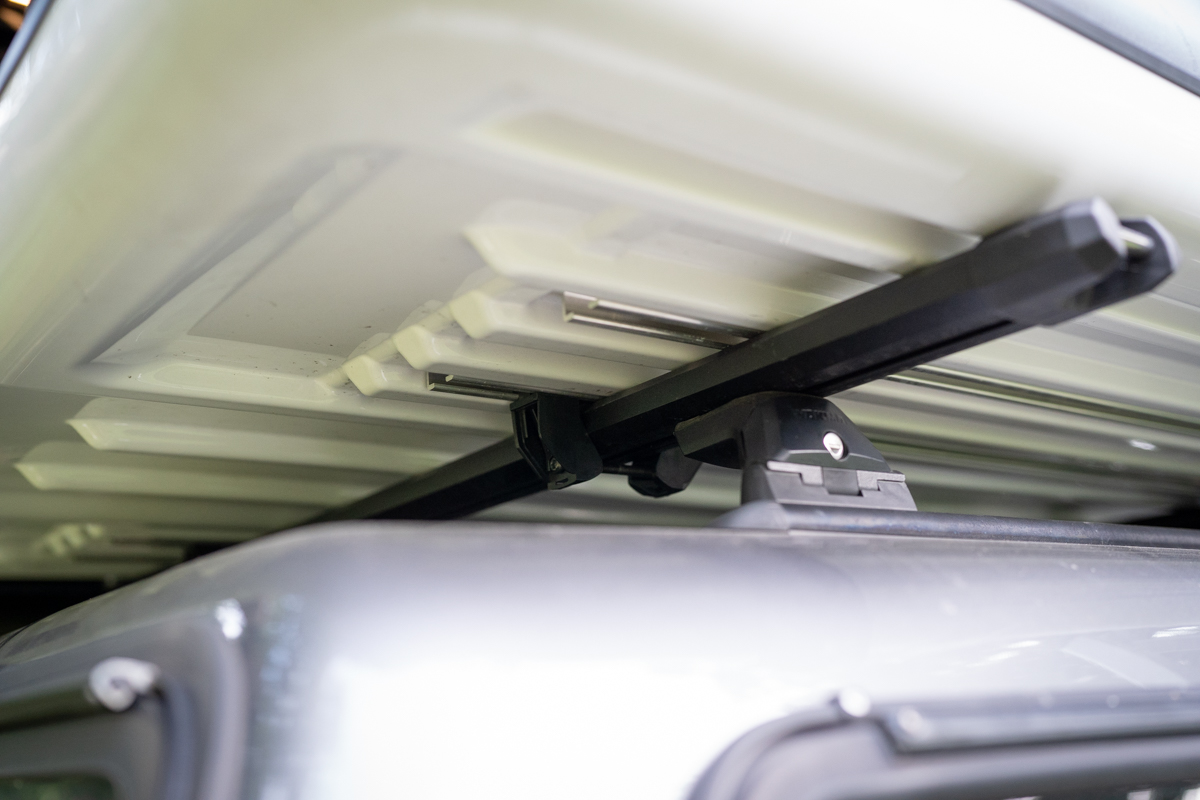
If you drive a sedan or a crossover, look specifically for best rooftop tents for small cars and sedans. These models are typically narrower and use lightweight materials to keep the total package under the 110-pound mark. Remember, the rooftop tent vehicle compatibility isn't just about the car roof; it’s about the rack system. Most factory-installed crossbars are not designed for rooftop tents, so you will likely need to upgrade to a heavy-duty aftermarket mounting brackets system.
If-Then Persona Recommendations
- If you drive a Subaru Outback and travel solo... Then choose a lightweight hardshell with a narrow footprint to preserve your center of gravity.
- If you have a full-size truck with a bed rack... Then go for a heavy-duty aluminum hardshell; weight is less of a concern than long-term durability.
- If you are a family of four on a budget... Then a large-format softshell with an annex is your best bet for maximizing sleeping quarters.
Material Science & Durability Standards
When you're caught in a high-altitude thunderstorm, the quality of your tent’s fabric is the only thing between you and a miserable night. Premium manufacturers use high-denier fabrics, typically measured in GSM (grams per square meter). You should look for a minimum of 280gsm ripstop polyester or poly-cotton blends. These materials offer the best tear resistance and mold resistance, which is vital if you are forced to pack the tent away while it’s still damp.
For hardshell enthusiasts, the debate often centers on aluminum vs plastic hardshell rooftop tent durability.
- PC-ABS Plastic: Lightweight and affordable, but can become brittle over years of intense UV exposure.
- Aluminum: The gold standard for overlanding. It is nearly indestructible against low-hanging branches and allows you to bolt accessories like recovery boards or solar panels directly to the shell.
- Fiber-reinforced plastic (FRP): Offers a middle ground, providing better thermal insulation than aluminum while being tougher than standard ABS.
Beyond the shell, pay attention to the hardware. A quality telescoping ladder should be made of anodized aluminum with locking increments to ensure stability on uneven terrain. Internally, an anti-condensation mat placed under the mattress is non-negotiable. Without it, your body heat will create moisture against the cold floor of the tent, leading to a damp mattress by morning.
Installation Guide & Maintenance
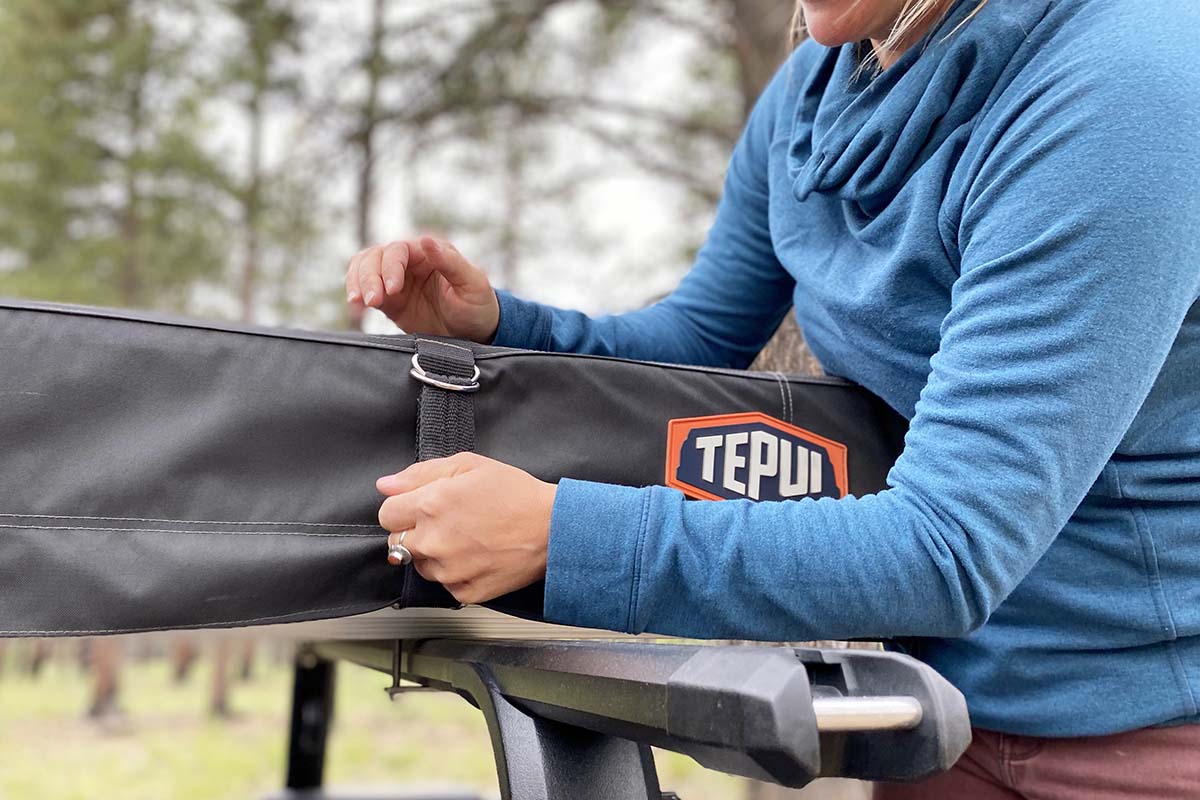
Setting up your rooftop tent for the first time can be intimidating, but a proper rooftop tent installation guide follows a few universal safety rules. Most tents use a rail and bolt system. You will slide the bolts into the tracks on the bottom of the tent and secure them to your roof rack using heavy-duty mounting brackets.
Step-by-Step Overview
- Check Rack Torque: Ensure your aftermarket roof rack is torqued to the manufacturer’s specifications.
- Positioning: Center the tent both left-to-right and front-to-back to maintain vehicle balance.
- Bolting: Tighten the brackets until they are snug, but avoid over-tightening to the point of bending the rack.
- The "Shake" Test: Once installed, physically grab the tent and try to move it. The whole car should rock; the tent should not move independently of the rack.
Comfort is the final piece of the puzzle. Most premium tents come with an integrated memory foam mattress, but many seasoned campers add a supplementary layer for a plush, home-like feel. To keep the tent in top shape, perform seasonal maintenance. Every few months, open the tent in your driveway and let it air out. Check the gas-assist struts for any loss of pressure and lubricate the zippers with a silicone spray to prevent salt or dust buildup from seizing the sliders.

FAQ
Are rooftop tents worth the investment?
For frequent campers and those who enjoy overlanding, the investment is usually worth it. They provide a more comfortable sleeping surface, better weather protection, and a significantly faster setup than traditional ground tents. Additionally, being elevated keeps you away from ground moisture, mud, and some wildlife, making the overall experience much cleaner and more convenient.
Can any vehicle support a rooftop tent?
Not every vehicle is suitable. Compatibility depends primarily on the vehicle's dynamic weight rating and the type of roof rack installed. While there are specific best rooftop tents for small cars and sedans, some vehicles with panoramic glass roofs or very low load limits cannot safely support the weight of a tent. Always consult your vehicle manual before purchasing.
What is the difference between a hard shell and soft shell rooftop tent?
The primary hardshell vs softshell rooftop tent differences are setup speed and aerodynamics. Hardshell tents feature a rigid top and open in seconds, offering better fuel efficiency due to their slim profile. Softshell tents fold out to provide a larger living area at a lower price point but take longer to set up and create more wind resistance while driving.
Do rooftop tents affect gas mileage?
Yes, they do. Any object on your roof increases aerodynamic drag. A bulky softshell can reduce fuel efficiency by as much as 10% to 15%. A low profile rooftop tents for garage clearance model or a streamlined hardshell typically has a smaller impact, often reducing mileage by only 2% to 5% depending on your driving speed.
Do you need a special roof rack for a rooftop tent?
Often, yes. Most factory-installed crossbars are designed for luggage or skis and may not handle the dynamic weight of a tent. You typically need a heavy-duty aftermarket rack system (like those from Thule, Yakima, or Front Runner) that is specifically rated for the weight of the tent and its occupants.
How much weight can a rooftop tent safely hold?
When parked (static load), most rooftop tents can safely support between 600 and 900 pounds, which easily accommodates 2–3 adults and gear. However, the limit you must watch is the rooftop tent vehicle weight capacity limits for driving, which is the dynamic load. Most vehicles are rated to carry 110 to 200 pounds while in motion.