Quick Facts
- Consensus: According to recent data, 87% of long-distance hikers now prefer trail runners over traditional boots.
- Weight Benchmark: Expect a weight range of 8.5 to 10.2 oz per shoe for optimal efficiency.
- Upper Material: Non-waterproof mesh is the gold standard for drainage performance and breathability.
- Lifespan: Plan to replace your footwear every 300 to 500 miles as midsole cushioning compresses.
- Sizing Rule: Sizing trail runners for foot swelling during long distance hikes usually requires going up 0.5 to 1 full US size.
- Efficiency: The "1:5 rule" suggests that weight removed from the feet is five times more effective at reducing foot fatigue than weight removed from a pack.
According to the 2025 Appalachian Trail Thru-Hiker Survey, 87% of hikers wore trail runners for the majority of their journey, while 77% of participants began their hike in that footwear style. Thru-hiking trail runners are the preferred choice for long-distance hikers because they offer superior breathability, reduced foot fatigue, and faster drying times compared to traditional boots.
Switching from Boots: Why Trail Runners Win
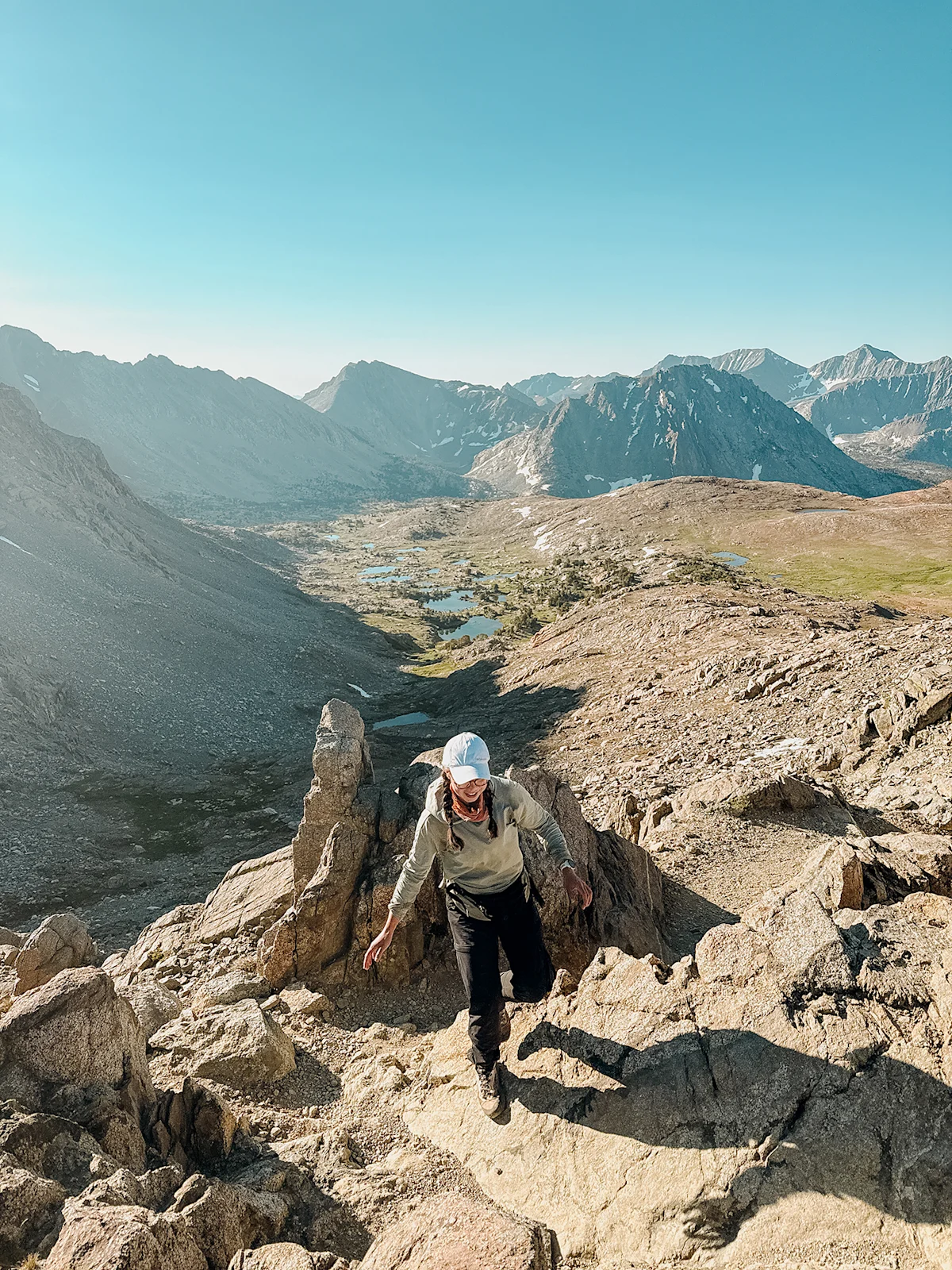
For decades, the standard advice for anyone carrying a heavy pack was to wear stiff, high-top leather boots for ankle support. However, as the ultralight kit became the norm, the philosophy around footwear shifted toward efficiency and comfort. When switching from hiking boots to trail runners for thru-hiking, the first thing you notice is the reduction in swing weight. There is a long-standing adage in the backpacking community: "one pound on your feet equals five pounds on your back." By choosing a light shoe, you are effectively saving thousands of pounds of cumulative lifted weight over the course of a 20-mile day.
The debate regarding hiking boots vs trail runners often centers on ankle protection. While boots provide a physical barrier, trail runners allow for better proprioception—the body’s ability to sense its position in space. By being closer to the ground and having a more flexible sole, your ankles can react more naturally to uneven terrain, which often prevents rolls rather than just bracing against them. For the first-timer, this means a more nimble feel that drastically reduces overall foot fatigue during high-mileage weeks.
The Anatomy of Choice: Stack Height, Drop, and Traction
Selecting the right thru-hiking trail runners requires a deep dive into the technical specs of the shoe. Three factors will define your experience: stack height, heel-to-toe drop, and the outsole compound.
Stack height refers to the amount of material between your foot and the ground. A high stack height, like that found in Hoka models, provides maximum cushioning, which is excellent for joint protection on hard-packed dirt. However, some hikers prefer a lower stack height to maintain a better "trail feel." If the trail is particularly rocky, look for a shoe with an integrated rock plate—a thin layer of hard plastic or carbon fiber that prevents sharp stones from bruising your feet.
Then there is the concept of Zero-drop, popularized by brands like Altra. This means your heel and forefoot are at the same height, mimicking a natural barefoot stance. While this encourages better posture and toe splay, it comes with a warning: if you are used to traditional shoes with an 8mm to 10mm drop, switching overnight can lead to significant Achilles strain. Most experts recommend a slow transition or sticking to a moderate drop for your first thru-hike.
Traction is your insurance policy. Look for outsoles featuring Vibram Megagrip or similar high-friction rubber compounds. For the muddy sections of the Appalachian Trail, deeper lugs (5mm+) are necessary, whereas the granite of the High Sierra calls for a stickier, flatter lug pattern.
Popular Thru-Hiking Models Comparison
| Model | Drop | Stack Height | Best For |
|---|---|---|---|
| Altra Lone Peak 8 | 0mm | 25mm | Wide feet / Natural splay |
| Hoka Speedgoat 6 | 4mm | 32mm | Maximum cushioning |
| La Sportiva Bushido III | 6mm | 19mm | Technical, rocky terrain |
| Saucony Peregrine 14 | 4mm | 28mm | Versatile grip and speed |
Breathability over Waterproofing: The Mesh Advantage
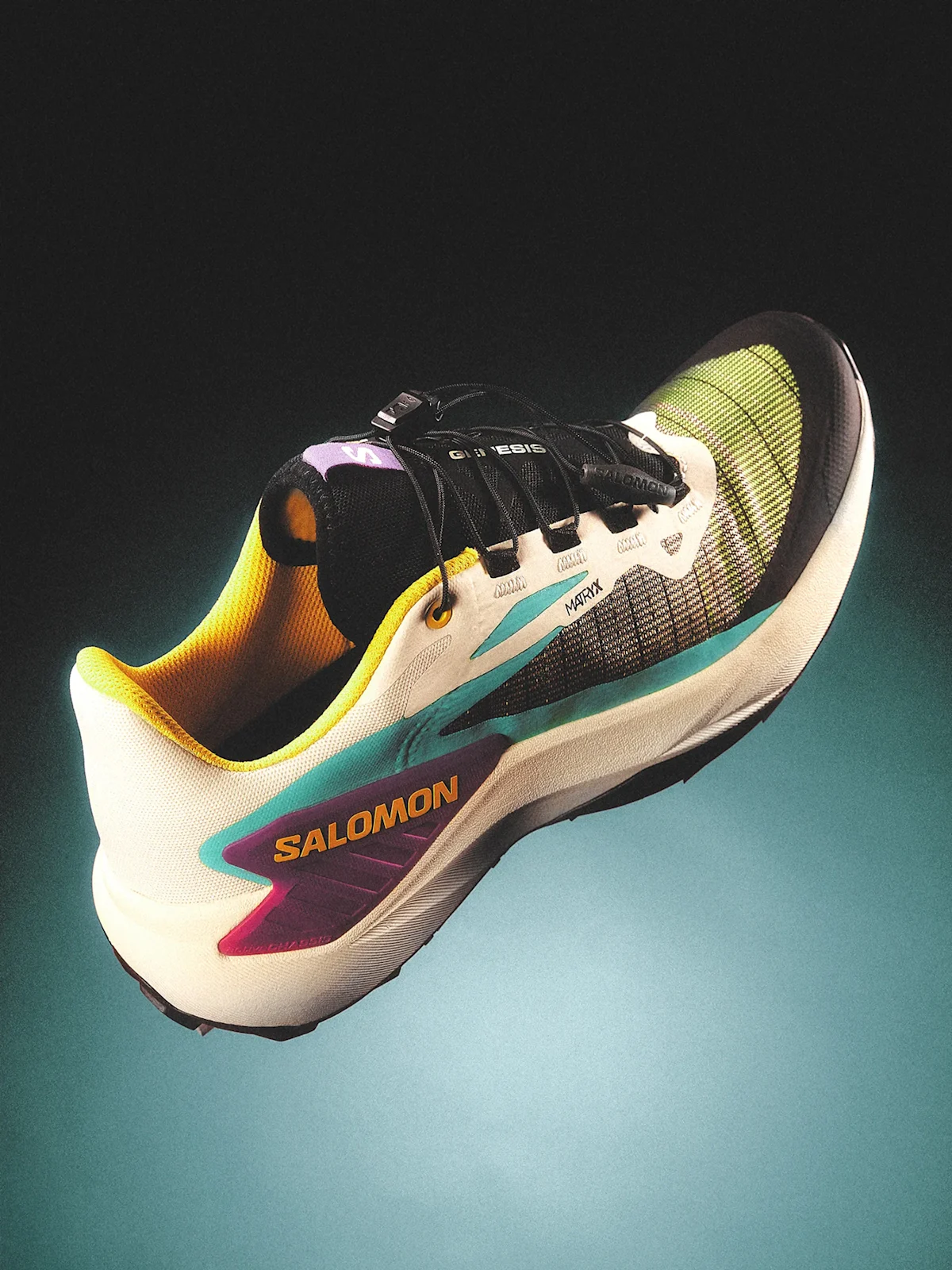
The most common mistake a novice makes is choosing a waterproof (Gore-Tex) version of their favorite backpacking trail running shoes. In a laboratory, a waterproof liner sounds perfect. In the field, it is often a liability. On a thru-hike, you will inevitably encounter rain or deep stream crossings. Once water gets over the collar of a waterproof shoe, it stays there. The liner that keeps water out also keeps water in, turning your footwear into heavy, sloshing buckets.
Choosing non-waterproof mesh trail runners vs gore-tex for thru-hiking is essential for moisture management. A breathable mesh upper allows for high-level drainage performance, meaning the water literally squeezes out as you walk. On a sunny day, mesh shoes can dry within thirty minutes of a river crossing. This constant cycle of drying is the best defense against maceration—the softening of the skin that leads to some of the most painful blisters imaginable. Furthermore, mesh allows sweat to evaporate, keeping your feet cooler and reducing the friction caused by moisture buildup.
The 'Thru-Hiker Foot': Sizing for Swelling and Splay
After a few hundred miles, your feet will change. Significant, permanent swelling is common as the arches flatten and the soft tissues expand under the weight of a pack. This is why thru-hiking trail runners for wide toe box and blister prevention are so popular. A wide toe box allows for natural toe splay, preventing your toes from being smashed together and causing "pinky toe" blisters.
When sizing trail runners for foot swelling during long distance hikes, the general rule is to buy half a size to a full size larger than your casual shoes. You should have a thumb’s width of space between your longest toe and the front of the shoe. To keep your foot secure despite the extra room, learn the heel lock lacing technique. This prevents your foot from sliding forward on steep descents, which would otherwise result in bruised toenails or the dreaded "hiker toe" where nails eventually turn black and fall off.
Longevity Logistics: When to Replace Your Shoes
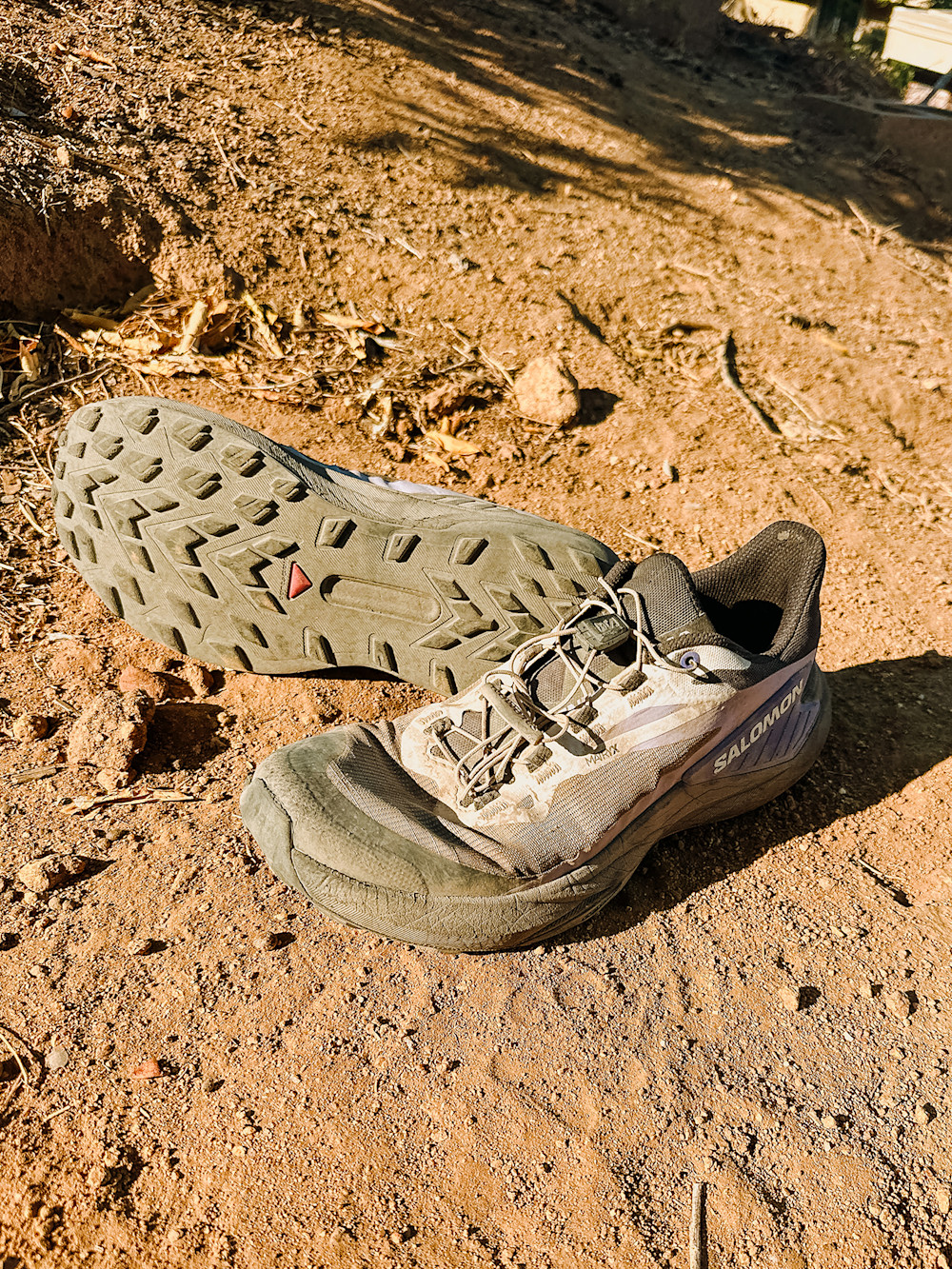
How many miles do trail runners last on a thru-hike? On average, trail running shoes have a lifespan of 300 to 500 miles, after which the structural integrity of the foam starts to deteriorate. While the outsole might still have some tread, the internal cushioning—the midsole—will compress and lose its ability to absorb shock.
The average thru-hiker uses four pairs of shoes to complete a long-distance journey like the Appalachian Trail. Evaluating trail runner midsole compression for 100+ mile trips is a skill you will develop. If you start feeling unusual aches in your knees, hips, or the soles of your feet, it is likely a sign that your foam has packed out. Don't wait for the shoe to fall apart completely before ordering a new pair. Most hikers plan their footwear replacements by mailing new shoes to post offices or gear shops along the trail. Looking for durable trail runners for thru-hiking is helpful, but remember that no shoe is designed to last 2,000 miles.
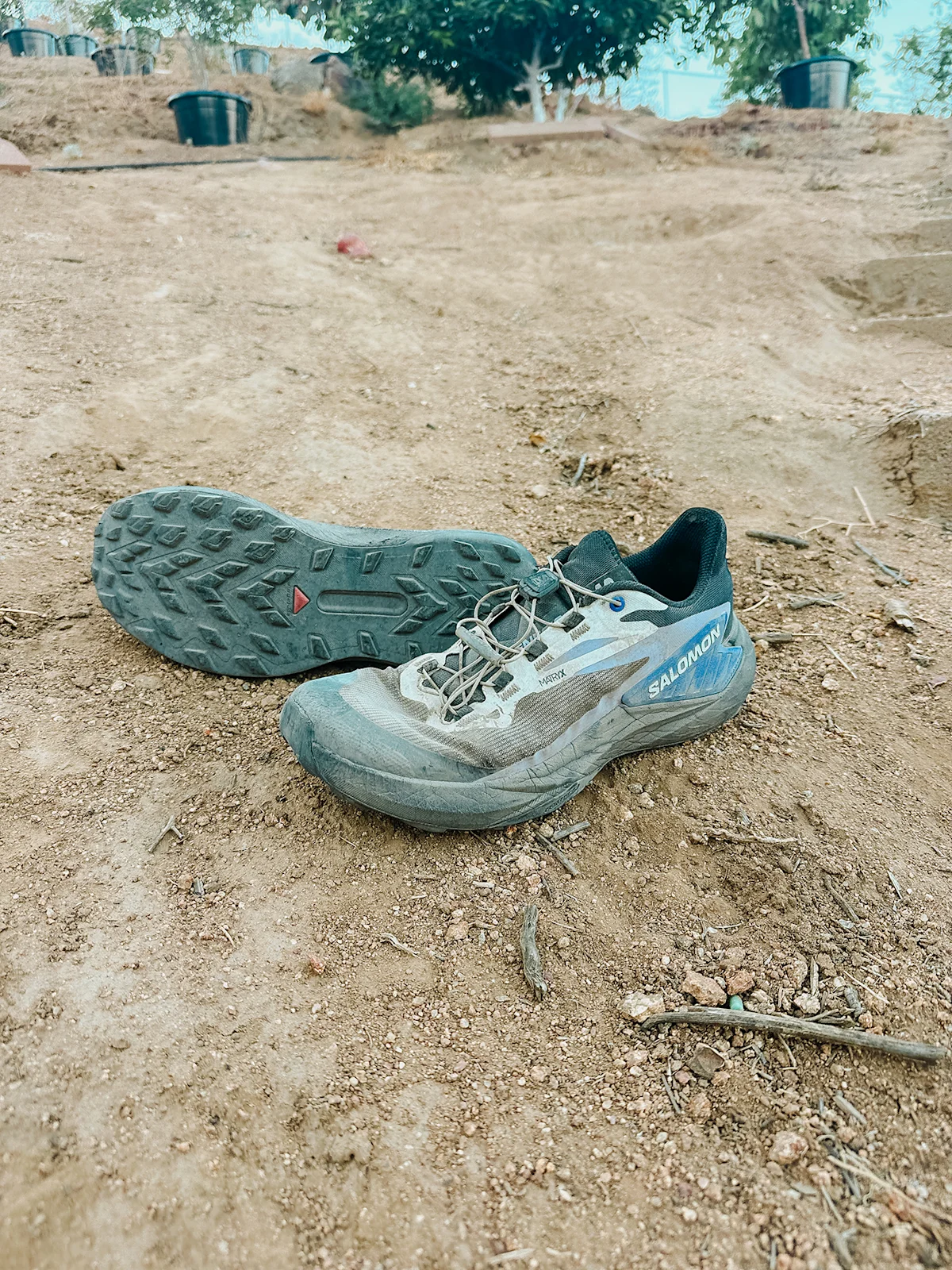
Pro Tip: Use gaiter traps—small Velcro tabs found on many thru-hiking trail runners—to attach lightweight gaiters. These keep sand, pine needles, and small pebbles out of your shoes, which is one of the easiest ways to prevent premature wear on the inner lining and avoid blisters.
FAQ
Are trail runners better than boots for thru-hiking?
For the vast majority of hikers, yes. They are lighter, more breathable, and require almost no break-in period. While boots offer more mechanical ankle support and durability, the reduced foot fatigue and blister prevention offered by lighter footwear make trail runners the dominant choice on modern long-distance trails.
How many pairs of trail runners do you need for a thru-hike?
The average hiker will go through four to five pairs of shoes on a 2,000-mile trek. Because the midsole foam compresses and the outsole tread wears down, shoes typically need replacement every 400 to 500 miles to prevent joint pain and maintain adequate traction.
Do trail runners provide enough ankle support for backpacking?
Trail runners provide support through stability and ground feel rather than high-top collars. By allowing your foot to sit closer to the ground and move naturally, your body can better self-correct on uneven terrain. Most hikers find that as their leg muscles and tendons strengthen during the first few weeks of a hike, the lack of a stiff boot collar becomes a non-issue.
Should I get waterproof trail runners for long distance hiking?
Generally, no. Waterproof liners like Gore-Tex trap heat and sweat, and once they get wet inside—which they will during heavy rain or river crossings—they take a very long time to dry. Breathable mesh shoes drain water and dry much faster, which is better for maintaining long-term skin health on the trail.
How do you choose the right size trail runners for thru-hiking?
You should typically size up by 0.5 to 1 full size from your standard street shoe. Your feet will swell significantly over months of hiking, and having extra room in the toe box prevents blisters and lost toenails. A good rule of thumb is to ensure you have a full thumb's width of space at the front of the shoe while wearing your hiking socks.