Quick Facts
- The 5-to-1 Energy Rule: Every pound on your feet equates to five pounds of weight in your backpack in terms of energy expenditure.
- Modern Preference: Approximately 67% of hiking footwear buyers in the United States now prefer lightweight designs weighing under 900 grams per pair.
- Replacement Cycles: Lightweight trail runners generally last 350 to 500 miles, while traditional boots average 500 to 1,000 miles before structural support is compromised.
- Fit Timing: Always test footwear in the afternoon to account for natural foot swelling, which can increase foot volume by up to 5%.
- Waterproofing Trade-off: Membranes like Gore-Tex keep external water out but significantly reduce breathability, potentially leading to sweat-induced blisters in warm climates.
- Traction Essentials: Success on technical terrain depends on lug depth and rubber compound; Vibram outsoles remain the industry benchmark for wet and dry grip.
Choosing hiking shoes is the most critical gear decision for any trekker. Based on the 5-to-1 energy rule, your footwear choice impacts your endurance and safety more than any other piece of equipment. Trail runners are lightweight, nimble, and require little break-in time, making them ideal for moving fast on established trails. Hiking boots provide superior ankle support and stability for heavy packs and uneven, rocky terrain. While trail runners maximize speed, traditional boots offer better protection in rough or snowy environments.
The 5-to-1 Rule: Why Footwear Weight Matters
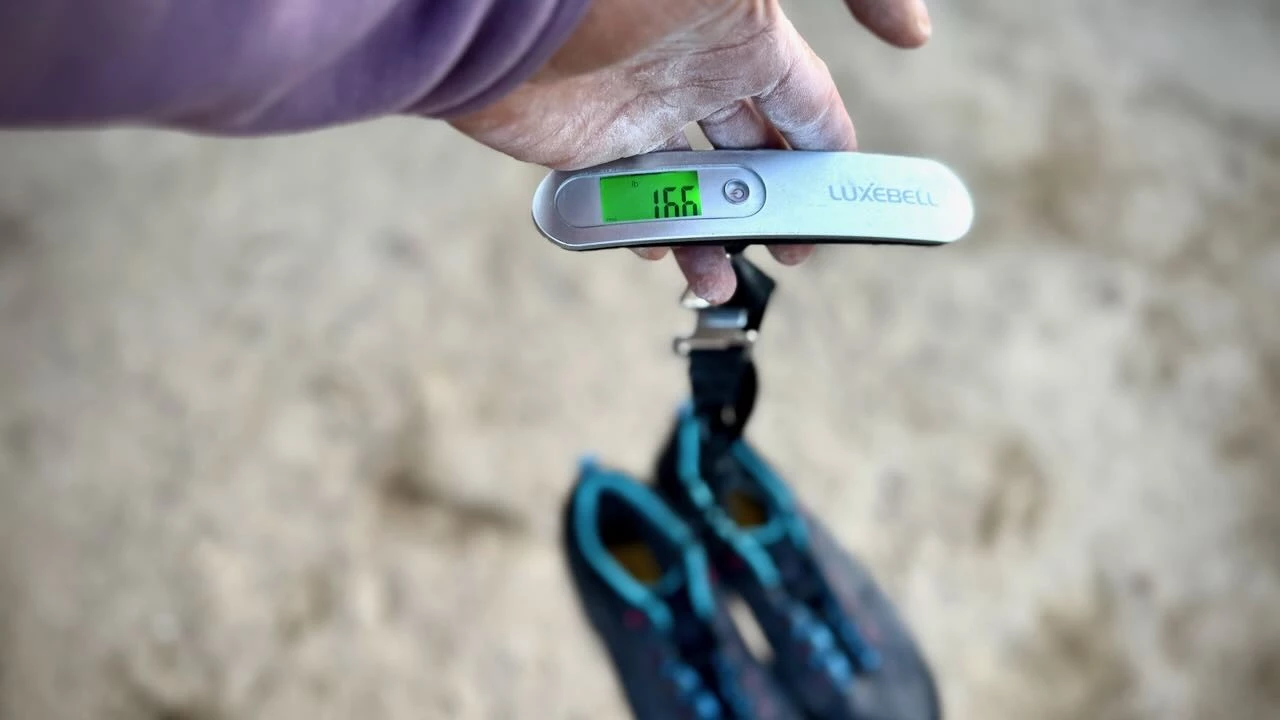
In the world of thru-hiking and high-mileage trekking, there is a fundamental law of physics known as the 5-to-1 energy rule. Field studies conducted by the military and gear researchers have consistently shown that one pound on the feet is equal to five pounds on the back. When you pick up your feet thousands of times a day, even a few extra ounces per shoe can lead to premature fatigue. This metabolic cost is exactly why there has been a massive shift in the industry toward lighter equipment.
Recent market data shows that 67% of hiking footwear buyers in the United States are moving away from heavy, stiff leather and choosing shoes weighing under 900 grams. For most hikers, if your total pack weight stays under 30 pounds, the weight savings provided by EVA midsoles and synthetic fabrics far outweigh the need for a stiff, heavy chassis.
Trail Runners vs. Hiking Boots: Matching Footwear to Your Load
The age-old debate of trail runners vs hiking boots usually comes down to 'load management.' Your shoes should be selected based on the terrain you plan to cover and the weight you intend to carry. If you are embarking on trail runners vs hiking boots for multi day backpacking, consider your experience level. A seasoned hiker with strong ankles might prefer the agility of a runner, whereas a beginner carrying a 45-pound pack will benefit from the rigid platform of a boot.
| Feature | Trail Runners | Hiking Boots |
|---|---|---|
| Typical Weight | 600g - 900g per pair | 1.1kg - 1.6kg per pair |
| Ankle Support | Low (allows natural range of motion) | High (prevents rolling on rocky terrain) |
| Durability | 350 - 500 miles | 500 - 1,000 miles |
| Best For | Thru-hiking, fast packing, summer trails | Heavy backpacking, snow, off-trail bushwhacking |
For those prioritizing ankle stability, a mid-cut boot like the Salomon X Ultra offers a compromise—it has the DNA of a running shoe but with a higher cuff to protect the joint. If you need maximum cushion for long days on hard-packed dirt, the Hoka Speedgoat series uses a high-volume EVA midsoles to absorb impact, though it lacks the lateral stiffness of a traditional boot.
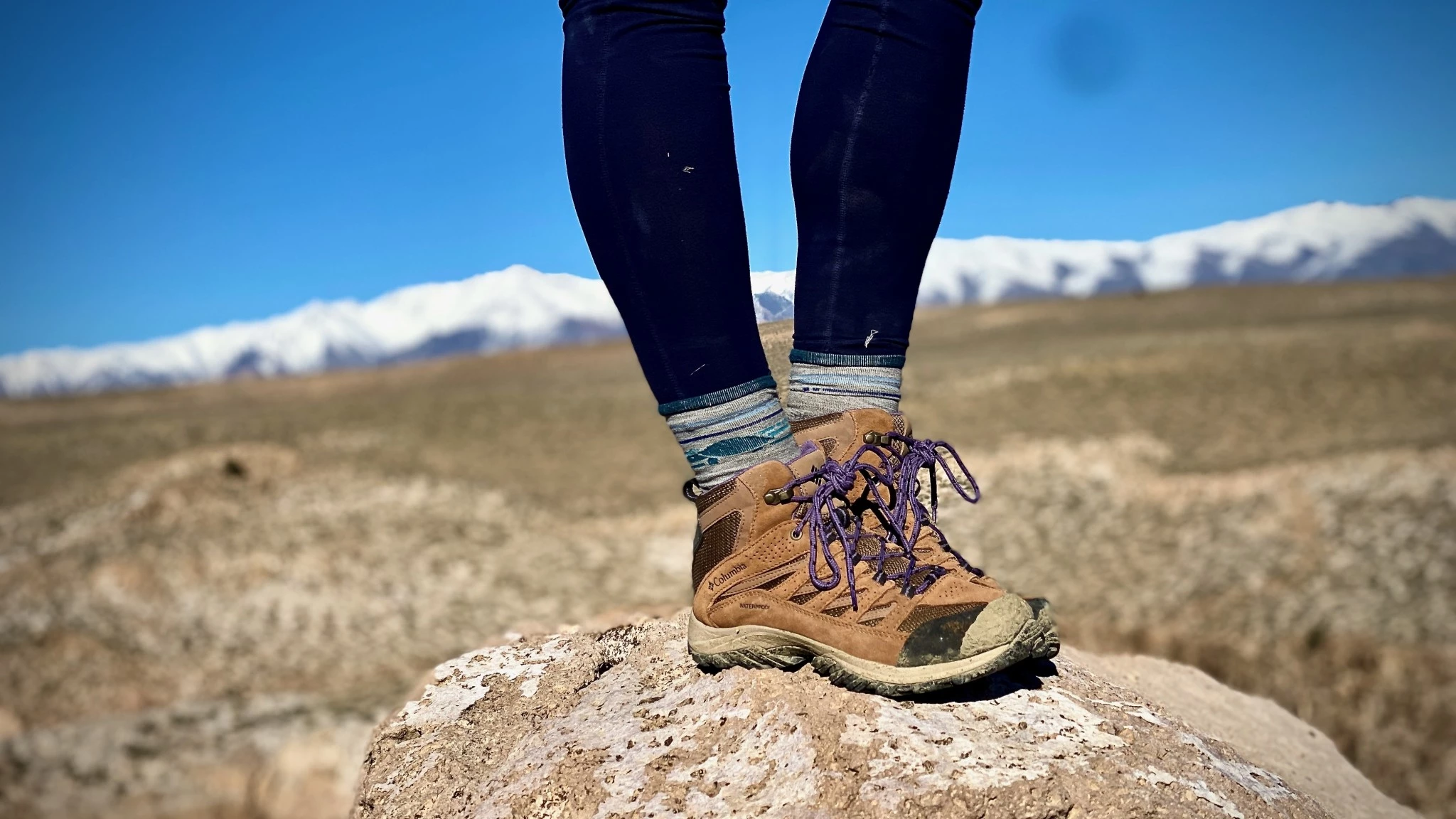
Traditionalists often argue that higher boots prevent rolled ankles, but modern sports science suggests that ankle stability is more about foot placement and strength than the height of the leather wrap. However, when you are exhausted at mile 15 on a rocky descent, that extra structural support can be a lifesaver.
The Waterproofing Paradox: Gore-Tex vs. Breathable Mesh
One of the most common questions I receive as an editor is whether to choose waterproof hiking shoes pros and cons. It seems like a logical choice—who wouldn't want dry feet? However, there is a significant trade-off.
Waterproof hiking shoes with membranes like Gore-Tex are effective for wet, muddy, or snowy conditions but limit overall breathability. This can cause feet to overheat and sweat in warm climates. When moisture is trapped inside the shoe from the inside out, it softens the skin, which is the primary leading cause of friction and blisters.
In contrast, non-waterproof mesh designs offer better ventilation and dry significantly faster. For those choosing between waterproof and breathable mesh hiking shoes in arid environments or during the peak of summer, mesh is almost always the superior choice. If a mesh shoe gets soaked during a stream crossing, it will often be dry within an hour of walking. A Gore-Tex boot, once soaked from the top, may stay wet for several days.

Technical Specs: Stack Height, Drop, and Traction
To truly understand how a shoe will perform, you need to look past the color and branding at the specific technical metrics.
Stack Height
This refers to the amount of material between your foot and the ground. A high stack height (30mm+) provides more cushioning, which is excellent for joint protection on long descents. A lower stack height (20mm or less) provides better "ground feel," which is essential for balance on technical, uneven terrain.
Heel-to-toe drop
The drop is the difference in height between the heel and the forefoot. Traditional boots often have a 10mm-12mm drop, which puts more load on the knees but protects the Achilles tendon. Zero-drop or low-drop shoes (0mm-5mm) promote a more natural midfoot strike but require a significant break-in period for your calves to adjust.
Outsole and Traction
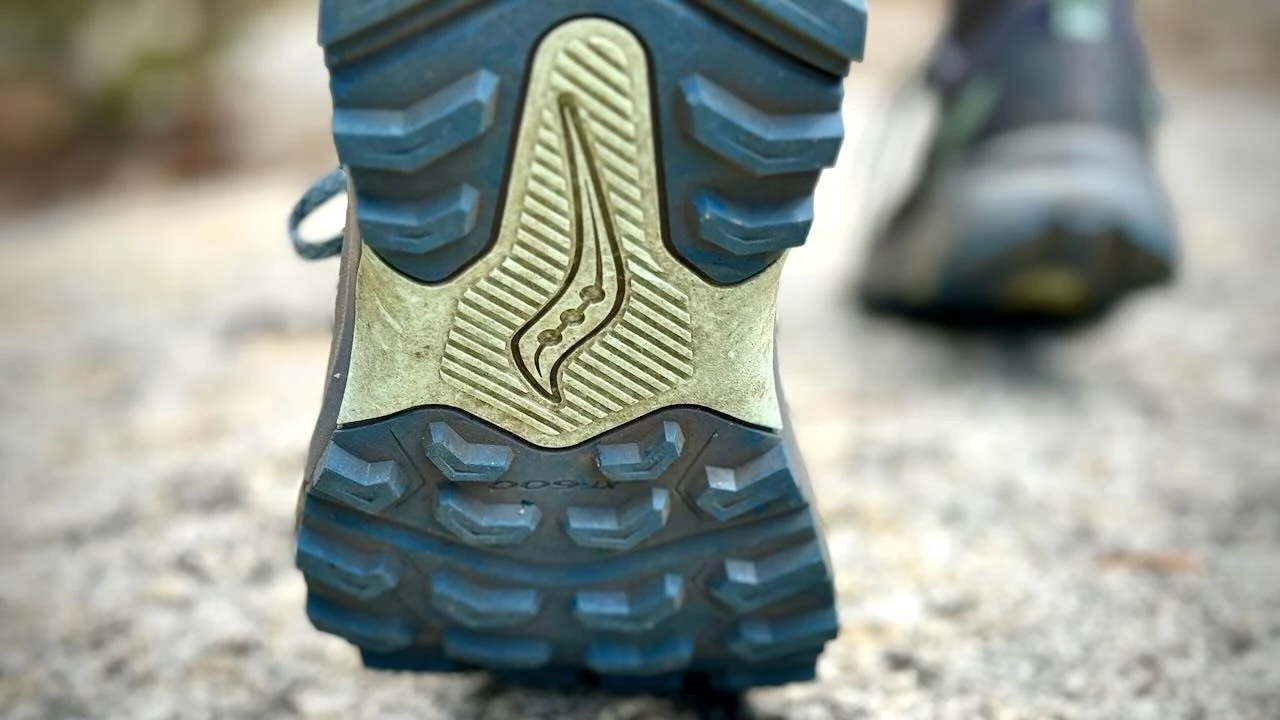
When understanding hiking shoe traction for mud and loose dirt, look at the lug depth. Lugs are the "teeth" on the bottom of the shoe.
- 4mm - 5mm Lugs: Ideal for most trails and hard-packed dirt.
- 6mm+ Lugs: Best for deep mud, loose scree, and soft snow.
Vibram outsoles are widely considered the gold standard in the industry, specifically the Megagrip compound, which offers a sticky surface for scrambling over wet granite. Some brands utilize TPU rock plates embedded in the midsole to prevent sharp stones from poking through to your foot, a feature I highly recommend for anyone hiking in volcanic or limestone regions.
The Anatomy of Fit: Sizing for Downhill and Wide Feet
You can buy the most expensive mountaineering boot on the market, but if the fit is wrong, your hike will be a misery. Statistics show that roughly 20% of hikers experience blisters and strains, injuries that are frequently attributed to walking long distances in new or improperly fitted shoes.
For a successful hiking shoe fit tips session, follow these rules:
- The Afternoon Rule: Always shop in the afternoon. Your feet will swell throughout the day, just as they will on a 10-mile hike.
- The Slope Test: Most gear shops have a small wooden ramp. Walk down it. If your toes touch the front of the shoe, you need to size up. This is vital for how to test hiking shoe fit for downhill comfort.
- The Finger Test: With your toes all the way to the front, you should be able to slide one finger behind your heel.
Finding hiking shoes for wide feet and anatomical toe boxes has become easier with brands like Altra and Topo Athletic, which design shoes that mimic the natural shape of the foot. A wide toe box allows your toes to splay, improving balance and reducing the risk of bunions and pinched nerves.
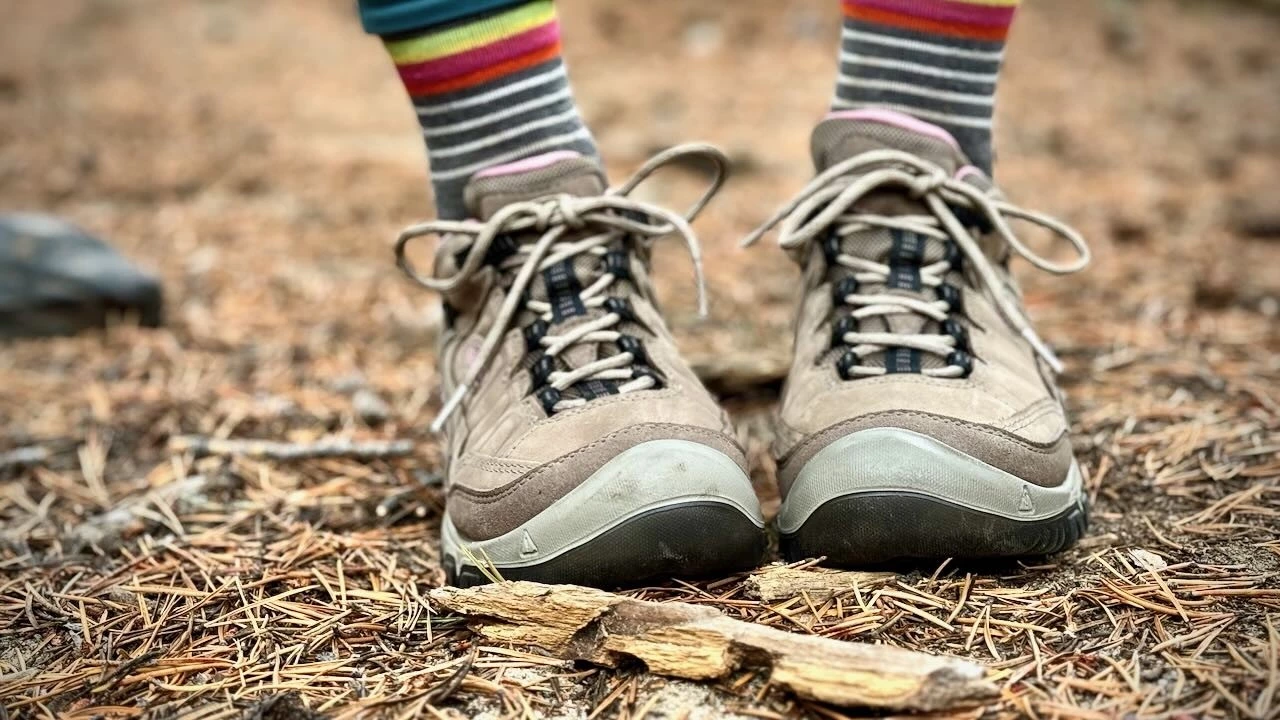
Finally, master your lacing. A "heel lock" or "runner's loop" is a specific lacing technique that uses the extra eyelet at the top of the shoe to cinch the heel into the back of the cup. This is the single most effective way to ensure a secure heel and achieve blister prevention.
FAQ
How do I choose the right hiking shoes?
The best way to choose should be based on a combination of your typical pack weight, the technicality of the terrain, and your personal foot shape. Start by determining if you value speed and weight savings over heavy-duty protection and ankle support. Always prioritize fit over features, and ensure you have enough room to account for foot swelling.
What is the difference between hiking shoes and hiking boots?
The primary difference lies in the ankle cuff height and the stiffness of the sole. Hiking boots offer a higher cut for ankle stability and a stiffer midsole for carrying heavy loads. Hiking shoes typically cut below the ankle and are more flexible, making them lighter and better for faster movement on well-maintained trails.
Are waterproof hiking shoes worth it?
They are worth it if you frequently hike in temperatures below 50°F (10°C) where keeping feet dry prevents hypothermia, or if you trek through persistent mud. However, for most summer hiking, they are often too hot and can lead to increased sweating and blisters. A breathable mesh shoe that dries quickly is often more comfortable in warm weather.
How should hiking shoes fit to avoid blisters?
A proper fit should be snug in the heel to prevent lifting but spacious in the toe box to allow for movement. There should be no "hot spots" or areas of immediate pressure. Using moisture-wicking socks made of wool or synthetic blends, rather than cotton, is also essential for blister prevention.
Do I need to break in new hiking shoes?
Modern synthetic shoes and trail runners require very little break-in period, often feeling comfortable right out of the box. However, traditional leather boots have a much steeper break-in period and should be worn on several shorter walks before attempting a long-distance trek to allow the materials to soften and conform to your foot.
Can I wear running shoes for hiking?
Standard road running shoes are generally not recommended for hiking because they lack the necessary outsole traction and toe protection. However, trail running shoes are specifically designed for off-road use and are an excellent, popular choice for most modern hikers who want to move quickly and efficiently.