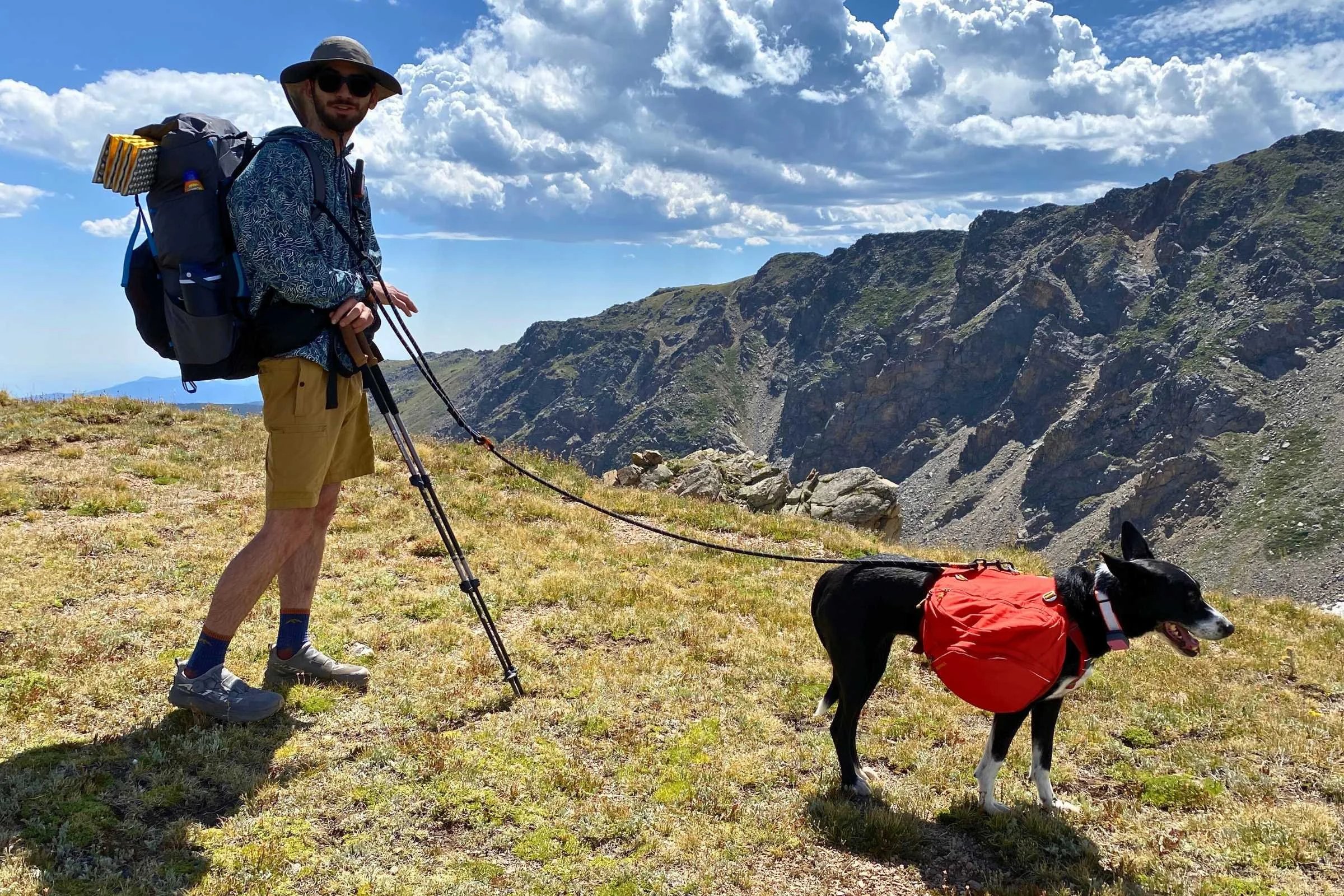
Quick Facts
- Growth Plates: Puppies should wait 12-24 months for skeletal maturity to avoid lifelong joint issues.
- Hydration: Plan to offer your dog at least 8oz of filtered water per hour of activity.
- Weight Limit: Fit dogs can carry 10-25% of their body weight in a pack, depending on build and fitness.
- Etiquette: Adhere to B.A.R.K. principles: Bag waste, Always leash, Respect wildlife, and Know where you can go.
- Safety: Use the 10-second hand test for ground temperature; if you cannot hold your hand on the trail for 10 seconds, it is too hot for paws.
- First Aid: Never hit the trail without a canine-specific first aid kit and a reliable emergency evacuation sling.
Safely hiking with dogs requires assessing your pet's fitness level, ensuring they are up to date on vaccinations, and training essential commands like reliable recall and leave it. Monitor for signs of overexertion such as heavy panting or limping, and always pack a canine-specific first aid kit. Use a sturdy harness with a handle for difficult terrain and manage hydration by offering filtered water every 30 to 60 minutes.
Physical Readiness: Age and Conditioning
Before you lace up your boots and head for the trailhead, the most critical step is an honest assessment of your dog’s physical readiness. While it is true that 50 percent of dog owners take their pets on hikes, not all are physically prepared for the demands of elevation gain and technical terrain.
For owners of young dogs, hiking with puppies growth plate safety is the most vital consideration. Puppies are not just small dogs; their bones are literally still forming. Forcing a puppy into long-distance hiking before they reach skeletal maturity—which typically occurs between 12 and 24 months depending on the breed—can lead to irreversible orthopedic health issues. Over-exercising a developing dog can cause premature closure of growth plates, leading to limb deformities or early-onset arthritis. Consult your veterinarian for a clearance check before attempting anything beyond a gentle neighborhood stroll.
Conditioning for adult dogs should be as systematic as a human training for a marathon. You wouldn't jump from the couch to a fifteen-mile mountain peak overnight, and neither should your dog. Start with two-mile flat walks on natural surfaces to toughen up their paw pads and build cardiovascular strength. Gradually increase the distance and incline by 10% each week. This slow progression is the best way to ensure trail safety for dogs by preventing soft tissue injuries and exhaustion. Remember that training dogs for hiking involves more than just physical movement; it’s about building the mental stamina to handle shifting environments and distractions.
Essential Training: The 4 Critical Commands
Success in hiking with dogs depends heavily on a foundation of reliable communication. A dog that does not listen at home will certainly not listen when a marmot darts across the trail. Research from Johns Hopkins University highlights the risks of poor control; emergency room visits for injuries related to walking leashed dogs more than quadrupled between 2001 and 2020. To keep both you and your pet out of the hospital, you must master how to train a dog for hiking trails using four non-negotiable commands.
Reliable recall training is the absolute priority. If you encounter a predator or a cliff edge, your dog must return to you instantly on the first whistle or call. In many areas, dog trail etiquette for off leash hiking requires that the dog be under immediate voice control if not physically tethered. Beyond the safety of your dog, a loose pet can wreak havoc on the local ecosystem; a study noted that a hiker with a dog causes wildlife displacement reaching 280 feet from a trail, which is why wildlife avoidance is a core responsibility.
The "Leave It" command is equally vital. The trail is filled with temptations, from toxic mushrooms and animal feces to protective rattlesnakes. A solid "Leave It" prevents ingestions that could lead to an expensive or tragic vet visit. Furthermore, teaching "Wait" at trail intersections or technical obstacles allows you to navigate the terrain first and then guide your dog safely through. Finally, focused heeling is necessary when passing other hikers, horses, or mountain bikers to ensure everyone’s safety on narrow paths.
The Professional Dog Hiking Gear Checklist
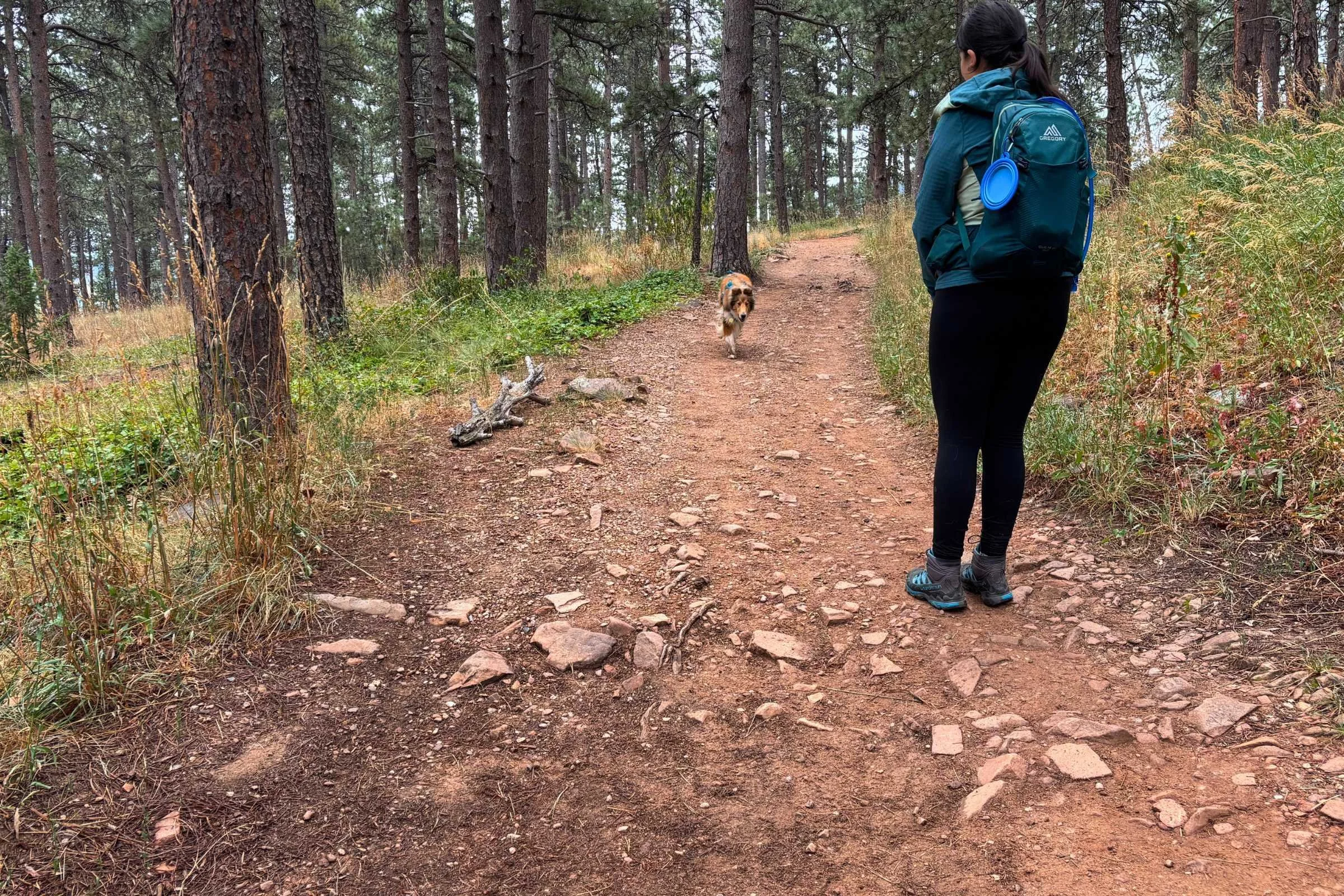
Equipping your dog for the backcountry is about more than just a standard leash. When building an essential gear for hiking with dogs checklist, start with a high-quality harness. Unlike a collar, technical dog harnesses distribute pressure across the chest and shoulders, preventing neck injuries during a slip. Look for a model with a sturdy back handle, which is indispensable for assisting your dog over large boulders or through steep sections.
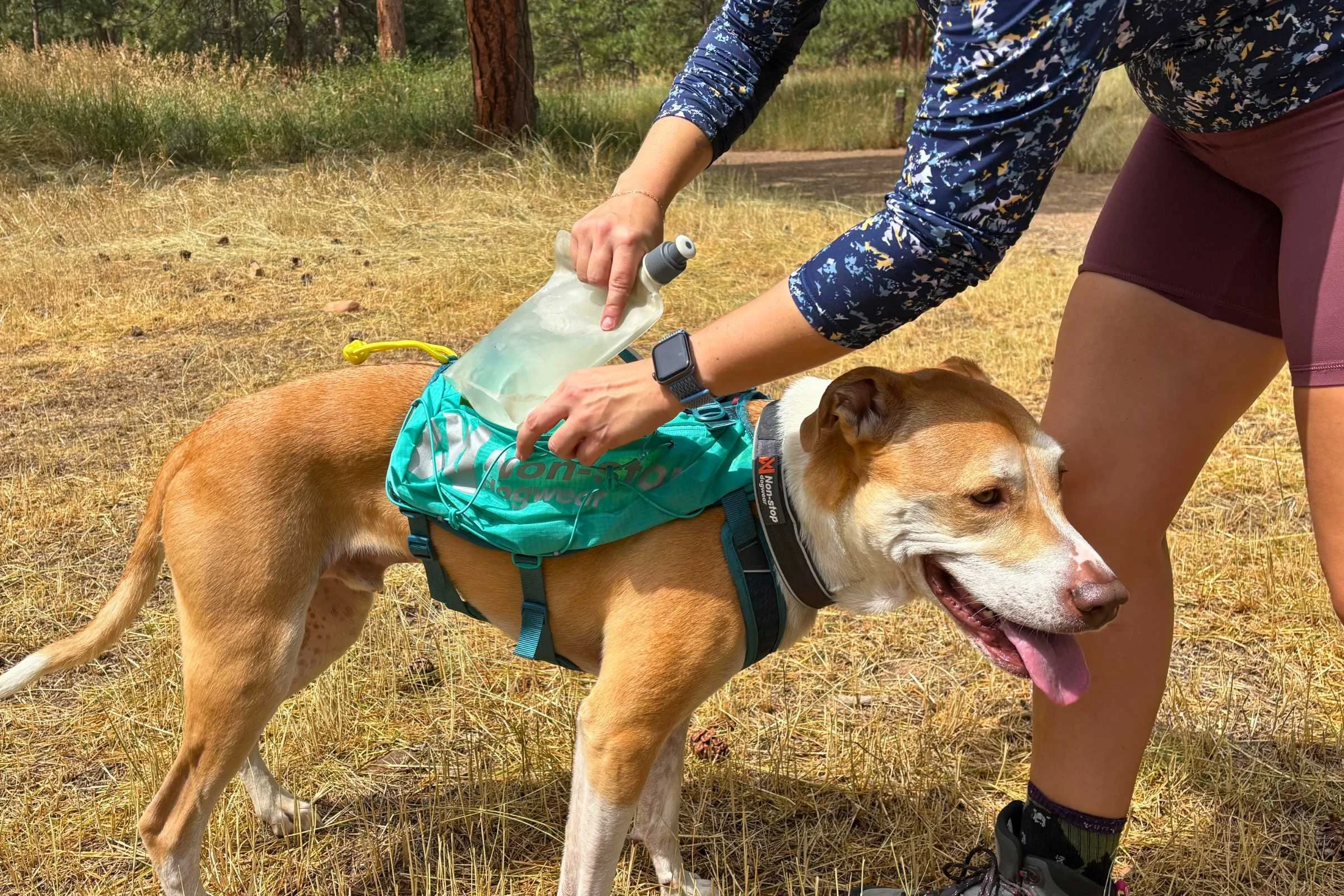
Pro Tip: When selecting a pack for your dog, ensure it sits over the shoulders, not the lower back. Start with an empty pack for several walks to get them accustomed to the width before adding weight.
Beyond the harness, consider a hands-free bungee leash. This attaches to your waist, allowing you to use trekking poles for balance while the bungee section absorbs the shock if your dog suddenly lunges or stops. For paw protection, dog booties are essential in areas with sharp shale, volcanic rock, or extreme temperatures. Paw pad protection can also be managed with high-quality waxes, though these offer less protection against mechanical cuts than a dedicated boot.
Perhaps the most overlooked item in a dog hiking gear checklist is an emergency evacuation sling. If your dog suffers a debilitating injury five miles from the trailhead, you cannot realistically carry a 60-pound animal in your arms. A lightweight, packable sling allows you to wear your dog like a backpack, potentially saving their life in the event of a broken leg or heat stroke.
On the Trail: Etiquette and Environmental Impact
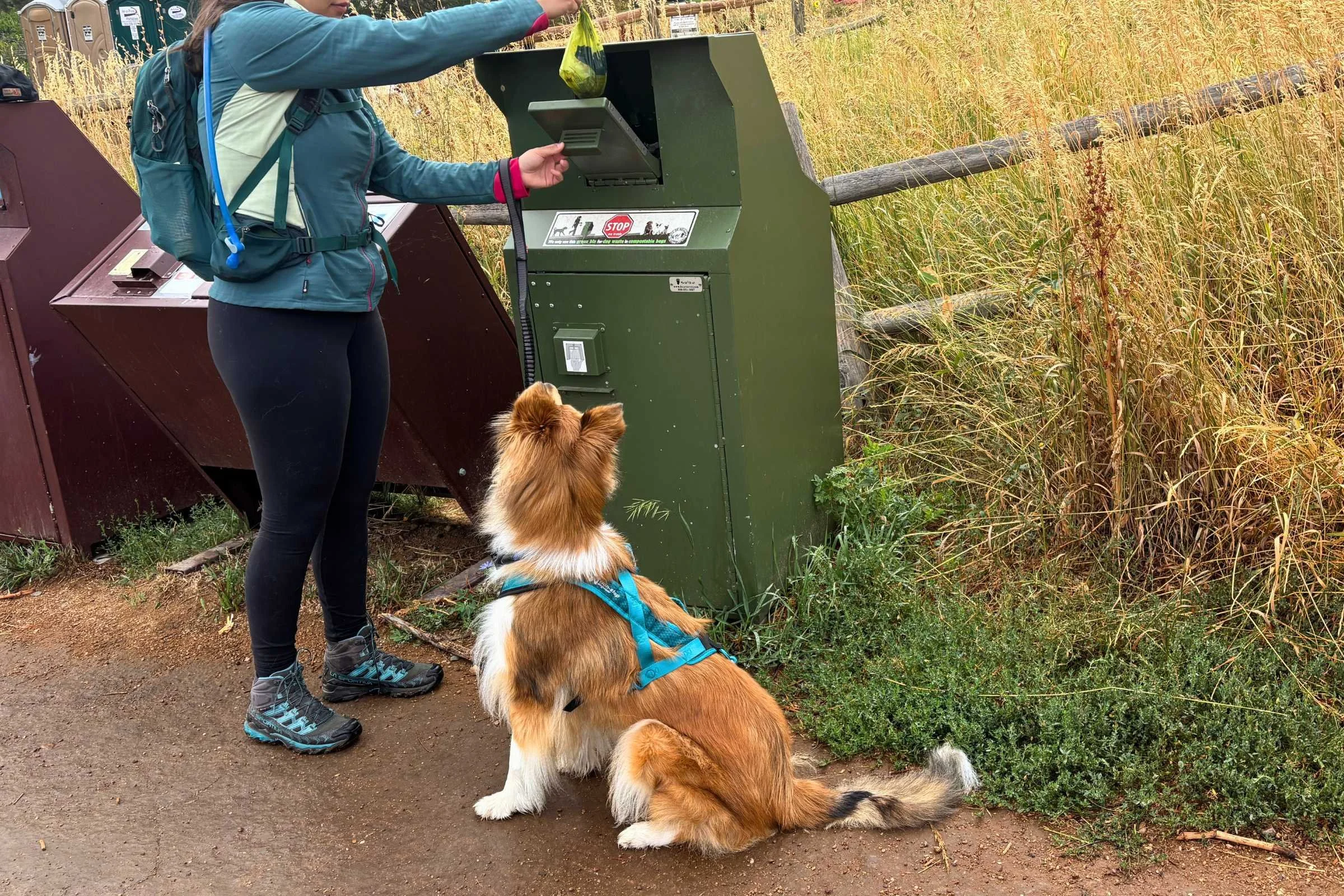
Responsible hiking with dogs requires a deep commitment to Leave No Trace principles. Many trail closures to dogs are the direct result of owners failing to manage waste or allowing their pets to harass wildlife. The National Park Service promotes the B.A.R.K. acronym to simplify these rules: Bag your pet's waste, Always leash your pet, Respect wildlife, and Know where you can go.
It is a common misconception that dog waste is "natural" like deer or coyote droppings. In reality, domestic dog waste contains high levels of nitrogen and phosphorus that can fuel invasive plant growth. More dangerously, it introduces non-native bacteria and parasites into the soil and water supply. Proper dog trail etiquette for off leash hiking (where legal) still requires that you pack out every single bag of waste.
Yielding is another critical part of trail etiquette. In the hierarchy of the trail, dogs usually yield to everyone. When you see hikers, bikers, or horses approaching, move your dog off the trail to the downhill side. Have your dog sit and stay until the others have passed. This prevents startling horses, which can be dangerous for everyone involved, and shows respect for hikers who may not be comfortable around dogs.
Heat Management and First Aid
Canine physiology is significantly different from ours when it comes to cooling. Dogs do not sweat; they rely almost exclusively on panting to regulate their temperature. This makes them far more susceptible to overheating than humans. Understanding hiking with dogs in summer heat tips starts with knowing the heat stroke symptoms: excessive, heavy panting; dark red or purple gums; drooling; and lethargy. If you notice these signs, stop immediately, find shade, and apply cool (not ice-cold) water to their paws and belly.
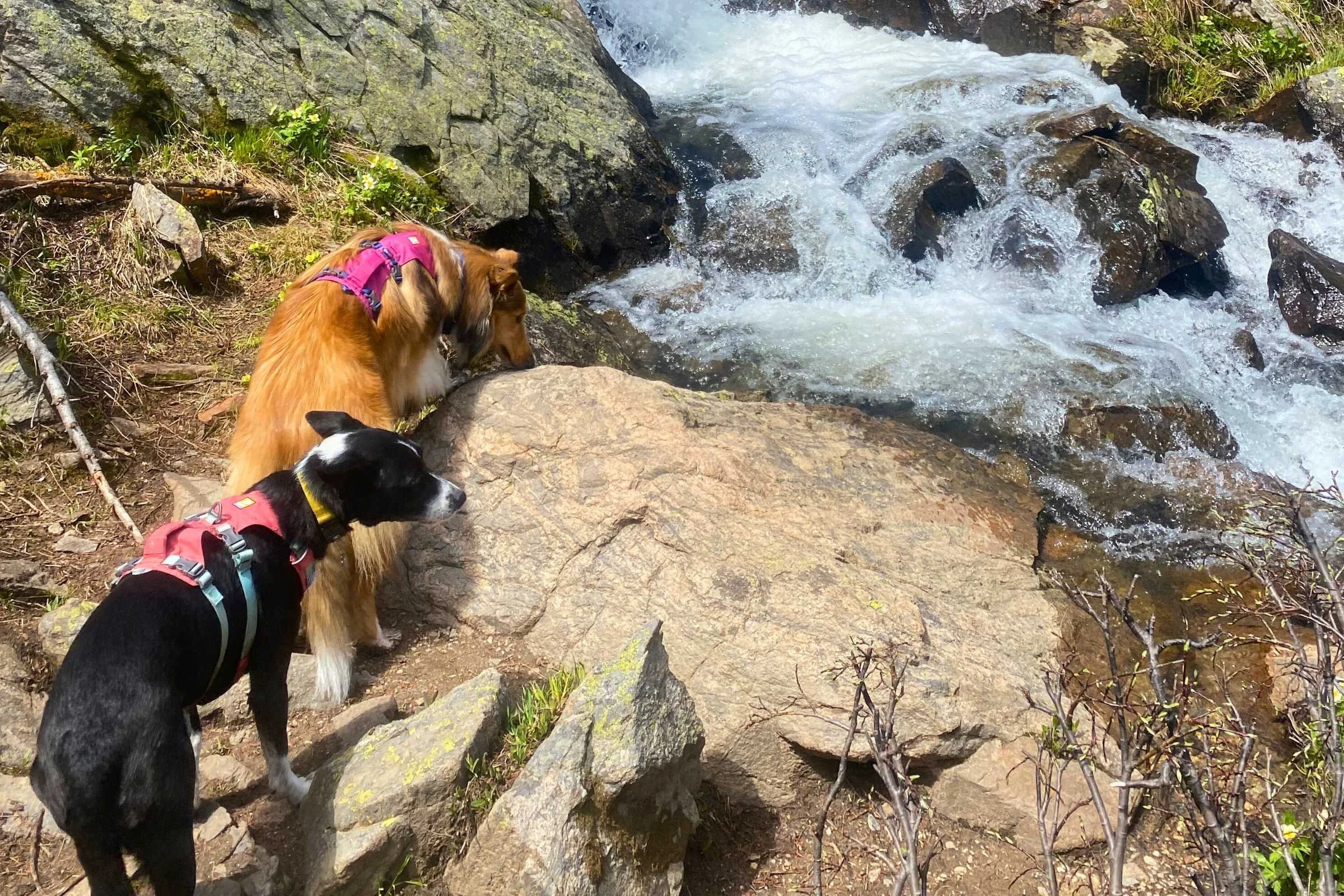
Hydration is a pillar of trail safety for dogs. Offer water frequently, even if they don't seem thirsty. Avoid letting your dog drink from stagnant ponds or slow-moving streams, which can harbor Giardia or Leptospirosis. Use a collapsible bowl and filtered water that you carry yourself.
Flea and tick prevention should be administered well in advance of your trip, but you should still perform a "tick check" every few hours and a thorough one at the end of the day. For paw health, carry a small kit including Vet Wrap, antiseptic wipes, and tweezers to manage thorns or small cuts. Learning how to treat dog paw injuries on trail involves cleaning the wound, applying a protective balm or ointment, and wrapping it securely but not tightly enough to cut off circulation. If an injury is deep or won't stop bleeding, it is time to deploy your evacuation sling and head for the nearest veterinarian.
Expert Insight: The 8oz per hour hydration rule is a baseline. In high humidity or high elevation, your dog may require significantly more. Always carry 25% more water than you think you will need for your pet.
FAQ
How do I prepare my dog for a long hike?
Preparation begins with a veterinary check-up to ensure their joints and heart are healthy. Gradually increase walking distance on varied terrain over several weeks. Focus on building paw pad toughness and improving cardiovascular fitness through consistent, incremental exercise rather than occasional long weekend treks.
What gear do I need to hike with my dog?
At a minimum, you need a well-fitting technical harness, a sturdy leash, collapsible water bowls, and a canine-specific first aid kit. For longer or more rugged trips, consider a specialized dog hiking pack, booties for paw protection, a cooling vest, and an emergency evacuation sling.
How far can a dog safely hike?
The distance depends entirely on the dog's age, breed, and current fitness level. A well-conditioned sporting breed may handle ten miles with ease, while a brachycephalic (flat-faced) breed might struggle with three. Start with short durations and observe your dog for signs of fatigue like lagging behind or heavy panting to determine their personal limit.
What should be in a dog's hiking first aid kit?
Your kit should include Vet Wrap, gauze pads, antiseptic wipes, saline solution for eye/wound flushing, tweezers for ticks and thorns, a digital thermometer, and styptic powder for nail injuries. It is also wise to include a pair of emergency booties to protect a bandaged paw during the walk back.
How do I keep my dog hydrated on a trail?
Offer fresh, filtered water every 30 to 60 minutes, rather than waiting for them to show signs of thirst. Use a collapsible bowl to make drinking easier for the dog. If your dog is a reluctant drinker, you can add a small amount of low-sodium chicken broth to their water to encourage hydration.
At what age can a puppy start hiking?
Puppies should generally wait until their growth plates have fused, which is typically between 12 and 18 months for most breeds, and up to 24 months for large and giant breeds. Early, strenuous hiking with puppies growth plate safety risks can lead to lifelong orthopedic issues. Stick to short, low-impact play sessions until they reach skeletal maturity.
Hiking with dogs is one of the most rewarding ways to experience the great outdoors. By prioritizing preparation, investing in the right gear, and respecting the environment, you ensure that these trail adventures remain safe and enjoyable for both ends of the leash. Remember, the goal of the hike isn't just to reach the summit; it's to ensure your four-legged companion returns home happy, healthy, and ready for the next adventure.