Quick Facts
- Best for Deserts: Lightweight convertibles for UV and heat protection.
- Best for Technical Climbs: Traditional 4-way stretch pants for maximum mobility.
- Material Trend: A significant 48% share of the materials used in the industry now consists of nylon-blend fabrics for superior durability.
- UV Benchmark: UPF 50+ rating blocks 98% of harmful rays.
- Maintenance: Regular cleaning and re-treating with DWR products is essential for maintaining water-resistant performance over several seasons.
- Market Growth: The global market is projected to grow at a compound annual growth rate of 8% through 2035, driven by technical advancements.
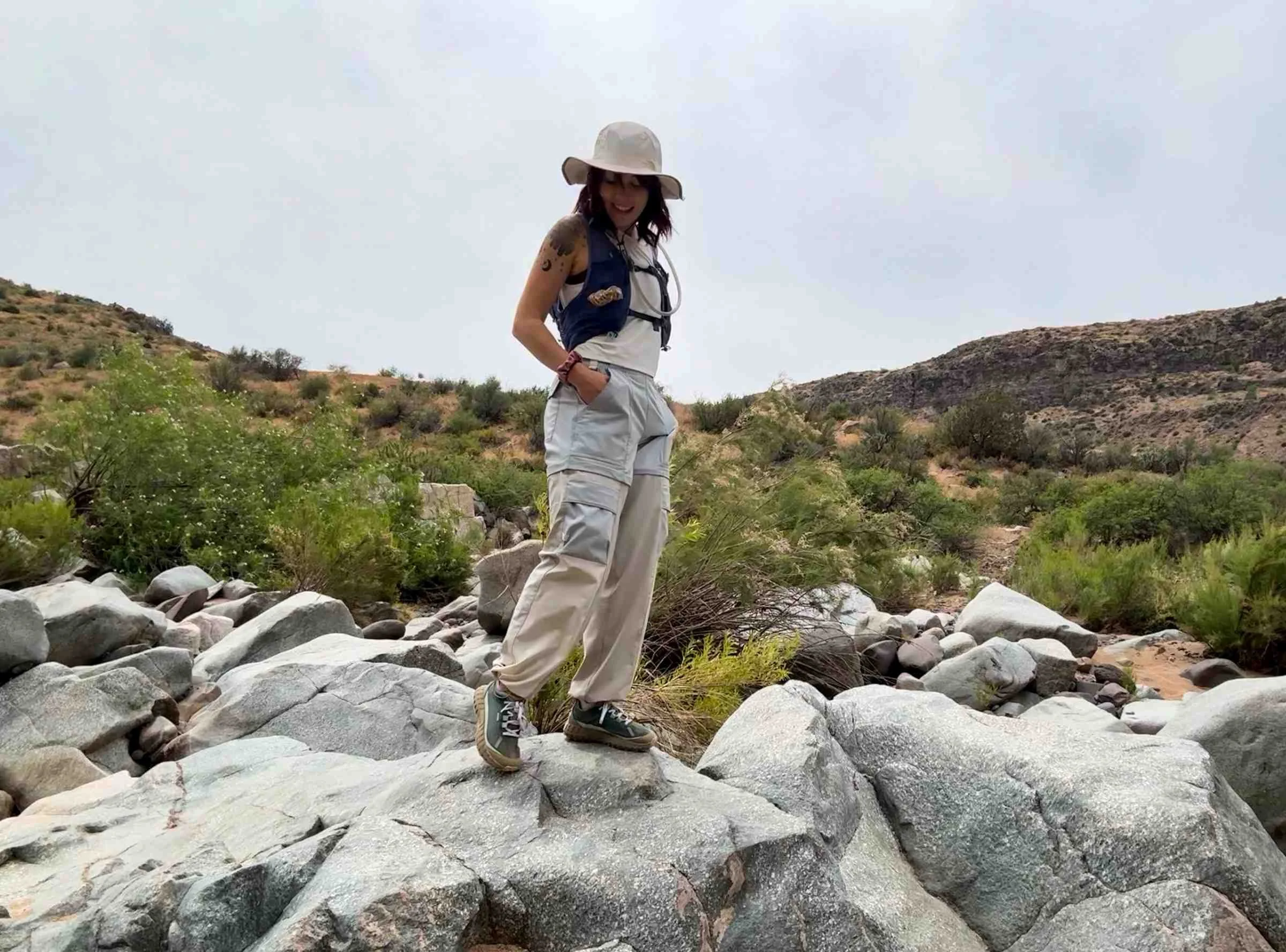
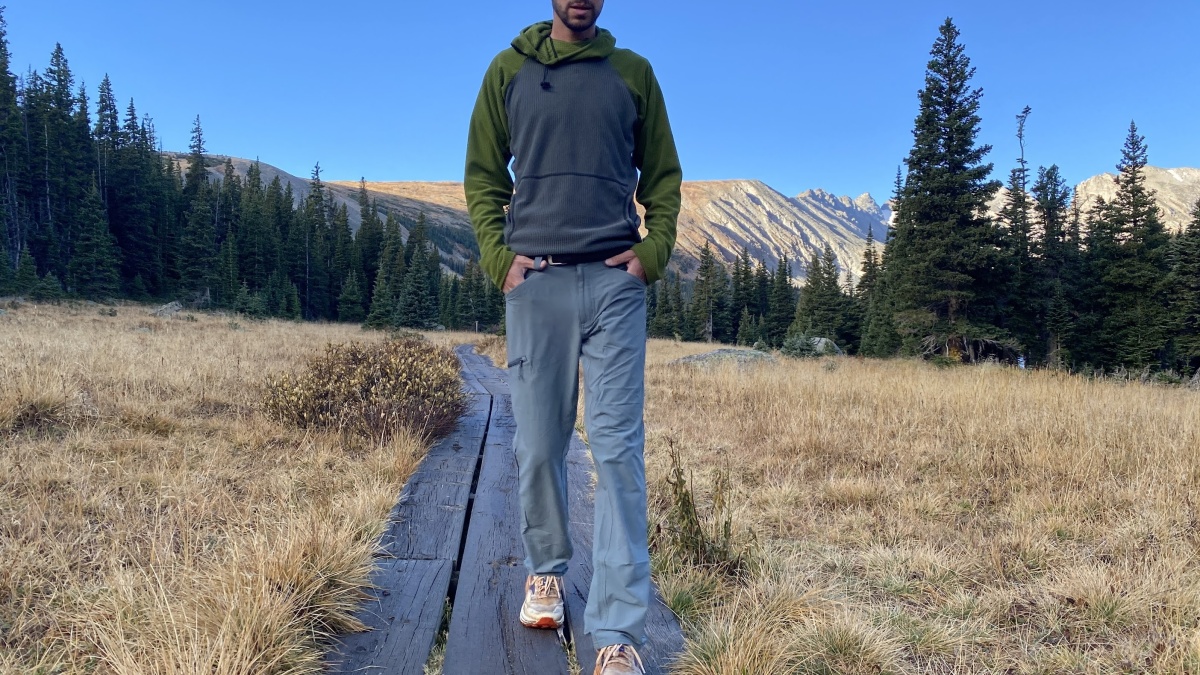
Selecting the right gear involves a thorough hiking pants comparison between two philosophies: the modular versatility of zip-offs and the streamlined, high-mobility performance of traditional trousers. Convertible hiking pants offer superior versatility for multi-day backpacking by functioning as both trousers and shorts, effectively saving pack weight while providing crucial mid-trail ventilation. Conversely, traditional hiking pants are preferred for their streamlined fit and consistent protection against insects, abrasive brush, and harsh sun, offering a more natural range of motion without the structural interference of thigh zippers.
The Great Debate: Convertible vs. Traditional Trousers
When preparing for the trail, the choice between convertible vs traditional hiking trousers often comes down to the environment and the duration of your trip. According to the Outdoor Industry Association, approximately 49 million Americans participated in hiking in 2022, and this massive user base has driven innovation in how fabrics interact with the body. Convertible models tackle the problem of shifting micro-climates. In the morning chill, they act as full trousers; as the sun peaks, you can unzip the lower legs to prevent overheating.
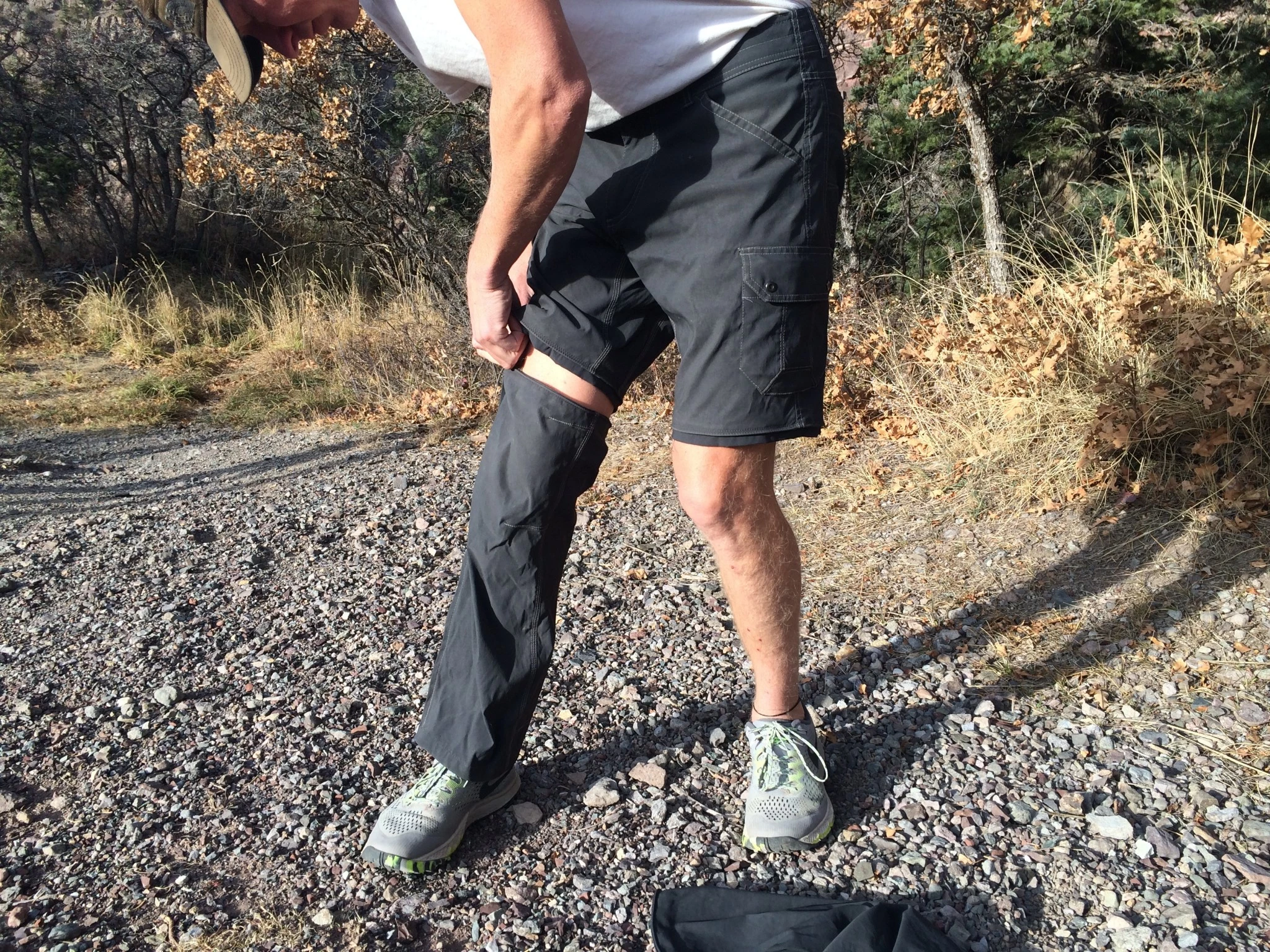
The benefits of zip off hiking pants are most apparent during multi-day backpacking where every ounce in your pack counts. By carrying one pair of pants that does the work of two, you free up space for more critical supplies. However, the zip-off vs standard hiking pants for multi-day backpacking debate isn't just about weight. It is also about the psychological and physical comfort of the fit. Modern traditional trousers have reclaimed popularity because they offer a more sophisticated silhouette, bridge the gap with the versatility of convertible pants for hiking and everyday wear, and avoid the "scouts" aesthetic that some hikers prefer to skip.
From a material standpoint, look for moisture-wicking and quick-drying fabric regardless of the style. Most high-end options use a synthetic weave designed to pull sweat away from the skin and spread it across the surface area for rapid evaporation. This moisture management is vital for preventing chafing and maintaining body temperature during high-output scrambles.
Mobility and Technical Fit: The Comfort Gap
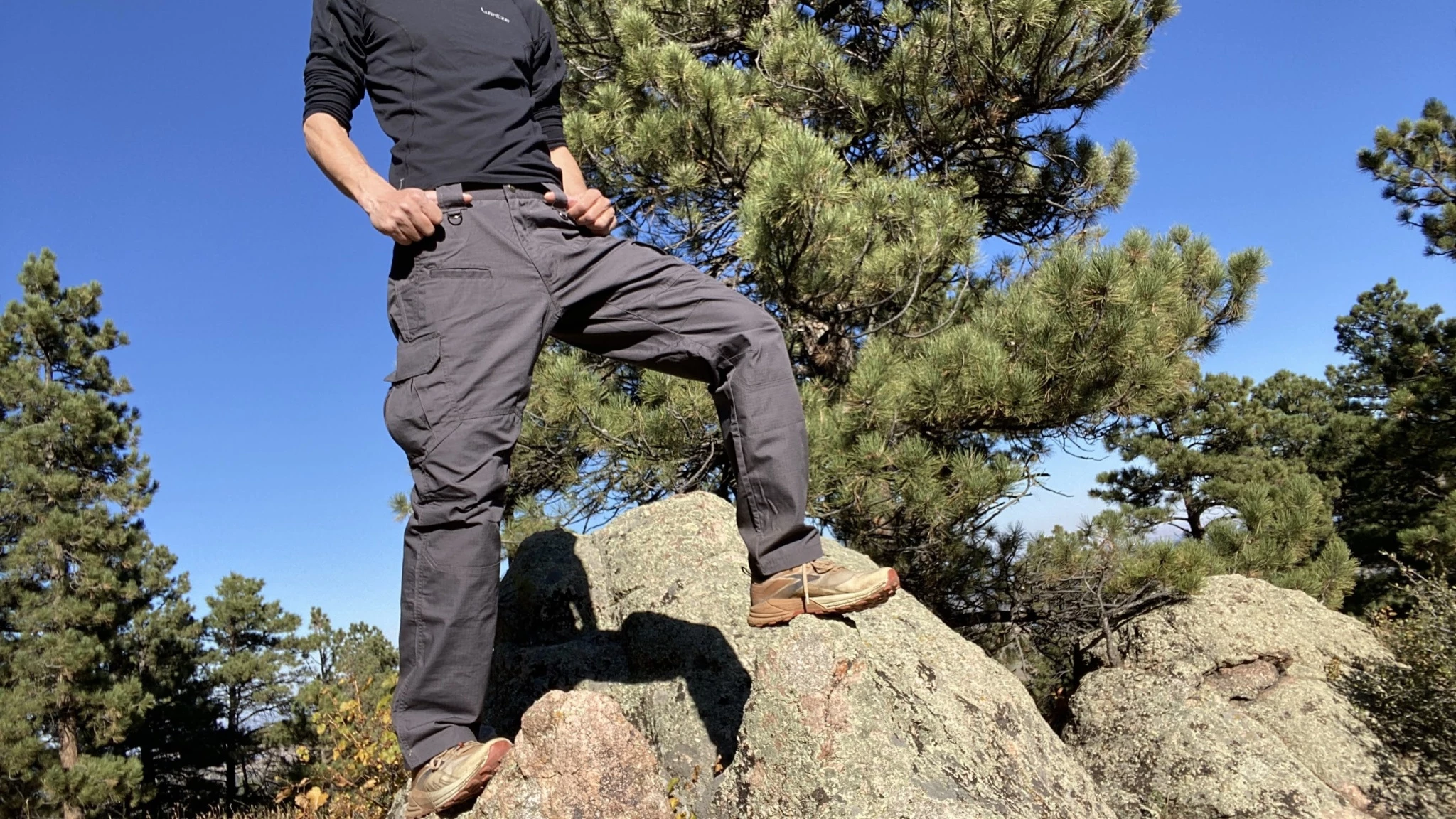
The most significant engineering difference between these two styles is the mobility gap. In many convertible designs, the zipper encircling the thigh acts as a rigid, non-stretch band. For hikers with muscular legs or those engaging in technical climbs, this can create a restrictive feeling when high-stepping or lunging. Traditional pants do not suffer from this mechanical limitation, allowing for the full expression of the fabric's elasticity.
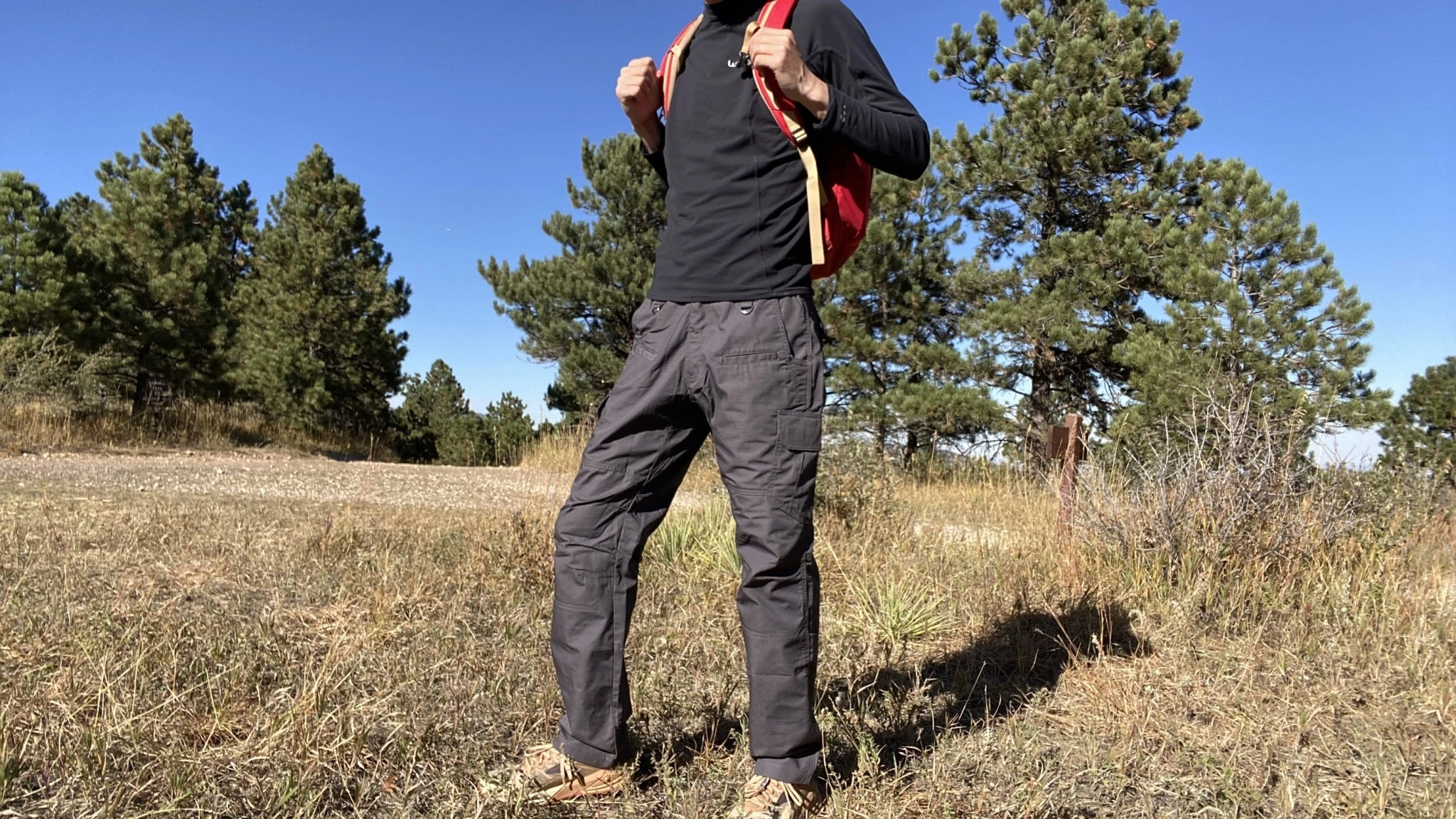
To maximize comfort, look for specific hiking pants features for articulated movement and comfort:
- Articulated Knees: Pre-shaped fabric at the knee prevents the pant from pulling tight against your thigh when you bend your leg.
- Gusseted Crotch: An extra panel of fabric sewn into the crotch area to distribute stress and provide a 360-degree range of motion.
- Four-Way Stretch: A nylon-elastane blend that expands both horizontally and vertically.
Traditional pants excel in lightweight stretch convertible pants for technical hiking scenarios because they maintain consistent tension across the leg. Without the dead weight of zippers, the fabric can sit closer to the skin, which improves the efficiency of moisture-wicking properties and reduces the "swish-swish" noise of excess material rubbing together.
Weather Performance and Durability Profile
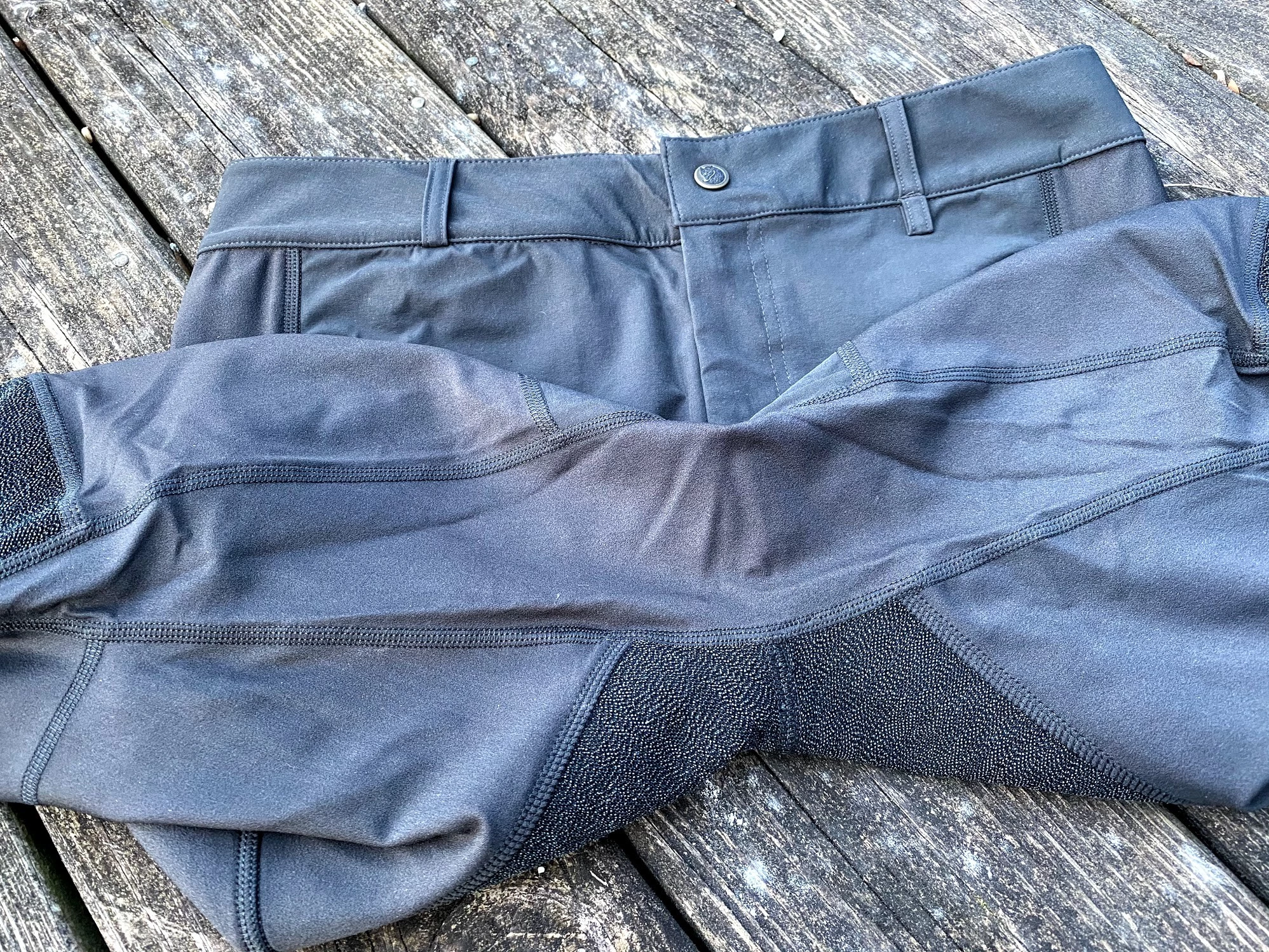
The weather performance of hiking pants is largely determined by their fabric chemistry and face-fabric density. For those trekking in harsh environments, heavy duty hiking pants for brush and bug protection are essential. These are usually made from a denser weave or a soft-shell material that resists snagging on thorns and prevents mosquitoes from biting through the fabric.
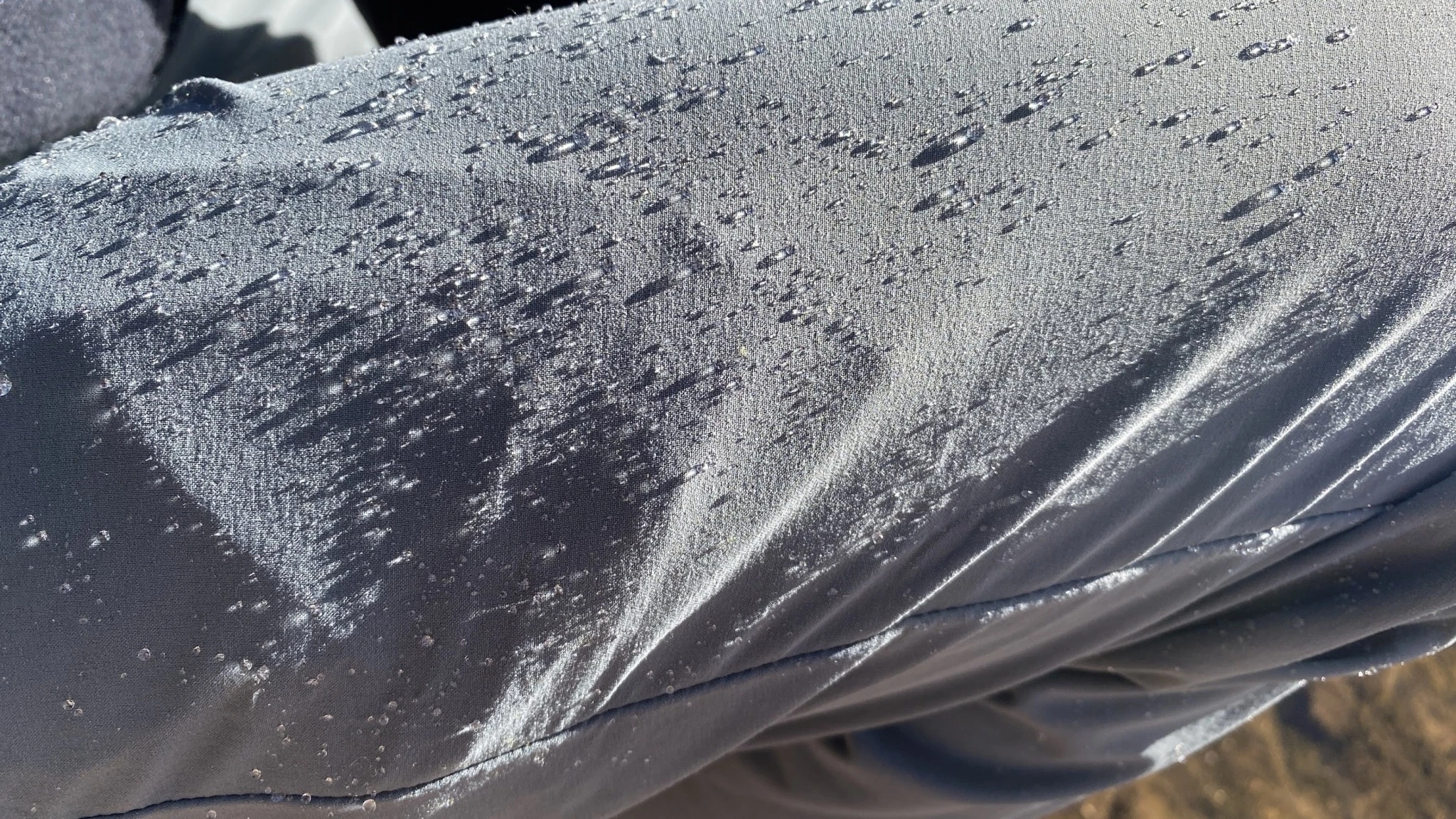
Technical Callout: DWR vs. Waterproofing Most hiking pants use a Durable Water Repellent (DWR) coating. This is a polymer applied to the outer surface that prevents water from saturating the fibers. It is not a waterproof membrane like Gore-Tex, meaning it will eventually soak through in a downpour but excels at shedding light rain and mist while maintaining high breathability.
In contrast, the best hiking pants for desert sun and heat protection prioritize airflow and UV blockage. For these conditions, a high UPF 50+ rating is a non-negotiable requirement. A high-quality nylon-elastane blend used in desert hiking provides a cooling effect and prevents sunburn without the need for greasy sunblock on your legs. Convertibles are popular here because the partial unzipping of the legs—the "chimney effect"—allows hot air to escape without exposing the skin to direct UV rays.
Maintenance and Long-term Value
To ensure your investment lasts for years, you must understand how to reapply DWR to nylon hiking trousers. Over time, the factory-applied finish wears off due to abrasion from trail brush and the agitation of washing machines. If you notice water flattening out on the fabric rather than beading up, it is time for a treatment.
When comparing the benefits of roll-up hiking pants vs zip-offs, consider the maintenance of the hardware. Zippers are failure points; they can snag, break, or become clogged with fine desert sand. Roll-up pants use simple buttons or elastic loops to secure the cuff at the calf, offering a middle ground of ventilation without the mechanical complexity.
One critical tip for convertible owners: always wash the zip-off legs and the main trouser unit together. Because approximately 57% of hiking pants introduced in 2024 focus on recycled fibers and specific dye sets, washing them separately can lead to uneven UV fading. If you wear the shorts more often than the full pants, you may eventually find that the two pieces no longer match in color.
- Wash Cold: Heat damages the elastane fibers that provide four-way stretch.
- Avoid Softeners: Fabric softeners clog the pores of moisture-wicking fabrics and ruin the DWR finish.
- Inspect Seams: Check the cargo pockets and inner thighs for pilling, which is a sign of fabric fatigue.
FAQ
Are convertible zip-off hiking pants worth it?
Yes, especially for backpackers who need to minimize pack volume and weight. They provide the functionality of two garments in one, which is invaluable for long-distance treks where weather conditions fluctuate between cold mornings and hot afternoons. However, if you find the thigh zipper uncomfortable or restrictive, traditional pants are a better investment for comfort.
What features are most important when buying hiking pants?
The most critical features involve mobility and protection. Look for articulated knees and a gusseted crotch to ensure a full range of motion. Additionally, prioritize fabrics with a high UPF 50+ rating for sun protection and a reliable DWR coating for light weather resistance. Pockets should be placed where they don't interfere with a backpack hip belt.
What are the best materials for durable hiking pants?
A nylon-elastane blend is the current gold standard for the industry. Nylon provides the rugged durability needed to withstand rock abrasion and brush, while elastane (often 5-12%) provides the stretch necessary for comfort. Some heavy-duty pants may also use polyester for its superior colorfastness and slightly faster drying times in very humid environments.
What is the difference between water-resistant and waterproof hiking pants?
Water-resistant pants use a DWR coating to bead off light moisture but will eventually allow water to penetrate during sustained rain. Waterproof pants feature a laminated membrane or coating that completely blocks water but often at the cost of breathability. For most hikers, water-resistant pants are preferred because they prevent the "garbage bag" effect of trapping sweat inside the garment.