Quick Facts
- Permit Fee: A Joshua Tree National Park wilderness permit costs a $6 wilderness backpacking permit and covers up to 12 people for 14 nights.
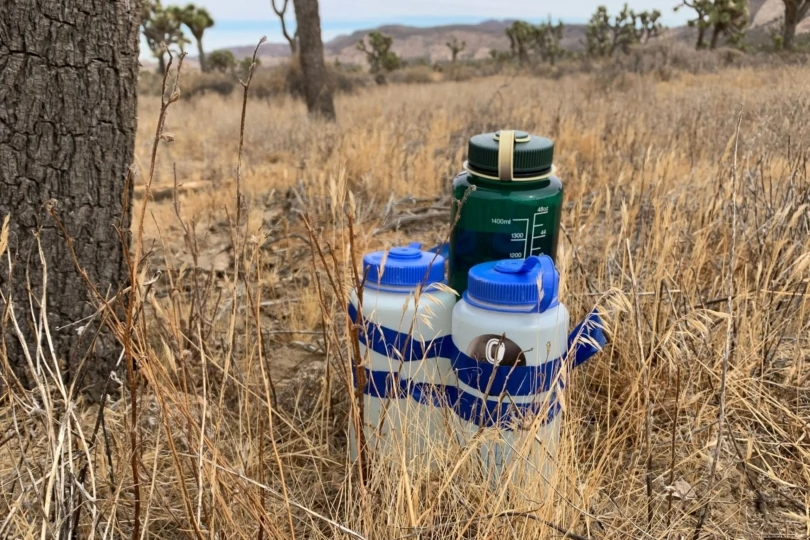
- Water Strategy: There is no natural water available; hikers must use animal-proof Nalgene storage containers for water caching Joshua Tree at specific trailheads before starting.
- Night Temperatures: Prepare for a high desert biome where overnight lows often drop to near or below freezing, typically between 35 and 39 degrees.
- Shelter Requirements: Only freestanding tents are allowed; attaching hammocks or lines to Joshua trees is strictly prohibited to protect the Mojave Desert ecosystem.
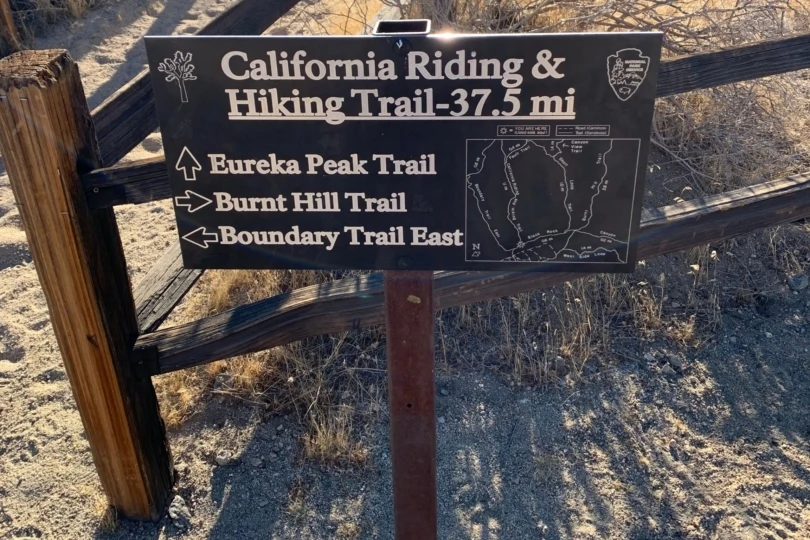
- Best Route: The 37-mile California Riding and Hiking Trail offers the most comprehensive point-to-point trekking experience through the park.
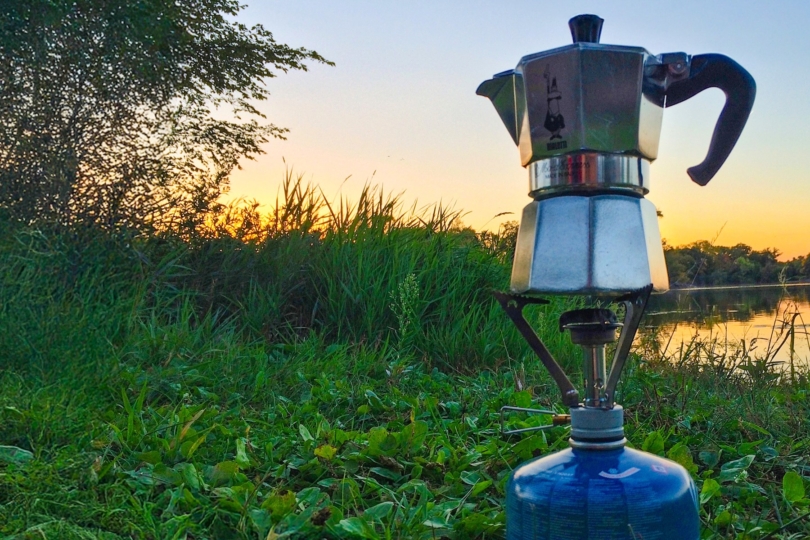
- Fire Policy: Campfires are completely banned in the backcountry; all cooking must be done on portable pressurized liquid or gas stoves.
Joshua Tree winter backpacking requires a $6 permit from Recreation.gov, advanced water caching at trailheads due to zero natural sources, and preparation for freezing night temperatures despite sunny 60 degree days. To manage water while backpacking in Joshua Tree, you must cache supplies in advance at trailheads since there are no natural water sources on the trail. Use heavy-duty Nalgene containers rather than thin plastic jugs to prevent wildlife from pecking through them. Label each container with your name and trip dates to ensure they remain undisturbed until you arrive.
Securing Your 2026 Joshua Tree Backcountry Permits
The National Park Service recently transitioned its management system, meaning that any overnight trek now begins with a digital reservation. Joshua Tree backcountry permits are available through recreation.gov up to six months in advance. You can no longer simply show up and sign a paper tag at a trailhead. Instead, hikers must choose from 13 specific camping zones. This system ensures that the desert remains pristine while offering you a sense of off-season solitude.
When booking your permit, have your itinerary ready. You will need to select the zone where you intend to spend each night. While you have flexibility within that zone, you must adhere to the legal setbacks designed to protect the park's resources and the experience of other visitors. These rules are non-negotiable and strictly enforced by rangers.
Legal Setbacks for Backcountry Camping
- Trailheads: You must be at least one mile away from any designated trailhead.
- Roads: Your camp must be at least 500 yards from any park road.
- Trails: Set up your tent at least 200 feet away from any designated trail.
- Water Sources: Maintain a distance of 1/4 mile from any rare natural water source to allow wildlife undisturbed access.
This zoning system is a key part of maintaining Leave No Trace principles in a fragile environment. While dispersed camping is flexible if you follow these distance rules, the 13 zones help distribute the impact of human presence across the park. The $6 fee is remarkably affordable for a group, but the real cost of a mistake here is often environmental, so plan your mileage carefully to ensure you can reach your designated zone by sunset.
The Life-Sustaining Protocol: Water Caching Joshua Tree
In most wilderness areas, a filter and a stream are your best friends. In the Mojave, those friends don't exist. The National Park Service recommends that backpackers carry one to two gallons of water per person per day because natural water sources in the park's interior are extremely scarce and often unreliable. For a multi-day trip, carrying three or four gallons of water is physically exhausting and often impossible for most hikers.
The solution is water caching Joshua Tree. This involves driving to specific access points before your hike and leaving water in designated caches or lockers. The most reliable locations for these caches include the Twin Tanks and Ryan Campground areas, or near the junction where the trail crosses park roads.
When preparing your cache, use Nalgene storage containers or heavy-duty plastic jugs. Avoid thin, grocery-store style gallon jugs; ravens and coyotes are incredibly clever and can peck or bite through thin plastic in minutes. Once your water has leaked into the sand, your trip is over. Always label your water clearly with your name, permit number, and the date you intend to pick it up. This prevents rangers from removing it as abandoned property and ensures other hikers know it belongs to an active trekker.
Managing your hydration involves more than just drinking. You should also consider the water required for rehydrating meals and basic hygiene. Since you will be hiking in an arid environment, your body will lose moisture rapidly through breathing and perspiration, even if you don't feel "sweaty." Keeping a strict 1-2 gallon daily budget is the only way to safely complete the California Riding and Hiking Trail winter itinerary.
Choosing Your Route: California Riding and Hiking Trail
The crown jewel of Joshua Tree winter backpacking is the 37-mile California Riding and Hiking Trail. This point-to-point trekking route traverses the heart of the park, taking you from the high elevations of the Black Rock Canyon trailhead down through the iconic rock formations of the central valley and eventually out toward the North Entrance.
Most hikers spend three to four days on this trail. While the path is generally well-defined, backcountry navigation is still required, especially where the trail crosses arroyos and dry washes that can obscure the footprints of previous hikers. If you are looking for a side adventure, consider a summit of Quail Mountain, the highest point in the park, which offers a 360-degree view of the San Bernardino Mountains and the surrounding desert.
When deciding which direction to hike, consider the following comparison:
| Feature | Westbound (North Entrance to Black Rock) | Eastbound (Black Rock to North Entrance) |
|---|---|---|
| Elevation Change | Significant overall gain (uphill finish) | Overall loss (descending into the valley) |
| Sun Position | Sun at your back in the morning | Sun in your eyes in the morning |
| Difficulty | Challenging finish at Black Rock Canyon | Gentler finish; easier on the legs |
| Scenery | Dramatic transition to high desert | Enters the rock fields early |
The California Riding and Hiking Trail is the best time for winter backpacking in Joshua Tree because the lack of shade is an asset rather than a liability in January. You will want that direct sun to keep your core temperature up while moving. If you are traveling solo or with a single partner, you will need to arrange for Backpacking Joshua Tree shuttle and transportation options, as the trail does not loop. Local shuttle services or a two-car shuttle system are the most common ways to manage the logistics.
Gear and Survival: Braving the High Desert Winter
The most common mistake beginners make is underestimating how cold the desert gets. During the winter months, average daytime temperatures in the park are around 60 degrees, which is perfect for hiking. However, as soon as the sun dips behind the granite monzogranite boulders, the temperature plummets.
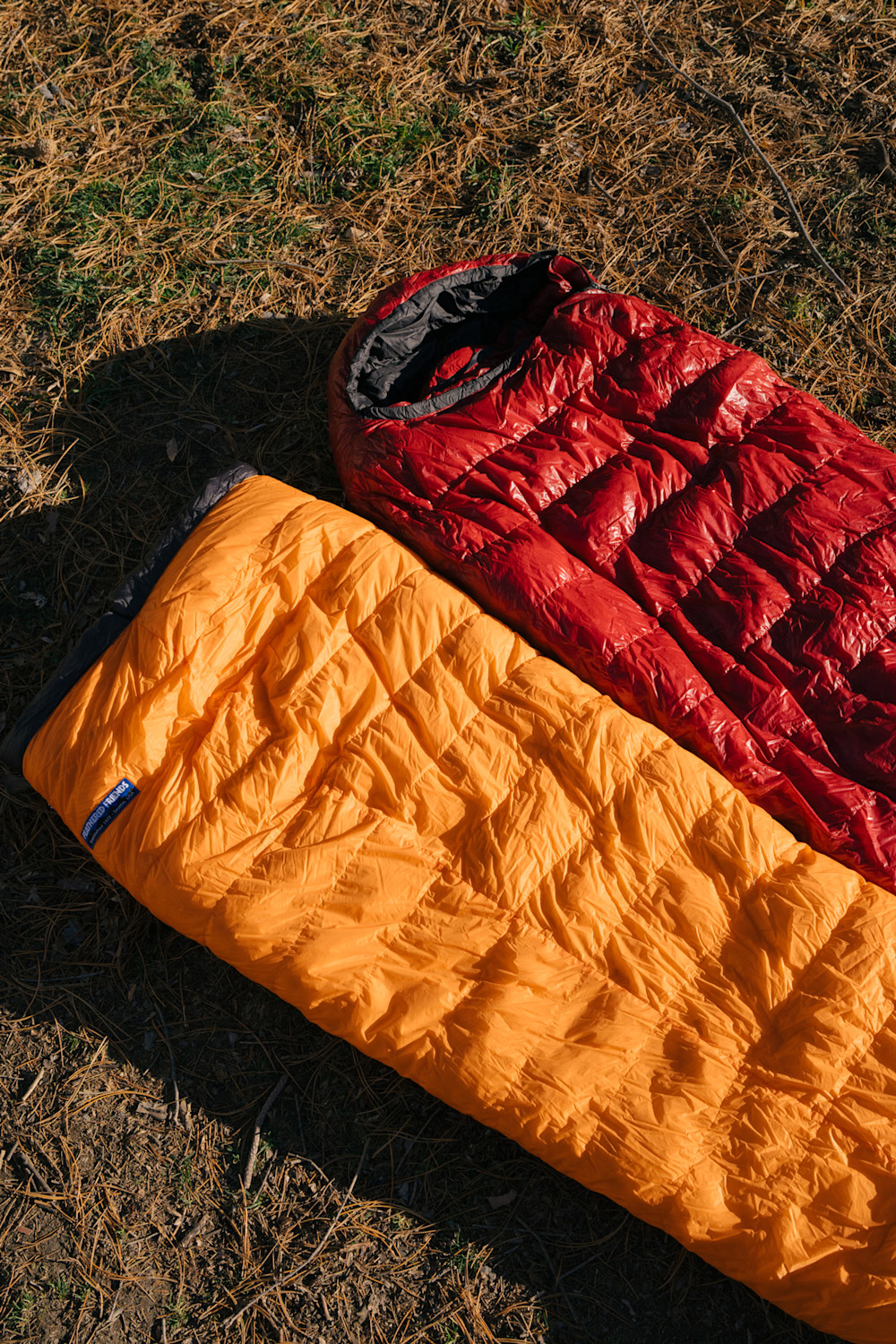
Your Joshua Tree winter backpacking gear list must include a high-quality sleeping bag rated between 15 and 30 degrees. Additionally, your sleeping pad is just as important as your bag; a pad with an R-value of 2 or higher is necessary to insulate your body from the cold ground.
- Clothing: Use a multi-layered clothing system. Start with a moisture-wicking base layer (no cotton!), add a mid-layer fleece, and carry a high-loft insulated jacket for when you are stationary in camp. A windshell is also vital, as the desert is notoriously gusty.
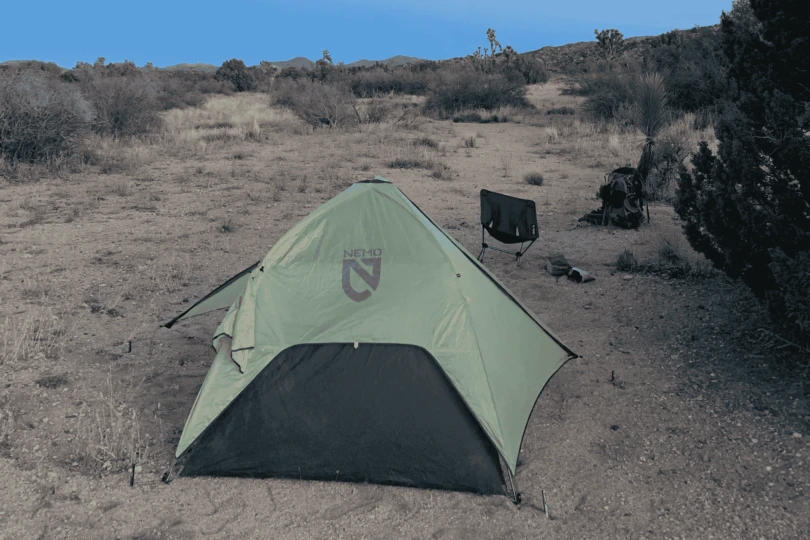
- Shelter: You must use a freestanding tent. The ground in Joshua Tree is often either extremely hard-packed or very sandy, making it difficult for traditional stakes to hold under tension. Furthermore, because hammocks cannot be attached to Joshua trees, a freestanding tent requirements becomes a safety essential.
- Navigation: Always carry a physical topographical map and a compass. While GPS is helpful, the cold can drain phone batteries rapidly.
The park is an International Dark Sky Park, meaning the stargazing is world-class. However, enjoying the stars requires you to be prepared for the cold. Pack a warm beanie and gloves to wear inside your tent. If you encounter winter desert backpacking clothing layers guide recommendations, they will almost always emphasize the "puffy jacket" as the most important piece of camp gear.
FAQ
Is winter a good time for backpacking in Joshua Tree?
Winter is widely considered the best time for backpacking in Joshua Tree because the daytime temperatures are mild, ranging from 55 to 65 degrees, which avoids the life-threatening heat of the summer months. The clear winter skies also provide some of the best visibility for stargazing in the Mojave Desert.
How cold does Joshua Tree get at night in the winter?
It is very common for Joshua Tree winter night temperatures for backpacking to drop below freezing. Overnight lows typically hover between 30 and 39 degrees, but sub-freezing temperatures are frequent in the higher elevation areas like Black Rock Canyon.
Do I need a permit for overnight backpacking in Joshua Tree?
Yes, every overnight visitor is required to possess a Joshua Tree backcountry permit. These must be reserved in advance through Recreation.gov for a $6 fee. The permit system requires you to select specific backpacking zones and campsites rules to prevent overcrowding.
How do you get water while backpacking in Joshua Tree?
Because there are no reliable natural water sources, the only way to get water is through water caching Joshua Tree. You must drive to specific trailheads before your hike and leave your water in animal-proof containers in designated lockers or caches.
Are there specific rules for winter camping in Joshua Tree?
Specific rules include camping at least one mile from any trailhead and 500 yards from any road. Furthermore, campfires are strictly prohibited, and you must use a freestanding tent because you are not allowed to stake into sensitive areas or hang hammocks from the park's namesake trees.