Our Top Picks
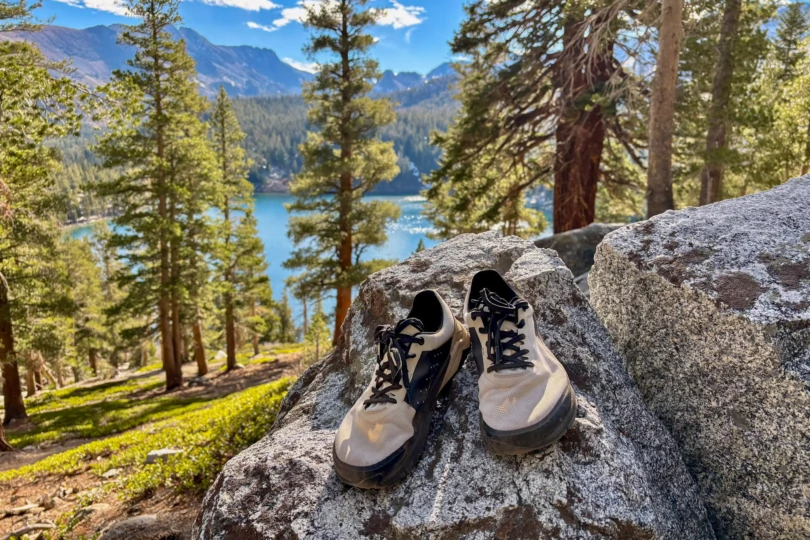
The Notace Yama T1 is a high-performance minimalist hiking shoe that balances ground feel with 15mm of eTPU cushioning, making it ideal for groomed trails but challenging for sharp technical rocks. It is an excellent choice for creek crossings and dry dirt trails where its drainage and flexibility shine. However, you should skip this model if you are a beginner on razor-sharp alpine scree without conditioned feet, as the minimalist protection requires a specific level of foot strength.
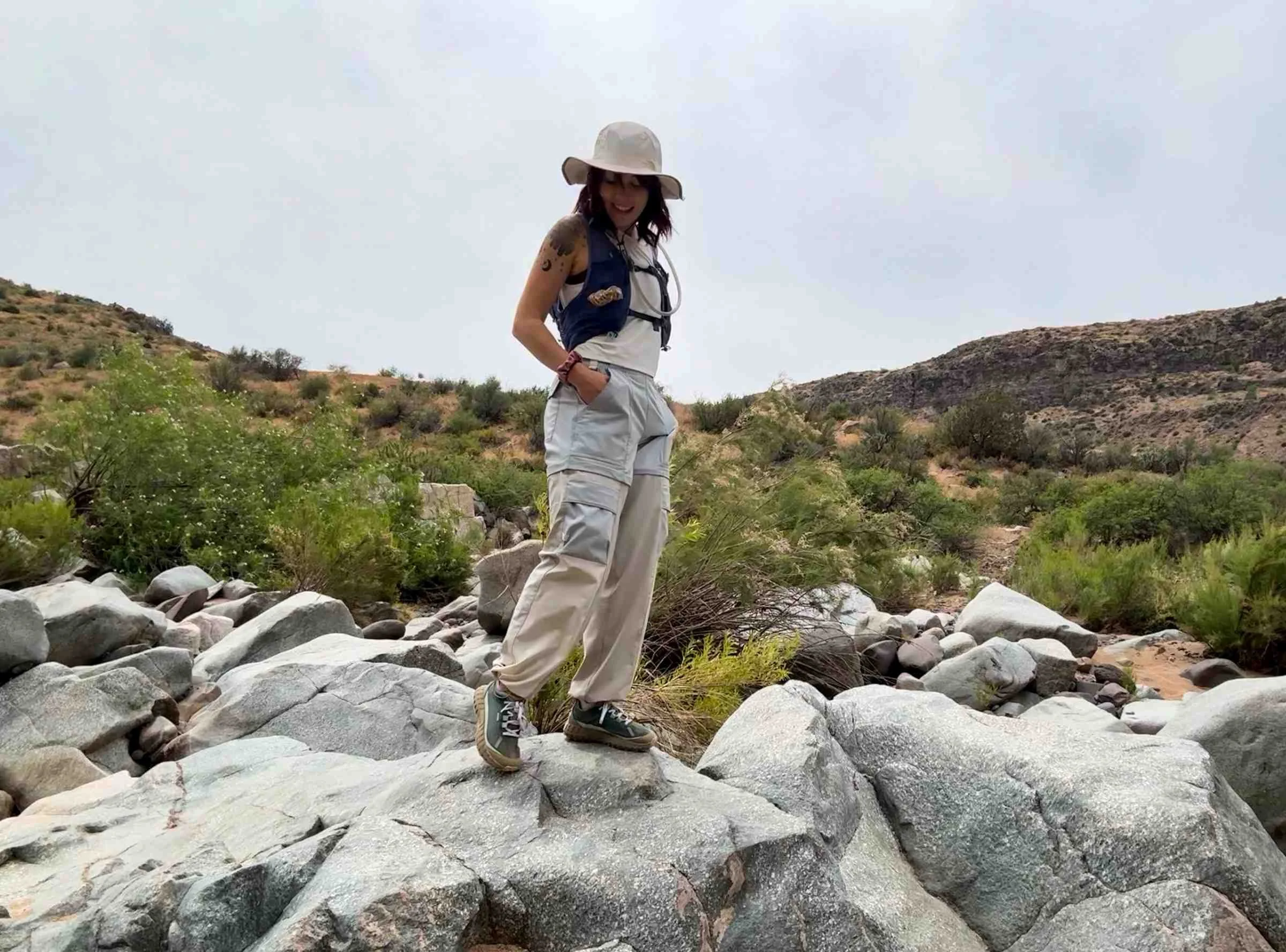
Does the Notace Yama T1 hold up on sharp Colorado scree? In this Notace Yama T1 Review, we break down the 15mm zero-drop performance of these Japanese-inspired shoes after 100 miles of mountain testing. While it excels on well-groomed trails and sand-covered hills, the best terrain for Notace Yama T1 barefoot shoes involves softer or more predictable surfaces where the lack of a rock plate does not hinder your progress.
Japanese Design Meets Mountain Function: The Notace Philosophy
The aesthetic of the Yama T1 is immediately striking, owing much to the brand's Japanese-inspired design. Founded by Cedric Scotto, whose pedigree includes twenty years at industry leaders like Altra and Xero Shoes, Notace aims to find a middle ground between total barefoot exposure and the heavy cushioning of traditional trail runners. The concept focuses on natural foot biomechanics, allowing the foot to behave as it would naturally while offering just enough protection from the elements.
At a mere 7.5 ounces for a men’s size 9, these shoes feel like an extension of your body rather than a piece of bulky equipment. This lightweight profile is a direct result of the minimalist philosophy, which encourages a natural forefoot strike and promotes better toe splay. By stripping away unnecessary weight, Notace has created a tool that feels fast and nimble on the feet, serving as an entry point for anyone transitioning to zero-drop hiking shoes for beginners.
The Upper: Water Drainage and Durability on the Trail
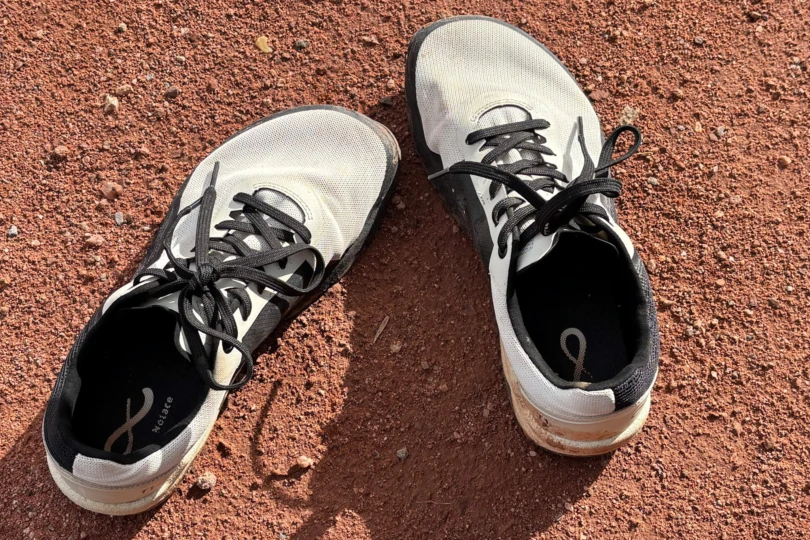
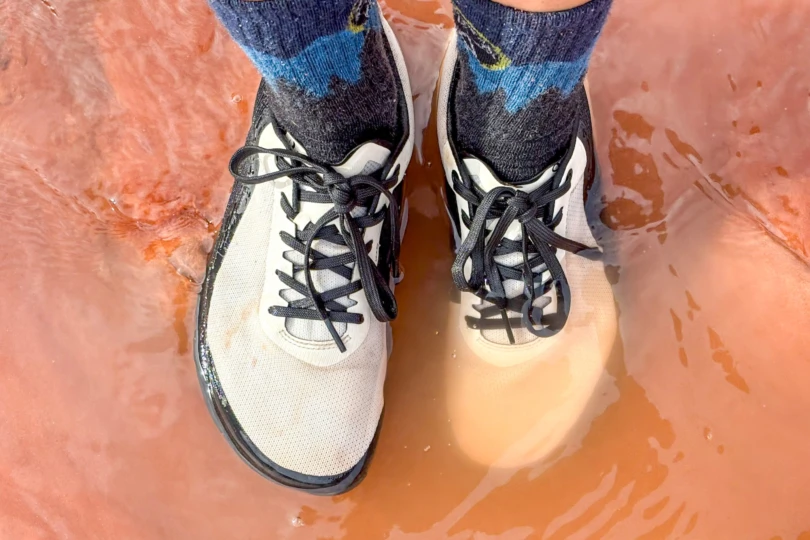
The upper construction is a standout feature, utilizing a double-mesh material that feels both airy and remarkably tough. During our testing in the Rockies, we intentionally took these through creek crossings to test the claim of instant water drainage. The results were impressive; water exits the shoe almost as quickly as it enters, and the materials do not soak up excess weight. This makes them one of the best lightweight minimalist shoes for creek crossings we have tested this season.
However, durability on the trail is about more than just water management. The reinforced side panels provide significant abrasion resistance against scrub and light rock contact. Our only major critique of the upper is the tongue design, which has a tendency to curl or fold if not carefully positioned when lacing up. Additionally, if you opt for the Ivory colorway, be prepared for permanent mountain-dust staining—a small price to pay for the performance, but something to note for those who like their gear to stay looking new.
Despite these minor quibbles, the overall minimalist hiking shoe durability is high. After a 100-mile cumulative trial across terrains, including the Colorado Rocky Mountains, the mesh remained intact without any significant tearing or delamination from the sole.
Midsole and Outsole: Rocky Mountain Performance Analysis
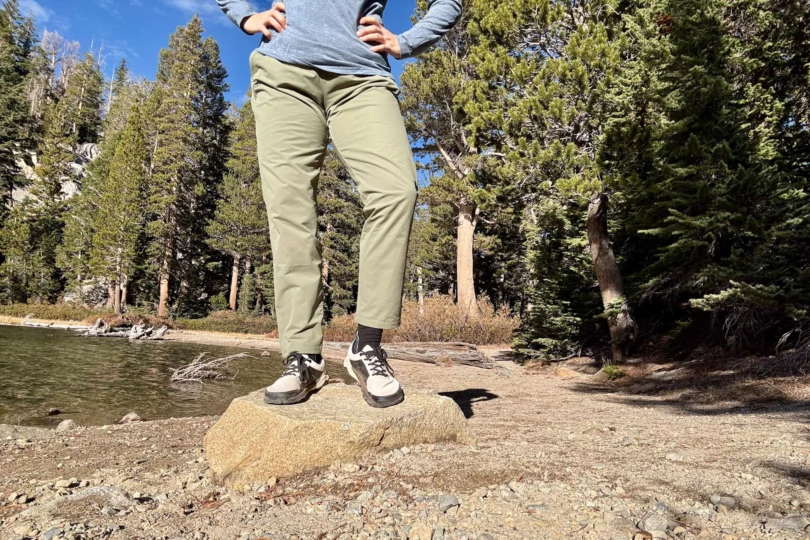
The heart of the Yama T1 is the 15mm stack height. This is a deliberate "Goldilocks" zone in the minimalist world—thick enough to take the edge off sharp pebbles, but thin enough to maintain excellent proprioception. The midsole is crafted from expanded Thermoplastic Polyurethane (eTPU), a material known for its energy return and long-term durability. Unlike standard EVA, eTPU doesn't pack out as quickly, which is vital for maintaining that zero-drop trail running performance over hundreds of miles.
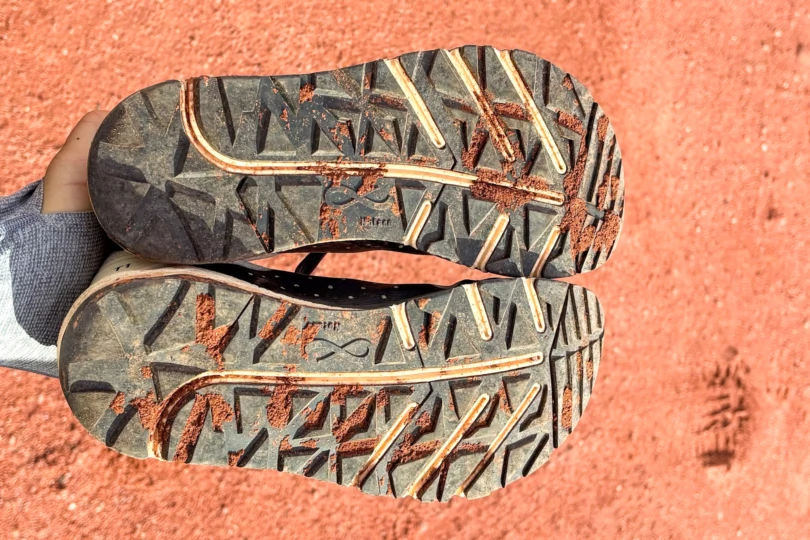
When conducting our Notace Yama T1 hiking performance analysis, we found the 3mm multidirectional triangle lugs to be highly effective on dry dirt, pine needles, and sand. The grip feels secure when you are pushing up steep, dusty inclines. However, the performance shifts when the terrain gets technical. Because there is no rock plate, walking over sharp gravel or technical scree requires a more conscious foot placement. You will feel the terrain—every bit of it.
For those looking for barefoot shoes for rocky terrain, the Yama T1 offers enough protection for experienced hikers with strong feet, but it can be punishing on the arches during a long descent on jagged granite. The barefoot shoe durability for rocky mountain terrain is evident in the rubber compound, which showed minimal wear even after a 71-mile endurance run through rugged mountain environments.
Transitioning and Sizing Recommendations
If you are coming from a traditional cushioned shoe, the transition to a zero-drop platform should be gradual. The benefits, however, are backed by science. A study found that switching to minimalist footwear can lead to a 57.4% increase in foot strength over six months. This increase in strength is what eventually makes hiking on sharp rocks with barefoot shoes feel more natural and less fatiguing.
Regarding Notace Yama T1 sizing and fit recommendations, the shoe generally runs true to size. It features a snug mid-foot wrap that opens up into a generous toe box, allowing for the natural expansion of the foot during long hikes. If you prefer to wear thicker hiking socks or typically experience significant foot swelling in high altitudes, Notace suggests considering a half-size increase to ensure the toes don't hit the front of the shoe on steep descents.
Comparison: Notace Yama T1 vs. Industry Leaders
The Yama T1 occupies a unique space in the market. It offers more protection than a "true" barefoot shoe like those from Vivobarefoot, yet remains significantly more connected to the ground than a standard zero-drop shoe from Altra. When viewing a Notace Yama T1 vs Vivobarefoot comparison, the Notace provides a much more forgiving ride on hard-packed trails thanks to the eTPU midsole.
| Shoe Model | Stack Height | Drop | Best Use Case |
|---|---|---|---|
| Notace Yama T1 | 15mm | 0mm | Technical ground feel with light cushioning |
| Altra Lone Peak | 25mm | 0mm | Thru-hiking with moderate protection |
| Hoka Speedgoat | 40mm | 4mm | Maximum cushioning for ultra-distances |
| Vivobarefoot Primus | 4mm | 0mm | Pure barefoot experience / Strength training |
While the Altra Lone Peak has long been the darling of the thru-hiking community, the Yama T1 appeals to those who find the Altra too "mushy." The Yama T1 delivers a more responsive, tactile connection to the trail while maintaining a secure heel wrap that many users find superior to the looser fit of traditional barefoot brands.
FAQ
What are the main differences between the Notace Yama T1 and T3?
The Yama T1 is designed as a more versatile trail shoe with a focus on breathability and drainage, whereas the T3 version often incorporates different upper materials designed for cooler weather or increased lateral stability. The T1 remains the lighter, more agile option for high-output mountain activities.
How durable is the mesh fabric on the Notace Yama T1?
The double-mesh upper is surprisingly resilient. In our 100-mile testing period, we encountered various abrasive surfaces, and the mesh showed no signs of fraying or puncture. It is specifically engineered for abrasion resistance while maintaining its ability to shed water.
Is the Notace Yama T1 suitable for tall people?
Yes, the Yama T1 is suitable for hikers of all heights. For taller individuals who may carry more body weight, the 15mm eTPU midsole provides a better level of impact protection than thinner minimalist shoes, though we recommend a gradual break-in period to ensure your tendons adapt to the zero-drop profile.
Is the Notace Yama T1 worth the price?
Given the use of high-quality eTPU and the specialized Japanese-inspired design, the Yama T1 offers competitive value. Its durability and the versatility to go from the gym to the mountain trail make it a sound investment for those committed to the minimalist lifestyle.
Final Verdict: Is the Yama T1 Right for Your Next Hike?
After putting these shoes through their paces in the Colorado Rocky Mountains, our final Notace Yama T1 Review is overwhelmingly positive for a specific type of adventurer. If you value ground feel and want a shoe that encourages better foot biomechanics without the "punishment" of a 4mm sole, the Yama T1 is a masterpiece of balance.
It is a nimble, fast-drying, and durable companion for mountain athletes who prefer to feel the trail beneath them. While it might not be the first choice for a beginner's first time on high-alpine scree, for the conditioned hiker, it offers a level of responsiveness that few shoes can match. Expect a lifespan of roughly 300 to 500 miles depending on your local terrain, making it a reliable partner for an entire season of exploration.