Quick Facts
- Distance: Approximately 1,200 miles from Montana to Washington.
- Duration: A typical thru-hike takes between 60 and 80 days.
- Elevation: Expect over 205,000 feet of total elevation gain and loss.
- Best Pack Material: UHMWPE Gridstop or Challenge ULTRA for abrasion resistance.
- Key Gear Focus: Prioritize moisture management and bushwhacking durability.
- Crowds: Isolation is guaranteed, with fewer than 100 hikers attempting it annually.
For a Pacific Northwest Trail thru-hike, gear must prioritize durability and moisture management to handle frequent bushwhacking and damp conditions. Highly durable materials like UHMWPE Gridstop are recommended for backpacks to prevent tears in overgrown sections. Additionally, using insulation with waterproof treated down, such as ExpeDry, helps maintain loft and warmth when gear inevitably becomes wet from condensation or rain.
The PNT Reality: Why Traditional Gear Fails
When I first considered a Westbound journey from the Rocky Mountains to the sea, I assumed my standard Triple Crown hiker kit would suffice. I was wrong. The Pacific Northwest Trail is a different beast entirely. Unlike the manicured tread of the PCT, this is a raw, primitive experience where the trail often disappears into a tangled mess of slide alder and devil’s club.
Because fewer than 100 hikers attempt this 1,200-mile stretch each season, the path is barely established in many locations. You aren't just walking; you are navigating. Remote wilderness navigation becomes a daily chore, and your gear bears the brunt of it. Standard ultralight fabrics that thrive on open ridge lines often shred when faced with durable gear for PNT bushwhacking requirements. Furthermore, you will face massive resupply gaps, sometimes pushing 200 miles between reliable towns, meaning your kit must handle a heavy food load without failing in the middle of the Pasayten Wilderness.

Shelter & Sleep: Battling PNW Condensation
In the Pacific Northwest, moisture doesn't just come from the sky; it rises from the ground and hangs in the air. Condensation management is the primary challenge for any sleep system here. I’ve woken up in the North Cascades with a literal puddle on my quilt simply from the humidity trapped under my shelter.
The Shelter System
A shelter for this trail needs to be more than just light. I recommend a versatile shelter with a bathtub floor and bug netting, such as the Zpacks Pivot Solo. The high bathtub floor is essential for the torrential downpours and muddy campsites found in the Olympic Peninsula, while the mesh provides a necessary barrier against the aggressive alpine mosquitoes. If you opt for a single-wall tent, ensure it has massive venting capabilities to keep the interior as dry as possible.
Insulation and Sleeping Pads
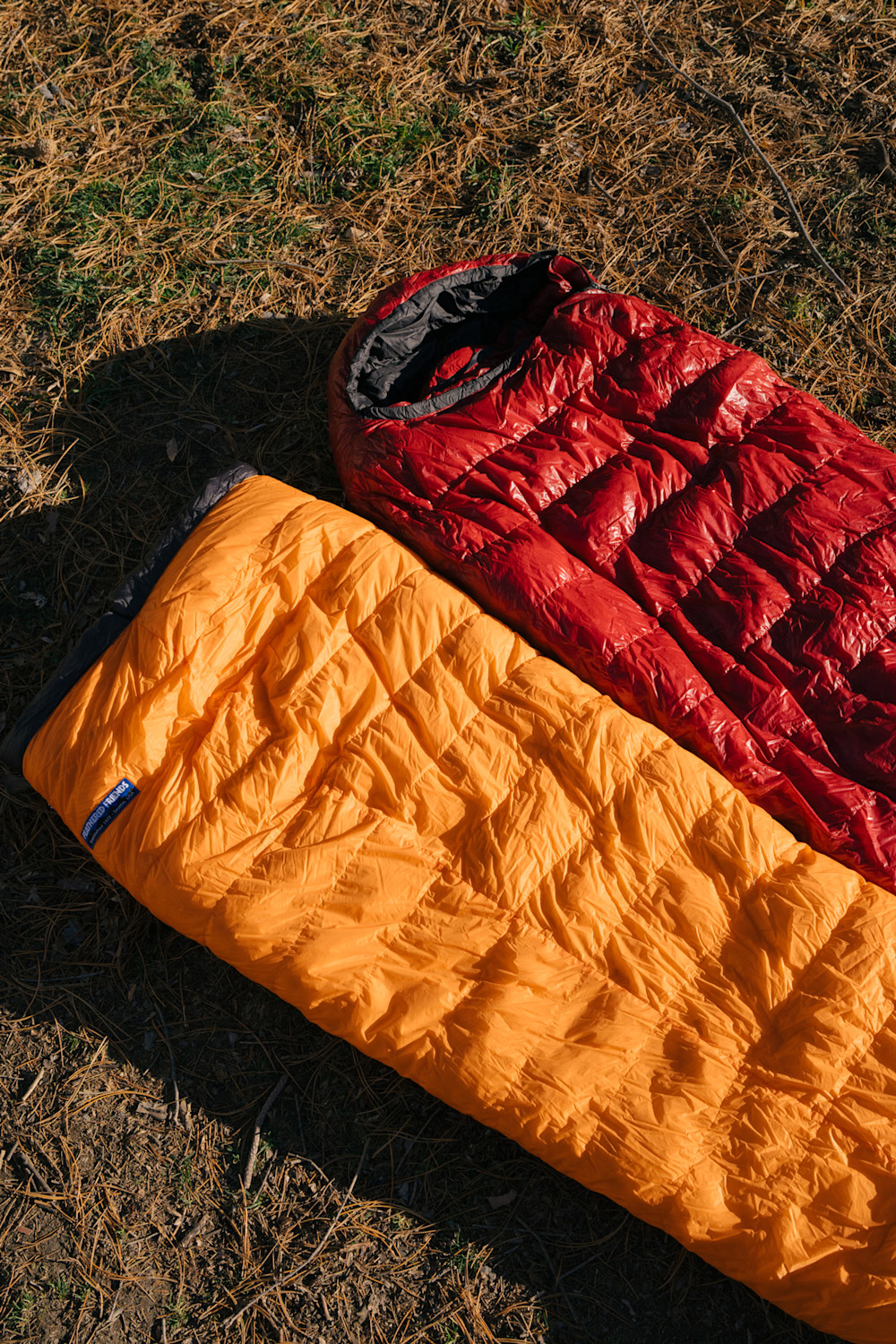
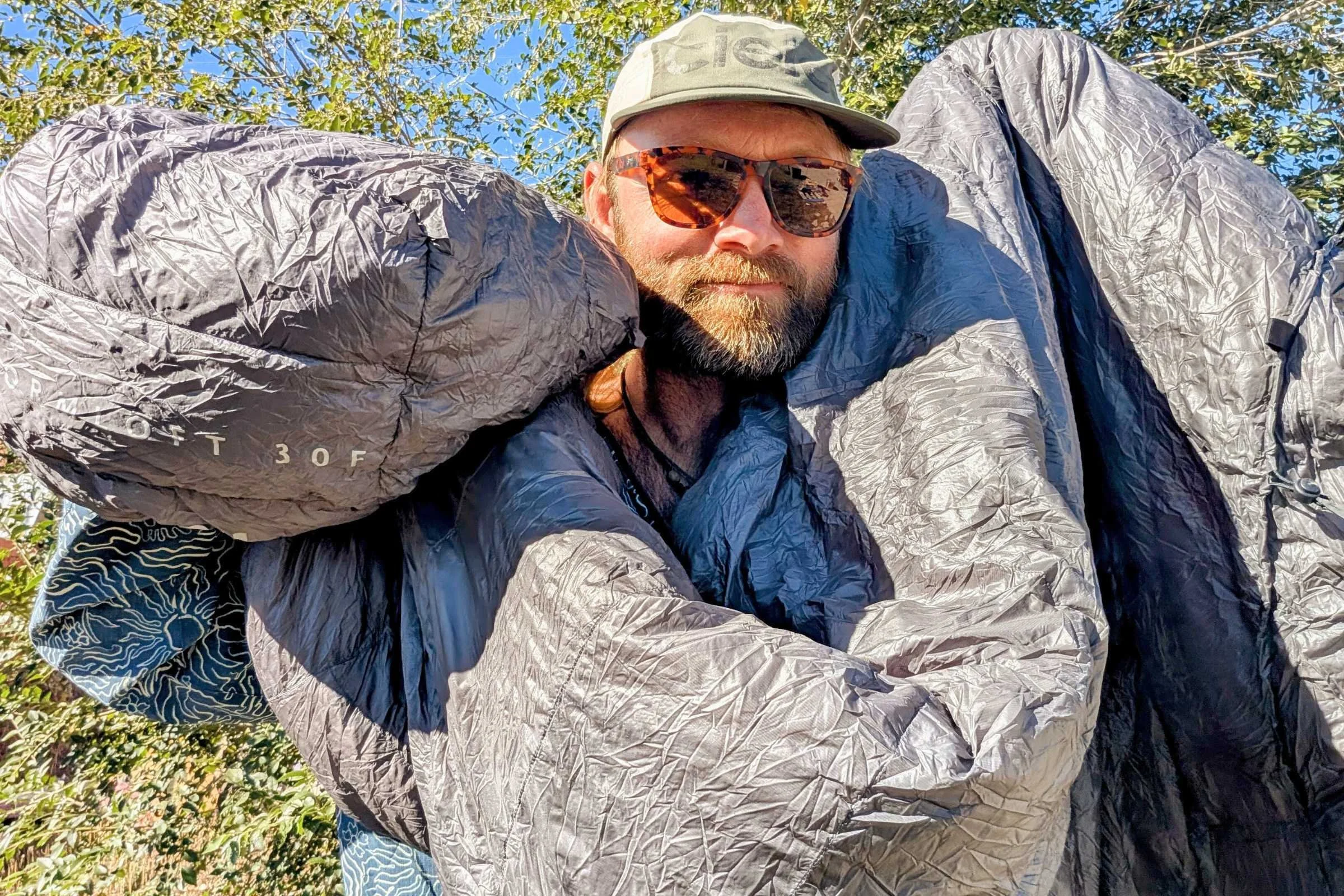
For your sleep system, skip the untreated down. I found that a 30-degree quilt utilizing 1000-fill down treated with ExpeDry waterproof down is the gold standard for this environment. The treatment allows the down to maintain its loft even when the air is thick with mist. Pairing this with a high R-value sleeping pad is non-negotiable for those freezing high-alpine nights in Glacier National Park.
| Item | Price | Weight | R-Value / Fill |
|---|---|---|---|
| Nemo Tensor Extreme | $249 | 17 oz | 8.5 R-Value |
| Therm-a-Rest NeoAir XLite NXT | $209 | 13 oz | 4.5 R-Value |
| Custom 30-Degree Quilt | $450 | 19 oz | 1000-fill ExpeDry |
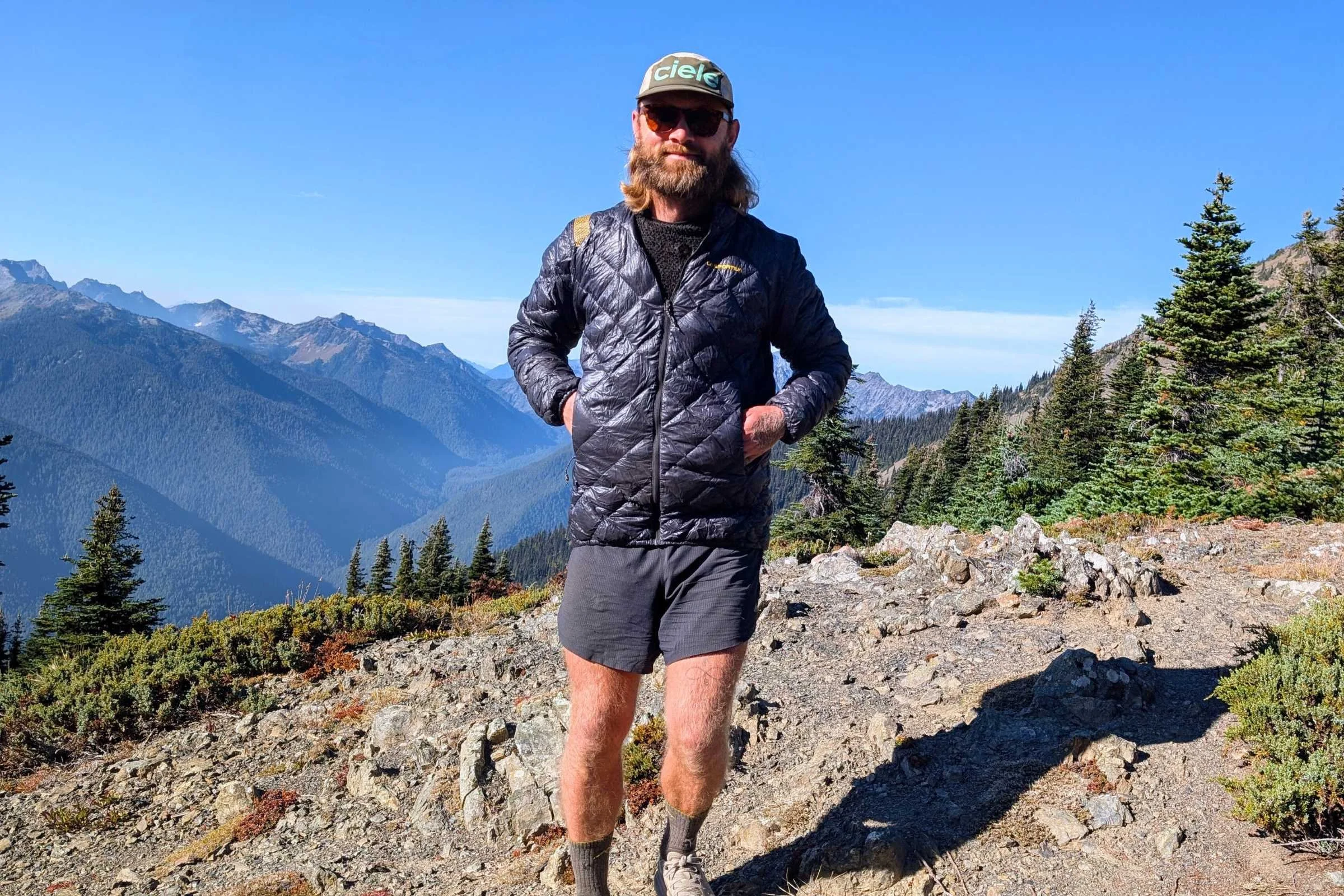
Managing gear moisture on the Pacific Northwest Trail is a full-time job. Always take the opportunity to dry your gear during the mid-day sun, as the dampness will compromise your warmth over several days of rain.
Backpacks & Durability: Surviving the Brush
The PNT will try to tear your pack off your back. I’ve seen ultralight DCF (Dyneema Composite Fabric) packs get shredded in a single afternoon of bushwhacking through the Selkirks. For a 1,200-mile PNT thru-hike gear list 2026, the focus has shifted toward high-abrasion textiles.
Material Selection
We are seeing a move away from standard nylon toward Challenge ULTRA and UHMWPE Gridstop. These materials offer the best strength-to-weight ratio for a trail that involves constant contact with rock and wood. A pack like the Pa’lante V2, a Frameless pack roughly 30 to 37 liters, is excellent for experienced hikers who have dialed in their base weight. However, due to the long food carries—sometimes exceeding 6-7 days—many hikers prefer a slightly more structured system like the HMG Southwest. It provides the necessary support when carrying 35+ pounds of food and water through 205,000 feet of elevation change.
The Sweet Spot
The best ultralight backpacking gear for Pacific Northwest Trail usually fits into a 40-50 liter pack. This allows enough volume for a bulky bear canister (required in several sections) while remaining streamlined enough to not snag on every branch during off-trail segments.
Clothing & Tech: Modularity for Smoke and Rain
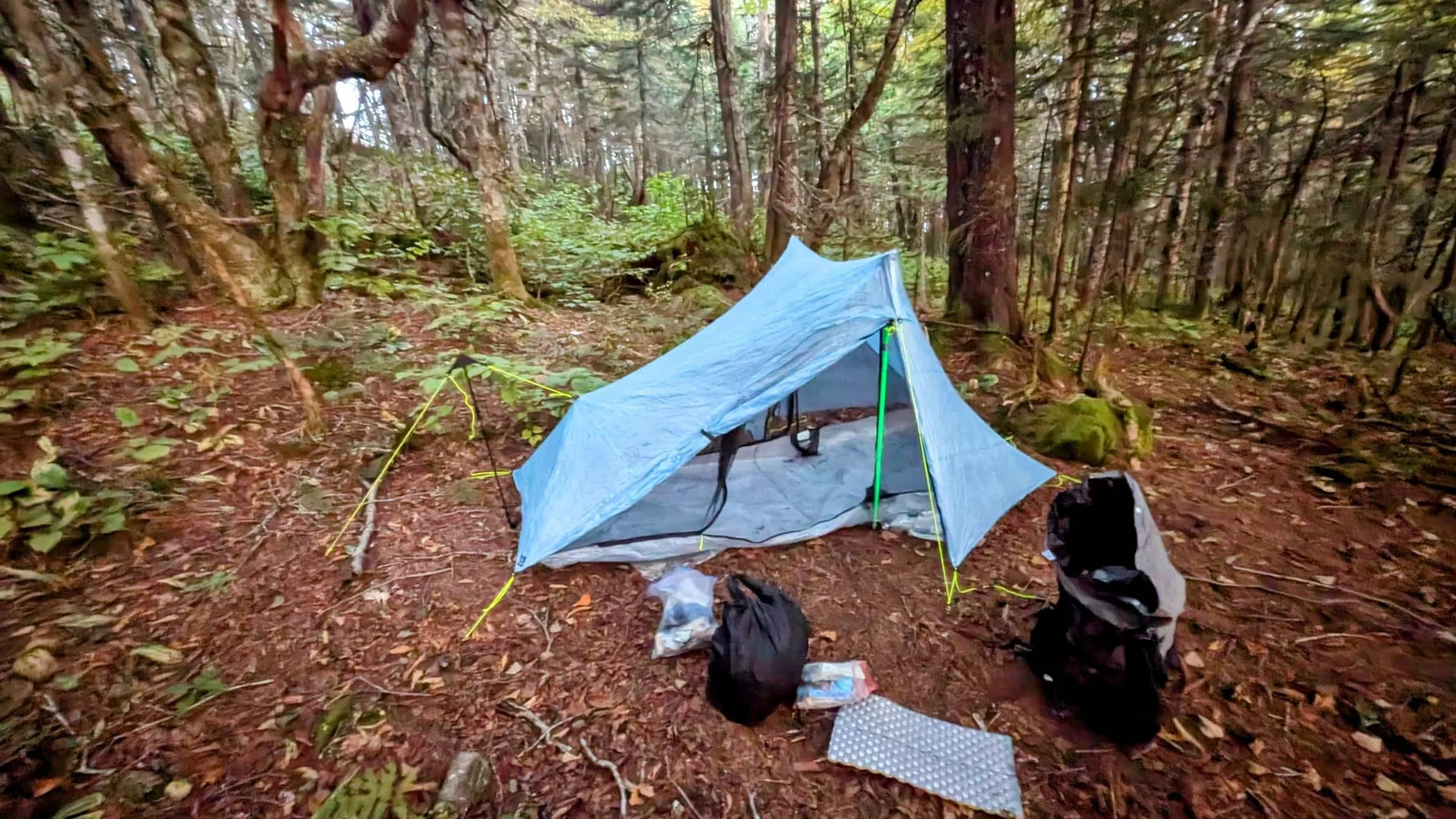
The PNT climate is schizophrenic. You will experience 90-degree heat in the Kettle River Range and freezing rain on the Olympic Coast. This requires a highly modular PNT thru-hike gear list that can be stripped down or layered up in seconds.
Layering for the Elements
During the peak of summer, Wildfire smoke has unfortunately become a standard part of the PNT experience. I recommend carrying a lightweight buff or even a dedicated mask for high-smoke days, alongside lightweight layers for hot and smoky PNT summers. A breathable sun hoody is your best friend here, providing UV protection without overheating you during steep climbs.
Navigation and Electronics
Because the PNT is often poorly marked, your navigation and emergency gear for the PNT must be redundant. I never step onto the trail without a dedicated GPS device and a high-capacity power bank. I prefer Nitecore power banks for their IPX5 water resistance. On a 1,200-mile Pacific Northwest Trail gear test, these survived multiple soakings that would have fried other electronics.
Footwear
Forget heavy boots. Most successful PNT hikers use trail runners. However, you need shoes with aggressive, deep lugs. The "PNT mud" and steep, grassy traverses require maximum traction. I found that shoes with a Vibram Megagrip sole performed best on the slippery logs and wet granite typical of the Westbound journey.
Regional Gear Swaps: Glacier to the Coast
Your Pacific Northwest Trail gear recommendations aren't static; they need to evolve as you move from the Rockies to the Pacific.
- Glacier to the Purcells: This is grizzly country. Bear spray is mandatory, and you must adhere to strict food storage protocols.
- The Pasayten Wilderness: This section is remote. Your navigation must be on point, and your water filtration needs to be fast, as you’ll be crossing many silty glacial streams.
- The Olympic Peninsula: This is where the rain truly starts. Many hikers swap their lightweight wind shells for a heavy-duty mechanical venting raincoat as they approach the coast. Also, be aware of specific bear canister requirements for PNT hikers in Olympic National Park, where hard-sided canisters are often required to protect your food from both bears and clever raccoons.
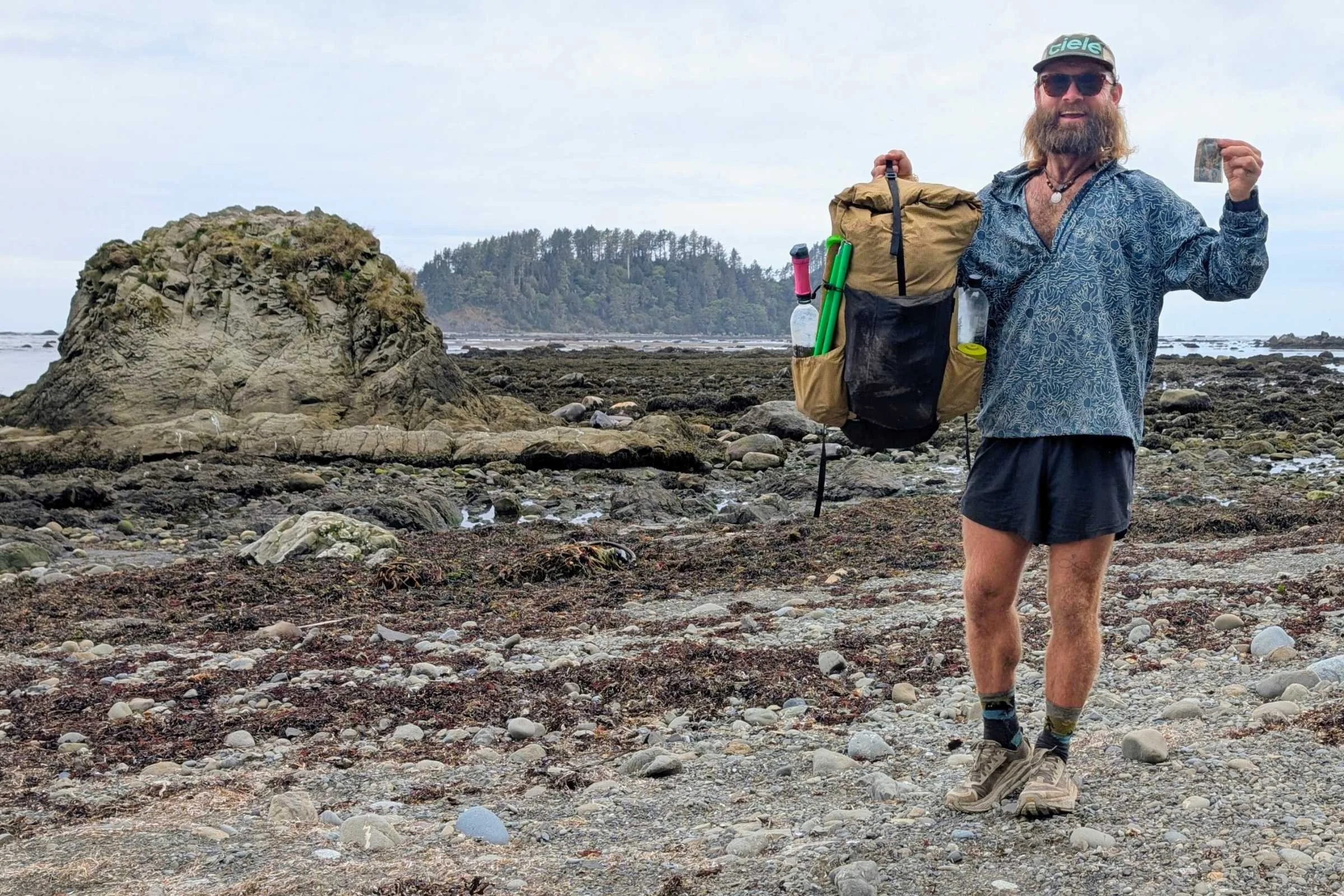
As you transition from the high-alpine peaks of Glacier to Olympic, the terrain flattens but the technicality remains. The final miles on the beach involve timed crossings of tidal headlands, making a reliable waterproof watch or GPS just as important as your hiking poles.
FAQ
What gear is essential for hiking the Pacific Northwest Trail?
The most essential gear includes a highly durable backpack made of materials like UHMWPE Gridstop to withstand bushwhacking, a moisture-resistant sleep system with ExpeDry waterproof down, and robust navigation tools. Because the trail is primitive and remote, you also need a modular layering system that handles both extreme heat and freezing alpine rain.
Do I need a bear canister for the PNT?
Yes, bear canister requirements for PNT hikers vary by section. While not required for the entire 1,200 miles, they are mandatory in Glacier National Park and Olympic National Park. Many hikers choose to carry a lightweight canister for the duration of the hike to ensure they are always compliant and to protect their food from small rodents in high-use areas.
What kind of footwear is recommended for the PNT?
Trail runners with aggressive lugs are the most recommended footwear. The PNT involves significant off-trail travel, mud, and slippery log crossings, so a sole with excellent grip (like Vibram Megagrip) is more important than ankle support. Ensure your shoes are broken in but have enough life left to handle the 205,000 feet of elevation change.
What clothing layers are necessary for Pacific Northwest weather?
You need a versatile three-layer system: a moisture-wicking base layer (like a sun hoody), an active insulation layer (a lightweight 1000-fill down jacket or fleece), and a high-quality rain shell. Specialized lightweight layers for hot and smoky PNT summers are also recommended due to increasing wildfire activity in the region.
Is a GPS device required for navigating the Pacific Northwest Trail?
While not legally "required," a dedicated GPS device or a smartphone with reliable offline maps is considered essential for safety. The PNT is an undeveloped route with many unmarked junctions and overgrown sections where the trail is invisible. Relying solely on paper maps is difficult for most hikers given the density of the PNW brush.