Quick Facts
- Region: Jämtland, Sweden
- Best Window: Late June to mid-September
- Access: Direct night train from Stockholm to Duved or Enafors (7–8.5 hours)
- Classic Route: Jämtland Triangle (47km loop)
- Key Infrastructure: STF mountain stations with panoramic saunas and local cuisine
- Philosophy: Slow hiking with a focus on Scandinavian wilderness immersion
Slow hiking in Jämtland focuses on sensory immersion in the alpine tundra rather than daily mileage, utilizing the STF mountain hut system for a balance of rugged nature and Nordic comfort. By starting at the Storulvån mountain station, trekkers can access the vast Scandinavian wilderness and practice hiking Jämtland at a deliberate, meaningful pace.
The Philosophy of Slow Hiking in Sweden
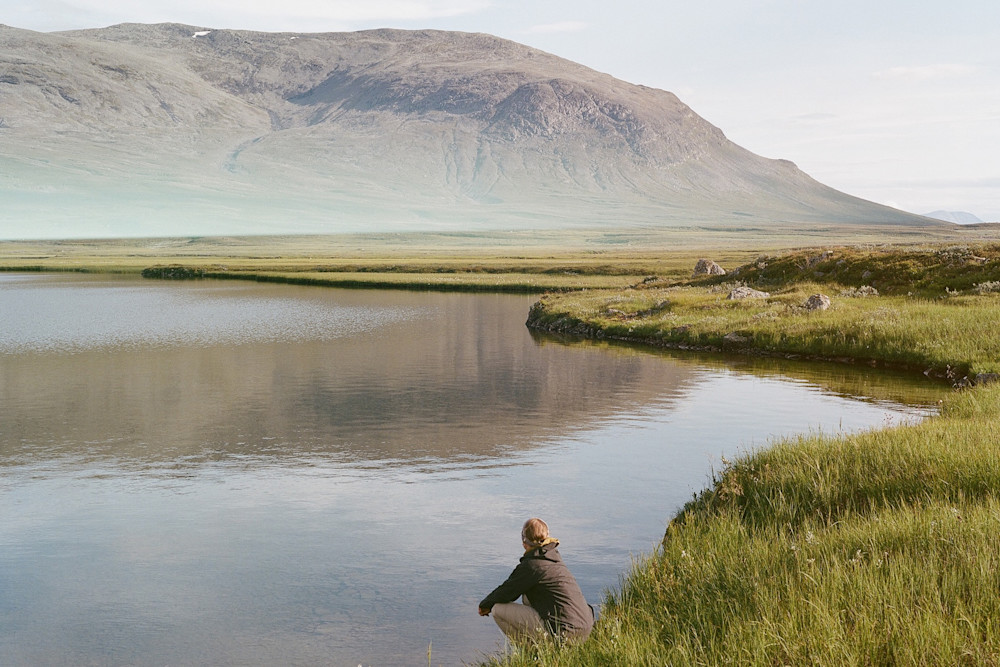
There is a specific kind of silence found only above the treeline in the Swedish north. It is not an empty silence, but one filled with the rustle of dwarf birch and the distant whistle of wind over the Kalfjäll plateau. For many, trekking is a pursuit of distance—a race to see how many kilometers can be conquered before sundown. However, we believe that the ultimate move in these mountains is the transition toward slow hiking in Sweden.
This mindset encourages a deeper connection to the alpine tundra. Instead of focusing on the destination, slow hiking invites you to notice the shifting colors of the moss, the way the light hits the Sylarna massif at 2:00 AM during the midnight sun, or the sudden appearance of a golden eagle. It is about trading the stress of the stopwatch for the intuition of the trail.
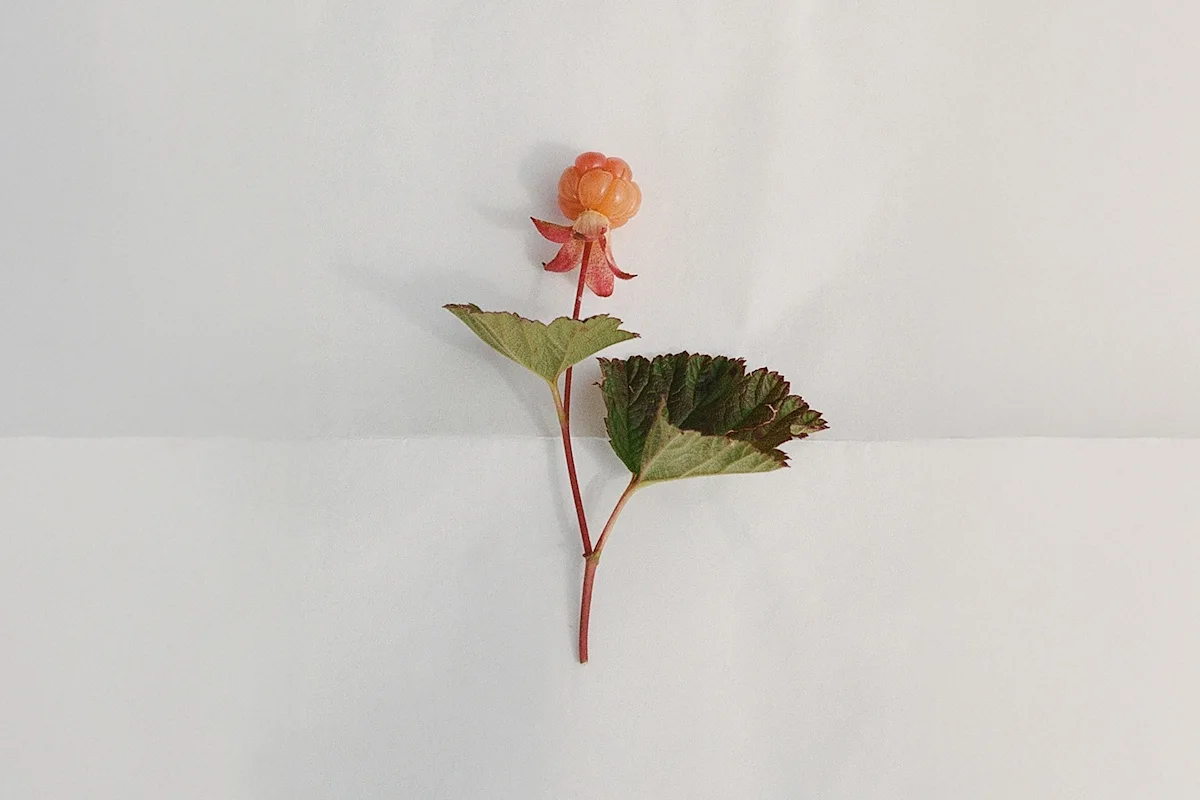
Chef's Table: The Gold of the North Late summer in Jämtland offers a culinary bounty for those who walk slowly enough to see it. Keep an eye out for hjortron, also known as cloudberries, which glow like amber in the marshy patches. Alongside these, you will often find yellow chanterelles tucked beneath the birch canopy. Foraging hjortron is a local rite of passage, and adding these fresh berries to your morning porridge at a mountain station is an experience no dehydrated meal can match.
As you learn how to practice slow hiking in the Swedish mountains, you begin to appreciate the subtle seasonal shifts. Whether it is the vibrant green of early July or the fiery reds and oranges of the "höstfärger" (autumn colors) in September, the landscape rewards those who do not rush through it.
The Classic Loop: Jämtland Triangle Self-Guided
For those new to the region, the Jämtland Triangle is the gold standard of Scandinavian trekking. It is a 47-kilometer hiking route that connects three of the most iconic STF mountain stations: Storulvån, Sylarna, and Blåhammaren. While many seasoned hikers push through these stages quickly, a slow hiking approach allows you to spend more time at each location, perhaps staying an extra night at Sylarna to attempt a non-technical summit of the peaks.
The route is well-marked and relatively moderate, making it accessible for those seeking Jämtland Triangle self-guided trekking tips without the need for a mountain leader. However, its popularity is tangible; in 2023, the Swedish Tourist Association recorded approximately 40,000 guest nights at its mountain accommodations in the Jämtland region. Slowing down allows you to find pockets of solitude even on this famous loop.
| Stage | Distance | Est. Time (Slow Pace) | Highlights |
|---|---|---|---|
| Storulvån to Sylarna | 12 km | 4–5 hours | Gradual climb, views of the hand-like mountains. |
| Sylarna to Blåhammaren | 19 km | 6–8 hours | The most scenic stretch with views of the Sylarna massif. |
| Blåhammaren to Storulvån | 16 km | 5–6 hours | Sweeping downhill descent back to the birch forest. |
Off the Beaten Path: Bunnerfjällen Trekking Route
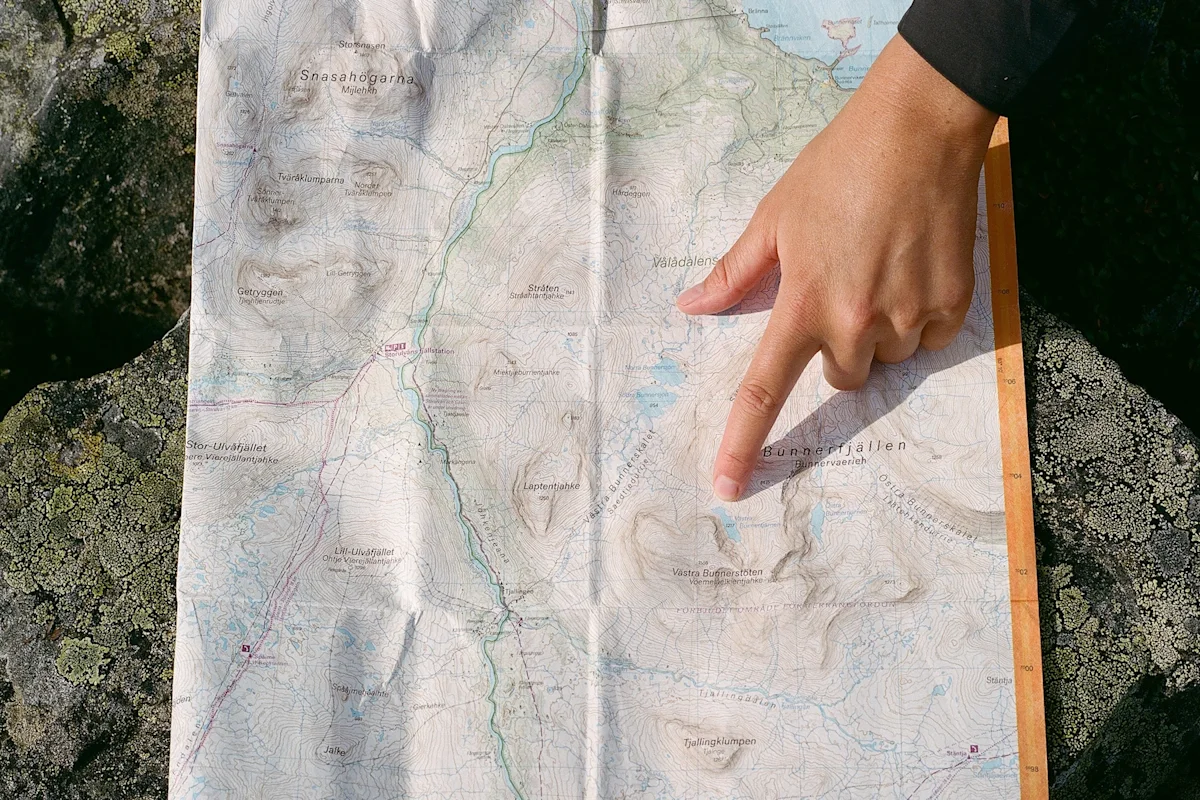
If the Triangle feels too crowded, or if your soul craves a more raw encounter with the Scandinavian wilderness, you must head toward the roadless interior. The Bunnerfjällen trekking route offers an escape into a region where the trails disappear and navigation becomes an art form. This area is part of a larger network featuring more than 500 kilometers of marked hiking and ski trails across Jämtland and Härjedalen, but Bunnerfjällen itself remains blissfully wild.
Exploring this massif requires a different set of skills. You will trade the comfort of well-trodden paths for river fording and backcountry route-finding. A Bunnerfjällen trekking route off trail guide would emphasize the transition from the lush birch forest into the high mountain plateaus. Here, you are more likely to encounter a herd of reindeer than another human being. It is the pinnacle of slow hiking, where every step requires a conscious decision and a deep respect for the terrain.
Understanding the Social Contract: Allemansrätten
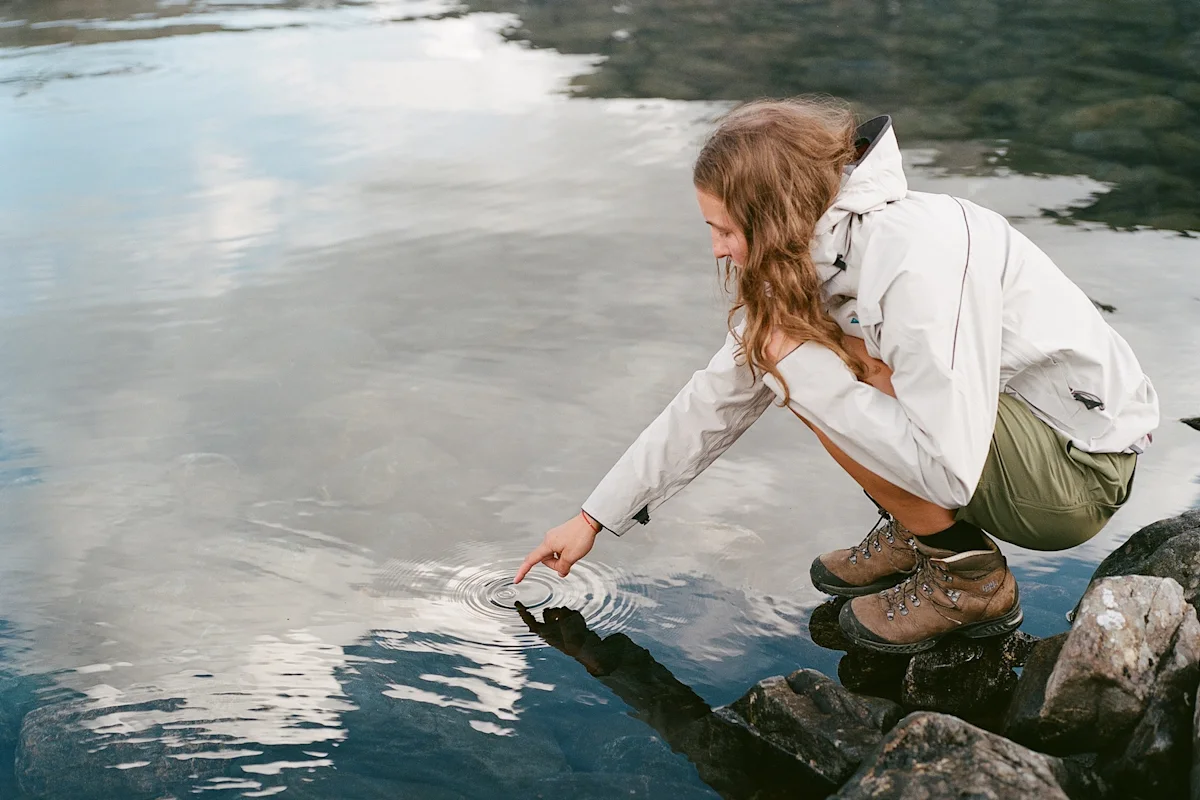
One of the greatest joys of hiking Jämtland is the freedom provided by Allemansrätten, the Right of Public Access. This unique Swedish law allows you to move freely through the countryside, pick berries, and pitch a tent almost anywhere for a night. However, this freedom comes with a significant social contract, particularly regarding Allemansrätten camping Sweden.
When you are wild camping in Jämtland Sweden, you are often on reindeer grazing lands. The Jämtland mountains are a living cultural landscape managed by the Sami people. It is imperative that you respect their livelihood. This means maintaining a significant distance from reindeer, especially during the spring and summer calving seasons. If you see reindeer, stop, remain quiet, and let them move away at their own pace.
Local Etiquette: Tread Lightly The moss and lichen of the alpine tundra are incredibly fragile. A single footprint on certain species of arctic moss can take decades to recover. When practicing wild camping, choose durable surfaces like gravel or dry grass, and always follow 'leave no trace' principles. If you are near the STF mountain stations, use their designated facilities to minimize your impact on the environment.
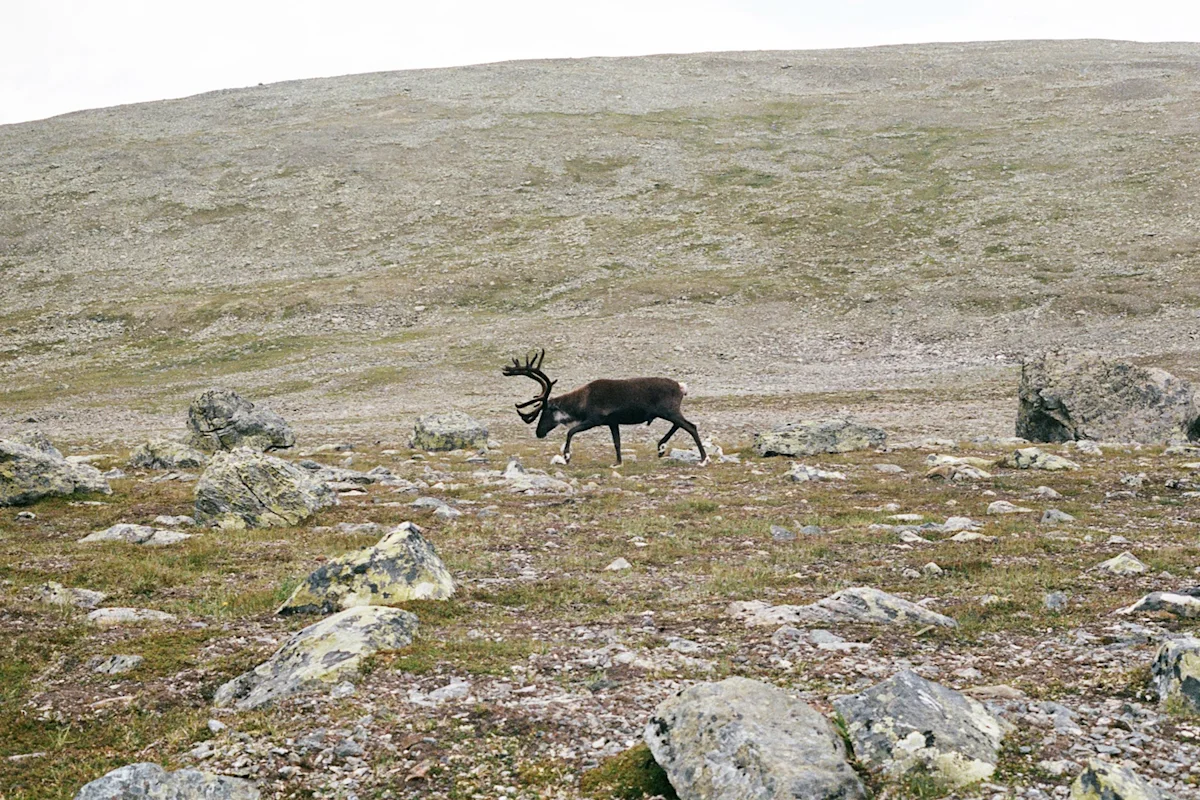
Respecting Sami reindeer herding when trekking in Sweden is not just a suggestion; it is a core component of being a responsible hiker in this region. The mountains are not a playground, but a workplace and a home.
Gear & Logistics for the Swedish Mountains
The weather in the Scandinavian mountains is notoriously fickle. Even in July, a sunny morning can transform into a sleet-heavy afternoon within minutes. This makes choosing the correct Nordic outdoor equipment vital for a safe and enjoyable journey.
For a summer trek, your kit should prioritize high-quality waterproofing and layers. While the mountain hut system provides a safety net, you should always carry essential gear for hiking Jämtland in summer, including:
- Footwear: Sturdy, waterproof boots are non-negotiable for river fording and navigating the boggy sections of the trail.
- Navigation: While digital navigation on a smartphone is convenient, mountain reception is spotty. Always carry a physical map and compass as a backup.
- Safety: Familiarize yourself with the location of wind shelters like Spåjme or Enkälen along your route. These huts are for emergency use and offer a crucial reprieve during sudden storms.
- Shelter: If you aren't staying in the huts, a tent rated for high-wind environments is necessary for the open kalfjäll.
The STF stations offer a unique hybrid experience. You can choose a private room upgrade for about €75 or opt for a traditional dorm bed. Most stations include a sauna—a quintessential Swedish mountain experience—and a shop where you can purchase supplies or local delicacies.
FAQ
What is the best time of year to hike in Jämtland?
The primary hiking season runs from late June to mid-September. June offers the novelty of the midnight sun but can be quite buggy and wet with snowmelt. August and early September are often considered the sweet spot, with fewer mosquitoes, stable weather, and the beginning of the spectacular autumn foliage.
Can you wild camp while hiking in Jämtland?
Yes, under the Right of Public Access, wild camping is permitted in most areas for a night or two. However, you must avoid camping near private residences or in sensitive nature reserves where specific restrictions might apply. Always ensure you are not disturbing reindeer grazing lands and that you leave absolutely no trace of your stay.
How difficult is the Jämtland Triangle hike?
The Triangle is considered a moderate hike. The trails are well-maintained with wooden planks over boggy sections and clear markings. While the distances (12–19km per day) are manageable for most people with a decent level of fitness, the unpredictable mountain weather remains the primary challenge.
Do I need to book mountain huts in Jämtland in advance?
While you can technically show up and be guaranteed a place to sleep (even if it's just a mattress on a floor in an emergency), it is highly recommended to book in advance. Popular stations like Blåhammaren and Sylarna often fill up months ahead during the peak summer weeks. Pre-booking also ensures you can secure meal packages and saunas.
What equipment do I need for hiking in the Swedish mountains?
Key items include a waterproof shell jacket and trousers, moisture-wicking wool base layers (avoid cotton), broken-in trekking boots, a mountain map, and a headlamp. Even in summer, bring gloves and a warm hat, as temperatures can drop toward freezing at night on the high plateaus.