Quick Facts
- Safety Standard: The 2026 Skin Cancer Foundation threshold for summer apparel is now UPF 50+ for maximum protection against UV radiation.
- Fatal Statistics: Hiking is the leading cause of heat-related fatalities in U.S. national parks, accounting for more than 60% of all heat-related deaths.
- Fabric Efficiency: Moisture-wicking synthetic fabrics can maintain skin temperatures between 0.9°F and 1.8°F lower than traditional cotton during high-intensity activity.
- Weight Metric: For high-exertion heat, look for ultra-light technical fabrics ranging from 79 to 120 GSM (Grams per Square Meter).
- UV Comparison: specialized sun-protective clothing with a UPF 50+ rating blocks approximately 98% of harmful UV radiation, compared to a white cotton T-shirt which may only provide a UPF of 5 to 8.
- Footwear Strategy: Breathable, non-waterproof trail runners allow moisture management and prevent friction-based blisters far more effectively than heavy leather boots.
For hiking in extreme heat, prioritize breathable synthetic materials like polyester or lightweight merino wool. These summer hiking clothes offer essential moisture wicking properties and UV protection to maintain core temperature and prevent heat exhaustion. By choosing high-performance fabrics that move moisture away from the skin, you create a personal microclimate that promotes evaporative cooling even in the most demanding trail conditions.
Fabric Science: The Foundation of Heat Management
When the mercury rises, the weight and weave of your gear become your primary defense. The best fabrics for summer hiking are engineered to move moisture quickly. This process, known as capillary action, pulls sweat from your skin to the outer surface of the garment where it can evaporate. In the world of textile science, we measure this using GSM. For summer hiking clothes, staying within the 79 to 120 GSM range ensures the garment is thin enough to breathe but dense enough to provide a high UPF rating.
Synthetic blends involving polyester and nylon are the gold standard for hot weather. Polyester is prized for its hydrophobic nature, meaning it does not absorb water and dries in as little as 10 to 15 minutes. Nylon adds durability and a silkier hand-feel, which is vital for preventing chafing during long miles. For those who prefer natural fibers, lightweight merino wool is a fantastic alternative. While it holds more water than polyester, it excels at moisture management and possesses natural antimicrobial properties that keep odors at bay—a major plus for multi-day trips.
| Fabric Type | Pros | Cons | Best Use |
|---|---|---|---|
| Polyester | Rapid drying, high wickability, affordable | Retains odors easily | High-intensity trail running and fast-packing |
| Nylon | Extremely durable, soft against skin | Dries slightly slower than polyester | Rugged bushwhacking and scrambles |
| Merino Wool | Odor resistant, regulates temperature | More expensive, less durable than synthetics | Multi-day thru-hiking and cooler alpine starts |
Technical fabrics also rely on knit patterns to facilitate airflow. Look for moisture wicking fabrics for extreme heat hiking that feature "mechanical ventilation," such as mesh paneling under the arms or across the back. These zones allow body heat to escape directly rather than being trapped against the torso, helping to stabilize your core temperature.
The Sun Hoodie Revolution: Skin Protection and Cooling
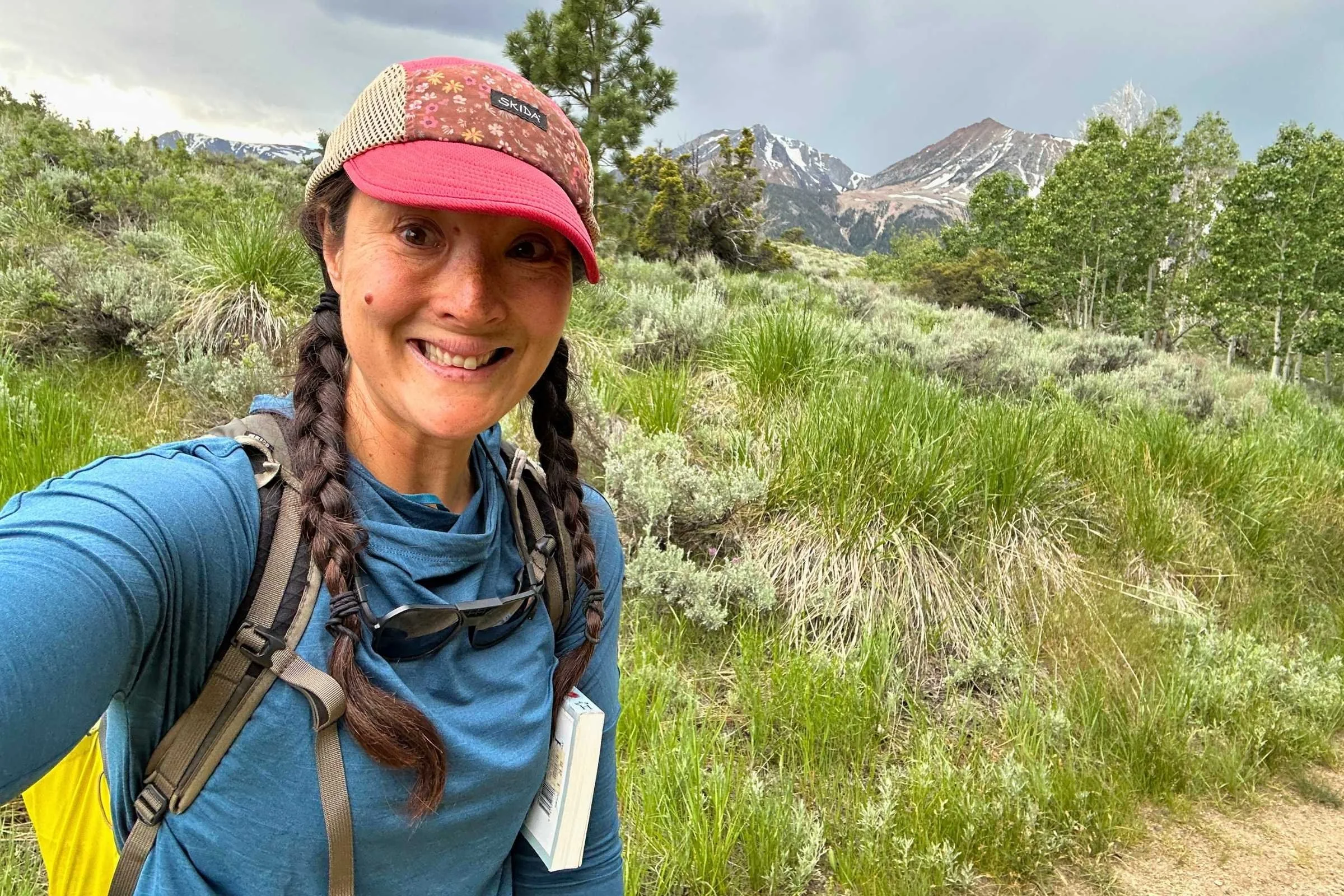
A few years ago, the idea of wearing long sleeves in a desert would have seemed counterintuitive. Today, ultralight sun hoodies for summer hiking have become the uniform of choice for elite thru-hikers. The logic is simple: preventing UV radiation from hitting your skin is more effective at keeping you cool than letting the sun bake your bare arms.
A high-quality sun hoodie acts as a portable patch of shade. These pieces of hiking sun protection clothing usually feature a loose fit, which creates a chimney effect, allowing air to circulate between the fabric and your body. Crucial design elements to look for include:
- Thumbholes: These keep the sleeves over the backs of your hands, protecting a high-exposure area often missed by sunscreen.
- Generous Hoods: A hood designed to fit over a baseball cap provides 360-degree protection for your neck and ears.
- Light Colors: Pale greys, blues, and whites reflect solar radiation rather than absorbing it.
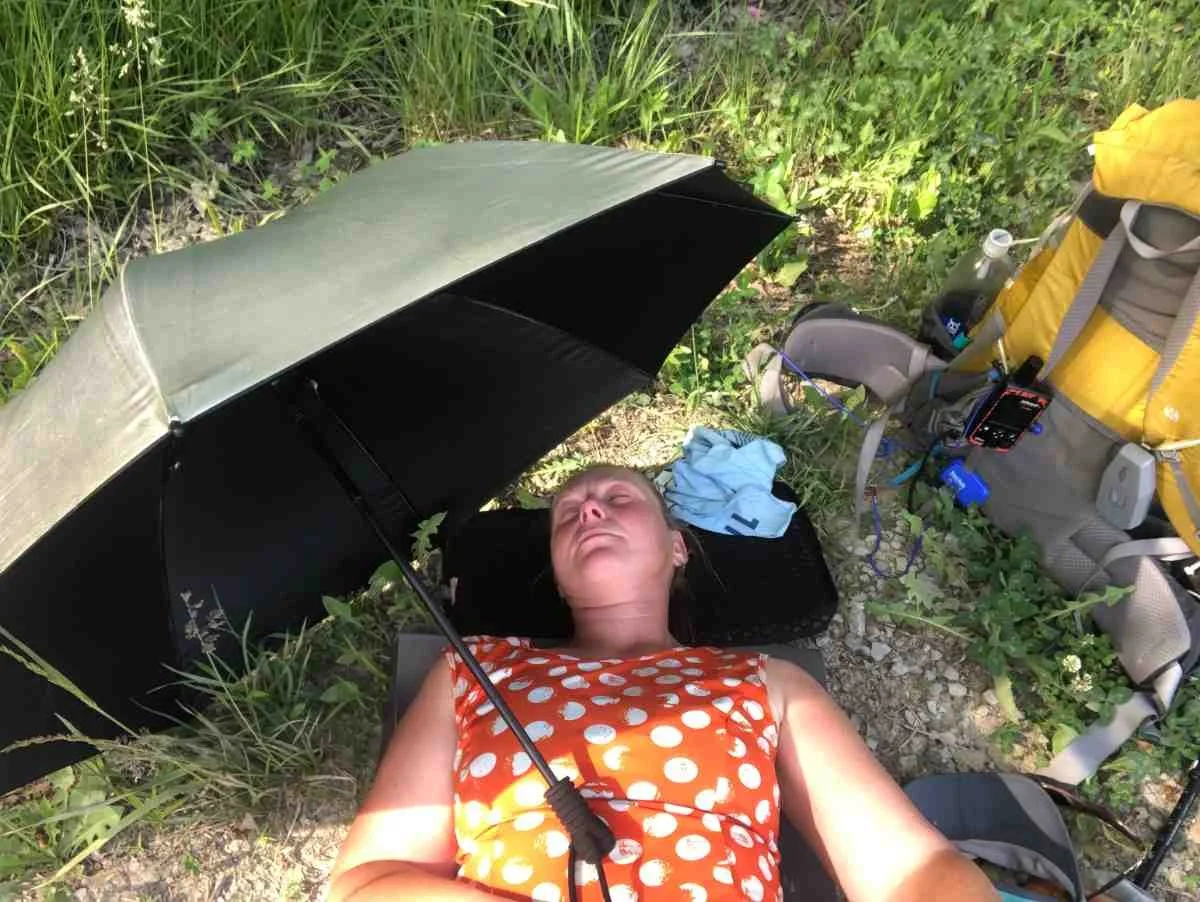
Consider adding a trekking umbrella to your kit for truly exposed terrain. While it may look unusual on the trail, a chrome-topped sun umbrella can drop the temperature underneath it by up to 15 degrees, providing a mobile sanctuary from intense alpine exposure.
Bottoms and Footwear: Managing Friction and Airflow
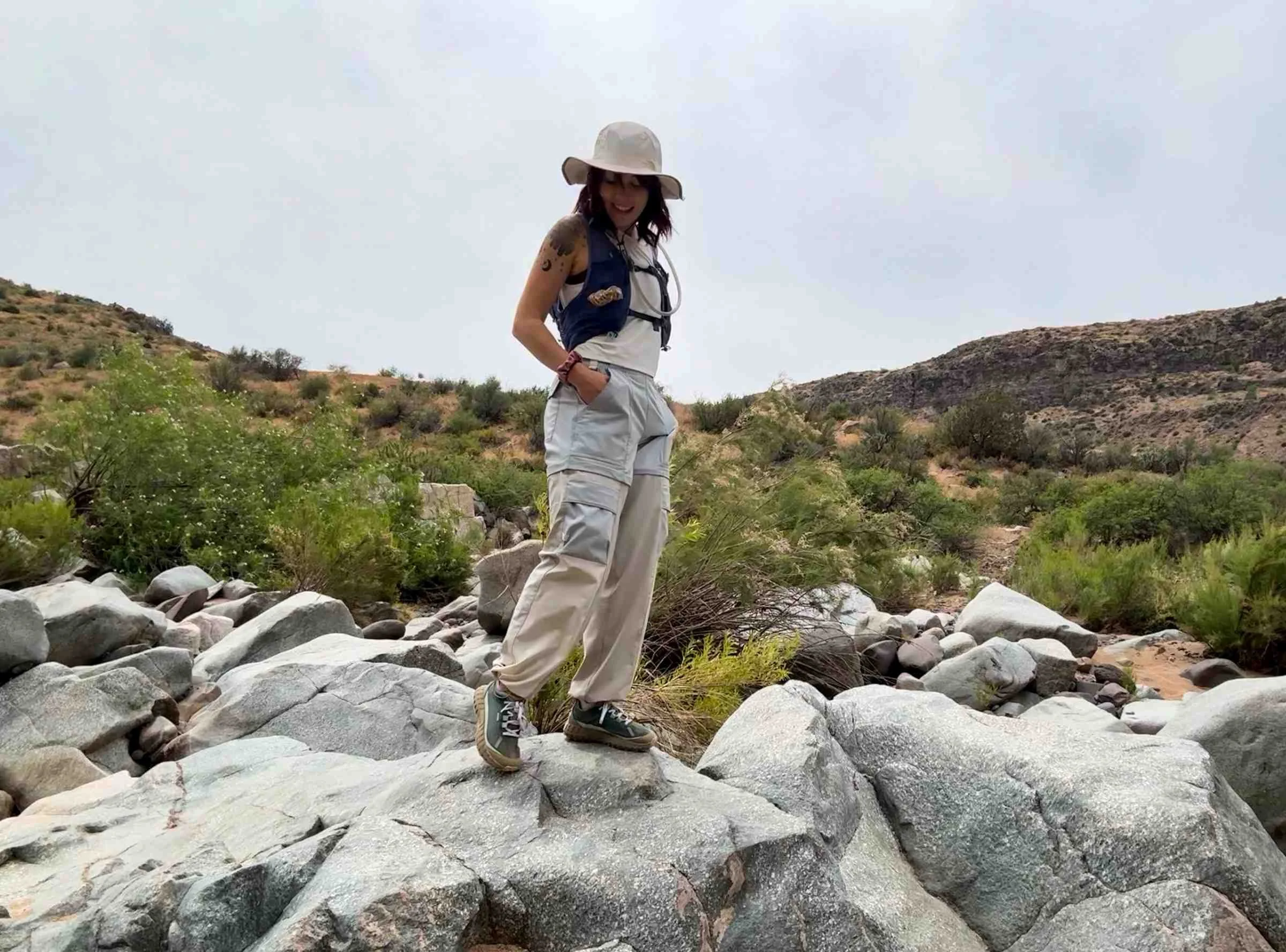
The debate of choosing between hiking pants and shorts for heat usually comes down to the environment. In the desert or high alpine, lightweight pants are often superior because they block UV radiation and protect against abrasive brush. However, for humid forest trails, lightweight shorts promote maximum airflow and help prevent the build-up of sweat that leads to chafing.
If you struggle with skin irritation, understanding how to prevent chafing while hiking in hot weather is a game-changer. Use a combination of a high-quality anti-chafe stick and synthetic underwear or liners. Some hikers prefer wearing lightweight shorts under a skirt or dress to provide the perfect blend of airflow and anti-chafe protection.
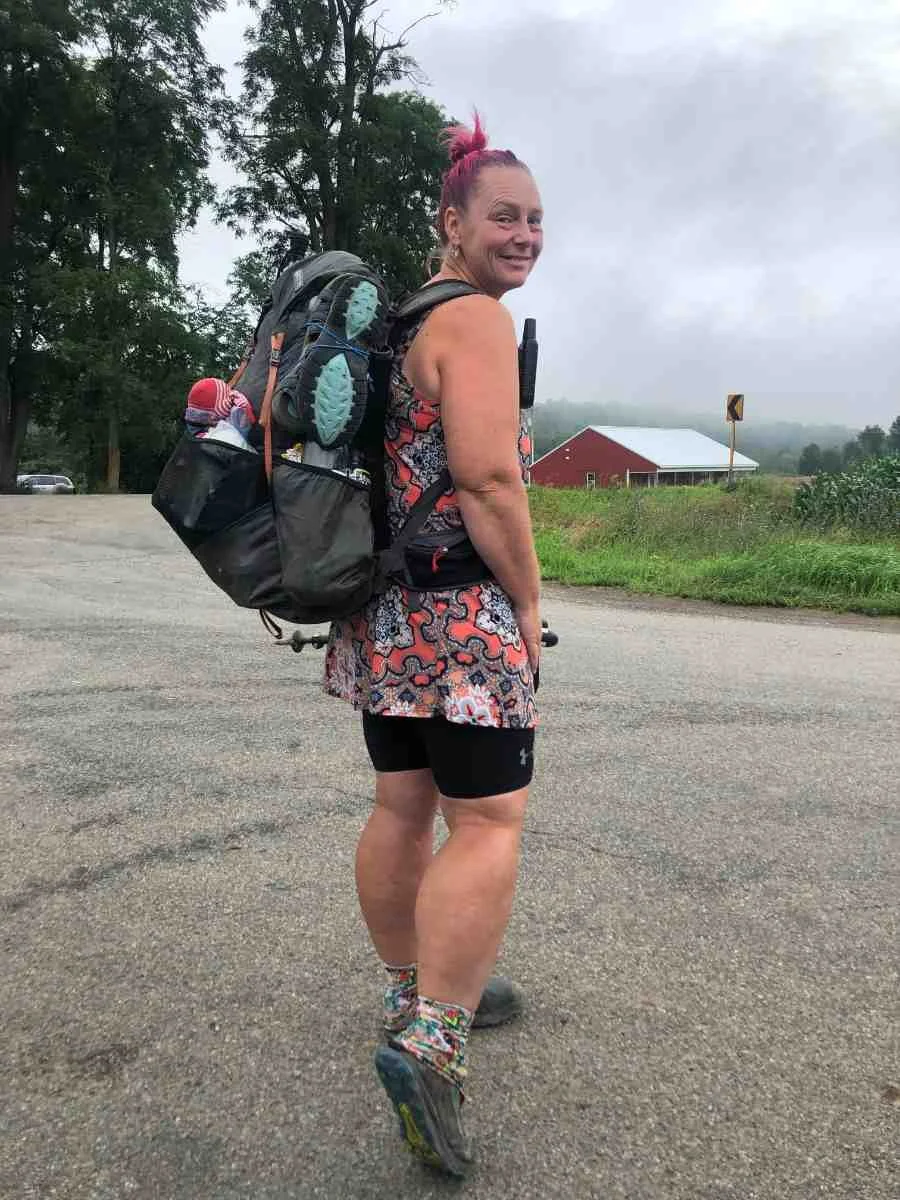
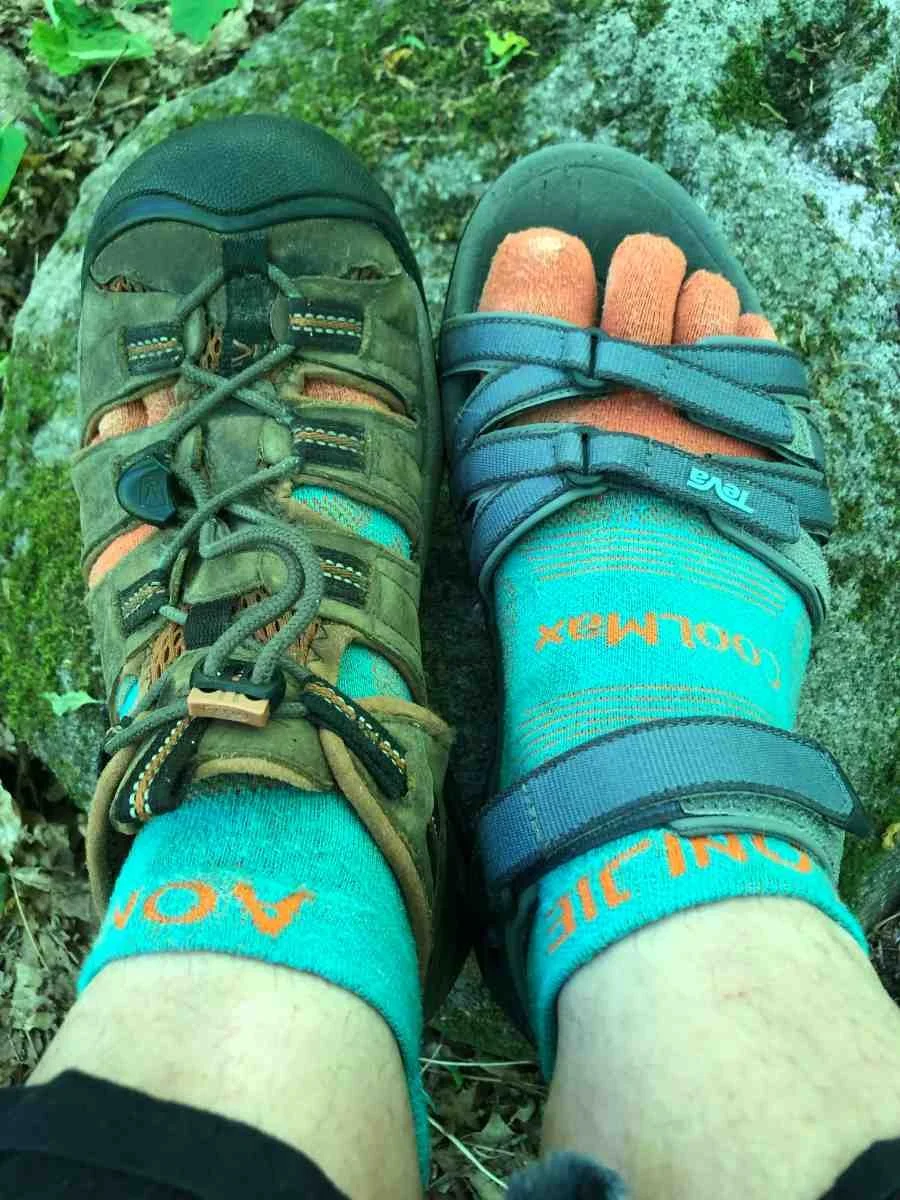
When it comes to your feet, the traditional waterproof boot is your worst enemy in June and July. Waterproof membranes (like Gore-Tex) are designed to keep water out, but they also trap sweat in. In extreme heat, your feet can produce a pint of sweat a day. If that moisture cannot escape, the skin softens, leading to painful friction-based blisters. Opt for breathable non-waterproof hiking shoes for summer. These shoes utilize open mesh paneling to allow sweat to evaporate instantly.
Since feet naturally swell in high temperatures and under the pressure of a backpack, sizing up by a half size can provide the necessary room to prevent "hot spots" and nail trauma.
Strategic Layering for Varying Environments: Deserts vs. Alpine
Your strategy for summer hiking clothes must adapt to the humidity levels of your destination. In arid environments like the Grand Canyon, you can leverage the physics of evaporative cooling.
Pro Cooling Hack: The Dunking Method Whenever you cross a stream or reach a water source, dunk your sun hoodie and hat completely in the water. As the water evaporates from the synthetic fibers in the dry air, it will actively pull heat away from your body, acting like a personal air conditioning system for up to 30 minutes.
In contrast, the best hiking clothes for hot and humid weather focus purely on wicking and surface area. In the Appalachian mountains, the air is already saturated with moisture, so evaporation is slow. Here, loose-fitting, mesh-heavy garments are vital to move air across the skin.
For those heading into high altitudes, layering strategies for summer mountain hiking must account for the fact that the weather can turn from 90°F to 40°F in minutes. Carry an ultralight wind shell or a 100-weight fleece in your pack. These items provide a safety net if you are caught in an afternoon thunderstorm or if the temperature drops as you gain elevation.
Safety Essentials: Heat Exhaustion and Hydration
Dressing correctly is the first step, but managing your core temperature requires constant vigilance. Heat exhaustion can sneak up on even the most experienced hikers. Key warning signs include dizziness, heavy sweating, a rapid pulse, and muscle cramps. If you experience these, you must find shade immediately, stop moving, and sip water.
Hydration is more than just drinking water; it is about maintaining electrolyte balance. In extreme heat, drinking too much plain water without replacing salts can lead to hyponatremia, a dangerous condition where sodium levels in the blood become too low. Always mix electrolyte powders into at least half of the water you consume.
Finally, do not overlook the importance of a wide-brimmed hat. The "3-inch rule" is a good benchmark—a brim of at least three inches provides essential shade for your face, ears, and the back of your neck, significantly reducing the heat load on your head.
FAQ
What is the best material for summer hiking clothes?
The best material for summer hiking is a synthetic blend of polyester or nylon, or a very lightweight merino wool. These fabrics are designed to wick moisture away from the skin and dry rapidly. Unlike cotton, they do not become heavy and abrasive when wet, which helps maintain a stable core temperature and prevents skin irritation.
Should you wear pants or shorts for summer hiking?
The choice depends on the terrain and your priorities. Shorts offer the best airflow and help prevent overheating in humid conditions. However, lightweight hiking pants provide better protection against UV radiation, scratchy brush, and stinging insects. For high-altitude or desert environments with intense sun, thin pants are typically the safer choice for long-term comfort.
Is cotton okay for hiking in the heat?
In most cases, no. Cotton absorbs many times its weight in water and dries very slowly. In humid heat, a wet cotton shirt stays damp, leading to chafing and discomfort. The only exception is in extremely arid desert environments, where a damp cotton shirt can provide extended evaporative cooling. However, for general summer hiking clothes, synthetics are far more versatile and safe.
Do long sleeves keep you cooler while hiking?
Yes, if the garment is specifically designed for sun protection. A loose-fitting, long-sleeved sun hoodie made from technical fabric with a high UPF rating keeps the sun's rays off your skin. By preventing the sun from heating your skin directly, these garments can actually keep your internal temperature lower than if you were wearing a tank top and exposing your skin to direct solar radiation.
How do I choose hiking shoes for hot weather?
Focus on "breathability" and "non-waterproof" models. Look for trail runners or hiking shoes with large sections of open mesh. Avoid shoes with waterproof linings like Gore-Tex, as they trap heat and sweat inside the shoe. Additionally, consider sizing up by half a size to accommodate the natural foot swelling that occurs in high temperatures.
Final Thoughts from the Editor
Mastering the heat is about more than just staying comfortable; it is a critical safety skill for any outdoor enthusiast. By investing in high-quality summer hiking clothes and understanding the science of moisture management, you can extend your hiking season safely into the hottest months of the year. Always remember to check local weather forecasts, monitor your hydration levels, and never hesitate to turn back if the conditions become overwhelming. See you on the trail!