Quick Facts
- Standard Goal: Targeting 120 calories per ounce to significantly optimize pack weight.
- Average Intake: Most hikers require between 3,500 and 6,000 calories per day.
- Top Staples: Ramen is a favorite for 46.7% of hikers but requires added fats for long-term health.
- Resupply Strategy: 42.2% of professionals utilize a hybrid approach of mailing and buying.
- Daily Weight: Expect to carry approximately 2.0 to 2.2 lbs of food per day.
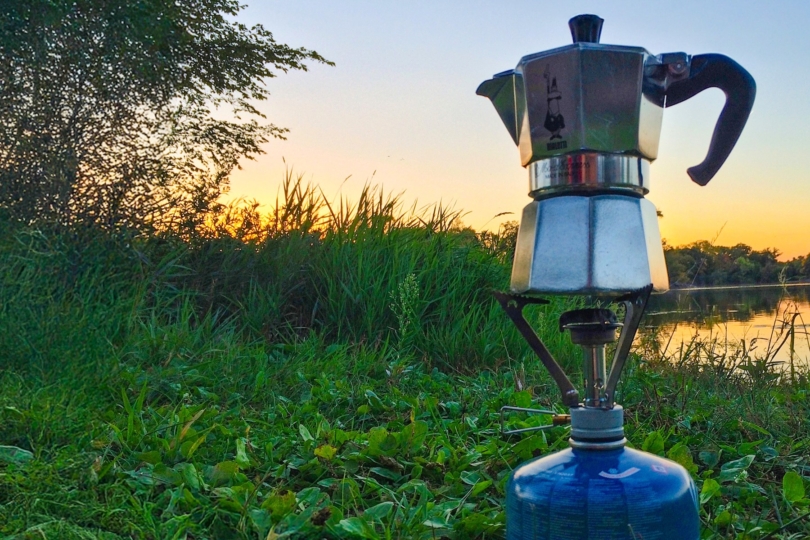
- Expert Gear: High-efficiency stoves like the SOTO WindMaster or TOAKS Titanium pots are industry standards.
Thru-hiking food is about more than just calories; it's about the efficiency of trail weight and the avoidance of palate fatigue across thousands of miles. To succeed on a long-distance trail like the PCT or AT, you need a proven backpacking resupply strategy. Most elite hikers use a mixed approach, mailing home-dehydrated meals to remote areas to ensure proper nutrition while buying staples like nuts and bars at local grocery stores to maintain flexibility.
The Gold Standard: Caloric Density and Logistics
When you are hiking for 10 to 12 hours a day, your body becomes a high-output engine. Achieving the right caloric density is the difference between feeling strong at the end of a 30-mile day and hitting a wall. Professional thru-hikers often live by the efficiency metric of 120 calories per ounce. This allows them to meet their massive energy requirements without their pack becoming an anchor. Thru-hikers on long-distance trails typically require a daily caloric intake between 3,500 and 6,000 calories to compensate for the extreme energy expenditure.
To manage pack weight while meeting high energy needs, experienced thru-hikers generally carry approximately 2 to 2.2 pounds of food per day, prioritizing fat-dense items that provide 9 calories per gram. This isn't just about junk food; it is about macronutrient ratios. Experts in long-distance hiking nutrition recommend a macronutrient distribution of 45-55% carbohydrates, 35-40% fats, and 10-15% protein to maintain energy levels and support muscle recovery.
Logistics also play a huge role. Most pros plan around a 5-day resupply cycle, which usually covers about 90 to 100 miles depending on the terrain. They might reset their gear or food choices at major mile markers, such as Mile 703 on the PCT before entering the High Sierra, where caloric needs spike due to altitude and colder temperatures.
Hiker 1: The Vegan Performance Optimizer
Meet Maya, a high-mileage athlete who proves you don't need jerky or cheese to fuel a thru-hike. For Maya, vegan thru-hiking meals aren't about restriction; they are about high-quality, plant-based fuel that reduces inflammation. She avoids the common trap of eating only "mush" by focusing on ingredient integrity.
Her primary protein source is texturized vegetable protein (TVP), which is exceptionally lightweight and takes on the flavor of whatever it is cooked with. She also carries coconut milk powder, which is a secret weapon for adding healthy fats to almost any meal. A typical dinner for her might be a dehydrated Thai green curry or soy-sauce-flavored ramen supplemented with TVP and a heavy drizzle of olive oil.
| Meal Type | Vegan Staple | Caloric Boost |
|---|---|---|
| Breakfast | Cold-soaked muesli with chia | Hemp seeds |
| Lunch | Instant hummus on tortillas | Sunflower seeds |
| Dinner | Dehydrated beans and rice | Nutritional yeast |
When Maya isn't making her own food, she looks for brands like Peak Refuel that offer high-protein vegan thru-hiking meals for long distance adventures. This ensures she maintains her strength without needing to carry heavy cans or fresh produce.
Hiker 2: The Budget-Conscious 'Gas Station' Pro
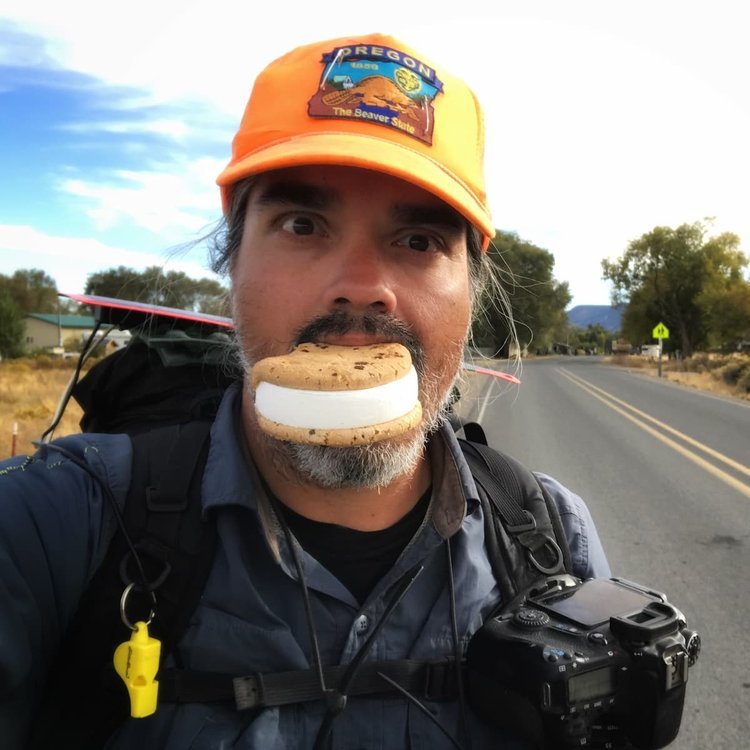
Then there is "Flash," who prefers the flexibility of buying thru-hiking food at grocery stores or even gas stations in small trail towns. This approach eliminates the need for complex mail drop logistics and allows him to eat whatever he is craving at that moment.
The challenge with the gas station diet is avoiding nutritional deficiencies and palate fatigue. Flash manages this by treating basic items as "bases." A packet of chicken-flavored ramen is never just ramen; he adds a packet of tuna, a handful of calorie-dense Fritos, and a massive scoop of peanut butter to create a makeshift "Thai ginger" noodle dish.
- Ramen and Instant Potatoes: The backbone of the budget diet.
- Olive Oil: Carried in a small plastic flask to add to every dinner.
- Multivitamins: Essential for the gas station pro to fill the micro-nutrient gaps.
Buying thru-hiking food at grocery stores requires a keen eye for elite thru hiker food lists that prioritize "bang for your buck" calories. Flash looks for anything over 100 calories per dollar, often reaching for honey buns, trail mix, and block cheese to keep his engine running through the long stretches between major towns.

Hiker 3: The Ultralight 'Cold-Soak' Specialist
For David, weight is the enemy. By ditching his stove and fuel canister, he shaves nearly a pound off his base weight. This makes him a cold-soak specialist. He uses a lightweight plastic jar (like a cleaned-out Talenti gelato container) to rehydrate his meals with ambient temperature water.
The key to success here is finding the best cold soak thru-hiking breakfast ideas. David swears by a mix of muesli, protein powder, and freeze-dried berries. He adds water as he packs up camp, and by the time he has hiked two miles, his breakfast is perfectly hydrated and ready to eat while walking.
David prioritizes dehydrated backpacking food ideas that have high rehydration efficiency. Items like couscous, instant beans, and dehydrated hummus work perfectly in a cold-soak system, whereas noodles or pasta can often stay too crunchy. He also uses a "pinhole venting" technique on his Ziploc bags to squeeze out every bit of air, ensuring his food bag is as compact as possible.
Hiker 4: The Home-Dehydrator & Gourmet
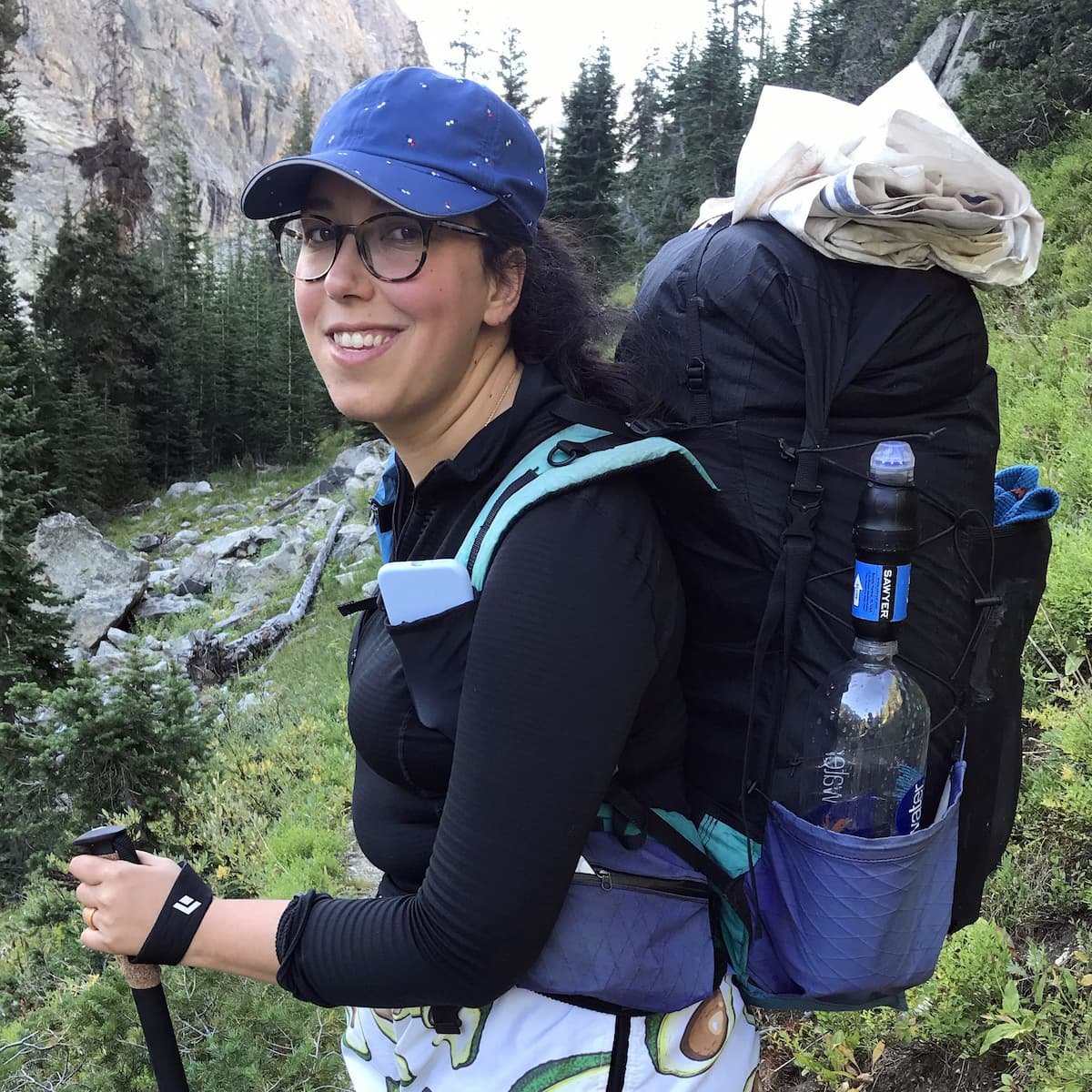
Finally, we have Sarah, who treats her thru-hike like a rolling dinner party. Sarah spends months before her trip creating high calorie density thru-hiking food recipes in her home dehydrator. This allows her to eat nutrient-dense meals that look and taste like real food, rather than tan-colored mush.
Her favorite dinner is a "Trail Thanksgiving" featuring dehydrated turkey, stuffing, and gravy, packed with dehydrated vegetables like peas and carrots for essential fiber. By preparing her own dehydrated backpacking food ideas, she ensures that she isn't just getting calories, but also the vitamins needed for long-term health. Sarah relies heavily on mail drops, sending herself boxes to remote trail towns with limited stores, like Stehekin on the PCT.
She often includes "treats" in her boxes that she can't find on trail, like high-quality dark chocolate or specific electrolyte replenishment powders that help her recover after grueling climbs.
Logistics: Mailing boxes vs. Buying local
A successful backpacking resupply strategy for long trails usually involves a mix of mailing and buying. If you rely 100% on mail drops, you lose flexibility; if you rely 100% on local stores, you might find yourself paying $12 for a jar of peanut butter in a tiny resort town.
Many pros use a "Bounce Box" system. This is a single box filled with bulk items (like a giant tub of protein powder or extra socks) that they mail ahead to themselves from town to town. If they arrive in a town and realize they don't need anything in the box, they simply "bounce" it to the next location without opening it, which is a cost-effective way to manage supplies.
When planning how to plan food resupplies for a thru-hike, you must account for USPS General Delivery rules and the holding fees charged by private businesses like Vermilion Valley Resort (VVR). Proper labeling—including your estimated date of arrival—is crucial to ensure your food is waiting for you when you finally limp into town.
FAQ
What food do thru-hikers eat most?
Most thru-hikers rely on staples that are lightweight and easy to prepare. Ramen noodles, instant mashed potatoes (specifically Idahoan brand), tortillas, peanut butter, and tuna packets are the "big five" of trail food. These items are found in almost every hiker's bag because they are cheap, widely available, and provide a good balance of carbohydrates and protein.
How many calories should you eat while thru-hiking?
Most adults need between 3,500 and 6,000 calories per day to maintain their body weight during a thru-hike. In the first few weeks, you may struggle to eat this much, but as "hiker hunger" sets in, your appetite will grow significantly. Pro hikers focus on fat-dense foods to hit these numbers without adding too much physical weight to their packs.
Is cold soaking better than cooking on a thru-hike?
"Better" is subjective. Cold soaking saves weight because you don't carry a stove or fuel, and it saves time because you don't have to wait for water to boil. However, many hikers find that a hot meal at the end of a rainy, cold day is essential for morale and sleep quality. If you are a beginner, start with a stove and see if you feel comfortable transitioning to cold soaking later.
How do you plan food resupplies for a thru-hike?
Start by mapping out the towns along your trail and determining the distances between them. For the first few hundred miles, buying as you go is usually easiest. For remote sections with limited grocery options, plan to mail boxes using USPS General Delivery. A hybrid approach allows you to adapt to your changing tastes and pace.
What are the best lightweight snacks for long-distance hiking?
The best snacks offer high caloric density and don't crumble easily. Nut butters in individual packets, dried mango, macadamia nuts (the most calorie-dense nut), and meat sticks or vegan jerky are excellent choices. Pro hikers often "graze" throughout the day, eating small amounts every hour to keep their blood sugar stable.
How do thru-hikers prevent nutritional deficiencies?
Preventing "the wall" requires more than just sugar. Hikers often add nutritional yeast to meals for B vitamins or carry dried greens/vegetables to add to their dinners for fiber and minerals. Many professionals also take a high-quality daily multivitamin and use electrolyte powders to ensure they aren't just hydrating with plain water, which can lead to mineral depletion over months of sweating.