Quick Facts
- Primary Setup: A two-burner stove with 10k+ BTUs and a 20-gallon heavy-duty storage bin.
- Essential Cookware: Cast iron skillet, nesting pot set, and a high-quality chef’s knife.
- Organization Strategy: Use the Bin System with smaller nested containers for categories like spices and utensils.
- Cleanup Must-Haves: Biodegradable soap, collapsible washbasins, and a 200-foot distance rule for grey water.
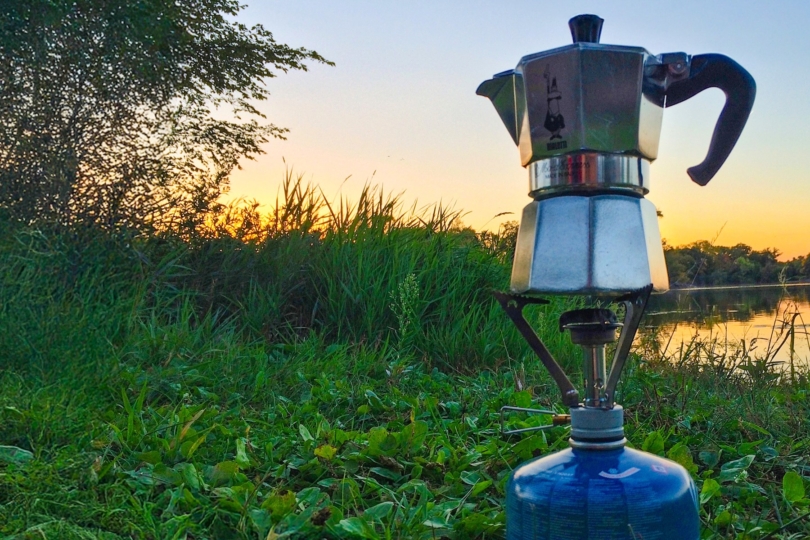
- Hydration & Comfort: A dedicated water jug (5-10 gallons) and a portable coffee maker like an AeroPress.
- Average Startup Cost: Expect to spend between $400 and $600 for a reliable, mid-range car camping kitchen setup.
- Key Statistics: Portable stoves command 46% of the market demand, while 69% of campers prioritize high-quality coolers.
Start your adventure with the ultimate camp kitchen checklist. Whether you are building a car camping kitchen setup from scratch or looking for the latest camping kitchen gear list for 2026, we cover everything you need to cook amazing meals outdoors. A functional camp kitchen requires a reliable stove, durable storage, and the right tools for efficiency and cleanup. To build a truly effective setup, you need to balance durability with portability, ensuring your gear can withstand the elements while remaining easy to organize in your vehicle.
The Grab-and-Go Foundation: Storage & Organization
The secret to a stress-free trip is the Bin System. Instead of hunting through loose bags for a spatula, everything should have a permanent home in a dedicated camping kitchen box. We recommend a heavy-duty 14 to 20-gallon tote, preferably made from food grade plastic to ensure safety and durability. Using a single, standardized container allows you to keep your gear packed and ready to go at a moment's notice.
Efficiency comes from how to organize camp kitchen storage bins internally. Use smaller nested bins or clear zip-pouches to categorize your items into four main groups: heat, prep, beverages, and cleanup. This modular approach means you only pull out what you need for a specific task. When setting up your workstation, aim for a surface that mimics a standard 36-inch counter height to avoid back strain during meal prep. If your campsite table is too low, dedicated folding camp tables with adjustable legs can provide much-needed ergonomic relief.
| Gear Category | The Thrift Option | The Investment (2026 Choice) |
|---|---|---|
| Main Storage Bin | Basic plastic tote from a hardware store | Ruff Land Kennel or Front Runner Wolf Pack |
| Internal Organization | Repurposed shoeboxes or mesh bags | Custom-fit padded dividers or YETI Roadie bins |
| Cooking Surface | Existing picnic table | Adjustable-height aluminum slat table |
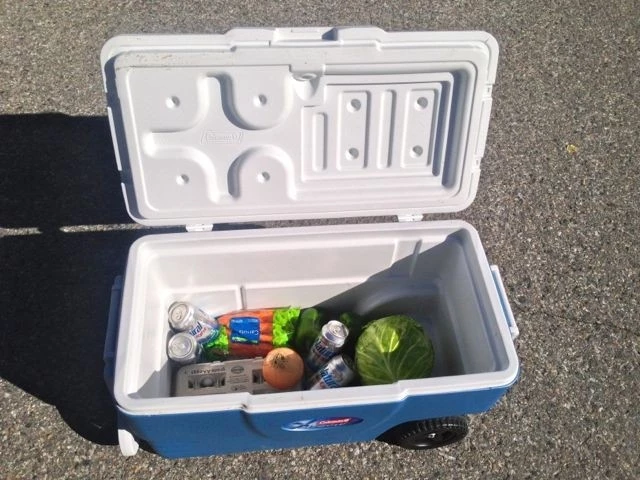
For many families, the cooler is the centerpiece of this foundation. Since 69% of campers use coolers during their recreational outings, choosing one that fits your vehicle and your group size is the first step in successful car camping kitchen setup planning.
The Heat Zone: Stoves, Fuel, and Combustion
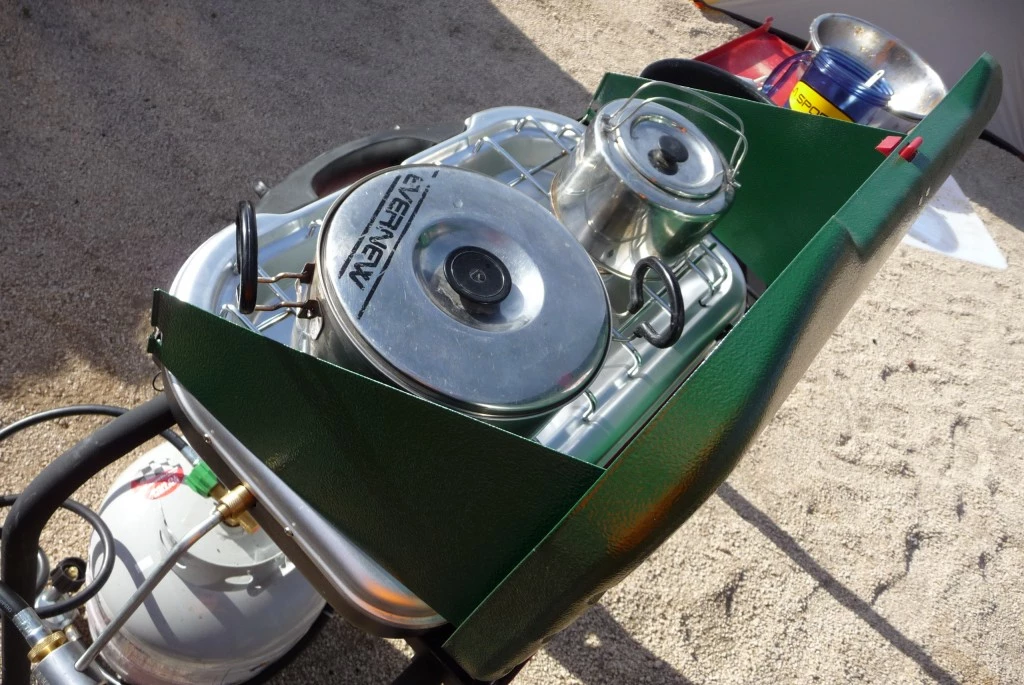
Data shows that in the camping cooking equipment market, portable stoves represent nearly 46% of segment demand. When selecting a stove for your camp kitchen checklist, the two-burner propane stove remains the gold standard. It provides the versatility to boil water on one side while simmering a sauce on the other. Look for models with a high BTU output—at least 10,000 BTUs per burner—to ensure your food actually cooks when the temperature drops or the wind picks up.
Combustion efficiency is largely affected by your environment. Integrated wind screens are essential for maintaining a steady flame, as even a light breeze can double your boiling time. For fuel, while the classic green 1-pound canisters are convenient, those looking for luxury camp kitchen upgrades for 2026 are increasingly switching to 5-pound or 20-pound refillable tanks with proper propane regulators. Not only is this more cost-effective, but it also reduces the waste of single-use canisters.
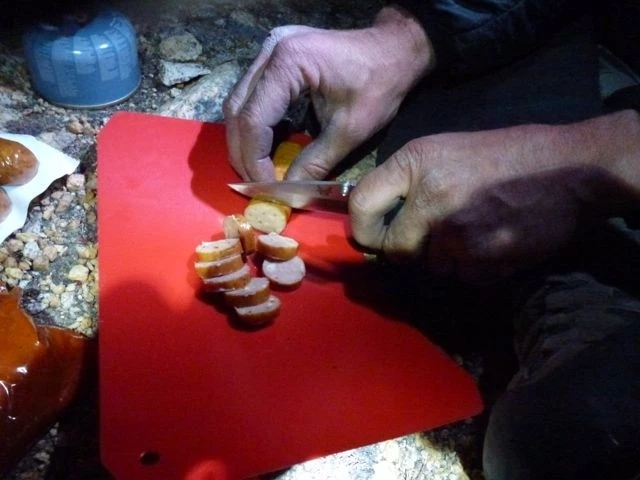
Pro-Tip: The Home Pre-Prep To save space and time at the campsite, do your chopping and marinating at home. Store pre-cut vegetables and seasoned meats in reusable silicone bags. This reduces the amount of camping kitchen gear list items you need to bring, like heavy cutting boards and multiple chef's knives.
The Prep Zone: Cookware and Essential Utensils
A common mistake for beginners is overpacking the prep zone. You do not need a twenty-piece set; you need a few high-quality, versatile items. Every camping kitchen gear list should prioritize a durable 10-inch cast iron skillet. It works on a stove, over an open fire, and even as a makeshift oven lid. For boiling water or making pasta, a nesting design pot set saves an incredible amount of space in your bins.
When it comes to essential camp kitchen utensils for beginners, focus on the "Big Three": a sharp chef's knife with a protective sheath, a sturdy set of tongs, and a multi-functional spatula. Don't forget a small collection of must-have spices for camp cooking—salt, pepper, garlic powder, and a versatile dry rub can be stored in a dedicated spice carousel or even repurposed tic-tac containers. For your plates and bowls, enamelware is a classic choice for its durability and aesthetic, while collapsible containers are excellent for those with limited trunk space.
| Prep Item | Material Recommendation | Benefit |
|---|---|---|
| Skillet | Cast Iron | Heat retention and over-fire versatility |
| Cooking Pots | Hard-anodized Aluminum | Lightweight and even heating |
| Plates/Bowls | Enamelware or Silicone | Won't shatter if dropped on rocks |
| Knife | Stainless Steel | Corrosion resistance and edge retention |
The Beverage Station: Coffee and Hydration
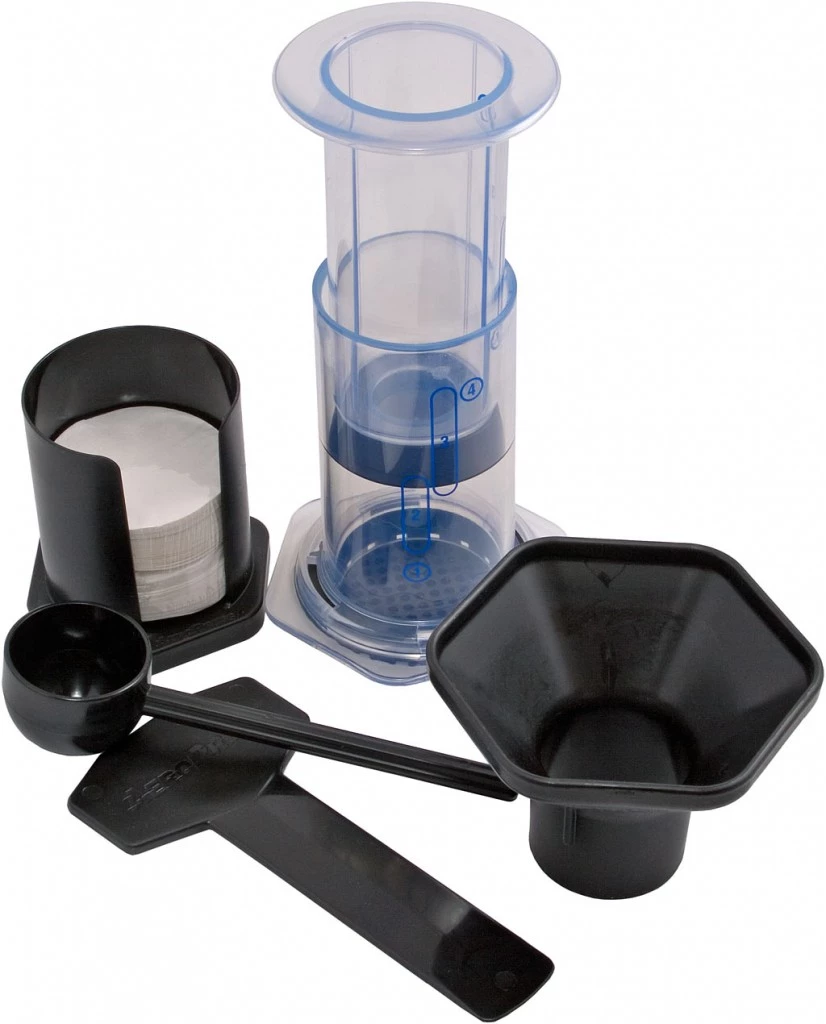
The morning ritual is often the most important part of the day for a camper. Whether you are brewing for a group or just yourself, having the best camping coffee making equipment makes a world of difference. The AeroPress is widely considered a favorite because it is virtually indestructible and easy to clean. If you prefer a more traditional experience, a stainless steel French press or a percolator can provide that classic "campfire coffee" vibe.
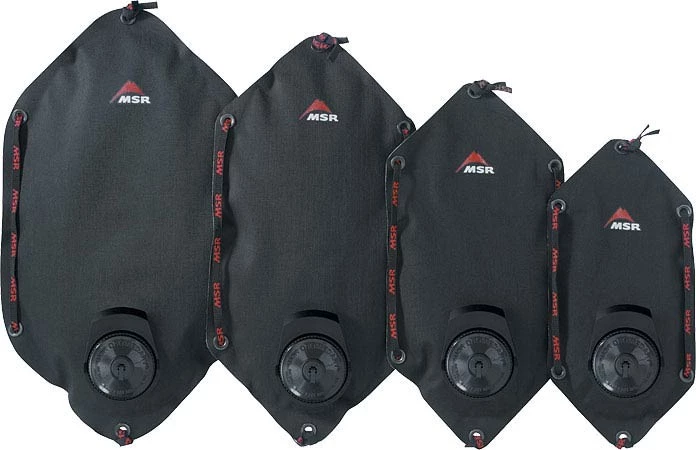
Hydration is equally critical. You should plan for at least one gallon of water per person per day for drinking, cooking, and cleanup. A 5-gallon or 10-gallon water jug with a reliable spigot serves as the "sink" for your car camping kitchen setup. It is important to choose containers made of BPA-free, food grade plastic. For those looking for budget friendly camp kitchen gear, a simple plastic water cube works wonders, while higher-end options include pressurized water tanks for easy rinsing.
Cleanup & Ethics: The 200-Foot Rule
Sustainability is no longer optional in the modern camp kitchen. Since 57% of campers prepare their own meals, the amount of grey water and food waste generated at campsites is significant. A sustainable camp dishwashing and cleanup kit should include a biodegradable detergent, a non-scratch scrubber, and two collapsible basins—one for soapy water and one for rinsing.
The most important rule for outdoor cleanup is the 200-foot rule: always dispose of grey water at least 200 feet away from lakes, streams, and your campsite. Strain your wash water to remove food particles before disposing of it, and pack those particles out in your trash. For grease management, never pour it on the ground; use a "grease jar" or wipe pans with a paper towel before washing.
Preparing for Success
Building your setup is an iterative process. After each trip, take note of the items you didn't use and the ones you found yourself wishing for. Most seasoned campers find that their camp kitchen checklist evolves over years of trial and error. By focusing on modular storage and high-quality basics like a two-burner stove and cast iron cookware, you create a foundation that can handle everything from a quick overnight stay to a week-long wilderness excursion.
FAQ
What are the essential items for a camp kitchen?
The core essentials include a reliable two-burner propane stove, a high-quality cooler, a 5-10 gallon water jug, and a durable storage bin to hold everything. For cooking, you need a cast iron skillet, a nesting pot set, a sharp knife, a cutting board, and basic utensils like a spatula and tongs. Don't forget a cleanup kit with biodegradable soap and collapsible basins.
How do I organize a camping kitchen box?
The most efficient way to organize is the bin system using a 14-20 gallon tote. Inside the main bin, use smaller nested containers or bags to categorize items into workstations: heat (stove/fuel), prep (knives/utensils), and cleanup (soap/scrubbers). Keep this bin fully stocked and cleaned so it is always ready to go.
What utensils do you need for camping?
Focus on the essentials: a chef's knife with a sheath, a sturdy spatula, long-handled tongs, and a multi-tool. For eating, a basic set of nesting forks, spoons, and knives is sufficient. Many campers also find a wine and bottle opener, a vegetable peeler, and a small whisk useful for more elaborate meals.
How do you wash dishes while camping?
Use a two-basin system with collapsible washbasins. Fill one with warm water and biodegradable detergent, and the other with clean water for rinsing. Always scrape food waste into a trash bag before washing, and dispose of your grey water at least 200 feet away from any water source or campsite.
How do you keep a camp kitchen clean and animal-free?
A clean kitchen is the best defense against animals. Wipe down surfaces immediately after cooking and never leave food or trash unattended. Store all food, trash, and scented items (like soap) in your vehicle or a bear-proof locker overnight. Using paper towels to pre-clean pans also helps minimize the food smells that attract wildlife.