Quick Facts
- Market Growth: The global camping equipment rental market is skyrocketing, valued at $1.82 billion in 2025 and projected to reach $3.94 billion by 2034.
- Cost Efficiency: Renting a premium adventure kit typically costs only 10% to 15% of the total retail price of high-end equipment.
- Pro-Grade Access: Renters get immediate access to technical backcountry equipment from brands like Big Agnes, Osprey, and Nemo without the $1,200+ upfront investment.
- Logistical Ease: Leading services offer destination outfitting, shipping gear directly to your hotel or a local pickup point to bypass TSA restrictions and baggage fees.
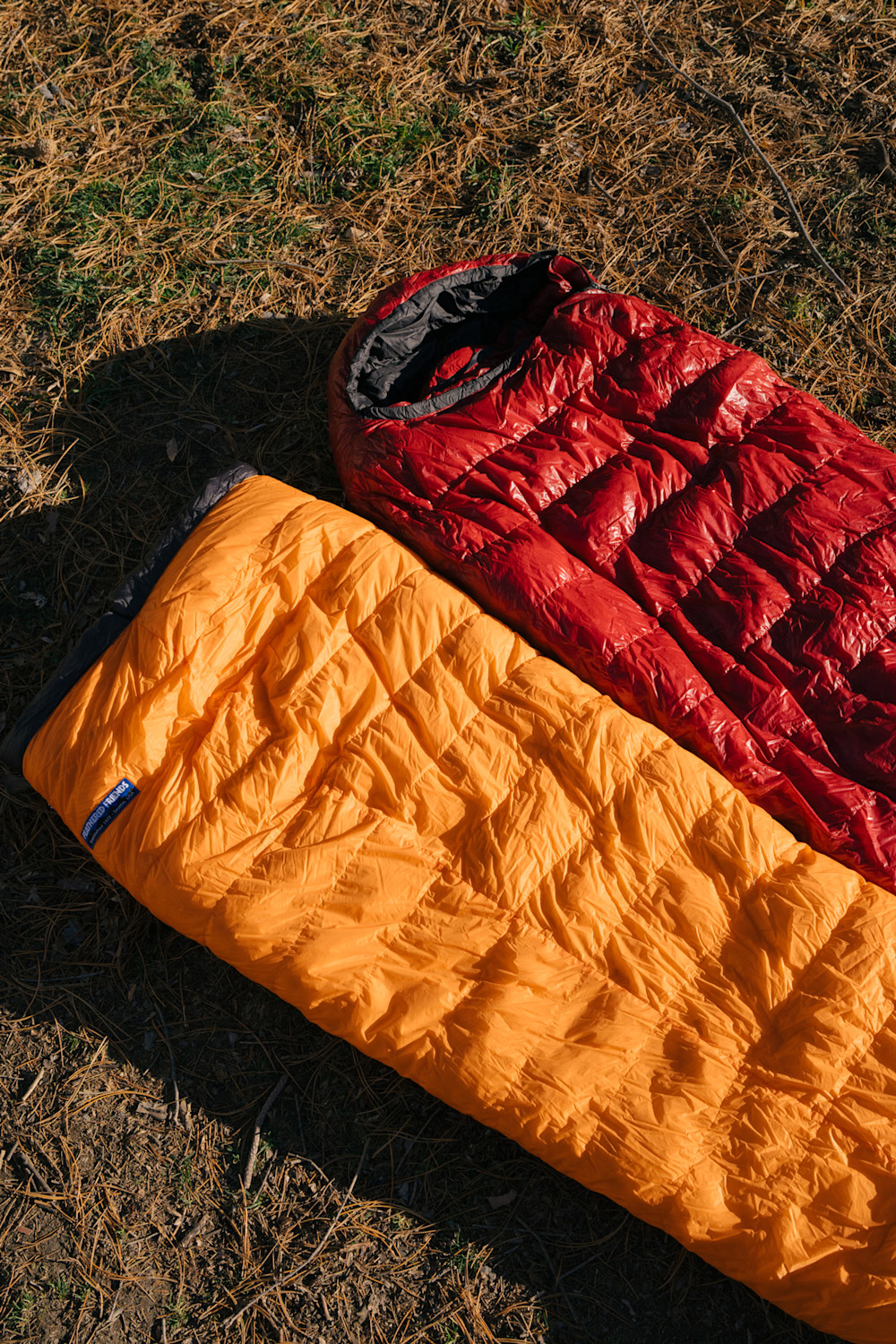
- Hygiene Standards: Modern rental providers use industrial sanitization processes, often referred to as a crazy clean guarantee, ensuring sleeping bags and liners are pristine.
- Sustainable Shift: The 2026 trend favors a minimalist lifestyle and sustainable consumption, prioritizing access to experiences over the ownership of bulky physical assets.
In 2026, camping gear rental has become the superior choice for outdoor enthusiasts because it eliminates the high entry costs of premium equipment while solving the storage and logistical headaches associated with a minimalist lifestyle. Whether you are navigating airline restrictions for a fly-in trip or living in a space-constrained urban apartment, renting provides access to professional-grade technical backcountry equipment that is expertly maintained and delivered directly to your destination.
The Financial Edge: Renting vs Buying Camping Gear in 2026
For many, the biggest barrier to the outdoors is the staggering "sticker shock" of quality gear. To stay safe and comfortable in the backcountry, a standard setup—including a lightweight tent, a mountain-ready sleeping bag, a high-R-value sleeping pad, and a technical pack—can easily exceed $1,200. In contrast, most outdoor gear rental services offer a comprehensive 3-day rental for approximately $150.
The math of camping reveals a clear winner for the occasional adventurer. If you only hit the trail twice a year, it would take four years for the cost of purchasing to break even with renting. By then, technical backcountry equipment has often been surpassed by newer, lighter, and more durable materials. Furthermore, many modern services now offer a rent-to-buy pathway, allowing you to apply your rental fees toward the final purchase price if you decide the gear is a perfect fit for your long-term needs.
| Item | Professional Retail Price | 3-Day Rental Cost | Saving Potential |
|---|---|---|---|
| Ultralight 2-Person Tent | $450 - $600 | $45 - $60 | ~90% |
| Pro-Grade Backpack (65L) | $280 - $350 | $30 - $40 | ~88% |
| 15°F Down Sleeping Bag | $300 - $450 | $35 - $50 | ~89% |
| High-R-Value Sleeping Pad | $150 - $220 | $15 - $25 | ~90% |
| Total Kit | $1,180 - $1,620 | $125 - $175 | Huge Initial Savings |
The benefits of renting vs buying camping gear in 2026 extend beyond the initial transaction. Ownership comes with "hidden" costs: cleaning, specialized storage bins, moisture control to prevent mildew, and the eventual decay of waterproof coatings. By choosing a rental, you bypass these maintenance burdens and the depreciation of high-performance fabrics.
Solving the Urban Storage and TSA Logistical Nightmares
For the modern explorer, the "stuff" of camping can be a major liability. We are seeing a massive rise in demand for camping gear solutions for apartment dwellers with no storage. Living in a major metro area often means prioritizing living space over gear closets. Rather than cramming large 65-liter bins under a bed or in a hallway, urban outdoor enthusiasts are opting for an asset-light lifestyle, where the gear only exists in their home while it is being used.
Then there is the logistical puzzle of the "fly-in" trip. Planning a trek in a distant national park used to mean paying $50+ each way for oversized checked bags, only to worry if your expensive tent poles would arrive snapped. Furthermore, TSA regulations prohibit essential items like stove fuel and bear spray in both carry-on and checked luggage.
By renting backpacking gear for fly-in hiking trips, you can have your entire kit shipped directly to your destination. Services like KitLender or Xscape Pod provide specialized containers that arrive at your hotel or a local UPS access point a day before you arrive.
"The shift toward destination outfitting is the biggest logistical breakthrough for hikers this decade. It turns a week of packing stress into a simple 2-minute pickup." — Alex Morgan, Content Editor.
Once your adventure concludes, the process is just as seamless. You simply repack the gear into the original container, apply the included pre-paid shipping labels, and drop it off at any designated carrier location. No more lugging heavy, dirty bags through airport terminals or paying domestic airport baggage fees.
Try Before You Buy: Testing High-Performance Fabrics & Tech
The outdoor industry is currently in a "Golden Age" of materials science. From OSMO fabrics that balance breathability and waterproofing to super-durable Dyneema Composite Fabrics (DCF), the technology is impressive—and expensive. Many hikers find themselves stuck between the "gear they actually want" and the "gear they can afford."
Outdoor gear rental services bridge this gap. This is the ultimate way to try before you buy ultralight backpacking equipment. Have you been eyeing a $300 Garmin InReach Mini or a $500 Big Agnes Copper Spur tent? Renting allows you to put these items through their paces in real-world conditions. You can test integrated sleep systems to see if a quilt works better for you than a traditional mummy bag, or check if a specific pack's suspension system matches your torso length before making a lifelong commitment.
What is usually in a premium rental kit?
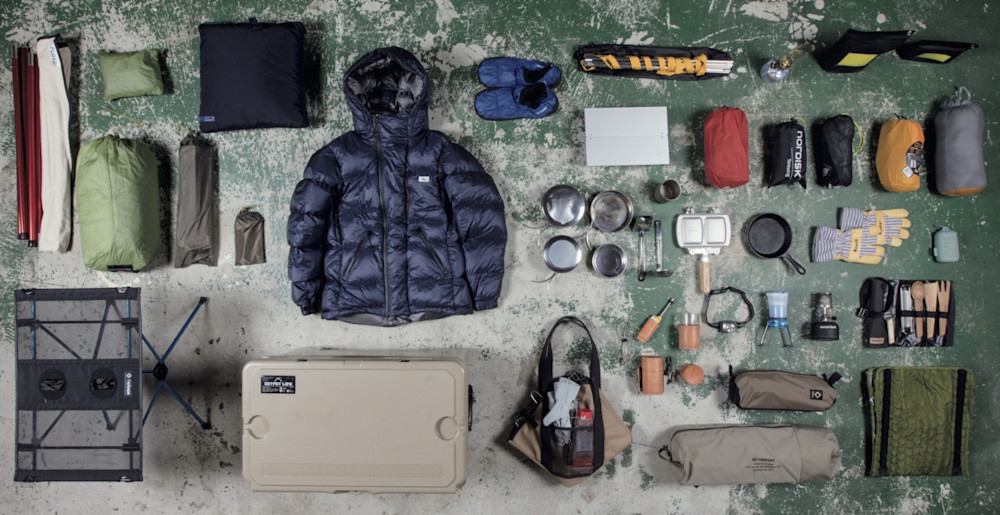
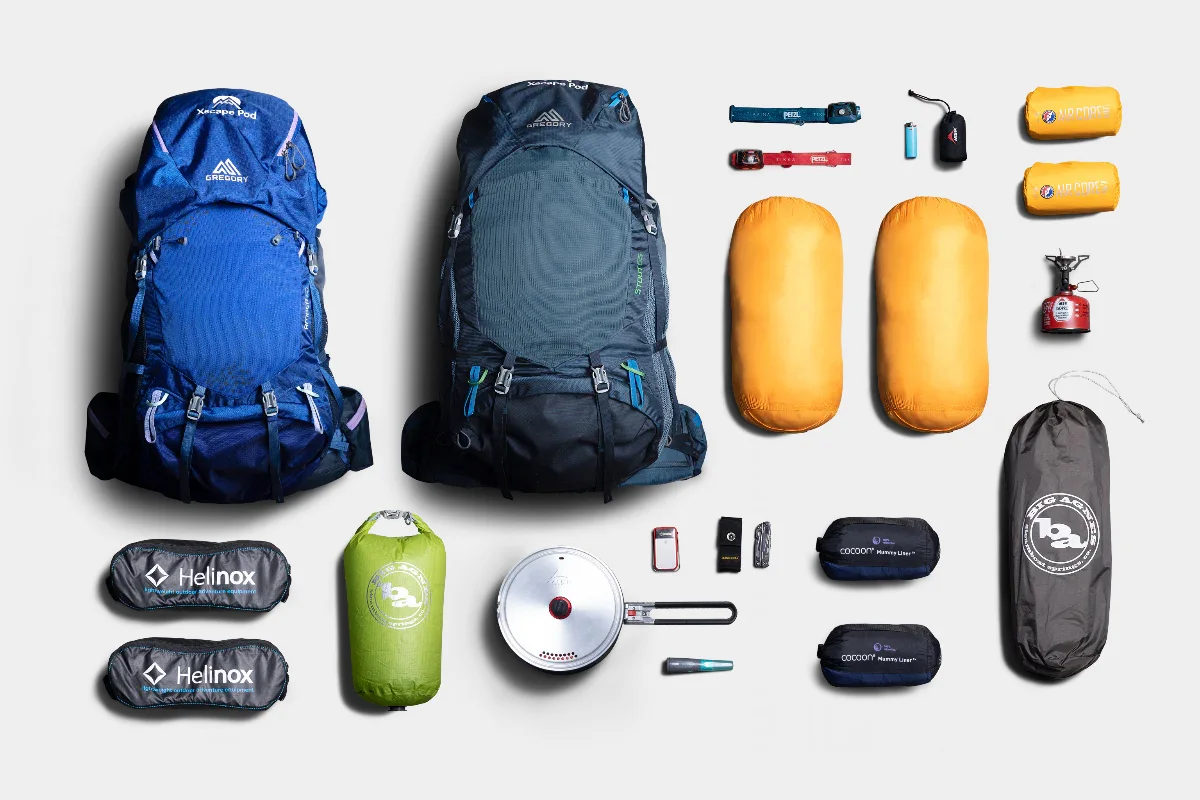
- Shelter: Top-tier backpacking or car-camping tents with stakes and footprints.
- Sleeping System: Sanitized sleeping bags (temperature-rated), liners, and inflatable pads.
- Pack: Multi-day technical backpacks fitted to your size.
- Kitchen: Compact stoves, fuel-efficient cookware, and basic utensil sets.
- Lighting: High-lumen headlamps and lanterns.
- Accessories: Hydration bladders, camp chairs, and even trekking poles.
This "testing ground" mentality reduces gear regret and ensures that if you do eventually buy, you are investing in pieces that have already proven their value on the trail.
Choosing Your Provider: Local Pickup vs. Nationwide Shipping
As the market for camping gear rental matures, consumers have two primary pathways: the local brick-and-mortar giant or the specialized national shipping service.
REI remains a staple for local service, offering a reliable footprint for those who want to pick up gear on their way out of town. However, local inventory can be limited during peak summer months, and not all locations carry the full breadth of technical backcountry equipment.
On the other hand, nationwide shipping services have revolutionized the industry. These providers focus on the "unboxing experience." When you book through a specialized service, you receive a curated kit that has undergone rigorous inspection. The standard in 2026 is a "Crazy Clean" guarantee, which uses medical-grade cleaning solutions to ensure that every sleeping bag and tent smells and feels brand new.
These services also excel at handling the "boring" parts of the trip. The inclusion of pre-paid shipping labels means there is no hunting for a post office at the end of your trip. You are paying for the convenience of destination outfitting, ensuring that your high-performance gear meets you exactly where the trail begins.
FAQ
Is it cheaper to rent or buy camping gear?
For most people who camp less than three times a year, renting is significantly cheaper. Renting allows you to avoid the $1,000+ upfront cost of a pro-grade kit. When you factor in the costs of storage, maintenance, and the eventual need to upgrade aging tech, renting often saves the average user hundreds of dollars over a five-year period.
How much does it cost to rent a full camping kit?
A complete solo backpacking or car-camping kit usually ranges from $120 to $180 for a 3-day weekend. This price typically includes the "Big Three" (tent, pack, sleep system) plus a stove and lighting. Family kits for four people generally start around $300.
Are rental sleeping bags cleaned and sanitized?
Yes, reputable rental services use a multi-step sanitization process. This often includes industrial high-heat laundering for liners and specialized down-safe detergents for bags, followed by UV treatments or antimicrobial sprays. Most providers now offer a "Crazy Clean" or "Sanitization Guarantee" to address these biological concerns.
Do rental companies offer delivery for camping gear?
Absolutely. Modern nationwide services specialize in door-to-door or door-to-destination delivery. You can have your gear shipped to your home for a local trip, or directly to a hotel, FedEx/UPS office, or even some authorized outposts near major National Parks for fly-in adventures.
Can you rent high-end backpacking gear?
Yes, the rental market is no longer just about heavy, basic gear. You can now rent ultralight and technical backcountry equipment from premium brands like Osprey, Big Agnes, Nemo, and Gregory. Many services specifically curate their inventory to include the latest high-performance fabrics and lightweight tech.
Start Your Sustainable Adventure Today
The shift toward camping gear rental represents a broader move toward sustainable consumption and a minimalist lifestyle. In 2026, we are realizing that we don't need to own a garage full of equipment to be "real" outdoorsmen. We simply need access to the right tools at the right time.
By choosing to rent, you are supporting a circular economy that reduces waste and maximizes the lifespan of high-quality products. You are also giving yourself the freedom to travel light, stay flexible, and focus on the scenery rather than the logistical weight of your gear. Whether you are planning your first overnight in the woods or a 50-mile thru-hike, the smartest way to step into the wild this year is with a rental kit that is as ready for the adventure as you are.